Container Gardens
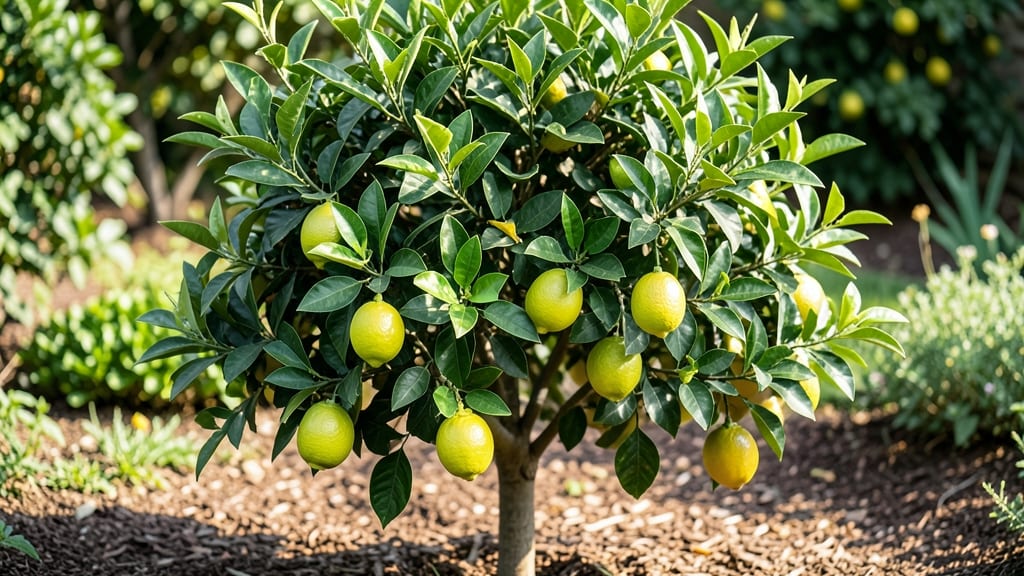
The potted fruit tree is the secret weapon for small spaces—imagine fresh peaches or lemons growing on your balcony. 🌱 I’ve grown dwarf citrus, figs, and even apples in containers for years, and the key isn’t just the right variety but the right setup.
Most people assume it’s complicated, but with the correct pot size, drainage, and sunlight, you can harvest fruit reliably, even in apartments.
You’ll need a 5-gallon minimum container (bigger for apples), well-draining soil, and a tree labeled “dwarf” or “columnar.” My Meyer lemon tree thrives in a 15-gallon pot and produces fruit year-round with proper winter care.
The trick is mimicking outdoor conditions—sunlight, water, and airflow—without the space constraints. Even in small yards, this method works better than in-ground planting for many varieties.
By summer, you’ll be picking fruit that tastes fresher than anything from the store. The first harvest is the most exciting—sweet, sun-ripened peaches or tart little lemons you grew yourself.
With consistent care, some trees even reward you with two harvests a year, and the compact size means no more wrestling with branches. The only catch? Patience—it takes 2-3 years for most dwarf trees to bear fruit, but the wait is worth it.
Works for any climate zone, though citrus needs winter protection in colder areas. Whether you’re in a city apartment or a suburban backyard, this approach turns fruit growing from a dream into a reality. Let’s get those trees planted!
📚 In This Guide
- What you need
- Instructions
- Tips and common mistakes
- Wrapping up and next steps
What you need
- ● Container: A large pot (15–25 gallons) with drainage holes. Pro tip: For dwarf varieties, 10–15 gallons works, but larger pots = happier roots! 🌱
- ● Potting Mix: A well-draining blend (e.g., 60% inorganic matter like perlite/pumice + 40% organic like compost). Avoid garden soil—it compacts!
- ● Fruit Tree: Choose a dwarf or semi-dwarf variety (e.g., Columnar Apple, Meyer Lemon, or Peach Tree). Nursery-grown saplings (1–3 years old) work best.
- ○ Fertilizer: Slow-release organic (e.g., 10-10-10) or citrus-specific formula. Optional: Liquid seaweed extract for a boost! 🌊
- ● Support: A small stake or trellis (for heavy fruit like apples/peaches) or a decorative cage (for vines like figs).
- ● Pruning Shears: Sharp, sterilized shears (or small hand pruners) for shaping and harvest.
- ● Watering Can: With a long spout for deep watering (1–2 gallons per session). Pro tip: Drip irrigation kits save time! ⏳
- ● Mulch: Organic mulch (straw, wood chips) to retain moisture and regulate soil temp.
- ● Pest Control: Neem oil, insecticidal soap, or a fine mesh net (for birds/bugs).
- ○ Optional: Grow lights (for indoor trees), self-watering system, or a fruit tree sprayer for nutrients.
Step-by-step guide to growing compact fruit trees in containers
Here's how to cultivate a thriving, space-saving fruit tree that delivers harvests year after year.
🪴 Step 1: Choose the Right Container and Dwarf Variety
Select a 5-gallon or larger container with drainage holes—fruit trees need room for roots to spread and excess water to escape. I recommend ceramic or heavy plastic pots because they retain stability when laden with fruit. Dwarf varieties like 'Columnar Apple,' 'Patio Pear,' or 'Miniature Citrus' stay under 6 feet tall and thrive in containers.
Position the pot where it gets 6-8 hours of direct sunlight daily. A south-facing window or balcony works, but most fruit trees need outdoor exposure. If you're growing indoors, supplement with a 14-hour grow light positioned 12 inches above the tree. Watch for leaves turning pale or stretching toward the light—this signals insufficient intensity.
🌱 Step 2: Plant Using Well-Draining Soil and Proper Spacing
Fill the pot with a mix of 60% high-quality potting soil, 30% perlite or coarse sand, and 10% compost to ensure drainage while retaining moisture. Avoid garden soil—it compacts and suffocates roots. Plant your dwarf tree at the same depth it was in its nursery pot, pressing gently around the base to eliminate air pockets.
Fruit trees need space to grow, even dwarf varieties. If planting multiple trees, space them 8-12 inches apart to allow airflow and prevent disease. After planting, water deeply until water runs freely from the drainage holes. Let the tree settle for a week before fertilizing—this gives roots time to establish without competing with nutrients.
☀️ Step 3: Maintain Consistent Light, Water, and Fertilizer
Water your potted fruit tree when the top 2 inches of soil feel dry. Overwatering is the fastest way to kill a container-grown tree, so always check moisture before watering. In hot weather, you may need to water daily, while cooler months might require watering every 3-5 days. Mulch the soil surface with 1 inch of organic mulch to retain moisture and regulate temperature.
Feed your tree every 4-6 weeks during the growing season with a balanced, slow-release fertilizer (10-10-10 ratio). In early spring, switch to a high-phosphorus fertilizer (5-10-5) to encourage flowering. You’ll notice new leaves emerging within a week of fertilizing—this is your sign the tree is thriving. Reduce fertilizing in fall and winter to mimic the tree’s natural dormancy period.
✂️ Step 4: Prune for Shape and Encourage Fruit Production
Prune your tree in late winter or early spring before new growth begins. Remove any dead, diseased, or crossing branches first—these compete for energy and can harbor pests. Next, shape the tree by cutting back 1/3 of the new growth from the previous season. This encourages a bushier form and more fruit production.
Thin out fruit clusters to 6-8 inches apart once they form. Overcrowded fruit strains the tree and results in smaller, lower-quality harvests. Prune lightly throughout the growing season to maintain airflow and prevent fungal diseases. After pruning, apply a copper fungicide spray to protect fresh cuts from infection.
🍊 Step 5: Harvest and Overwinter for Year-Round Success
Harvest fruit when it reaches full color and yields slightly to gentle pressure. Citrus trees, for example, should have a bright orange hue and release easily from the branch. Apples and pears ripen gradually—pick them when they detach with a slight twist. Store harvested fruit in a cool, dry place to extend freshness.
Prepare your tree for winter by reducing watering and stopping fertilizing 6-8 weeks before the first frost. Move the pot to a sheltered location like a garage or basement where temperatures stay between 40-50°F. If you’re growing citrus, keep it indoors near a sunny window or under grow lights. Resume regular care in early spring as new growth appears.
Tips & tricks for perfect potted fruit trees
Growing fruit trees in containers isn't just possible—it's transformative. Here's how to turn your balcony or windowsill into a productive orchard.
Container Size Matters: That 5-gallon minimum isn't arbitrary. Root-bound trees struggle to absorb nutrients and water efficiently. If you're tempted to go smaller, remember: dwarf varieties still need room to grow. I've seen 'Columnar Apples' thrive in 7-gallon pots, but they produce significantly more fruit than those in 3-gallon containers. Upgrade your pot size if you notice roots circling the drainage holes after just a few months.
Light Intensity Secret: The 6-8 hours of direct sunlight isn't just about duration—it's about intensity. Morning sun is gentler, while afternoon sun provides peak energy. If you're using grow lights, position them 12 inches above the tree and adjust the height as the tree grows. I've found that LED grow lights with a full spectrum (blue for growth, red for flowering) give the best results. Watch for leaves that look pale or stretched toward the light—this is your tree begging for more intensity.
Soil Mix Science: The 60-30-10 soil ratio (potting soil/perlite/compost) creates the perfect balance. The perlite prevents compaction, while the compost provides essential microbes. Pro tip: Add a handful of worm castings to your planting mix—they're packed with nutrients and beneficial bacteria that help your tree establish faster. Avoid garden soil at all costs; it compacts in containers and suffocates roots.
Watering Wisdom: Checking the top 2 inches of soil is crucial, but don't rely solely on your finger. I've learned the hard way that some soils hold moisture near the surface while staying dry deeper down. Invest in a moisture meter for containers—it gives you precise readings and prevents both overwatering and underwatering. Remember, containers dry out faster than in-ground plantings, especially in hot weather.
Pro Tips for Potted Fruit Tree
- Growing fruit trees in containers isn't just possible—it's transformative.
- Container Size Matters: That 5-gallon minimum isn't arbitrary.
- Light Intensity Secret: The 6-8 hours of direct sunlight isn't just about duration—it's about intensity.
Frequently asked questions
Got questions about growing fruit trees in pots?
You’re not alone! Here are answers to the most common queries—from first-time growers to seasoned container gardeners—to help you thrive with your potted fruit tree.
What are the best fruit trees for containers?
Dwarf varieties like columnar apple trees, patio peach trees, bush citrus (lemon, lime, or orange), and dwarf figs thrive in pots. Choose self-pollinating types or plant two compatible trees nearby for fruit set. Avoid heavy producers like full-sized avocados—they need too much space!
When is the best time to plant a potted fruit tree?
Plant in early spring (after last frost) or late fall (before winter dormancy). If planting in summer, water deeply and shade the tree for a few weeks to reduce stress. Container-grown trees can also be moved indoors during winter in colder climates!
How often should I water a potted fruit tree?
Check soil moisture daily in summer—pots dry out fast! Water when the top 1–2 inches are dry, but avoid soggy soil (root rot is a risk). In winter, reduce watering to every 2–3 weeks unless your tree is indoors. Use well-draining soil and pots with drainage holes!
Can I grow a fruit tree in a small pot or balcony?
Yes! Just match the pot size to the tree’s mature size: 5–10 gallons for dwarf citrus, 15–25 gallons for apples/peaches. Use lightweight containers with wheels for easy moving, and place in 6+ hours of sunlight daily. Balconies work—just ensure wind protection and stable pots!
What should I do if my potted fruit tree has pests or diseases?
Start with preventative care: inspect leaves weekly for aphids, spider mites, or scale. Treat early with neem oil or insecticidal soap. Fungal issues (like powdery mildew) thrive in humidity—improve airflow and avoid overhead watering. Prune affected branches promptly and sterilize tools with rubbing alcohol.
How do I protect my potted fruit tree in winter?
Move trees indoors (near a sunny window) or wrap pots in bubble wrap and cover with frost cloth. Reduce watering but keep soil slightly moist. Citrus trees need extra humidity—place a tray of water nearby. If outdoors, use insulating pots and mulch the soil surface to retain warmth.
Wrapping up and next steps
Growing a potted fruit tree isn’t just about adding greenery—it’s about reaping delicious, homegrown rewards in even the smallest spaces! Whether you’re a beginner or a seasoned gardener, the key is patience, the right container, and a little love.
With year-round yields just a few steps away, why wait? Start small, dream big, and watch your tiny harvest grow!
🌱 Ready to take the next step? Research your climate’s best fruit varieties, grab a pot, and get planting—your future self (and taste buds) will thank you!