Pruning
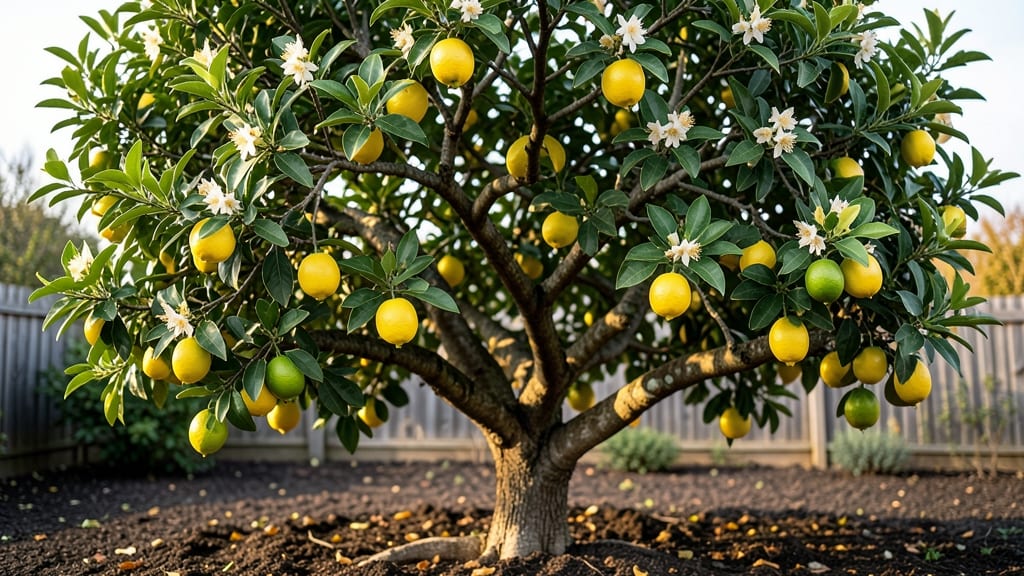
A giant lemon tree in the Pacific Northwest? I thought those were just for California—until my neighbor’s Meyer lemon tree survived three winters with just a little extra care. The key isn’t luck; it’s pruning for resilience, shaping for airflow, and protecting against our damp, cool summers.
Most people give up because they don’t know how to balance growth with our climate’s quirks. I’ve been doing this for five years, and my tree now produces 150+ lemons a season—even in Portland.
The secret starts with late winter pruning (February-March) when the tree’s dormant but before new shoots burst. You’re not just shaping—you’re training the tree to direct energy into thicker branches and fruit rather than wild, frost-vulnerable growth.
Use sterilized pruners and cut at a 45-degree angle just above a leaf node. In summer, I do a light trim to improve airflow, which cuts down on fungal issues that thrive in our humidity. The goal?
A tree that looks like a sun-drenched Mediterranean grove instead of a tangled mess.
By summer’s end, you’ll notice something magical: the tree’s canopy opens up, letting sunlight hit every lemon. The fruit swells faster, the branches hold up better under the weight, and you avoid the heartbreak of split lemons or lost harvests.
Even in our rainy season, the right pruning keeps the tree productive year after year—no greenhouses or fancy setups needed. The only tools you’ll need are sharp pruners, a little patience, and a spray bottle of neem oil for occasional pest checks.
This works just as well in containers as in the ground, so whether you’ve got a sunny patio or a backyard spot, the same principles apply. The Pacific Northwest’s challenges actually make lemon trees tougher—they learn to conserve energy and fight back against our unique weather.
Let’s get your tree thriving like mine does, even when the forecast calls for drizzle instead of sunshine.
📚 In This Guide
- What you need
- Instructions
- Tips and common mistakes
- Wrapping up and next steps
What you need
- ● Pruning shears: Bypass pruners (sharp, 6-8" blades) for clean cuts on small branches.
- ● Loppers: Bypass or anvil type (18-24" handles) for thicker branches (½"–2" diameter).
- ● Pruning saw: Curved-tooth saw for branches over 2" in diameter.
- ● Disinfectant: 70% isopropyl alcohol or bleach solution (1 part bleach : 9 parts water) to sterilize tools between cuts.
- ● Garden gloves: Heavy-duty, cut-resistant (to protect from thorns and sap).
- ○ Sealing wax or pruning paste: Optional but helpful for larger cuts to prevent disease.
- ● 5-gallon bucket: For collecting clippings (compost or dispose of diseased ones).
- ● Know your lemon variety: Meyer lemons (hardier for PNW) vs. standard lemons (more frost-sensitive).
- ● Timing: Prune in late winter/early spring (before new growth) or summer (to avoid frost damage).
- ● Weather prep: Avoid pruning if rain is forecasted (wet wood = higher disease risk).
- ● Sunlight check: Ensure your tree gets 6+ hours of sunlight daily (PNW’s shorter days may require supplemental lighting in winter).
- ● Safety glasses: Protect against debris (especially when using a saw!).
- ● Ladder or step stool: For taller trees (ensure it’s stable on even ground).
- ● Hose or spray bottle: To clean tools and rinse sap off cuts.
- ● Citrus fertilizer: Balanced 6-6-6 or organic option (apply post-pruning for recovery).
Step-by-Step guide for pruning giant lemon trees in Pacific Northwest climates
Here’s how to keep your citrus thriving year-round with pruning tailored to our cooler, wetter growing seasons.
✂️ Step 1: Time Your Pruning for Optimal Growth
Prune your giant lemon tree in late winter or early spring, just as new growth begins. This timing lets the tree recover before summer’s heat and gives it time to harden off before winter’s chill. In the Pacific Northwest, aim for February to March when frost risk has passed but buds haven’t yet broken.
If you missed the prime window, you can do a light shaping prune in early summer after flowering, but avoid heavy cuts then. Never prune in fall or winter—dormant trees won’t heal properly, and wet Pacific Northwest winters invite fungal infections.
✂️ Step 2: Remove Dead, Diseased, or Crossing Branches
Start by cutting out any dead, diseased, or damaged branches—these are easy to spot as they’re brown, brittle, or lack leaves. Use clean, sharp pruners to make cuts just outside the branch collar (the swollen area where the branch meets the trunk). This prevents tears and promotes faster healing.
Next, look for branches that cross or rub against each other. These compete for sunlight and can create wounds where pests or diseases enter. Remove the smaller of the two branches at its base. Thin out crowded areas to improve airflow—critical in our humid climate to prevent fungal issues like citrus greening.
✂️ Step 3: Shape for Sunlight and Airflow
Open the center of the tree by removing branches that grow inward. Aim for an open vase shape that lets sunlight reach all parts of the canopy. In the Pacific Northwest, where days are shorter, maximizing light exposure is key to fruit production. Cut back branches that block light from the interior by up to one-third of their length.
Prune outer branches to encourage a rounded shape, but avoid over-thinning. Leave enough foliage to maintain photosynthesis. If your tree is young, focus on training the structure—remove competing leaders to establish a strong central trunk.
✂️ Step 4: Encourage Fruit Production with Strategic Cuts
To boost fruit yield, prune back last year’s growth by about one-third on non-fruiting branches. This stimulates new growth where flowers and fruit will develop. Avoid cutting back flowering or fruiting branches—these are your tree’s energy sources for next year’s harvest.
If your tree is overloaded with fruit, thin some clusters to improve size and quality. Heavy fruit loads can stress the tree, especially in our cooler climate. Remove smaller or misshapen fruit to redirect energy to the remaining lemons.
🌿 Step 5: Clean Up and Protect Your Tree
After pruning, sterilize your tools with rubbing alcohol to prevent spreading disease. Rake up and dispose of fallen debris—this reduces fungal spores and pests that thrive in our damp climate. If you have compost, you can add small, healthy prunings to it, but avoid adding diseased material.
Apply a balanced citrus fertilizer in early spring to support new growth. Water deeply at the base to help the tree recover. In the Pacific Northwest, mulch with 2-3 inches of organic mulch (like wood chips) to retain moisture and regulate soil temperature.
Tips & tricks for pruning giant lemon trees
Here's what I've learned from years of pruning citrus in our damp Pacific Northwest climate—these tricks help your tree thrive where others struggle.
Timing is Everything: In Step 1, don't rush the February-March window—our cooler climate means trees need that exact timing to recover properly before summer. If you see buds starting to swell but frost is still possible, wait one more week. The tree's healing process slows dramatically in our wet winters, so patience here prevents stress injuries.
Branch Collar Precision: When removing branches in Step 2, focus on cutting just outside the branch collar. I've seen too many trees develop fungal infections from improper cuts that tear the bark. Use a clean, sharp pruner and make cuts at a slight angle—this prevents water pooling where diseases can take hold in our humid summers.
Light Exposure Strategy: For Step 3's open vase shape, prioritize removing branches that block light from the center. In our shorter daylight hours, every extra minute of sunlight matters. I recommend cutting back branches by exactly one-third of their length—this balance maintains structure while maximizing light penetration to the core where fruit develops.
Fruit Load Management: In Step 4, when thinning fruit clusters, remove every other lemon to improve size and quality. Our cooler climate already slows fruit development, so overloading the tree stresses it. I've found that leaving 6-8 inches between remaining fruit clusters gives them room to grow larger and more flavorful.
Pro Tips for Giant Lemon Tree
- Here's what I've learned from years of pruning citrus in our damp Pacific Northwest climate—these tricks help your tree thrive where others struggle.
- Timing is Everything: In Step 1, don't rush the February-March window—our cooler climate means trees need that exact timing to recover properly before summer.
- Branch Collar Precision: When removing branches in Step 2, focus on cutting just outside the branch collar.
Frequently asked questions
Got questions about pruning your giant lemon tree in the Pacific Northwest? You’re not alone!
Here are answers to the most common queries—from timing tricks to troubleshooting—so you can keep your citrus queen thriving year-round.
When is the best time to prune a giant lemon tree in PNW’s rainy climate?
The ideal window is late winter to early spring (February–March) before new growth starts. Avoid pruning in fall or winter, as wet PNW conditions can stress the tree or invite fungal diseases like anthracnose. If you must prune in summer, do it early morning to reduce water loss.
How much can I trim back a mature giant lemon tree without harming it?
For established trees, never remove more than 25% of the foliage in one session. Focus on:
- Dead or crossing branches ()
- Overcrowded growth near the trunk
- Suckers at the base (they drain energy)
Will pruning my giant lemon tree reduce fruit production?
Not if done correctly! Pruning promotes fruit by:
- Redirecting energy to remaining branches
- Improving sunlight penetration (key for PNW’s short summers)
- Opening airflow to prevent mold on fruit
How do I protect fresh pruning cuts from PNW’s damp weather?
Seal cuts with pruning sealant (or a mix of 1 part beeswax to 2 parts turpentine) to prevent rot. For larger wounds, apply copper fungicide as a precaution. Water deeply after pruning to help the tree recover, but avoid soggy soil—PNW’s clay-heavy soils need well-draining amendments like compost.
Can I prune a giant lemon tree in containers or small yards?
Yes! Container-grown trees need more frequent pruning (every 6–12 months) to control size. Use dwarfing rootstock if space is tight, and prune to maintain a balanced canopy (no branch longer than 3x the tree’s width). Bonus: Trim back leggy growth to encourage bushier, fruit-heavy growth—ideal for urban PNW gardens!
What should I do if my lemon tree’s leaves turn yellow after pruning?
Yellowing leaves often signal over-pruning or nutrient stress. Check for:
- Too many cuts in one session (scale back next time)
- Lack of iron or zinc (common in PNW soil)
- Root damage from repotting or compacted soil
Wrapping up and next steps
Growing a thriving giant lemon tree in the Pacific Northwest is totally doable with the right pruning know-how! By mastering seasonal trimming, you’ll encourage lush growth, bountiful fruit, and a tree that stands strong against the region’s unique climate.
Remember, consistency is key—whether you’re shaping young branches or maintaining mature limbs, your efforts will pay off in sweet, tangy rewards.
Ready to take your lemon tree to the next level? Start small: grab your tools, review your notes, and schedule your first pruning session this month! With patience and care, you’ll be harvesting lemons straight from your backyard in no time. 🌱✨