Propagation
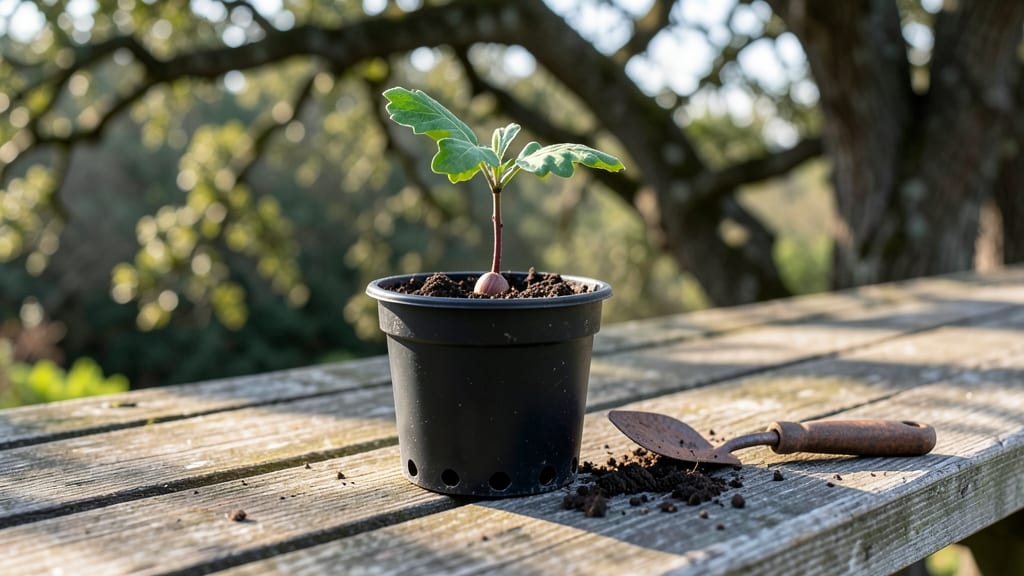
Starting an oak tree from an acorn is the ultimate test of patience—and the most rewarding gardening legacy you can leave.
I’ve watched my own acorn-grown sapling grow from a twig-thin sprout to a sturdy 6-foot tree in just five years, and the journey begins with finding the right acorn in late fall.
The key isn’t luck; it’s knowing which acorns to save and how to trick them into thinking winter has passed.
You’ll need three things: fresh acorns from a mature oak (red oaks need 24 hours of cold, white oaks need 60 days), a damp paper towel or peat moss, and a sunny spot.
The stratification process mimics nature’s timing—simply wrap the acorns in damp material, seal them in a bag, and refrigerate for the required weeks. This step alone boosts germination rates from near-zero to over 50% with minimal effort.
Once sprouted, plant the tiny seedling in well-draining soil, keeping it moist but never soggy. Oak seedlings are stubborn little survivors, but they’ll reward your care with slow, steady growth.
In 10 years, you could be standing under a tree your hands helped create—a living connection to the future that no store-bought sapling can match.
Regional climates matter: Southern oaks thrive with less stratification, while Northern gardeners need extra cold exposure. And yes, squirrels will try to steal your acorns—bury them deeper than you think. The secret to success? Patience and persistence. Every gardener who’s done this knows the wait is worth it.
📚 In This Guide
- What you need
- Instructions
- Tips and common mistakes
- Wrapping up and next steps
What you need
- ● Fresh acorns: Collect at least 10-20 acorns from a healthy, mature oak tree (white or red oak). Look for plump, firm acorns with no cracks or holes.
- ● Potting soil: A well-draining mix (e.g., 50% peat moss or coconut coir + 50% perlite or sand). Avoid heavy garden soil.
- ● Small pots or containers: 3-4 inch diameter with drainage holes (biodegradable pots work great!). You’ll need one per acorn for initial planting.
- ● Watering can or spray bottle: For gentle moisture control—avoid soaking.
- ● Plastic wrap or humidity dome: To create a mini greenhouse effect (e.g., a clear plastic bag with holes).
- ● Label markers & tags: To track planting dates and oak species.
- ● Patience (and sunlight!): Acorns can take weeks to months to sprout, and oaks grow slowly—think decades for maturity!
- ● Seedling heat mat: Keeps soil warm (70–80°F) to speed up germination.
- ● Fungicide (e.g., hydrogen peroxide 3%): A 1:9 ratio with water spray to prevent mold.
- ● Grow lights: If natural light is limited (oaks need bright, indirect light).
- ● Journal or app: To log growth milestones (e.g., Gardenate or a simple notebook).
- ● Mulch (later stage): Wood chips or straw to retain moisture once seedlings are outdoors.
Step-by-step instructions for growing an oak tree from an acorn
Here's how to nurture a mighty oak from a humble acorn—it takes time, but the reward is worth it.
🌱 Step 1: Collect and Prepare Fresh Acorns
Gather acorns from mature, healthy oak trees in late fall when they naturally drop. Look for plump, round acorns with smooth, unblemished shells—they hold the best germination potential. Avoid any that appear shriveled, cracked, or infested with insects. I like to collect them in a breathable paper bag to prevent mold from excess moisture.
Store the acorns in a cool, dry place for about 3 months to complete their natural stratification process. This mimics winter conditions and breaks their dormancy. If you're impatient, you can speed this up by placing them in a sealed plastic bag with a little moist sand and refrigerating for 6-8 weeks. Check periodically—they're ready when the shell feels slightly softer and the inside seed looks plump.
💧 Step 2: Plant Acorns in a Moist, Well-Draining Medium
Fill a small pot or seed tray with a mix of 50% potting soil and 50% perlite or coarse sand to ensure good drainage. Press the soil down lightly so it's firm but not compacted. Plant each acorn about 1 inch deep, spacing them 2-3 inches apart if using a tray. Water gently until the soil feels evenly moist but not soggy—you want it damp enough to support germination but not waterlogged.
Place the pot in a shaded area where it can stay consistently moist. A clear plastic bag loosely draped over the pot creates a mini greenhouse effect, helping retain humidity. Keep the soil moist by misting lightly every 2-3 days—never let it dry out completely. Germination can take 4-12 weeks, so patience is key. You'll know it's working when you see a tiny sprout push through the soil.
☀️ Step 3: Provide Gradual Light and Care for Seedlings
Once the seedlings emerge, remove the plastic cover immediately to prevent fungal growth. Move the pot to a spot with bright, indirect light—direct sun can scorch tender young leaves. As the seedlings grow, gradually introduce them to more sunlight over 2-3 weeks. You'll notice their leaves darken and thicken as they strengthen, signaling they're ready for slightly more exposure.
Water when the top inch of soil feels dry, typically every 3-5 days. Avoid overwatering, which can cause root rot. When the seedlings reach about 4-6 inches tall, transplant them into slightly larger pots with fresh potting mix. This step encourages deeper root growth and prevents them from becoming root-bound. Keep them indoors or in a sheltered outdoor spot until they're at least 2 feet tall—this helps them survive their first winter.
🪴 Step 4: Transition to Outdoor Growth Over Time
In early spring, after the last frost date, gradually acclimate your young oak to outdoor conditions. Start by placing it outside in a shaded, protected area for 1-2 hours the first day, then slowly increase the time over 2-3 weeks. Watch for signs of stress like wilting or yellowing leaves—if you see these, bring it back inside and extend the acclimation period.
Once the seedlings are fully hardened off, plant them in a sunny, well-draining location with plenty of space to grow. Oaks need full sun and room to spread their roots deeply, so choose a spot with at least 10 feet of clearance on all sides. Mulch around the base with 2-3 inches of organic mulch to retain moisture and suppress weeds. Water deeply once a week, ensuring the soil stays moist but not waterlogged during the first growing season.
Tips & tricks for growing an oak tree from an acorn
Here's what nobody tells you about nurturing acorns into towering oaks—these tricks save years of trial and error.
Selection Matters: The health of your oak starts with the acorn. Look for ones that are heavy for their size—this indicates a plump seed inside. Tap two acorns together; the one that makes a hollow sound is likely empty. Also, check for a small hole at the base—this is where the root will emerge. I've found that acorns from white oak trees (with flatter caps) often germinate more reliably than red oak acorns.
Stratification Shortcuts: While the standard 3-month cold stratification works, you can speed things up with a simple trick: place your acorns in a plastic bag with a little damp sand, seal it loosely, and refrigerate for just 6-8 weeks. Check them weekly—they're ready when the shell feels slightly softer and the seed inside looks plump. This mimics winter conditions without requiring you to wait months.
Germination Environment: The key to successful germination is maintaining consistent moisture without waterlogging. I've had the best results using a clear plastic bag loosely draped over the pot—this creates a greenhouse effect that retains humidity while still allowing airflow. Just remember to remove the bag immediately once sprouts appear to prevent fungal growth. During the 4-12 week germination period, keep the soil moist by misting every 2-3 days rather than watering heavily.
Light Transition Strategy: When your seedlings first emerge, they need bright indirect light to prevent scorching. I recommend placing them near an east-facing window where they'll get gentle morning sunlight. After about 2-3 weeks, you can gradually introduce them to more direct sunlight by moving them to a south-facing window or shaded outdoor spot. Watch for leaves that darken and thicken—this is your signal they're ready for more exposure. The gradual transition helps prevent shock and encourages stronger growth.
Pro Tips for How Do You Start An Oak Tree From An Acorn
- Here's what nobody tells you about nurturing acorns into towering oaks—these tricks save years of trial and error.
- Selection Matters: The health of your oak starts with the acorn. Look for ones that are heavy for their size—this ind...
- Stratification Shortcuts: While the standard 3-month cold stratification works, you can speed things up with a simple...
Frequently asked questions
How long does it take for an acorn to sprout?
Patience is key! Most acorns sprout within 4 to 8 weeks if kept moist and warm (around 70°F). Some may take longer—up to several months—especially if the acorn is from a slow-growing oak species like white oak. If no sprouts appear after 3 months, the acorn may not be viable. Don’t give up—try another!
Can I plant an acorn directly in the ground without soaking it first?
You can, but soaking improves germination rates. If planting outdoors, bury the acorn 2–3 inches deep in well-draining soil and keep the area moist. However, soaking for 24–48 hours (or using the refrigerator stratification method) boosts your chances of success. For best results, start indoors in a pot first!
What’s the best time of year to plant an acorn?
The ideal window is fall (September–November) when acorns naturally drop. Planting them fresh increases germination success. If you’re starting indoors, plant anytime in spring or early summer after soaking/stratifying. Avoid extreme heat or cold—oaks dislike both!
Why did my acorn sprout but then die?
Common culprits include overwatering (roots rot easily), drought stress, or pests (like ants or mold). Ensure your seedling gets bright, indirect light and well-draining soil. If mold appears, reduce moisture. Transplant carefully to avoid shocking delicate roots—oaks are tough, but seedlings are fragile!
Can I grow an oak tree from a store-bought acorn?
Yes, but local acorns are best—they’re adapted to your climate. Store-bought acorns (like those from craft stores) may not germinate well or could grow into weak trees. If using them, research the species first! For guaranteed success, collect acorns from mature oak trees in your area during fall.
Wrapping up and next steps
Starting an oak tree from an acorn is a rewarding journey that connects you to nature’s timeless cycles.
With patience, care, and the right techniques—like selecting healthy acorns, nurturing sprouts, and providing the ideal growing conditions—you’ll witness the magic of life unfolding over years. Your tiny acorn could one day become a towering giant, offering shade and beauty for generations.
Ready to take the next step? Plant that acorn today! Whether you’re a seasoned gardener or a curious beginner, every small effort grows into something extraordinary. 🌱✨