Trees
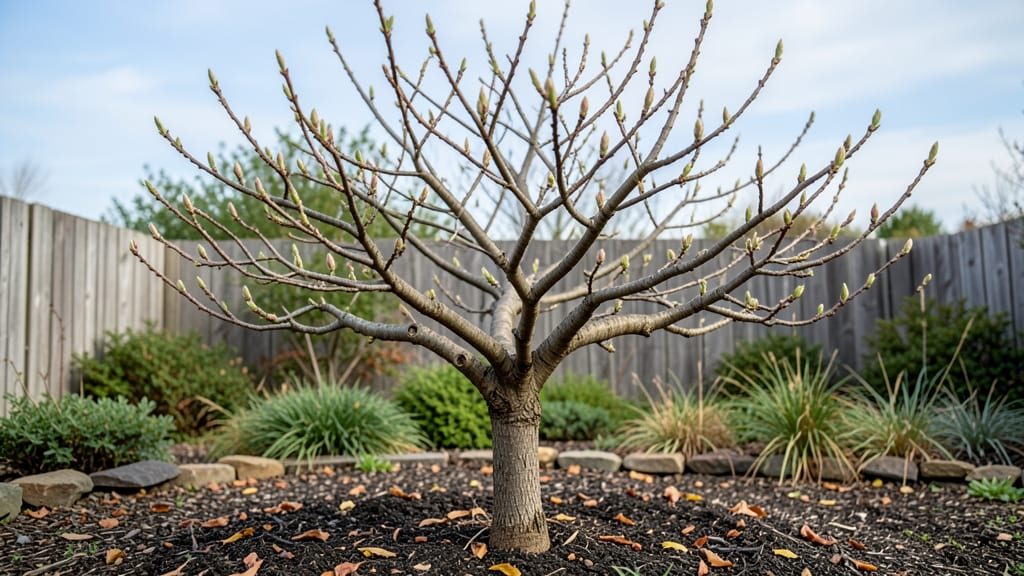
Cold hardy peach trees like 'Reliance' or 'Contender' prove you can grow fruit in the Pacific Northwest—even when winter threatens to freeze everything. 🌱 I planted my first tree three years ago after reading that these varieties survived down to -20°F, and now my backyard produces juicy peaches every summer.
The secret isn’t just picking the right tree; it’s matching it to your microclimate and giving it the winter protection it needs.
You’ll need well-draining soil with a pH between 6.0 and 6.5, a sunny spot with at least 6 hours of direct light daily, and a windbreak if your yard is exposed.
These trees thrive in zones 5-8, but in colder microclimates, you’ll want to plant them against a south-facing wall or use burlap wraps and mulch to shield roots from freezing. The payoff? Trees that fruit reliably year after year, even when neighbors give up on stone fruit.
By late summer, you’ll be harvesting sweet, freestone peaches that taste like childhood memories—if you’ve done the winter prep right. Prune in late winter to open the canopy for sunlight, and thin fruit in early summer to avoid overburdening the tree.
With the right care, these trees live 20+ years, producing better fruit each season. The first harvest is the sweetest reward after all that patience.
Works for urban backyards, rural homesteads, or even large properties—just adjust spacing (15-20 feet between trees) and winter protection based on your climate. Here’s how to make it work without losing your crop to frost.
📚 In This Guide
- What you need
- Instructions
- Tips and common mistakes
- Wrapping up and next steps
What you need
- ● Cold-hardy peach tree saplings: 1–3 trees (choose varieties like ‘Reliance,’ ‘Contender,’ or ‘Loring’—rated for zones 5–7).
- ● Well-draining soil: 2–3 cubic yards per tree (amend with compost or aged manure to improve fertility).
- ● Organic mulch: 3–4 inches of straw or wood chips (to insulate roots in winter).
- ● Fruit tree fertilizer: 10-10-10 or balanced organic fertilizer (apply in early spring).
- ● Drip irrigation system: 10–15 feet of tubing per tree (or a soaker hose for water efficiency).
- ● Shovel & spade: For digging planting holes (18–24 inches deep).
- ● Pruning shears: Sharp, bypass-style (sterilize with rubbing alcohol).
- ○ Grafting tools (optional): For rootstock grafting if propagating from cuttings.
- ● Tree supports: 1–2 stakes or cages per young tree (to prevent wind damage).
- ● Frost cloth or row covers: 10–20 feet per tree (for late-spring frost protection).
- ● Sunlight: A full-sun spot (6+ hours daily) with shelter from wind.
- ● Soil test: Check pH (ideal: 6.0–6.5) and nutrient levels via your local extension office.
- ● Pollination plan: Plant 2+ trees of different varieties for cross-pollination (unless self-fruitful).
- ● Winter prep: Plan for mulching and wrapping tree trunks in late fall.
Step-by-step instructions for planting cold hardy peach trees in the Pacific Northwest
Here's the foolproof method I've used to grow thriving peach trees in our chilly climate.
🌱 Step 1: Select the Right Variety and Planting Site
Choose a cold-hardy peach variety like 'Reliance', 'Contender', or 'Pacific Beauty'—these tolerate down to -15°F without winter damage. The key is finding a microclimate that gets full sun (6+ hours daily) and has shelter from prevailing winds, which can desiccate young bark.
Test your site's winter lows by checking nearby weather stations or using a minimum-maximum thermometer for a season. If your area dips below -10°F, plant near a south-facing wall or in a protected valley where cold air pools less severely. Avoid frost pockets where cold air settles.
🪴 Step 2: Prepare the Planting Hole and Amend the Soil
Dig a hole twice as wide as the root ball but no deeper—peaches hate having their graft union buried too deep. The top of the root ball should sit 1-2 inches above ground level to prevent rot. Mix the native soil with 3 gallons of compost and 1 cup of bone meal (for phosphorus) to encourage strong root development.
Loosen the sides of the hole with a shovel to remove compaction, which restricts root growth. If your soil drains poorly, add 2 inches of coarse sand to the bottom of the hole. The goal is well-draining soil—peach roots suffocate in soggy conditions. Water the hole deeply 24 hours before planting to settle the amended soil.
☀️ Step 3: Plant and Stake for Winter Protection
Place the tree in the hole so the graft union (visible bump near the base) is 2-3 inches above the finished soil line. This ensures the cold-hardy rootstock stays above potential frost heave. Backfill with the amended soil mixture, tamping gently to remove air pockets. Water deeply to settle everything—you'll see the soil level drop about 1 inch as it compacts.
Install a sturdy 4-foot stake at a 45-degree angle away from the prevailing wind, then tie the tree to it with soft tree ties (not wire). In the PNW, winter winds can snap young trunks. Mound 6 inches of wood chips or straw mulch around the base (but not touching the trunk) to insulate roots from temperature swings. This mulch layer helps regulate soil temps through winter.
✂️ Step 4: Prune for Cold Resistance and Shape
Prune immediately after planting to remove any damaged or crossing branches, then cut back the remaining branches by one-third to reduce water loss and encourage a sturdy structure. Open the center of the tree to allow sunlight and air circulation, which prevents fungal diseases like brown rot—a common peach tree killer in damp climates.
Make cuts just outside a bud or branch collar (the swollen area where branches meet). Avoid leaving stubs—these invite rot. In late winter (just before buds swell), do a second pruning to remove any water sprouts (fast-growing vertical shoots) and thin out crowded branches. This ensures energy goes to fruit production, not excessive foliage.
💧 Step 5: Winterize and Monitor Through the First Year
In late fall, wrap the trunk with tree wrap or burlap to protect it from sunscald (caused by winter sun on dark bark) and rodent damage. Secure it loosely with twine—too tight, and you'll girdle the trunk. For extra protection in sub-zero temps, wrap the entire tree (including branches) in frost cloth or burlap, leaving the top open to allow some airflow.
Water deeply once a month during winter if there's no snow cover—dormant roots still need moisture. In spring, remove winter wraps as soon as buds swell to prevent moisture buildup under the wrap, which can cause rot. Watch for peach leaf curl (a fungal disease common in wet springs) and treat with copper fungicide at bud swell if your area is prone to it.
Tips & tricks for planting cold hardy peach trees in the Pacific Northwest
Between us, these small details make the difference between a peach tree that thrives and one that struggles—especially in our unpredictable climate.
Microclimate Mastery: That 6+ hours of full sun is non-negotiable, but what you might miss is how to maximize it. Plant near a south-facing wall or fence that captures afternoon sunlight—this can add critical extra warmth during our chilly mornings. I've seen trees planted in full sun but still suffer from cold damage because they were in wind tunnels. A simple windbreak like a tall hedge or even a sturdy fence can prevent winter desiccation that kills young bark.
Soil Prep Secret: The 24-hour pre-watering of the planting hole is brilliant, but here's what nobody tells you—after you mix in your 3 gallons of compost and 1 cup of bone meal, let that amended soil sit for a full day before planting. This gives the organic matter time to hydrate properly, preventing air pockets that strangle roots. I learned this the hard way after watching a tree's roots dry out in the first winter because the soil was too crumbly.
Staking Strategy: That 4-foot stake at a 45-degree angle isn't just about support—it's about creating a natural windbreak pattern. Angle it away from your prevailing winds (usually westerlies in the PNW), and you'll create a shadow effect that reduces wind speed at the tree's base. I always add a second stake on the opposite side for trees in exposed areas, creating an "X" support system that's far more stable than a single stake.
Winter Watering Wisdom: The once-a-month winter watering is spot-on, but timing matters more than you'd think. Water in the late afternoon when temperatures are rising—this gives the soil time to absorb moisture before nighttime freezing. I've seen trees develop root rot because they were watered in the evening when temps dropped below freezing before the water could soak in. And if you're using well water, let it sit in a barrel for 24 hours first to warm it up—cold water shocks roots in winter.
Pro Tips for Cold Hardy Peach Trees
- Between us, these small details make the difference between a peach tree that thrives and one that struggles—especial...
- Microclimate Mastery: That 6+ hours of full sun is non-negotiable, but what you might miss is how to maximize it. Pla...
- Soil Prep Secret: The 24-hour pre-watering of the planting hole is brilliant, but here's what nobody tells you—after ...
Frequently asked questions
Got questions about growing cold-hardy peach trees in the Pacific Northwest? You’re not alone! Here are some of the most common concerns—and the answers you need to thrive.
How cold can cold-hardy peach trees actually handle?
Most cold-hardy peach varieties survive down to -15°F to -20°F with proper winter care. However, extreme cold (< -20°F) can still damage buds or bark. Choose varieties like ‘Reliance’ or ‘Contender’, which are bred for resilience. Pro tip: Mulch heavily (4-6 inches) and wrap young trunks in burlap for extra protection!
When should I plant cold-hardy peach trees in the PNW?
Plant in early spring (March-April) or fall (September-October), but avoid frost-prone periods. Fall planting gives roots time to establish before winter, while spring planting avoids drought stress. Key: Soil temps should be above 40°F for root growth.
Do cold-hardy peaches taste as good as traditional varieties?
While they may not be as sweet as Southern peaches, cold-hardy varieties like ‘Springcrest’ or ‘Honey Babe’ deliver juicy, flavorful fruit with a balance of acidity and sugar. Bonus: They ripen earlier, giving you a head start on the season!
What pests or diseases should I watch for in the PNW?
Cold-hardy peaches are tough, but peach leaf curl (fungus) and aphids are common. Prevent leaf curl with copper spray in late fall/winter. For aphids, blast them off with water or use neem oil. Monitor: Check undersides of leaves regularly for early signs.
Can I grow cold-hardy peaches in containers?
Yes! Dwarf varieties like ‘Bonanza’ thrive in large containers (15+ gallons) with well-draining soil. Move pots to a sunny, sheltered spot in winter (e.g., against a south-facing wall). Tip: Use a tree guard to protect roots from freezing temps.
Wrapping up and next steps
Growing cold-hardy peach trees in the Pacific Northwest isn’t just possible—it’s a rewarding adventure that brings sweet success to your garden! 🌱 With the right variety, preparation, and care, you’ll enjoy juicy peaches year after year, even in cooler climates.
Whether you’re a seasoned gardener or just starting, this blueprint gives you the tools to thrive.
Now that you’re armed with knowledge, take the next step—pick your peach variety, prep your soil, and plant with confidence! Your future harvest (and happy neighbors) will thank you. Let’s get growing! 🍑✨