Pruning
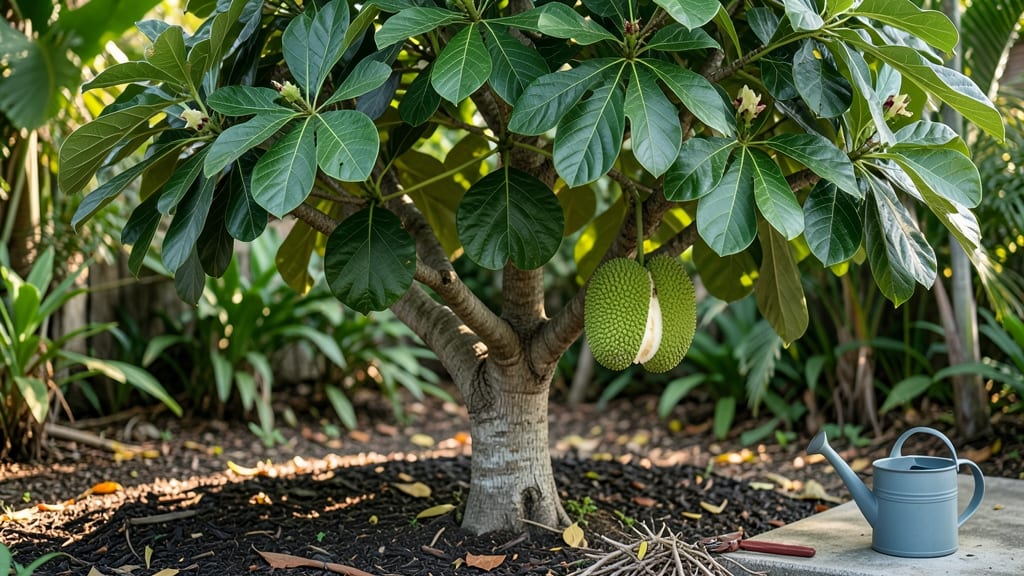
Caring for a soursop fruit tree means unlocking a tropical treasure in your own backyard—imagine harvesting sweet, custard-like fruit year-round. 🌿 I've grown mine for three seasons now, and the key lies in mimicking its native jungle conditions right in your climate zone.
The secret isn't complicated: it's about warmth, moisture, and a little patience to let those thick, leathery leaves establish before the first harvest.
This tree thrives in USDA zones 10-11, but with the right container and winter protection, you can grow it as far north as zone 9. Well-draining, slightly acidic soil (think 6.0-6.5 pH) and partial shade during scorching afternoons are non-negotiable—too much sun burns those delicate leaves.
Once established, it's surprisingly low-maintenance, needing water only when the top 2 inches of soil dry out, and a balanced organic fertilizer every 6-8 weeks during growing season.
By year two, you'll see those iconic green, spiky fruits forming—each one weighing up to 10 pounds when mature. The real magic happens when you crack open a ripe soursop: the creamy, tangy pulp tastes like a mix of pineapple, mango, and strawberry, all in one.
Pruning in late winter keeps the tree compact and encourages more fruit production, while regular inspections for scale insects or anthracnose fungus (common in humid climates) will keep your tree thriving.
Even in cooler climates, a large container with wheels lets you move your soursop indoors during frost, extending its life for decades. The first harvest might take 3-4 years, but once it starts producing, you'll wonder why you didn't plant one sooner. Let's get your tropical canopy growing!
📚 In This Guide
- What you need
- Instructions
- Tips and common mistakes
- Wrapping up and next steps
What you need
- ● Soursop seed or sapling: 1 high-quality seed (germination rate is ~50%) or 1 healthy 1–2-year-old sapling (6–12 inches tall).
- ● Well-draining soil: Mix of 60% tropical potting soil, 20% coconut coir, and 20% perlite (for pots) or amend garden soil with compost and sand (for in-ground planting). pH 5.5–6.5 (test with a soil kit).
- ● Container (if potted): 1–2 15–20 gallon fabric grow bags or plastic pots with drainage holes (minimum 24" diameter for mature trees).
- ● Fertilizer: Balanced fertilizer (10-10-10) – 2 tbsp per tree every 2 months during growing season.
- ○ Citrus-specific fertilizer (6-6-6) – 1 tbsp per tree monthly (optional but recommended for nutrient boost).
- ● Organic options: Worm castings (1 cup per tree) or banana peel compost (rich in potassium).
- ● Pruning tools: 1 pair bypass pruners (sharp, sterilized) for small branches.
- ● 1 pruning saw for thicker branches (½" diameter or larger).
- ● 1 disinfectant (70% isopropyl alcohol) to prevent disease.
- ● Mulch: 2–3 inches of wood chips or straw to retain moisture and regulate temperature.
- ● Watering supplies: 1 hose with adjustable nozzle or drip irrigation system (for consistent moisture).
- ○ 1 moisture meter (optional but helpful for tropical climates).
- ● Climate: USDA Zones 10–12 (or indoor grow lights for colder zones). Soursop cannot tolerate frost—plan for winter protection if needed.
- ● Sunlight: Full sun (6+ hours daily) or partial shade (4–6 hours) in extreme heat (e.g., Florida, Hawaii).
- ● Humidity: 60–80% humidity (mist leaves daily in dry climates or use a humidifier indoors).
- ● Wind protection: Windbreaks or stakes for young trees (soursop has shallow roots).
- ● 🌱 Seedlings: Soak seeds in warm water for 24 hours before planting to speed up germination.
- ● 🔥 Transplanting: Use root stimulator (like mycorrhizal fungi) to help saplings adjust.
- ● ✨ Potted trees: Rotate pots quarter-turn weekly to prevent uneven growth.
Step-by-Step guide for cultivating a thriving soursop tree
Here’s how to nurture this tropical gem—from planting to fruiting—using time-tested techniques for lush, productive growth.
🌱 Step 1: Select and Prepare the Planting Site
Soursop trees thrive in well-draining, slightly acidic soil with a pH between 5.5 and 7.0. Choose a location with partial shade to full sun—young trees prefer dappled light, while mature specimens can handle 6+ hours of direct sun daily. Avoid low-lying areas where cold air pools, as soursop is frost-sensitive.
Dig a hole twice as wide and deep as the root ball to encourage root spread. Amend the native soil with compost or aged manure (20% of the mix) to improve fertility without compacting the roots. The reason for this? Soursop roots are shallow but extensive, and they need loose, oxygen-rich soil to establish quickly.
💧 Step 2: Plant and Establish Watering Routines
Place the soursop tree in the hole, ensuring the root flare (where roots meet the trunk) sits 1-2 inches above soil level. Backfill with native soil, pressing gently to eliminate air pockets. Water deeply immediately after planting—this helps settle the soil and removes air gaps around the roots.
For the first 4-6 weeks, water 2-3 times weekly to keep the soil evenly moist but not soggy. After establishment, reduce to once every 7-10 days, depending on rainfall. Overwatering is the fastest way to suffocate roots, while underwatering stresses the tree. Check moisture by sticking your finger 2 inches deep—if it feels dry, it’s time to water.
☀️ Step 3: Fertilize for Optimal Fruit Production
Soursop trees respond best to balanced, slow-release fertilizer applied twice yearly: once in early spring (before new growth) and again in mid-summer. Use a 10-10-10 or 8-3-9 blend at half-strength to avoid burning roots. Spread fertilizer 6 inches away from the trunk and water thoroughly to activate nutrients.
Here’s the thing—soursop trees are heavy feeders, but too much nitrogen leads to lush foliage at the expense of fruit. If you notice excessive leaf growth with few flowers, cut back nitrogen by 25% in the second application. Instead, focus on potassium and phosphorus to encourage flowering and fruiting.
✂️ Step 4: Prune for Shape and Airflow
Prune lightly in late winter or early spring before new growth begins. Remove dead, diseased, or crossing branches first—these compete for energy and invite pests. Thin out overcrowded areas to improve airflow, which reduces humidity-related diseases like anthracnose.
For shaping, target suckers (shoots at the base) and water sprouts (vertical shoots)—these divert energy from fruit production. Never prune more than 25% of the canopy in a single session, or you’ll stress the tree. After pruning, sterilize tools with rubbing alcohol to prevent bacterial spread.
🌿 Step 5: Monitor for Pests and Seasonal Adjustments
Soursop trees are relatively pest-resistant, but scale insects and mealybugs can appear if stressed. Treat infestations early with neem oil or insecticidal soap, applied in the early morning or evening to avoid harming beneficial insects. Avoid chemical pesticides—they can linger in the fruit and reduce its marketability.
In winter, reduce watering to once every 2-3 weeks unless temperatures drop below 50°F, at which point you’ll need to protect the tree with frost cloth or move potted specimens indoors. The key is consistency: soursop trees hate sudden changes in moisture or temperature, so gradual adjustments prevent shock.
Tips & tricks for perfect soursop tree cultivation
Mastering soursop tree care takes patience, but these insider tricks will help you avoid common pitfalls and maximize fruit production.
Soil Preparation Secret: The 20% compost or aged manure amendment in Step 1 isn't just about nutrients—it's about creating the perfect crumbly texture. Soursop roots need that loose structure to spread quickly. I like to add a handful of worm castings too (optional) for extra microbial activity that boosts root growth. The key is to mix it thoroughly so you don't create pockets of overly rich soil that could burn tender roots.
Watering Wisdom: Those first 4-6 weeks are critical for root establishment, but timing matters just as much as frequency. Water in the early morning so the foliage has all day to dry—this prevents fungal issues that thrive in damp leaves. I've seen many growers overwater because they think "more is better," but soursop roots actually need oxygen more than they need water. Let the top 2 inches dry between waterings after the initial 6-week period.
Fertilizer Fine-Tuning: When adjusting nitrogen in Step 3, don't just reduce the amount—swap it out. Use a fertilizer with higher phosphorus (like 5-10-10) for flowering instead of cutting back a balanced blend. The tree needs that potassium too, and simply reducing nitrogen can create deficiencies. I've found that a foliar spray with fish emulsion (optional) during the flowering phase gives an extra boost without overloading the roots.
Pruning Precision: The 25% canopy rule in Step 4 is non-negotiable, but here's what nobody tells you—the best time to prune is actually when the tree is slightly stressed from drought, not just in late winter. This forces it to focus energy on existing branches rather than new growth. Just be sure to sterilize your tools between cuts when dealing with stressed trees, as they're more vulnerable to infections. I keep a spray bottle of rubbing alcohol handy specifically for this purpose.
Pro Tips for Soursop Fruit Tree Care
- Mastering soursop tree care takes patience, but these insider tricks will help you avoid common pitfalls and maximize...
- Soil Preparation Secret: The 20% compost or aged manure amendment in Step 1 isn't just about nutrients—it's about cre...
- Watering Wisdom: Those first 4-6 weeks are critical for root establishment, but timing matters just as much as freque...
Frequently asked questions
Got questions about growing a soursop fruit tree?
You’re not alone! Here are some of the most common concerns—plus straightforward answers to keep your tropical treasure thriving.
How long does it take for a soursop tree to bear fruit?
A soursop tree typically takes 3 to 5 years to produce fruit from seed, but grafted trees can bear fruit in as little as 18 months to 2 years. Patience is key—provide optimal care (sun, water, and soil) to speed up the process!
Can soursop trees survive cold weather?
Soursop trees are tropical and thrive in USDA zones 10–12. They can’t tolerate frost—even brief dips below 32°F (0°C) can damage leaves or kill the tree. If you live in a colder climate, grow it in a large container and bring it indoors during winter.
How often should I water a soursop tree?
Water deeply 2–3 times per week during the first year, then taper to once a week once established (adjust for heat/drought). Overwatering can cause root rot, so ensure well-draining soil. Mulch helps retain moisture—just keep it 2–3 inches away from the trunk.
What pests or diseases should I watch for on soursop trees?
Common issues include:
- Scale insects (sticky sap, yellowing leaves) – Treat with neem oil or insecticidal soap.
- Anthracnose fungus (dark spots on fruit/leaves) – Prune infected areas and improve airflow.
- Root rot (wilting, yellow leaves) – Reduce watering and amend soil with sand/compost.
Can I grow a soursop tree from seed, or should I buy a grafted one?
You can grow from seed, but it’s a gamble—seedlings may not produce fruit true to the parent plant. For faster, more reliable results, opt for a grafted soursop tree (available at tropical nurseries). If starting from seed, expect years of wait-and-see!
Wrapping up and next steps
Growing a thriving soursop fruit tree is a rewarding journey that blends tropical beauty with delicious harvests! With the right care—from pruning techniques to soil prep—you’ll unlock year-round bounty. Remember, patience and consistency are key, but the effort pays off in sweet, creamy fruit.
Ready to take the next step? Start small: plant your soursop in a sunny spot, keep it hydrated, and watch it flourish. Soon, you’ll be sharing its unique flavor with friends—or even turning it into homemade treats! Your tropical oasis awaits—happy growing! 🌿✨