Pruning
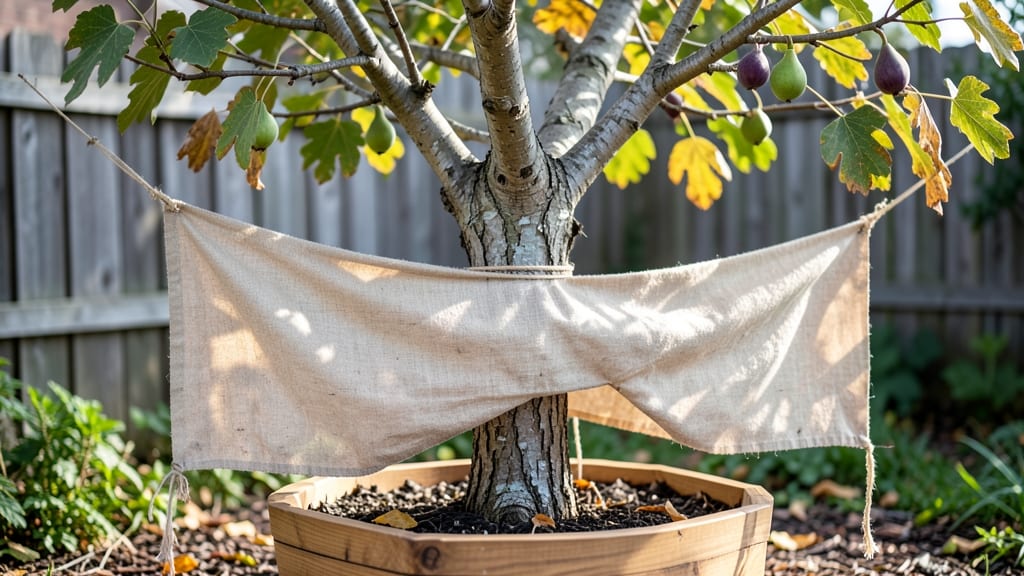
Wrapping your fig tree for winter isn't just about survival—it's about reviving that same lush green canopy next spring. 🌿 I learned the hard way when my first fig tree lost branches to a surprise frost, but this simple technique has saved mine for years in Zone 7 winters.
The key is timing and materials: wrap after the first hard frost but before prolonged sub-freezing temps, using breathable burlap (not plastic) to protect without suffocating. You'll need a few extra supplies—like twine and stakes—but the process takes less than 30 minutes once you know the steps.
What you'll gain is a tree that shrugs off winter like it's no big deal, with branches intact and ready to burst into new leaves by April. The wrap blocks windburn and retains just enough warmth to prevent dieback, so your fig stays healthy even when temps dip below 20°F.
Works for both container figs and in-ground trees, though container plants need extra insulation around the pot. Here's how to do it right—no guesswork, just reliable protection for your investment.
📚 In This Guide
- What you need
- Instructions
- Tips and common mistakes
- Wrapping up and next steps
What you need
- ● Burlap or frost cloth: 10–15 feet (enough to wrap the tree’s height + 2 feet extra for securing). Opt for breathable materials (avoid plastic—it traps moisture!).
- ● Sturdy twine or garden ties: 5–10 feet (jute or biodegradable for eco-friendliness). Skip wire or anything that can cut into the bark!
- ● Pruning shears: Sharp, clean pair (sterilize with rubbing alcohol to prevent disease).
- ○ Support stakes (optional but helpful): 2–4 wooden or metal stakes (if your tree is tall or top-heavy).
- ● Mulch (straw, pine needles, or shredded leaves): 2–3 inches to insulate the root zone. Avoid fresh sawdust—it can rob soil of nitrogen!
- ● Tree wrap (paper or plastic): For extra trunk protection against sun scald (common in winter).
- ● Circular saw or handsaw: If you’re trimming large branches (safety first—wear gloves!).
- ● Spray bottle with water: Lightly mist the burlap before wrapping to help it adhere better.
- ● Reflective mulch or bubble wrap: For added insulation in extreme cold zones (like Zone 7 and below).
How to protect your fig tree through winter with a frost-proof canopy
Here's the straightforward method I use every year to keep my figs thriving through cold snaps.
🌿 Step 1: Choose the Right Wrapping Material
Select a breathable fabric like burlap or frost cloth—these allow airflow while blocking wind and frost. Avoid plastic sheets; they trap moisture and rot branches. I like 30-ounce burlap because it's sturdy enough to stay in place but still lets light through for photosynthesis during mild days.
Measure your tree's height and width to determine how much material you'll need. For a 6-foot-tall fig tree with a 4-foot spread, you'll want about 10-12 feet of burlap (enough to wrap twice around the trunk and drape over the canopy). Cut the fabric to size with scissors, leaving extra for securing.
🪴 Step 2: Wrap the Trunk and Secure the Canopy
Start by wrapping the trunk tightly with twine or soft garden ties to protect it from gnawing animals and prevent cracking. I like to use jute twine because it's biodegradable and won't damage the bark. Wrap in a spiral pattern, overlapping edges by 1-2 inches, and secure every 6-8 inches up the trunk.
Next, drape the burlap or frost cloth over the canopy like a loose tent, leaving the top open to allow some airflow. Secure the edges to the trunk with clips or staples (avoid nails—they can damage the bark). For extra protection, tuck the edges into the soil at the base to block cold winds. The goal is to create a 3-sided shelter that shields the tree from frost while still allowing light and air circulation.
☀️ Step 3: Monitor and Adjust for Changing Weather
Check your wrapped tree every 2-3 days during cold snaps. If temperatures drop below 20°F, add an extra layer of burlap or frost cloth for insulation. Remove the wrapping on mild days (above 40°F) to prevent overheating and mold growth. I always do a quick inspection for condensation or damp spots—these are red flags for trapped moisture.
Once spring arrives and nighttime temperatures consistently stay above 40°F, remove the wrapping completely. Prune any dead or damaged branches before unwrapping to encourage new growth. Here's the thing—fig trees are tough, but they appreciate this extra care during their dormant season. You'll see stronger branches and healthier fruit in spring if you protect them now.
Tips & tricks for protecting your fig tree through winter
Here's what I've learned after years of testing different methods to keep my figs safe during cold snaps.
Material Matters: The 30-ounce burlap recommendation in Step 1 is perfect because it balances durability with breathability. If you can't find burlap, frost cloth works just as well—just make sure it's labeled for frost protection. Avoid anything plastic; condensation builds up and can actually harm your tree. I've seen trees wrapped in plastic sheets develop mold spots that took weeks to recover from.
Trunk Wrapping Technique: When you're securing the trunk in Step 2, don't be afraid to overlap the twine by 2 inches—this creates a stronger barrier against gnawing animals. I've had squirrels chew through loosely wrapped twine before! Also, leave a small gap at the base of the trunk to prevent water from pooling against the bark when you water the tree. This simple detail prevents rot that can kill your tree from the inside out.
Weather Monitoring: That 2-3 day check mentioned in Step 3 is crucial, but here's the thing: timing matters. I always check right after a cold snap (when temps drop below 20°F) and again just before sunrise when temperatures are at their lowest. This two-check system has saved my trees from frost damage during unpredictable winter weather patterns. If you're in a particularly cold climate, consider adding a second layer of frost cloth during extended cold snaps.
Pro Tips for Wrapping Fig Tree For Winter
- Here's what I've learned after years of testing different methods to keep my figs safe during cold snaps.
- Material Matters: The 30-ounce burlap recommendation in Step 1 is perfect because it balances durability with breathability.
- Trunk Wrapping Technique: When you're securing the trunk in Step 2, don't be afraid to overlap the twine by 2 inches—this creates a stronger barrier against gnawing animals.
Frequently asked questions
Got questions about wrapping your fig tree for winter? You’re not alone!
Here are the most common concerns—and straightforward answers—to help you protect your tree like a pro.
When is the best time to wrap a fig tree for winter?
The ideal time is before the first hard frost (typically late fall, when nighttime temps drop below 30°F (-1°C)). If you’re in a milder zone, wait until temperatures consistently hover around 25–30°F (-4 to -1°C)early spring once frost risk passes—usually when daytime temps stay above 40°F (4°C).
What if my fig tree is already planted? Can I still wrap it?
Even established fig trees benefit from winter protection. Use burlap wraps or tree-specific frost cloths (avoid plastic—it traps moisture). For larger trees, focus on the trunk and lower branches. If your tree is in a container, move it to a sheltered spot or use insulating blankets around the pot.
Will wrapping my fig tree kill it if I leave it too long?
Over-wrapping can cause rot or mold from trapped moisture or warmth. Unwrap as soon as spring arrives (usually March–April, depending on your zone). If you forget, check for dark spots, foul smells, or soft bark—signs of trouble. A quick inspection every few weeks ensures your tree stays happy and healthy.
Are there alternatives to wrapping if I don’t have materials?
No burlap or frost cloth? Try these DIY fixes:
- Mulch mound: Pile 6–8 inches of straw or wood chips around the base (but keep it away from the trunk to avoid rot).
- Snow shield: In snowy climates, gently pile snow around the tree (it insulates naturally!).
- Cardboard tubes: Cut open large cardboard boxes and wrap them loosely around the trunk (remove in spring).
What if my wrapped fig tree still gets frost damage?
Even with protection, frost can sneak in! If you spot brown leaves, cracked bark, or blackened branches, act fast:
- Prune dead or damaged branches in late winter (sterilize tools with rubbing alcohol first!).
- Apply a dormant oil spray to protect against pests that thrive in stressed trees.
- Fertilize lightly in early spring with a balanced 10-10-10 to encourage recovery.
Wrapping up and next steps
Wrapping your fig tree for winter is a simple yet powerful way to protect it from frost and ensure it thrives for seasons to come! 🌿 By following these three easy steps—gathering the right materials, wrapping with care, and securing it properly—you’re giving your tree the best chance to bounce back stronger.
Don’t let winter’s chill steal your harvest; a little effort now means sweeter, healthier figs next year!
Ready to take action? Mark your calendar for late fall—before the first frost hits—and grab your supplies. With this guide, you’ll wrap your fig tree like a pro in no time! 🌟