Trees
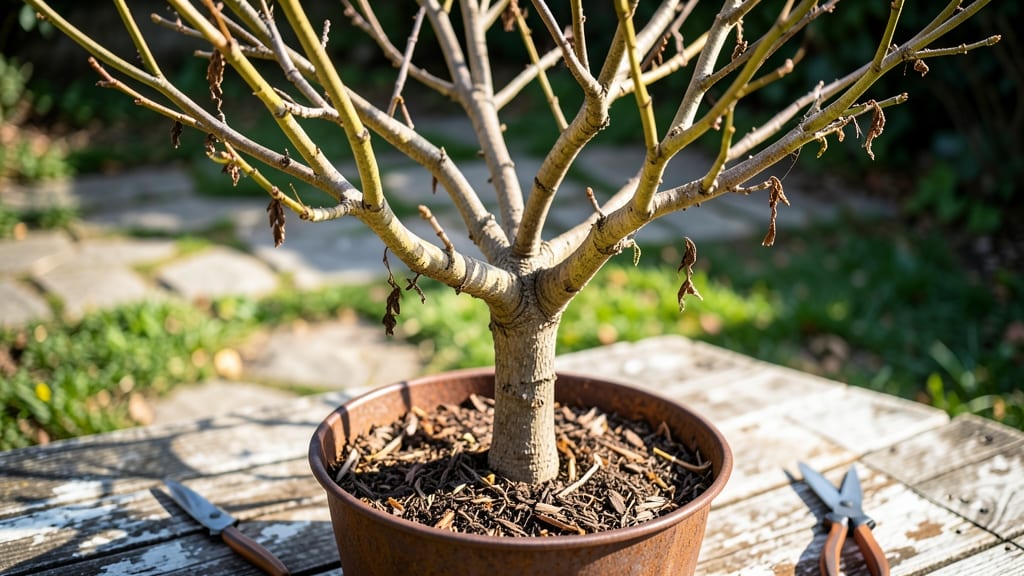
A lemon tree that’s lost all its leaves isn’t necessarily dead—it’s just in distress, and you can bring it back to life with the right care. 🌱 I’ve nursed back more than a few bare-branched trees by addressing the root cause, whether it’s overwatering, pests, or sudden temperature swings.
The key is acting fast and focusing on what your tree needs most right now.
Start by checking the soil moisture with your finger—if it’s soggy, you’re overwatering; if it’s bone-dry, you’re underwatering. Next, inspect the leaves (or what’s left of them) for tiny webs or sticky residue, which signals spider mites or scale insects.
Once you identify the problem, you’ll know exactly how to revive your tree—whether that means adjusting your watering schedule, applying neem oil, or moving it to a more stable spot.
📚 In This Guide
- What you need
- Instructions
- Tips and common mistakes
- Wrapping up and next steps
What you need
- ● Pruning shears or sharp scissors – Sterilized to prevent disease spread (alcohol wipe recommended).
- ● Balanced, citrus-specific fertilizer (e.g., 6-6-6 NPK ratio) – 1 tbsp per 1 gallon of water for foliar spray or soil application.
- ● Watering can with a fine rose nozzle – For gentle, deep hydration without damaging roots.
- ● pH testing kit – To check soil acidity (ideal range: 6.0–7.0 for lemons).
- ● Well-draining potting mix – Cactus/succulent blend + perlite (50/50 ratio) if repotting is needed.
- ○ Mulch (optional but helpful) – Organic options like bark chips to retain moisture (2–3 inches thick).
- ● Spray bottle – For misting leaves (use room-temperature water only).
- ● Hydrogen peroxide (3%) – 1 tsp per gallon of water for root soak (boosts oxygen uptake).
- ● Epsom salt – 1 tbsp per gallon for magnesium deficiency (if leaves are yellow with green veins).
- ● Grow lights or sunny windowsill – 6+ hours of indirect light daily for recovery.
- ● Humidity tray – Pebbles + water under the pot to increase air moisture.
How to bring back a lemon tree after leaf drop
Here's how I nursed my own citrus back to health—no fancy tools, just smart care.
🌿 Step 1: Diagnose and Adjust Watering Habits
First, check the soil 2 inches down—if it's bone dry, you've underwatered; if soggy, you've overdone it. Citrus hate soggy roots but also need consistent moisture. Water deeply until it drains from the bottom, then wait until the top 1-2 inches feel dry before watering again. I use my finger as a gauge—push it in and feel for moisture.
Here's the thing—lemon trees often drop leaves when stressed by inconsistent watering. If your tree lost leaves suddenly, it's likely a shock response. Start a strict watering schedule (every 5-7 days in summer, 10-14 days in winter) and stick to it. Too much or too little throws them into survival mode.
☀️ Step 2: Reintroduce Light Gradually
Move your tree to a spot with bright, indirect light—no harsh midday sun yet. If it's been in deep shade, transition it slowly: start with 2-3 hours of morning sun daily, then increase by 1 hour every 3 days until it gets 6+ hours of filtered light. Sudden sun exposure burns new growth, and your tree is already vulnerable.
Watch for new growth at the branches' tips—tiny green buds mean it's adjusting. If leaves yellow after repotting or moving, it's normal stress. But if they turn brown and crispy, you're moving it too fast. Patience here prevents permanent damage.
💧 Step 3: Fertilize Gently and Monitor for Pests
Wait 4-6 weeks after leaf drop before fertilizing—your tree needs to focus on recovery, not growth. Use a balanced citrus fertilizer (6-6-6 or 8-8-8 ratio) at half strength. Apply it to the soil, not the leaves, and water immediately to prevent root burn. I fertilize every 6-8 weeks during growing season (spring-fall) and stop in winter.
Inspect the branches for pests like aphids or spider mites—tiny webs or sticky residue mean trouble. Spray with water first to dislodge them, then use neem oil if needed. A healthy tree will bounce back faster, but pests drain what little energy it has left.
⏰ Step 4: Wait and Watch for New Growth
Give your tree 6-8 weeks to show signs of recovery. New leaves will appear first at the branch tips—watch for small, bright green buds that eventually unfurl. If no new growth appears after 8 weeks, reassess watering, light, and root health (tap the pot—if it's rock hard, roots may be rotting).
Real talk: Some trees take longer, especially if they've been neglected for months. But if you see even one new leaf, your efforts are working. Keep conditions stable—no more sudden changes—and your lemon tree will regain its lushness.
Tips & tricks for reviving a lemon tree after leaf drop
Common pitfalls—and how to sidestep every one when bringing your citrus back to life.
Soil Check Technique: When testing soil moisture in Step 1, use your finger to press about 2 inches down. The top 1-2 inches should feel dry to the touch, but don't let the soil become completely parched. I've seen people overcorrect by watering too much after leaf drop—this can cause root rot. Water until you see drainage from the bottom of the pot, then wait for that top layer to dry out again before repeating. This consistent moisture is key to preventing another leaf drop.
Light Transition Hack: For Step 2's gradual light introduction, I recommend placing your tree near an east-facing window first. Morning sun is gentler than afternoon rays, and this gives you a natural way to control exposure. If you don't have an east window, use sheer curtains to diffuse light during the initial 2-3 hour sessions. Watch closely for those tiny green buds—they're your signal that the tree is adapting safely.
Fertilizer Timing: The 4-6 week wait before fertilizing in Step 3 is crucial, but don't skip this step entirely. When you do fertilize, I like to mix a pinch of Epsom salt (magnesium sulfate) into the fertilizer. Citrus trees often develop magnesium deficiencies after stress, and this helps prevent yellowing between the leaf veins. Just use it sparingly—too much can be harmful.
Pest Prevention: In Step 3, while checking for pests, also inspect the undersides of branches and along the stems. I've found that spider mites love to hide in these spots, especially after a tree has lost its leaves. If you see any webbing, don't wait for neem oil—spray with water immediately to dislodge them. This early intervention gives your tree more energy to focus on regrowth rather than fighting off invaders.
Pro Tips for Lemon Tree Lost All Leaves
- Common pitfalls—and how to sidestep every one when bringing your citrus back to life.
- Soil Check Technique: When testing soil moisture in Step 1, use your finger to press about 2 inches down.
- Light Transition Hack: For Step 2's gradual light introduction, I recommend placing your tree near an east-facing window first.
Frequently asked questions
Got questions about why your lemon tree lost all its leaves? You're not alone! Here are some of the most common concerns and quick fixes to get your tree back on track.
Why did my lemon tree suddenly lose all its leaves?
A lemon tree typically drops leaves due to stress factors like overwatering, underwatering, extreme temperature shifts, pests (like spider mites), or root issues. Check the soil moisture and inspect for pests or signs of disease first—this is usually the root cause!
How long does it take for a lemon tree to regrow leaves after losing them?
With proper care, a healthy lemon tree can regrow leaves in 4-8 weeks, depending on the severity of the issue. Focus on consistent watering, sunlight (6+ hours/day), and nutrient-rich soil. Patience is key—new growth may start small but will strengthen over time!
Should I water my lemon tree differently after it loses leaves?
Adjust your watering routine: soak the soil deeply but infrequently (every 1-2 weeks, depending on climate). Let the top 2-3 inches dry out between waterings to prevent root rot. If the soil feels bone-dry, it’s underwatered; if soggy, it’s overwatered.
Can cold weather cause a lemon tree to lose all its leaves?
Yes! Lemon trees are tropical and struggle in temps below 40°F (4°C). If exposed to frost or chilly drafts, they may drop leaves as a survival tactic. Move potted trees indoors or protect outdoor ones with frost cloth until spring.
What can I do if my lemon tree won’t regrow leaves even after fixing the issues?
If your tree remains bare after 2-3 months of care, it may be root-bound or severely damaged. Try repotting (if potted) into fresh, well-draining soil or prune dead branches. If roots look mushy or black, root rot may have set in—trim affected areas and replant in sterile soil.
Still stumped? Snap a photo of your tree’s trunk, leaves (if any), and soil, and share it with a local nursery or gardening forum for expert advice!
Wrapping up and next steps
Don’t let a bare lemon tree discourage you—your citrus friend isn’t gone, just waiting for a little TLC! 🌱 With patience and the right care, you can nurse it back to health and enjoy fresh lemons again.
Start by acting fast—prune, water wisely, and protect it from stress, then monitor progress weekly.
Next, take a proactive step: check soil health and adjust sunlight exposure. If needed, consult a local arborist for tailored advice. Your lemon tree’s comeback is totally within reach—you’ve got this! 🍋✨