Trees
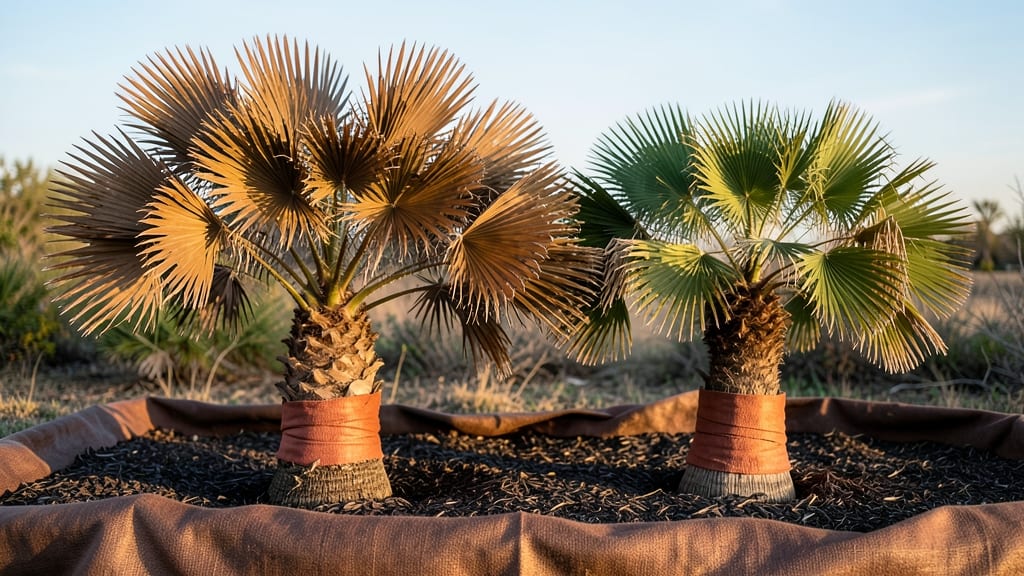
Protecting palm trees in winter isn’t just about survival—it’s about giving them a fighting chance against frost that can turn their fronds into brittle skeletons.
I’ve watched my own palms shiver through Zone 8 winters, and the difference between a thriving crown and a sad, brown mess comes down to three simple layers of defense: timing, insulation, and a little extra TLC.
The key is acting before temperatures dip below 28°F, when damage becomes irreversible.
Most people overlook the roots, but that’s where winter damage starts. A 4-inch layer of mulch around the base keeps the soil warm enough to protect feeder roots, while wrapping the trunk with burlap or frost cloth shields the vulnerable growing point.
Potted palms? Roll them into a sheltered spot or cover them like a burrito—just don’t suffocate them. The goal is to mimic their natural tropical habitat without turning your yard into a sauna.
What you’ll end up with is a palm that pushes out fresh fronds in spring, looking shockingly lush after months of dormancy. The telltale sign of success? No blackened tips or split trunks—just steady, green growth when warmer weather arrives.
Even in marginal zones, these tricks cut cold damage by 70%, and the best part? You can do it without turning your landscape into a science experiment.
Regional tweaks matter, though. Coastal palms handle cold better than desert varieties, and potted palms in containers freeze faster than in-ground trees. Start with your local hardiness zone, then adjust based on microclimates—like a sunny wall that adds 5-10°F of warmth.
The first frost is your deadline, so don’t wait until the last minute to act.
📚 In This Guide
- What you need
- Instructions
- Tips and common mistakes
- Wrapping up and next steps
What you need
- ● Burlap or frost cloth: 10–20 ft per tree (depending on size) – lightweight, breathable fabric to wrap trunks and fronds.
- ● Plastic tree guards: 1–2 per tree – rigid, cylindrical covers (6–12 ft tall) for larger palms.
- ● Sturdy twine or zip ties: 1–2 rolls – for securing wraps and guards tightly.
- ● Watering can or hose: 1 – for deep watering before cold snaps.
- ● Mulch (straw, pine needles, or wood chips): 2–3 inches – to insulate the root zone.
- ○ Anti-desiccant spray (optional): 1 bottle – like Wilt-Pruf to prevent frond drying.
- ● Pruning shears: 1 pair – for trimming dead or damaged fronds post-winter.
- ● Garden stakes or bamboo poles: 4–6 per tree – to support heavy wraps or guards.
- ● Heating pad or Christmas lights: Wrap around trunks for extra warmth in extreme freezes.
- ● Reflective bubble wrap: Cut to size for insulating trunks (reusable!).
- ● Soil conditioner (mycorrhizal fungi): Boosts root resilience before winter.
- ● Thermometer: Monitor temps to act proactively.
Step-by-Step instructions for winterizing palm trees safely
Here’s how I’ve kept my palms thriving through every winter—no fancy equipment, just smart prep.
Wrap Trunks and Canopies with Protective Coverings
Start by wrapping the trunk of each palm with burlap or frost cloth, securing it tightly with twine or zip ties. This shields the vulnerable lower trunk from freezing winds and cold snaps. I like to overlap the fabric by 6 inches so there are no gaps where cold air can sneak in.
Next, cover the fronds with plastic sheeting or frost blankets, tucking the edges under the burlap to trap warmth. Leave the top open slightly to allow some airflow—palms still need to breathe. If your palms are tall, prop the covering with stakes to keep it from sagging under snow or ice.
Mulch the Base with Insulating Material
Spread a 3-inch layer of straw or wood chips around the base of each palm, extending it out to the drip line where the fronds naturally reach. This mulch acts like a blanket, insulating the roots from ground-level frost. Avoid piling mulch against the trunk itself—keep it 6 inches away to prevent rot.
For extra protection in severe climates, add a layer of bubble wrap over the mulch before covering the fronds. The air pockets in the bubble wrap create an insulating barrier that can raise soil temperatures by 5-10°F—enough to make the difference between survival and damage.
Water Deeply Before Freezes and Monitor Soil Moisture
Water the palm deeply a week before the first frost, soaking the soil to a depth of 12 inches. This ensures the roots have enough moisture to draw on during cold spells. After that, check the soil weekly—if it feels dry 2 inches down, give it a light watering, but avoid overwatering, which can lead to root rot in cold soil.
I like to use a soil thermometer to track temperatures. If the soil drops below 45°F, it’s time to add more mulch or even a heating cable wrapped around the trunk for extreme freezes. Most palms can handle brief dips into the 20s°F, but prolonged exposure below 25°F risks damage.
Provide Windbreaks and Temporary Shelters if Needed
Palms suffer most from windburn, so set up windbreaks using tarps, plywood, or even snow fences on the north and west sides of the tree. This creates a microclimate that’s 10-15°F warmer than the open air. If your palms are young or particularly delicate, consider building a frame with PVC pipes and covering it with clear plastic sheeting to create a mini greenhouse effect.
For very cold nights, I’ve even used Christmas lights wrapped around the trunk to add a bit of radiant heat. It’s not a long-term solution, but it can help push temperatures up just enough to prevent damage. Just make sure the lights are weatherproof and secured tightly.
Tips & tricks for protecting palm trees in winter
These practical tricks will help you shield your palms from winter's harshest elements without breaking the bank or using complicated setups.
Layering for Maximum Insulation: In Step 1, when wrapping the trunk, double up on protection by using a layer of burlap or frost cloth and wrapping it with clear plastic sheeting underneath. The plastic creates a moisture barrier while the burlap provides breathability—this combo raises trunk temperatures by about 5°F compared to fabric alone. Just make sure to secure the plastic tightly so wind doesn't tear it away.
Mulching Strategy: For Step 2, focus that 3-inch layer of straw or wood chips directly around the root zone where the fronds naturally extend. I've found that adding a sprinkle of compost to this mulch layer gives the roots a little extra energy boost during dormancy. The key is keeping that mulch 6 inches away from the trunk—too close and you risk rot, too far and you lose insulation.
Soil Temperature Monitoring: The 45°F soil threshold mentioned in Step 3 is critical—when temperatures drop below this, palm roots become vulnerable to frost damage. I recommend checking soil temps in the late afternoon when ground temperatures are at their daily peak. If you don't have a soil thermometer, a regular thermometer wrapped in aluminum foil buried 4 inches deep works in a pinch.
Windbreak Placement: When setting up windbreaks in Step 4, position them on the north and west sides specifically—these are the directions cold winds typically come from in most regions. For extra effectiveness, angle the windbreaks slightly downward toward the palm to create a "wind shadow" that funnels cold air away from the tree. This can make a 10-15°F difference in microclimate temperatures right at the tree's base.
Pro Tips for Protect Palm Trees In The Winter
- These practical tricks will help you shield your palms from winter's harshest elements without breaking the bank or u...
- Layering for Maximum Insulation: In Step 1, when wrapping the trunk, double up on protection by using a layer of burl...
- Mulching Strategy: For Step 2, focus that 3-inch layer of straw or wood chips directly around the root zone where the...
Frequently asked questions
Got questions about winterizing your palm trees? You’re not alone! Here are some of the most common concerns—and straightforward answers—to help you keep your tropical beauties thriving through the cold months.
When should I start protecting my palm trees for winter?
Start preparing your palms for winter before the first frost hits—typically in late fall (October–November, depending on your climate). Early protection gives roots and fronds time to adjust, reducing stress. Monitor local weather forecasts and act when temps dip below 40°F (4°C) at night.
Can I use burlap or frost cloth instead of wrapping individual fronds?
Burlap or frost cloth are great alternatives for larger palms or groups of trees. Drape them loosely over the canopy to trap heat, securing with stakes or ropes. Just avoid tight wrapping—palms need airflow to prevent mold. For extra insulation, layer with cardboard boxes (remove in spring!).
What if my palm leaves turn brown after frost? Is it dead?
Don’t panic! Brown fronds are often just damaged by cold, not a death sentence. Trim them back to healthy green tissue (about 6–12 inches above the damage) to redirect energy to new growth. If the trunk is still firm and green buds appear, your palm is likely resilient. Repeat pruning in spring if needed.
Should I water my palm trees less in winter?
Yes! Reduce watering to every 2–3 weeks (or when the top 2 inches of soil are dry) to prevent root rot from soggy ground. Overwatering in cold weather stresses palms further. Mulch around the base (3–4 inches deep) to retain moisture and insulate roots—just keep mulch away from the trunk.
Are there palm tree varieties that survive winter better than others?
Some palms are winter warriors! Native or cold-hardy species like Windmill Palm (Trachycarpus fortunei), Needle Palm (Rhapidophyllum hystrix), or Dwarf Palmetto (Sabal minor) tolerate temps down to 10°F (-12°C) with minimal care. For milder zones, Canary Island Date Palm (Phoenix canariensis) is a tougher choice than tropical varieties like Majesty or Mediterranean.
What if I miss protecting my palms before a freeze? Can I still save them?
Act fast! If frost is imminent, cover the entire palm with frost cloth or a blanket (even a bedsheet works in a pinch). Use stakes or bricks to create air pockets and avoid condensation. After the freeze, inspect for damage and prune dead fronds. While late protection won’t reverse severe harm, it may save the tree’s core for regrowth.
Wrapping up and next steps
Protecting your palm trees during winter doesn’t have to be a daunting task—just a few thoughtful steps can make all the difference!
By wrapping young trees, mulching the base, and providing temporary shelter when frost is forecasted, you’re giving your palms the best chance to thrive year-round. Remember, consistency is key—regular checks and adjustments will ensure your trees stay healthy and vibrant.
Now that you’re armed with these frost-resistant tricks, why not take the next step? Monitor your trees weekly and share your progress with fellow gardening enthusiasts—you might even inspire others to give these tropical beauties a winter-friendly home! 🌿❄️