Trees
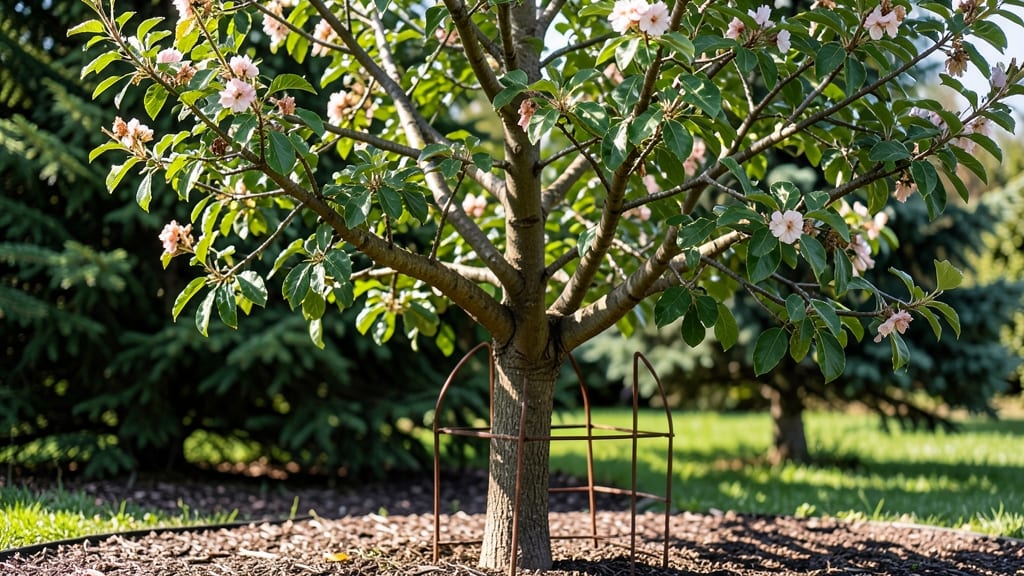
Cedar rust-resistant apple trees are the game-changer for gardeners who’ve lost battles with that ugly orange fungus. 🍎 After my third failed apple crop to cedar rust, I finally found the varieties that thrive—Liberty, Enterprise, and others—that actually produce fruit without constant spraying.
The secret isn’t just choosing the right trees; it’s understanding how to plant, prune, and care for them to keep rust at bay.
These varieties resist the disease naturally, but you still need to plant them away from junipers (the fungus’s host) and prune for airflow. With proper spacing and maintenance, you’ll see healthy trees bearing fruit within 3 years—no more wasted seasons.
The payoff? Juicy apples with minimal fuss, and a backyard orchard that actually works.
📚 In This Guide
- What you need
- Instructions
- Tips and common mistakes
- Wrapping up and next steps
What you need
- ● Cedar rust-resistant apple tree saplings: 3–5 disease-resistant varieties (e.g., Liberty, Enterprise, or Akane)
- ● 1–2 years old, bare-root or potted (check root health!)
- ● Planting site: Full sun (6+ hours/day), well-draining soil (pH 6.0–7.0)
- ● Space: 15–20 ft between trees (or 25+ ft for dwarf varieties)
- ● Tools: Shovel or trowel (for digging)
- ● Pruning shears (sterilized with rubbing alcohol)
- ● Garden hose or watering can (with 1–2 gallons capacity)
- ● Mulch (3–4 inches of wood chips or straw)
- ● Soil amendments (if needed): Compost (5–10 lbs per hole) or organic matter (e.g., aged manure)
- ● Lime (if soil pH is too acidic; test kit recommended)
- ● Tree supports: Stakes or cages (for young trees in windy areas)
- ● Fertilizer: Slow-release organic fertilizer (e.g., 10-10-10 NPK)
- ● Disease prevention: Copper fungicide (for preemptive rust protection)
- ● Soil test kit: To analyze nutrient levels before planting
- ● Drip irrigation system: For consistent watering (especially in dry climates)
Step-by-step guide to planting cedar rust resistant apple trees
Here's how to establish a thriving, disease-resistant orchard with minimal fuss.
🌱 Step 1: Choose and Prepare the Planting Site
Select a location with full sun exposure (at least 6-8 hours daily) and well-draining soil. Cedar rust-resistant varieties like 'Liberty' or 'Enterprise' need space—plant trees 25-30 feet apart to allow proper airflow and reduce disease spread. Avoid areas where junipers or cedar trees grow nearby, as they host the fungus that causes cedar rust.
Test your soil's pH—apple trees thrive in slightly acidic to neutral soil (6.0-7.0). If your soil is too alkaline, amend it with 2-3 pounds of sulfur per 100 square feet and mix it into the top 12 inches of soil. Work the area thoroughly with a broadfork or tiller to loosen compacted soil, creating a welcoming environment for roots.
🪴 Step 2: Plant Trees at the Right Time and Depth
Plant your trees in early spring or fall, when temperatures are mild and rainfall is consistent. Dig a hole twice as wide as the root ball but no deeper—this encourages roots to spread outward rather than settling too low. Place the tree so the graft union (visible bump near the base) sits 2-3 inches above ground level to prevent rot.
Remove the tree from its container and gently loosen any circling roots with your fingers. Position it in the hole and backfill with native soil, tamping lightly every 6 inches to eliminate air pockets. Water deeply to settle the soil, then create a 4-inch-high berm around the perimeter to direct water toward the roots. Mulch with 3-4 inches of organic mulch (like wood chips) and keep it 6 inches away from the trunk to prevent rot.
☀️ Step 3: Provide Support and Early Care for Strong Growth
Stake young trees if needed—drive a 4-6 foot stake into the ground 4-6 inches from the trunk and secure the tree with a soft tree tie (never use wire). This prevents wind damage while allowing natural movement. Water deeply once a week during the first growing season, providing 10-15 gallons per tree to encourage deep root development. You’ll know you’re doing it right when the soil feels moist 6 inches down after watering.
Prune only to remove dead, broken, or crossing branches—avoid heavy pruning in the first year. Focus on shaping the tree to open its center for better airflow, which is key to preventing fungal diseases. Apply a 2-3 inch layer of compost around the drip line (outer edge of the tree’s branches) in early spring to nourish the soil without competing with the tree for nutrients.
✂️ Step 4: Monitor for Disease and Maintain Long-Term Health
Inspect trees weekly in spring for signs of cedar rust—look for orange pustules on leaves or yellow spots that eventually turn brown. If you spot these, prune and destroy infected leaves immediately. Spray with a copper fungicide (like copper sulfate) every 2-3 weeks during wet seasons to prevent spores from taking hold. Resistant varieties like 'Enterprise' rarely show symptoms, but vigilance ensures your orchard stays healthy.
Thin fruit in late spring when apples are golf-ball sized—leave 6-8 inches between fruits to reduce disease pressure and improve size. Harvest in late summer or fall, depending on the variety, and store apples in a cool, humid (85-90% humidity) space to extend shelf life. Prune annually in late winter to remove suckers, water sprouts, and dead wood, keeping the tree open and well-ventilated.
Tips & tricks for perfect cedar rust resistant apple trees
A few key strategies will help your disease-resistant orchard thrive from day one.
Sunlight Strategy: Those 6-8 hours of daily sun aren't just a suggestion—they're non-negotiable for healthy growth. I've seen trees struggle in partial shade, even resistant varieties. If your yard has areas with less sun, consider using dwarf varieties like 'Liberty' that can tolerate slightly less light while still maintaining their resistance. The key is to plant where the sun hits hardest, especially in morning hours when dew is present.
Soil Preparation Insight: The 2-3 pounds of sulfur per 100 square feet is your secret weapon against alkaline soil. I recommend doing a soil test first—many garden centers offer this service for about $20. If you find your pH is already in the 6.0-7.0 range, you can skip the sulfur and focus on adding organic matter instead. The goal is to create that perfect balance where roots can thrive without stress.
Planting Depth Tip: That 2-3 inch graft union position above ground is crucial—it's the tree's genetic insurance policy against rot. I've seen beginners bury the graft union too deep, which can lead to weak growth or even tree death. Use a small stake to mark the correct depth before planting, and double-check after backfilling. This small detail makes all the difference in long-term health.
Watering Wisdom: The 10-15 gallons per tree weekly might sound like a lot, but it's essential for establishing deep roots. Here's my trick: water in the morning so the foliage has time to dry, reducing fungal risks. Use a rain gauge or tuna can to measure—you'll be surprised how much water those young trees actually need. The soil should stay moist 6 inches down, not just at the surface.
Pro Tips for Cedar Rust Resistant Apple Trees
- A few key strategies will help your disease-resistant orchard thrive from day one.
- Sunlight Strategy: Those 6-8 hours of daily sun aren't just a suggestion—they're non-negotiable for healthy growth.
- Soil Preparation Insight: The 2-3 pounds of sulfur per 100 square feet is your secret weapon against alkaline soil.
Frequently asked questions
Got questions about growing cedar rust-resistant apple trees? You’re not alone! Here are answers to the most common concerns to help you build a thriving, disease-free orchard with ease.
What are the best cedar rust-resistant apple varieties for my climate?
Choose varieties bred for your hardiness zone, like Liberty, Enterprise, or Akane. These hybrids resist cedar-apple rust (CAR) while thriving in zones 4–8. Check local nurseries or extension offices for region-specific recommendations to ensure optimal growth and fruit quality.
How long does it take for these trees to bear fruit?
Dwarf or semi-dwarf cedar rust-resistant apple trees typically bear fruit in 2–4 years, while standard-size trees may take 4–6 years. Proper care—like pruning, watering, and soil health—speeds up fruiting. Patience pays off with delicious, rust-free apples!
Can I plant cedar rust-resistant apple trees near existing cedars?
While these trees are resistant, minimize proximity to cedars (keep at least 50–100 feet apart) to reduce spores. Remove infected cedar branches promptly if rust appears. Healthy spacing + resistant varieties = fewer headaches!
What if my tree still gets cedar rust? How do I treat it?
Even resistant varieties can show mild symptoms. Prune infected branches immediately, sterilize tools with bleach, and apply copper fungicide (like Copper Soap) in spring and fall. Avoid overwatering to reduce fungal spread.
Are cedar rust-resistant apple trees more expensive?
Yes, they cost $30–$80 more than conventional varieties, but the long-term savings on fungicides and tree replacements justify the price. Budget for 3–5 trees (for pollination) and prioritize certified disease-resistant stock from reputable nurseries.
Wrapping up and next steps
Planting cedar rust-resistant apple trees is a game-changer for orchard lovers—no more worrying about fungal threats ruining your harvest! 🍏🌱 By choosing the right varieties, preparing your soil, and following best practices, you can enjoy a thriving, disease-proof orchard in just three years.
The key? Patience, preparation, and the perfect mix of science and care.
Now that you’re armed with the know-how, it’s time to take action! Start by ordering your resistant saplings or sourcing them locally, then mark your calendar for planting season. Your future orchard—and crisp, homegrown apples—will thank you! 🌟