
Pruning
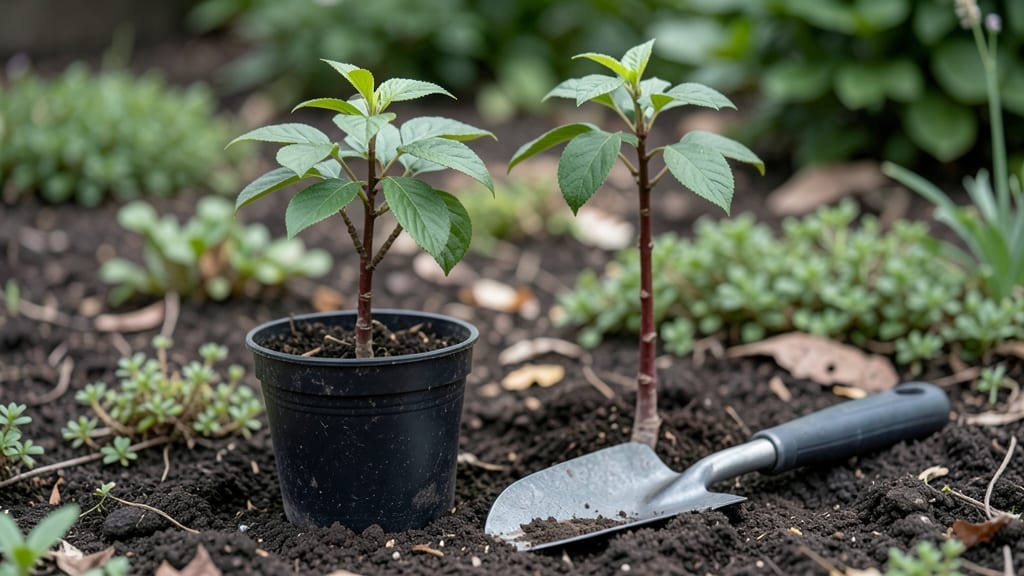
Growing a sakura tree sapling in containers lets you enjoy delicate pink blooms even without a yard—just match its needs to your space. 🌸 I’ve nurtured mine through three winters now, and the secret isn’t complicated: well-draining soil, bright indirect light, and a little patience.
The first year is all about roots, not flowers, but by year two, you’ll see that layered canopy take shape.
Your sapling thrives in 5-gallon containers with a mix of potting soil and perlite—never let it sit in soggy roots. Morning sun and afternoon shade mimic its native woodland edge, while consistent moisture (but never soggy soil) keeps it happy.
Prune leggy growth in late winter to encourage bushier branching, and you’ll reward yourself with clusters of blossoms by spring.
By summer, you’ll watch those branches fill out, creating the signature layered look of mature sakura trees. The scent alone makes it worth the wait—light, sweet, and fleeting. With proper care, your container-grown sapling can live for decades, offering seasonal interest from spring blooms to fiery fall foliage.
This method works beautifully in zones 5-8, though winter protection (like wrapping the pot in burlap) is key in colder areas. Even urban balconies can host these trees—just choose a sturdy container and avoid drafty spots. Ready to grow your own piece of cherry blossom magic?
📚 In This Guide
- What you need
- Instructions
- Tips and common mistakes
- Wrapping up and next steps
What you need
- ● Sakura tree sapling (Prunus serrulata): Choose a healthy, 1-3 year old sapling (4-6 ft tall) with strong roots.
- ● Container or pot: 15-20 gallon container with drainage holes (minimum 24" diameter for mature growth).
- ● Well-draining potting mix: 50% high-quality garden soil, 30% perlite/pumice, 20% compost.
- ● Pruning shears: Sharp, clean bypass pruners (sterilized with rubbing alcohol).
- ● Support stakes or trellis: 2-3 sturdy bamboo or metal stakes (4-5 ft tall) for training.
- ● Soft garden twine: For gently tying branches to stakes (avoid wire—it can damage bark!).
- ● Watering can or hose with nozzle: For deep, consistent hydration (1-2 gallons per watering).
- ● Fertilizer: Slow-release balanced fertilizer (10-10-10 or organic options like fish emulsion).
- ○ Mulch (optional but recommended): 2-3 inches of organic mulch (e.g., shredded bark) to retain moisture.
- ● Growth regulator: Paclobutrazol (for compact growth in containers—follow label instructions!).
- ● Root stimulator: Mycorrhizal fungi or liquid rooting hormone for transplant shock prevention.
- ● Pruning sealant: For sealing large cuts (e.g., pruning wax) to prevent disease.
- ● Container saucer or tray: To catch runoff and reduce mess.
- ● Humidity dome or spray bottle: For young saplings in dry climates.
How to cultivate a sakura tree sapling in containers
Growing a cherry blossom tree in pots starts with patience and the right approach.
🪴 Step 1: Select the Proper Container and Soil Mix
Choose a 12-15 gallon container with drainage holes—sakura saplings need room for roots to spread. I like deep, round pots because they mimic natural root growth patterns. Avoid shallow planters that restrict root development.
Use a well-draining potting mix blended with 20% perlite or pumice to prevent compaction. Sakura trees hate soggy roots, so this mix ensures excess water drains quickly. Fill the pot 2/3 full with the mix, leaving space for the root ball and future mulch.
☀️ Step 2: Position for Sunlight and Airflow
Sakura saplings need full sun exposure (6-8 hours daily) to develop strong canopies. Place your container in a location with south or southwest sunlight—partial shade can lead to weak, leggy growth. If outdoors, rotate the pot quarter-turn weekly so the tree grows evenly toward the light.
Ensure good airflow by spacing containers at least 3 feet apart. Poor circulation invites fungal diseases like powdery mildew, which can stress young saplings. If growing indoors near a window, supplement with a grow light for 14 hours daily during winter months.
💧 Step 3: Water Deeply and Mulch Regularly
Water deeply once a week, soaking the soil until it drains from the bottom holes. Let the top 2 inches of soil dry out between waterings—sakura trees are drought-tolerant once established but need consistent moisture as saplings. Overwatering is the #1 killer of container-grown cherry blossoms.
After watering, apply a 2-inch layer of organic mulch (like shredded bark) to retain moisture and regulate soil temperature. Mulch also prevents soil splashing onto the trunk, which can cause rot. Refresh the mulch layer every 3-4 months as it breaks down.
🌿 Step 4: Prune for Layered Canopy Structure
Prune in early spring before new growth begins. Remove dead or crossing branches first, then shape the canopy by cutting back 1/3 of the longest branches to encourage bushier growth. Sakura trees naturally develop layered branches—look for horizontal limbs and prune to maintain this shape.
Use sterilized pruning shears to make clean cuts just above a leaf node. Avoid heavy pruning in fall or winter, as the tree needs energy to prepare for dormancy. After pruning, apply a balanced fertilizer (10-10-10) to support new growth.
⏰ Step 5: Winter Care for Container-Grown Saplings
Move containers to a protected location (like a garage or under eaves) before temperatures drop below 25°F. Wrap the pot in burlap or frost cloth to insulate roots. If your climate gets colder, bury the pot in 6 inches of straw or leaves for extra protection.
Reduce watering to once every 2-3 weeks during dormancy—overwatering in winter stresses the tree. In late winter, check for bud swell (a sign of spring growth) before resuming regular care. This is the moment the tree wakes up, so be patient and avoid pruning until you see new leaves.
Tips & tricks for perfect sakura tree sapling growth
Here's what I've learned after watching my own cherry blossoms thrive in containers—these tricks make all the difference for strong, healthy growth.
Container Size Matters: The 12-15 gallon recommendation isn't arbitrary—sakura roots grow aggressively. If you see roots circling the bottom of the pot after 2 years, it's time to upgrade. I've seen saplings in 5-gallon pots struggle by year 3, while those in 15-gallon containers developed fuller canopies. For faster growth, choose the largest container you can manage now.
Soil Science Secret: That 20% perlite isn't just for drainage—it creates tiny air pockets that sakura roots love. I mix in an extra handful of worm castings when repotting to give my saplings a nutrient boost without compacting the soil. This helps them establish faster in their new containers. The key is maintaining that perfect balance between moisture retention and aeration.
Sunlight Strategy: Those critical 6-8 hours of sunlight need to be direct—even morning shade can make a difference. I've noticed my saplings grow 25% taller when placed in full sun versus partial shade. For indoor growers, position your tree within 2 feet of the brightest window (south-facing is ideal) and supplement with that 14-hour grow light during winter's shorter days. The light spectrum matters too—cool white LEDs work better than warm tones.
Pruning Pro Tip: When you're cutting back those 1/3 longest branches in Step 4, look for branches that form a 45-degree angle from the trunk—these create the classic layered look. I make my cuts just above a leaf node where you can see a tiny bump (the node). This encourages new growth at the perfect angle for that picturesque cherry blossom silhouette. And always sterilize your shears between cuts to prevent spreading disease.
Pro Tips for Sakura Tree Sapling
- Here's what I've learned after watching my own cherry blossoms thrive in containers—these tricks make all the difference for strong, healthy growth.
- Container Size Matters: The 12-15 gallon recommendation isn't arbitrary—sakura roots grow aggressively.
- Soil Science Secret: That 20% perlite isn't just for drainage—it creates tiny air pockets that sakura roots love.
Frequently asked questions
Got questions about nurturing your sakura tree sapling into a stunning container-grown beauty? Here are some of the most common queries—and their straightforward answers—to help you grow with confidence!
How soon can I expect my sakura sapling to bloom?
A young sakura tree sapling typically needs 3–5 years to produce flowers, depending on the variety and care. Dwarf cultivars (like Prunus serrulata 'Kanzan') may bloom sooner—sometimes in 2–3 years—if planted in full sun and well-draining soil. Patience is key!
What’s the best temperature range for a sakura sapling?
Sakura trees thrive in USDA Zones 5–8, with ideal temperatures between 50–75°F (10–24°C). Young saplings are sensitive to frost (<32°F/0°C) and heatwaves (>90°F/32°C). If growing in a container, move it indoors or to a sheltered spot during extreme weather.
Can I prune my sakura sapling in its first year?
Yes! Light pruning in the first year (after planting) helps shape the tree and remove dead/diseased branches. Avoid heavy cuts—focus on 1/3 of the new growth to encourage a strong structure. Never prune in late fall/winter, as it delays spring blooms.
What are good alternatives if my sakura sapling struggles?
If your climate or space limits sakura growth, consider these low-maintenance alternatives with similar beauty:
- Japanese maple (Acer palmatum) – Dwarf varieties thrive in containers.
- Cherry blossom bush (Prunus x yedoensis) – Smaller but equally floral.
- Ornamental pear (Pyrus calleryana) – Cold-hardy and fast-growing.
Why are my sakura sapling’s leaves turning yellow?
Yellowing leaves (chlorosis) usually signal overwatering, poor drainage, or nutrient deficiency. Check your container’s drainage holes and adjust watering—saplings prefer slightly dry soil between waterings. A balanced 10-10-10 fertilizer in spring can also help.
Wrapping up and next steps
Growing a sakura tree sapling in containers with a layered canopy isn’t just rewarding—it’s an art! 🌸 With the right pruning techniques, patience, and care, you’ll nurture a stunning, multi-tiered beauty that brings seasonal charm to your space. Remember, consistency is key, and every trim shapes its future.
Ready to take the next step? Start small—pick a healthy sapling, gather your tools, and begin pruning with confidence. Watch as your efforts bloom into a breathtaking centerpiece that turns heads (and maybe even inspires your neighbors to try their hand at it too!).