
Pruning
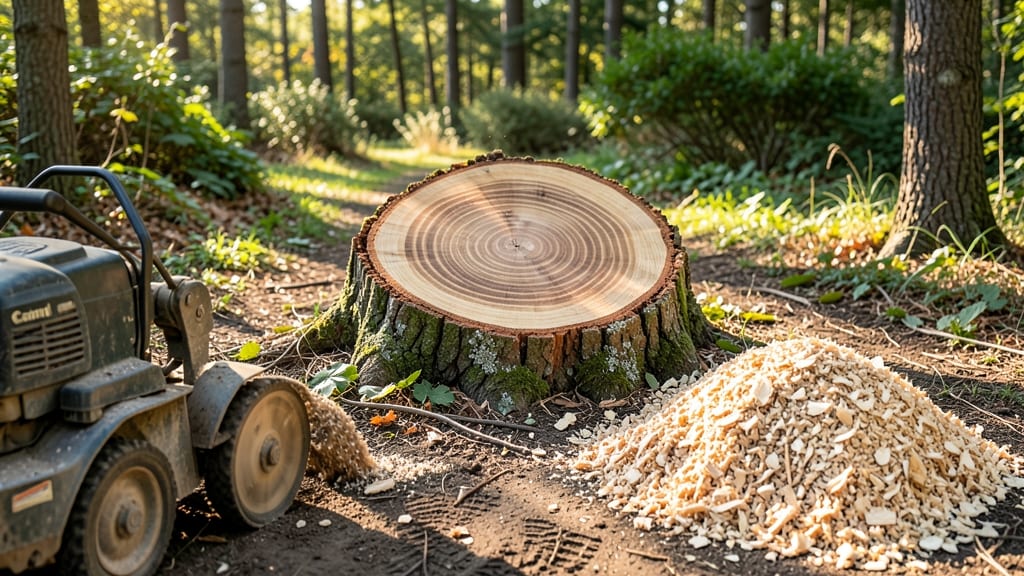
Tree stump disposal doesn’t have to be a chore—eco-friendly chipping turns that eyesore into mulch faster than you’d think. 🌿 I’ve removed dozens of stumps myself, and the right method saves time, money, and the headache of digging.
The key is choosing between grinding, digging, or chemical decomposition based on stump size and your tools.
You’ll need basic tools like a chainsaw, stump grinder, or even a post hole digger, plus safety gear—gloves, goggles, and ear protection. For small stumps, a sharp shovel and some elbow grease work in under an hour.
Larger ones? Renting a stump grinder for 30 minutes of work turns the stump into wood chips ready for mulch or compost.
What you end up with is a clean, usable space—no more tripping hazard or eyesore. The wood chips can feed your garden, while the open area is perfect for new plantings or a fresh garden design. Plus, you skip the landfill trip and keep your yard looking intentional.
Whether you’re prepping for a new tree, garden bed, or just tidying up, this method works for any yard size. Let’s get that stump gone for good—safely and sustainably.
📚 In This Guide
- What you need
- Instructions
- Tips and common mistakes
- Wrapping up and next steps
What you need
- ● Stump Grinder: Rent or purchase a gas-powered or electric stump grinder (14"–20" cutting diameter recommended for most stumps). Pro tip: Check the manual for weight limits if your stump is large!
- ● Safety Gear: Goggles (ANSI-rated for debris protection)
- ● Heavy-duty gloves (cut-resistant, like mechanics’ gloves)
- ● Ear protection (30+ dB noise reduction)
- ● Long sleeves/pants (to avoid splinters or flying chips)
- ● Shovel: A flat-headed, heavy-duty shovel (for digging around the stump if needed).
- ● Wheelbarrow or Tarp: To haul away wood chips or debris (at least 2–3 cubic feet capacity).
- ● Rake: A stiff-bristle garden rake for clearing loose soil or small debris.
- ● Stump Removal Chemicals: Non-toxic stump remover (if you prefer a slower, chemical breakdown method).
- ● Chainsaw: Only if you plan to cut the stump down first before grinding (ensure you have a sharp chain and safety chaps!).
- ● Post-Hole Digger: For creating a planting hole if you’re turning the stump into a garden feature.
- ● Compost Bin: To repurpose wood chips into nutrient-rich mulch for your yard.
- ● Extension Cord/Power Source: If using an electric stump grinder, ensure it’s outdoor-rated and long enough (50+ feet).
- ● Check Local Regulations: Some areas require permits for large stump removal or have rules on wood chip disposal.
- ● Clear the Area: Remove rocks, roots, or obstacles within a 3-foot radius of the stump.
- ● Weather Check: Avoid grinding in wet or icy conditions—dry stumps chip easier!
- ● Neighbor Notification: Give a heads-up if your project might disturb others (🎯 noise, dust, or debris).
Step-by-step instructions for eco-friendly stump removal
Here's how to turn that eyesore into mulch in under 30 minutes.
✂️ Step 1: Gather the Right Tools and Safety Gear
First, grab your stump grinder—renting one from a hardware store is the easiest option. You'll also need heavy-duty work gloves, safety goggles, and ear protection (stump grinders are loud!). I always wear long sleeves and pants to avoid scrapes from flying wood chips.
Check the stump's diameter—most grinders handle up to 12 inches. If yours is larger, you may need to rent a commercial-grade machine or call a professional. Clear the area of rocks, debris, and pets before starting. I like to mark a 3-foot radius around the stump with spray paint to keep myself and bystanders safe.
💧 Step 2: Prep the Stump for Grinding
Water the stump 24 hours before grinding if it's dry. This prevents dust explosions and makes the wood easier to chip. Soak the area until the wood feels damp but not soggy. For stubbornly dry stumps, I use a garden hose on a gentle setting to avoid washing away soil.
Next, remove any loose bark or debris from the top of the stump with a pruning saw or hatchet. This helps the grinder bite deeper right away. If the stump has rotten wood, wear a dust mask—spores can irritate lungs. I always check for mushrooms or soft spots first; those signal decay you’ll want to avoid inhaling.
🪴 Step 3: Operate the Stump Grinder Safely
Start the grinder and let it reach full speed before approaching the stump. Keep your hands and feet at least 3 feet away from the cutting area—chips fly fast! I position myself to the side of the stump, not directly in front, to avoid kickback. Move slowly, guiding the grinder in small, overlapping passes to create a smooth surface.
For stumps wider than 6 inches, work in concentric circles, gradually reducing the diameter. Pause occasionally to check the grinder’s oil level and clear debris from the cutting teeth. If the machine stalls or vibrates excessively, shut it off immediately and inspect for obstructions. Real talk: I’ve seen grinders jam on buried roots—always check the ground before starting.
🌱 Step 4: Collect and Repurpose the Chips
Once the stump is reduced to 2–3 inches below ground level, shut off the grinder and let it cool for 5 minutes. Use a shovel or rake to gather the wood chips into a pile. For eco-friendly use, spread them around garden beds as mulch—they break down slowly and retain moisture. I’ve used stump mulch to suppress weeds and protect plant roots in winter.
If you’re not using the chips immediately, store them in a heavy-duty trash bag or wood chip bin in a dry area. Avoid burning them unless they’re completely dry, as green wood smokes poorly. Here’s the thing—those chips are free fertilizer for your garden, so don’t toss them!
Tips & tricks for eco-friendly stump removal
A few simple tricks will help you tackle that stump safely and efficiently in under 30 minutes.
Safety First: The 3-foot safety radius I mentioned is non-negotiable—chips can fly up to 15 feet from the grinder. I've seen people get hit by debris even when standing back, so always keep kids and pets well clear. Wear your safety goggles even if you think you don't need them; wood chips can cause serious eye injuries at high speeds.
Grinder Prep: Before you even start, check your grinder's oil level and sharpen the cutting teeth if they look dull. A well-maintained grinder works faster and with less vibration. I always do a quick test run in the air to make sure everything spins freely before approaching the stump. This prevents frustrating jams mid-project.
Wood Chip Strategy: For stumps wider than 6 inches, work in layers—reduce the diameter by about 2 inches per pass. This creates smaller, more manageable chips that are perfect for mulch. The 5-minute cool-down period is crucial too; it prevents the chips from sticking to the grinder teeth and lets you handle them safely with your hands.
Optional Add-On: If you're dealing with a particularly large stump, consider renting a stump splitter first to break it into smaller sections. This makes the grinding process much faster and reduces strain on your grinder. Just make sure to follow the same safety precautions when using the splitter.
Pro Tips for Tree Stump Disposal
- A few simple tricks will help you tackle that stump safely and efficiently in under 30 minutes.
- Safety First: The 3-foot safety radius I mentioned is non-negotiable—chips can fly up to 15 feet from the grinder.
- Grinder Prep: Before you even start, check your grinder's oil level and sharpen the cutting teeth if they look dull.
Frequently asked questions
Got questions about tree stump disposal? You’re not alone! Here are some of the most common concerns—and straightforward answers—to help you tackle this task like a pro.
How soon after cutting a tree can I remove the stump?
You can remove a stump as soon as the tree is cut down, but waiting 1–2 weeks lets the stump dry out slightly, making it easier to grind or dig up. If you’re using a stump grinder, fresh stumps work fine—just ensure the area is clear of debris for safety.
Is it better to grind or dig out a stump?
Grinding is the fastest and most eco-friendly option (turning it into mulch!), taking just 30 minutes or less. Digging is labor-intensive but ideal for small stumps or if you plan to repurpose the wood. For most homeowners, grinding wins for convenience and sustainability.
How much does professional stump removal cost?
Costs vary by stump size and location, but expect to pay:
- $100–$200 for small stumps (under 6 inches in diameter).
- $200–$400 for medium stumps (6–12 inches).
- $400–$800+ for large or deeply rooted stumps.
Can I reuse the wood chips from grinding?
Wood chips from grinding are nutrient-rich and perfect for:
- Mulch in gardens or flower beds.
- Pathway fill in landscaping projects.
- Compost material (if the tree wasn’t diseased or treated with chemicals).
What should I do if the stump won’t grind or keeps growing back?
If grinding stalls, check for hidden roots or rocks—shift the grinder slightly or use a pickaxe to clear obstructions. For regrowth (sprouting), apply stump grinder or vinegar to the cut face to kill remaining roots. If the stump is too hard (like oak or hickory), pre-drill holes to help the grinder.
Wrapping up and next steps
Disposing of a tree stump doesn’t have to be a hassle—especially when you choose an eco-friendly method like chipping!
With the right tools and a little effort, you can turn a stubborn stump into mulch or compost in under 30 minutes. 🌱 Not only does this save time and money, but it also benefits your garden and the planet.
Ready to tackle that stump? Grab your gear, follow the steps, and reclaim your yard with confidence! For extra help, check out local tree service pros or eco-friendly disposal options in your area.