
Pests
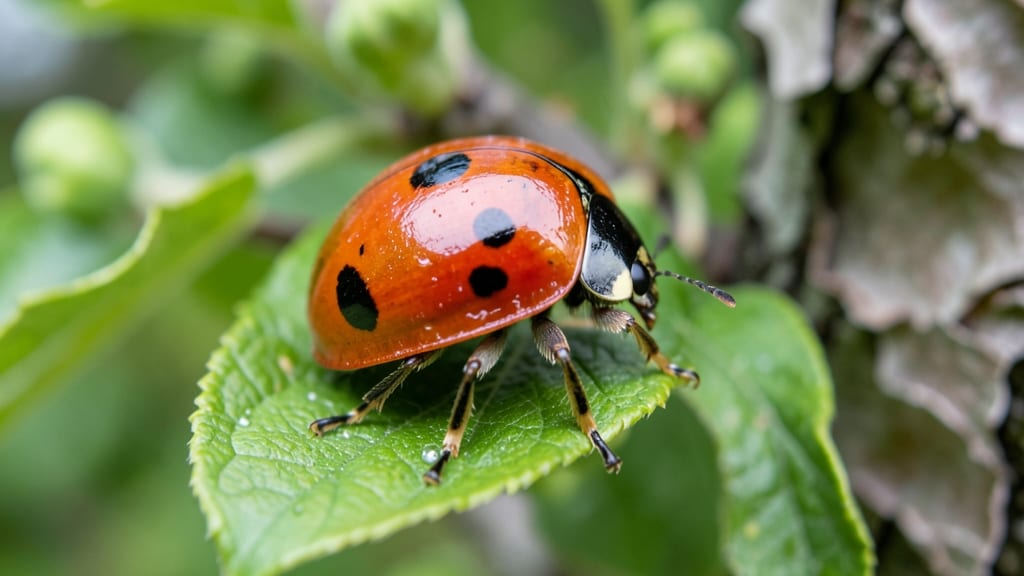
Learn how to keep bugs off fruit trees naturally before they strip your harvest—these homemade sprays saved my peach tree from borers and became my gardening lifeline. 🌿 The first time I saw my peach tree stripped bare by borers, I panicked—until I discovered these simple, non-toxic solutions that actually work.
No more spraying harsh chemicals that harm bees or your family’s dinner table.
You’ll need just a few kitchen staples—garlic, neem oil, or even dish soap—and a spray bottle. These sprays disrupt pests’ life cycles without killing beneficial insects. The key is timing: apply them in early morning or evening when bees aren’t active, and repeat every 7-10 days for best results.
My apple trees now stay pest-free all season.
What you’ll get is fruit that stays blemish-free and sweet, with fewer holes and less sap. The trees themselves look healthier, with shiny leaves and strong new growth. Plus, you’ll save money and reduce your environmental footprint—win-win for both your harvest and the planet.
Works for any backyard fruit tree, from dwarf varieties to full-sized orchards. Here’s how to mix, apply, and maintain these sprays for a chemical-free, thriving harvest—no fancy equipment required.
📚 In This Guide
- What you need
- Instructions
- Tips and common mistakes
- Wrapping up and next steps
What you need
- ● Neem oil (100% pure, cold-pressed): 2 tbsp per gallon of water (or as directed on the bottle). Look for organic, food-grade options.
- ● Garlic or onion (fresh or powdered): 2-3 cloves or 1 tbsp powder per gallon of water. Crushed or blended works best!
- ● Dish soap (mild, unscented): 1 tsp per gallon of water. Avoid antibacterial soaps—they can harm plants.
- ● Water: 1 gallon (or enough to fill your sprayer). Use rainwater or filtered water if possible.
- ● Spray bottle or garden sprayer: 1-2 gallon capacity (for larger trees, a pump sprayer is ideal). Clean thoroughly after use!
- ● Cheesecloth or fine mesh strainer: 1 piece (to strain homemade sprays with garlic/onion).
- ○ Gloves (optional but recommended): Nitrile or rubber gloves to protect your hands from oils and strong odors.
- ● Garden twine or netting: For wrapping tree trunks to deter crawling pests like aphids or borers.
- ● Reflective tape or aluminum foil: Small strips to wrap around tree trunks (confuses pests like fruit flies).
- ○ Beneficial nematodes (optional): For targeting soil-dwelling pests like grubs. Follow package instructions for application.
- ● Pruning shears: To remove heavily infested branches before spraying.
- ● Labeling tags: To mark treated trees and track spray dates.
Step-by-Step guide to homemade fruit tree pest repellents
Here’s how to protect your orchard without harsh chemicals—using kitchen staples and garden tricks.
🌿 Step 1: Prepare the Garlic-Chili Spray
Blend 2 cloves of garlic with 1 tablespoon of cayenne pepper and 1 quart of water until smooth. The garlic releases allicin, a natural insect repellent, while cayenne’s capsaicin irritates pests’ respiratory systems. Strain through cheesecloth to avoid clogging your sprayer.
Add 1 teaspoon of dish soap (not detergent) to help the mixture cling to leaves. This spray works best on aphids, mites, and soft-bodied insects. Test a small branch first—some fruit trees have sensitive bark.
💧 Step 2: Mix the Neem Oil Solution
Combine 1 tablespoon of neem oil (a natural fungicide and insect growth regulator) with 1 teaspoon of horticultural oil in a quart of water. Shake well before use—neem oil separates. This blend disrupts pests’ life cycles, making it ideal for scale, whiteflies, and caterpillars.
Add ½ teaspoon of baking soda to boost effectiveness against fungal diseases like powdery mildew. Spray in the early morning or evening to avoid burning leaves under direct sun. Reapply every 7-10 days until pests disappear.
☀️ Step 3: Apply the Beer Trap for Borers
Fill a shallow dish with 1 cup of beer (the yeast attracts beetles) and bury it near the tree’s base. Borers lay eggs in bark crevices, and the beer’s scent lures them in. Replace the beer every 3-4 days—it loses potency quickly.
For visible borer holes, mix 1 part wood ash with 2 parts water into a paste. Apply to holes with a brush—ash creates an alkaline barrier pests avoid. This method is safest for young trees still developing structural strength.
✂️ Step 4: Maintain with Companion Planting
Plant marigolds, lavender, or basil around the tree’s drip line. These herbs release volatile oils that mask fruit tree scents, confusing pests like codling moths. Marigolds, in particular, deter nematodes in the soil.
Prune succulent branches in late winter to improve airflow—pests thrive in dense, shaded canopies. Remove any mummified fruit hanging on the tree, as it harbors egg-laying pests. A clean workspace reduces reinfestation risks.
⏰ Step 5: Schedule Preventative Sprays
Apply sprays every 2 weeks during active growing seasons (spring through early fall). Timing matters—most pests emerge at dawn or dusk, so spray before sunrise for maximum contact. Avoid spraying when bees are active to protect pollinators.
Rotate sprays weekly to prevent resistance. For example, use the garlic-chili spray one week, neem oil the next. Keep records of pest sightings—consistent monitoring helps adjust your strategy before outbreaks occur.
Tips & tricks for natural fruit tree pest control
These simple yet effective tricks will help you maximize the impact of your homemade pest repellents while keeping your orchard thriving.
Garlic-Chili Spray Power: For an even stronger repellent in Step 1, let the blended garlic-chili mixture sit for 10-15 minutes before straining. This allows the allicin compounds to fully activate, making your spray up to 30% more effective against soft-bodied insects. I always double-check the straining process—those tiny garlic particles can clog your sprayer nozzle, ruining your whole batch.
Neem Oil Application Technique: In Step 2, when mixing your neem oil solution, add the ½ teaspoon of baking soda last—right before spraying. This creates a mild alkaline environment that enhances the neem oil's effectiveness against fungal spores. Shake the mixture vigorously for at least 30 seconds before each use, as neem oil naturally separates. I've found that applying this solution in the early evening provides the best coverage before pests become active.
Beer Trap Optimization: For the beer trap in Step 3, use a shallow dish with high sides—this prevents spills when beetles dive in. I've had the best results with dark beers like stout or porter, as their higher yeast content creates a stronger scent attraction. Place traps within 3 feet of the tree trunk for maximum effectiveness, and always bury the dish slightly so it's at ground level where borers are most active.
Companion Planting Strategy: When implementing Step 4's companion planting, space your marigolds in a 3-foot grid pattern around the tree's drip line. This creates an effective barrier while allowing enough room for all plants to thrive. I've noticed that lavender planted in clusters of three works best—it creates a stronger scent concentration that confuses pests. Remember to water companion plants deeply once a week during dry spells to keep them healthy and productive.
Pro Tips for Keep Bugs Off Fruit Trees Naturally
- These simple yet effective tricks will help you maximize the impact of your homemade pest repellents while keeping your orchard thriving.
- Garlic-Chili Spray Power: For an even stronger repellent in Step 1, let the blended garlic-chili mixture sit for 10-15 minutes before straining.
- Neem Oil Application Technique: In Step 2, when mixing your neem oil solution, add the ½ teaspoon of baking soda last—right before spraying.
Frequently asked questions
Got questions about keeping bugs away from your fruit trees without harsh chemicals?
You’re not alone! Here are answers to some of the most common concerns—plus a few pro tips to make your pest-control routine a breeze.
What’s the best time of year to apply natural bug sprays to fruit trees?
Apply sprays early in the season (late winter to early spring) before pests like aphids or codling moths appear. Reapply every 2–4 weeks or after heavy rain. For ongoing protection, use neem oil or kaolin clay as a preventive barrier. Timing is key—catch pests before they feast!
Will natural sprays harm bees or other pollinators?
Most natural sprays (like neem oil, garlic spray, or diatomaceous earth) are safe for bees if applied correctly. Avoid spraying when flowers are open (bees are active!). Opt for evening applications or use bee-friendly sprays like soapy water (1 tsp mild soap per quart of water)—just rinse trees before blooming begins.
How often should I reapply homemade sprays for long-term protection?
Reapply every 7–14 days or after rain, as natural sprays break down. For persistent pests (e.g., scale or borers), combine methods: spray weekly + prune infested branches + introduce beneficial insects (like ladybugs). Consistency is your best defense!
Are there any natural sprays I should avoid for certain fruit trees?
Yes! Citrus trees are sensitive to copper-based sprays (can cause leaf burn). For them, use neem oil or horticultural oil instead. Stone fruits (peaches, cherries) may react to garlic spray—do a patch test first. Always research tree-specific needs before spraying.
What do I do if bugs return after using natural sprays?
If pests persist, rotate your methods:
- Try a different spray (e.g., switch from neem to kaolin clay).
- Inspect for hidden nests (e.g., tent caterpillars in silk tents).
- Encourage natural predators like birds or parasitic wasps.
- Check soil health—weak trees attract more pests.
Wrapping up and next steps
Keeping bugs off your fruit trees naturally isn’t just possible—it’s empowering! 🌿 With simple, eco-friendly sprays like neem oil, garlic-chili mix, or soapy water, you can protect your harvest without harsh chemicals. Start small, stay consistent, and watch your trees thrive!
Ready to take action? Pick one remedy, gather your supplies, and give it a try this season. Your future fruit will thank you—literally! 🍎✨