
Pruning
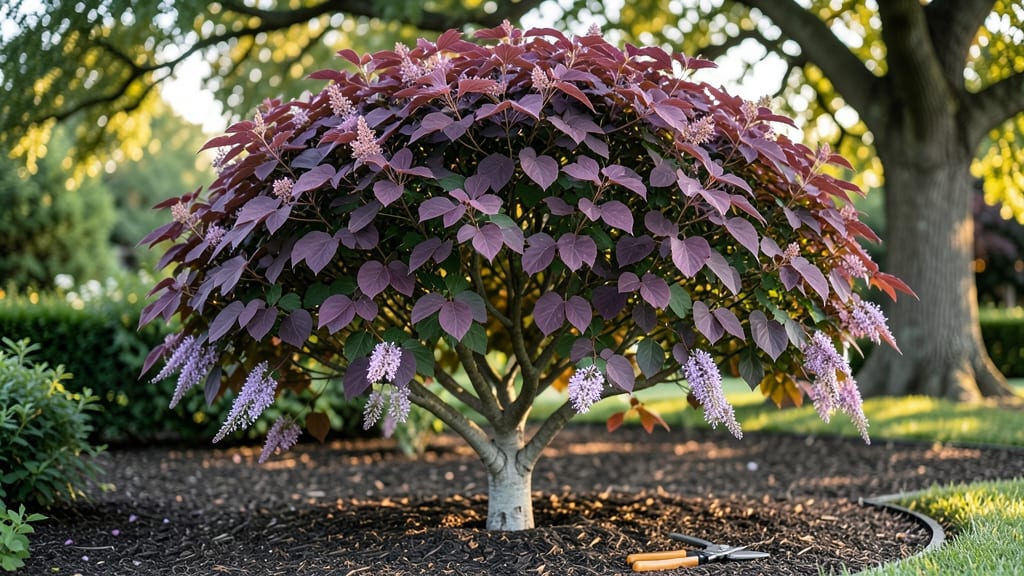
That full grown Purple Robe Locust tree in your yard could be the showstopper of your spring landscape—if you prune it right this late winter. 🌿 I’ve watched mine transform from a tangled mess to a vibrant purple canopy just by making a few strategic cuts before buds swell.
The key isn’t just trimming dead branches; it’s shaping the tree to encourage dense, colorful foliage and those iconic pink spring blooms.
You’ll need sharp pruners, a ladder (for taller branches), and a clear day to assess the tree’s structure. The goal is to remove up to one-third of the canopy—but focus on thinning crowded branches and opening the center to sunlight.
This isn’t about drastic reshaping; it’s about giving your tree room to breathe and shine. Most homeowners over-prune, so start conservatively and adjust as you go.
By late spring, you’ll see the difference: richer purple leaves, more abundant blooms, and a stronger framework for years to come. The tree’s natural resilience means it recovers quickly, and the right cuts now prevent future storm damage.
Think of it as a spa day for your locust—less stress, more beauty.
Works in USDA Zones 4-9, though it thrives best in full sun with well-drained soil. For container growing, opt for the dwarf variety (‘Lavender Twist’), but full-sized Purple Robe stays rooted in the ground. Here’s how to make those cuts count this season.
📚 In This Guide
- What you need
- Instructions
- Tips and common mistakes
- Wrapping up and next steps
What you need
- ● Pruning saw – A curved-tooth saw (8–10" blade) for thick branches (1–4" diameter). Example: Fiskars X7 or Felco F2.
- ● Loppers – Bypass pruners with 4–6" cutting blades for medium branches (½–2" diameter). Look for: Ratchet-style for leverage.
- ● Hand pruners – Bypass-type (not anvil) for fine cuts (Sharpness is critical!
- ○ Pruning shears – For live branches only (avoid deadwood). Optional: Extendable handles for hard-to-reach spots.
- ● Safety gear: Work gloves (cut-resistant, gardening-grade)
- ● Safety glasses (rated for debris impact)
- ● Closed-toe shoes or boots
- ● Ladder – Sturdy, 3-section extension ladder (20–30 ft, D-mount for stability). Pro tip: Use non-slip ladder socks.
- ● Cleaning supplies: Rubbing alcohol (70%+) or bleach solution (1 part bleach : 9 parts water) for sterilizing tools.
- ● Paper towels or old rags
- ● Tree wound sealant – Only for cuts >2" diameter (e.g., Tanglefoot Tree Wound Pruning Seal). Note: Most experts skip this for locust trees.
- ● Disposable bags or tarp – For collecting debris (locust pods/seeds can be invasive).
- ● Marking spray – Fluorescent paint to temporarily mark branches for removal (e.g., orange or pink for visibility).
- ● First-aid kit – In case of thorn pricks (locust thorns are sharp!).
- ● Timing: Prune on a dry, calm day (avoid frost or rain within 24 hours). Ideal window: Late February–early March (varies by climate zone).
- ● Weather check: Ensure temps are above 40°F (4°C) to avoid stressing the tree.
- ● Tool sharpening: Hone blades before starting—dull tools crush wood, inviting disease.
- ● Safety briefing: Clear a 10-ft radius around the tree and avoid power lines.
Step-by-step late-winter pruning for a thriving Purple Robe locust tree
Here's how I rejuvenate mature locusts—timing and technique make all the difference.
⏰ Step 1: Time Your Prune for Late Winter Dormancy
Wait until after the last hard frost but before buds swell—typically mid-to-late February in most climates. The tree should be fully dormant, with no leaves or active growth. This timing prevents stressing the tree too early and ensures you're cutting back when it's naturally resting.
Check for tight, brown buds along the branches—these signal dormancy. If you see any green emerging, wait another week. I always prune on a dry, calm day to avoid spreading disease through wet conditions. The goal is to shape the tree while it's still dormant but before spring's energy kicks in.
✂️ Step 2: Remove Dead, Diseased, or Crossing Branches First
Start by eliminating any dead wood—branches that snap when bent or have no bark. Use clean, sharp pruners to make 1/4-inch cuts just outside the branch collar. Diseased branches (look for cankers, oozing sap, or discolored wood) should go next—cut back to healthy tissue.
Next, tackle crossing or rubbing branches—these create wounds and weak points. Remove one of the two branches at the base where it meets the trunk. I make these cuts at a 45-degree angle to prevent water from pooling. Never leave stubs; always cut back to a natural branch union or outward-facing bud.
🌿 Step 3: Thin the Canopy for Better Airflow and Light
Step back and visualize the tree's ideal shape—locusts respond well to an open, vase-like form. Remove up to 25% of the canopy in this step, focusing on branches that grow inward or downward. These branches compete for light and resources, weakening the tree over time.
Use hand pruners for branches under 1/2 inch thick and loppers for 1/2 to 2 inches. For thicker branches, switch to a pruning saw—never leave stubs larger than 1/8 inch. After each cut, step back to assess the balance. The goal is sunlight reaching the inner canopy and air circulating freely to prevent fungal issues.
🪴 Step 4: Shape the Tree’s Natural Form
Now, refine the tree’s structure by shortening overlong branches to encourage bushier growth. Cut back to a side bud or branch rather than leaving a stub. For locusts, I aim for a rounded, slightly tiered shape—this mimics their natural growth habit and makes future pruning easier.
Pay special attention to the lower branches—locusts grow quickly, and removing these now prevents a dense, unmanageable canopy later. If a branch is too large to cut back in one go, make two cuts: the first just outside the branch collar, then a second to remove the excess. This prevents tearing the bark.
💧 Step 5: Clean Up and Monitor for New Growth
After pruning, sterilize your tools with rubbing alcohol to prevent spreading disease. Collect and dispose of all cuttings—don’t leave them on the ground, as they can harbor pests. Water the tree deeply to help it recover, especially if the winter was particularly dry.
Watch for new shoots emerging from the branch collars within 4-6 weeks. These indicate the tree is responding well. If you see yellowing leaves or dieback, it could signal over-pruning—next time, remove less. Locusts are tough, but they reward careful pruning with vibrant purple foliage and sturdy structure.
Tips & tricks for perfect late-winter locust pruning
Between us, I’ve seen too many locust trees end up looking like overgrown bushes because of a few simple mistakes. Here’s how to avoid them and get that perfect spring canopy.
Timing is Everything: That mid-to-late February window is non-negotiable. I’ve learned the hard way—pruning too early stresses the tree, while waiting too long risks waking up those buds prematurely. Check for those tight, brown buds along the branches; they’re your green light. If you see any green peeking through, wait another week. And trust me, a dry, calm day isn’t just ideal—it’s essential to avoid spreading disease through wet conditions.
Clean Cuts Prevent Big Problems: Always sterilize your tools with rubbing alcohol before you start. I’ve seen cankers spread like wildfire because someone skipped this step. When cutting, aim for that 1/4-inch clean slice just outside the branch collar—never leave stubs. For crossing branches, make those 45-degree cuts to prevent water from pooling, which can lead to rot. And if you’re dealing with thicker branches, that two-cut method (first outside the collar, then the excess) saves you from tearing the bark.
Visualize the Final Shape: Step back often to picture the tree’s ideal vase-like form. Locusts respond beautifully to this open structure, but it’s easy to overdo it. Focus on removing those inward-growing branches—up to 25% of the canopy—so sunlight can reach the inner branches. If you’re unsure, imagine the sun streaming through the tree from all directions. That’s your goal.
Watch for the Tree’s Response: After pruning, keep an eye out for new shoots emerging from the branch collars within 4-6 weeks. These are your sign that everything’s on track. If you notice yellowing leaves or dieback, you might have over-pruned. Next time, take it a little easier—locusts are resilient, but they’re not invincible.
Pro Tips for Full Grown Purple Robe Locust Tree
- Between us, I’ve seen too many locust trees end up looking like overgrown bushes because of a few simple mistakes.
- Timing is Everything: That mid-to-late February window is non-negotiable.
- Clean Cuts Prevent Big Problems: Always sterilize your tools with rubbing alcohol before you start.
Frequently asked questions
Got questions about pruning your full-grown Purple Robe Locust tree? You’re in the right place! Here are the most common concerns—and their answers—to help you tackle late-winter pruning like a pro.
When is the exact best time to prune my Purple Robe Locust?
The ideal window is late winter to early spring, before new growth begins (typically February–March in most U.S. zones). Prune after the coldest temperatures have passed but while the tree is still dormant—this minimizes stress and disease risk. Pro tip: Avoid pruning in fall, as it can stimulate tender growth vulnerable to winter damage.
How much can I safely remove without harming the tree?
For a mature Purple Robe Locust, aim to remove no more than 25% of the canopy in a single session. Focus on:
- Dead, diseased, or crossing branches
- Suckers or water sprouts
- Branches growing inward or rubbing against others
What if my cuts bleed or ooze sap—is that normal?
Yes! Locust trees often "bleed" clear sap when pruned in late winter, especially in cold climates. This is harmless and stops once temperatures rise. To minimize sap flow:
- Use sharp, clean tools for clean cuts
- Avoid pruning on days below 40°F
- Seal larger cuts (>2" diameter) with pruning sealant (optional)
Can I shape my Purple Robe Locust into a specific form (e.g., espalier or topiary)?
This tree responds well to shaping, but patience is key. For formal styles like espalier:
- Start with young trees for easier training
- Use flexible ties to guide branches gradually
- Prune after major growth spurts to maintain form
Will pruning attract locust borers or pests?
Pruning correctly reduces pest risks, but improper cuts can invite trouble. To prevent borers or beetles:
- Sterilize tools with rubbing alcohol between cuts
- Avoid pruning during rainy or humid weather
- Remove all pruned debris from the area
- Inspect the tree for egg masses or sawdust-like frass (signs of infestation)
What’s the best alternative if I don’t want to prune myself?
If DIY pruning feels overwhelming, consider:
- Hiring a certified arborist (look for ISA-certified pros)
- Local tree-care services specializing in ornamental trees
- Community tree-pruning workshops (check local nurseries or extensions)
Wrapping up and next steps
The full-grown Purple Robe Locust tree is a stunning addition to any landscape, and with the right late-winter pruning, you’ll set it up for a vibrant, healthy spring canopy 🌿.
Remember: sharp tools, strategic cuts, and a little patience are all you need to encourage strong growth and stunning purple blooms. Now that you’re armed with the know-how, there’s no better time to grab those shears and give your tree the TLC it deserves!
Ready to transform your tree’s future? Mark your calendar for those late-winter days, gather your supplies, and get pruning—your Purple Robe Locust will thank you with a showstopping spring display! 🌸