
Pruning
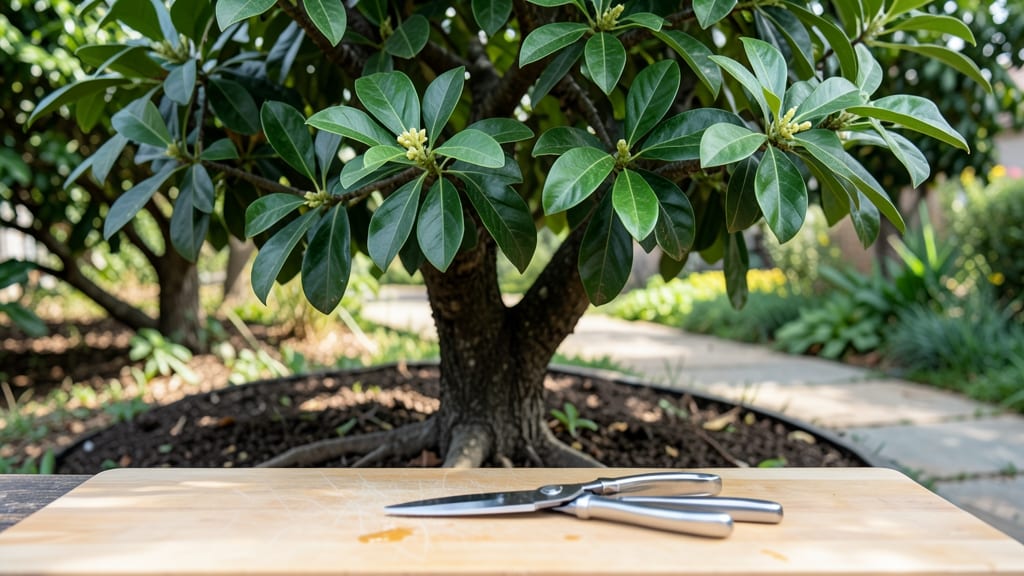
Cutting back avocado trees in early spring triggers a spring flush that produces stronger branches and bigger fruit—something I learned after my first overzealous pruning session left my tree looking like a sad, lopsided bush.
The key is timing: prune right before new growth starts, when the tree’s energy shifts from dormancy to production. You’ll know you’ve done it right when you see those thick, velvety-green shoots within weeks, each one a promise of heavier harvests later in the season.
You’ll need just three basic tools: sharp bypass pruners for clean cuts, a pair of gloves (avocado sap can irritate skin), and rubbing alcohol to disinfect your tools between cuts.
Avoid cutting into the trunk or removing more than one-third of the canopy at once—this stresses the tree and can invite pests. Focus instead on dead wood, crossing branches, and shaping the tree to let sunlight reach the center, where most of the fruit develops.
After pruning, give your tree a deep watering to help it recover, and hold off on heavy fertilizing for about a month. Watch for signs of stress like yellowing leaves or slow new growth—these mean you’ve pruned too aggressively.
With the right cuts, your avocado tree won’t just survive the trim; it’ll reward you with thicker branches, more blossoms, and fruit that’s noticeably larger than before.
This method works for both young trees you’re shaping and mature trees needing a refresh. The same principles apply whether you’re dealing with a dwarf variety in a container or a full-sized tree in your backyard.
Once you master the timing and technique, pruning becomes the easiest way to boost your harvest—and trust me, that first basket of plump avocados makes every cut worth it.
📚 In This Guide
- What you need
- Instructions
- Tips and common mistakes
- Wrapping up and next steps
What you need
- ● Pruning shears (bypass or anvil type) – Choose sharp, clean shears (8-10" blade) for precise cuts on small branches.
- ● Loppers – Heavy-duty (12-16" blade) for thicker branches (½"–1.5" diameter).
- ● Pruning saw – For branches over 1.5" thick (avoid tearing bark).
- ● Disinfectant (70% isopropyl alcohol or bleach solution) – Clean tools between cuts to prevent disease.
- ● Gloves (cut-resistant & garden-grade) – Protects hands from thorns and sap.
- ● Ladder or step stool – Reaches branches safely (ensure stability!).
- ● Heavy-duty trash bags or bucket – Collects pruned branches for compost or disposal.
- ● Permanent marker & tape measure – Marks cuts and measures branch diameter.
- ● Pruning sealant – Covers large cuts (>2" diameter) to prevent infection (avocado trees often heal without it).
- ● Safety glasses – Shields eyes from debris (especially when using a saw).
- ● Pole pruner – Extends reach for high branches (great for tall trees!).
- ● Garden hose (with nozzle) – Cleans sap off tools and sprays wounds post-pruning.
- ● Notebook & pen – Jots down notes on cuts for future reference.
Step-by-Step guide for pruning avocado trees in spring
Here's how to encourage stronger growth and bigger fruit this season.
Assess the Tree for Pruning Needs
Start by examining your avocado tree for any dead, diseased, or crossing branches. Look for branches that rub against each other or grow inward—they'll compete for energy and should be removed first. Healthy branches will have smooth, green bark and a firm texture when touched.
Focus on the tree's structure. Avocados grow best with an open center that allows sunlight to reach the inner canopy. If you see dense clusters of branches growing toward the center, these are prime candidates for pruning. I always start with the obvious—anything that looks clearly unhealthy or out of place.
Use the Right Tools and Technique
Grab your pruning shears and make clean cuts just above a leaf node or outward-facing bud. This ensures new growth will sprout in the right direction. Avoid leaving stubs—they can rot and invite pests. For thicker branches, use a pruning saw to make smooth, angled cuts about 1/4 inch above a bud.
I like to sterilize my tools with rubbing alcohol between cuts to prevent spreading disease. Avocado trees are sensitive to fungal infections, so cleanliness is key. If you're pruning multiple trees, take a moment to wipe down your tools after each tree to avoid cross-contamination.
Prune for Airflow and Sunlight
Remove about 20-30% of the tree's total foliage to improve airflow and sunlight penetration. Start with the outer branches first, then work your way inward. This creates space for new growth while maintaining the tree's natural shape. You'll notice the inner branches become more visible as you prune outward.
Pay special attention to the lower branches. These often become overgrown and block sunlight from reaching the trunk. Removing them encourages stronger growth lower on the tree, which can lead to more fruit production. Think of it as sculpting—you're shaping the tree to grow stronger and healthier.
Encourage New Growth with Strategic Cuts
After removing the problematic branches, look for areas where you can make cuts to encourage new growth. Aim to prune just above a leaf node or bud that faces outward. This directs the tree's energy toward producing new shoots in the right direction. You'll see small buds or bumps on the branches—these are where new growth will emerge.
If your tree has any suckers—those small shoots growing from the base or trunk—leave them for now. These can be pruned back later in the season once they've had a chance to establish themselves. For now, focus on the main branches to give the tree the best chance to recover and flourish.
Tips & tricks for pruning avocado trees in spring
Here's what nobody tells you about pruning avocado trees that'll make all the difference this season.
Branch Identification: When assessing your tree in Step 1, look for branches with a slight grayish tint or those covered with black spots—these are dead or diseased and should be removed immediately. Healthy branches should have vibrant green leaves and a firm, springy feel when gently squeezed. I learned this the hard way after leaving a few diseased branches on my tree, which spread to the healthy ones.
Tool Sterilization: In Step 2, don't skip sterilizing your tools between cuts. I've seen fungal infections spread quickly when tools weren't cleaned properly. Keep a small bottle of rubbing alcohol handy and wipe down your shears or saw after every 3-4 cuts. This simple step can save your tree from serious problems down the road.
Pruning Percentage: The 20-30% foliage removal in Step 3 might sound like a lot, but trust me on this—it's crucial. Avocado trees need this open space to breathe and let sunlight reach the inner branches. If you're unsure, start with 20% and reassess next year. You can always prune more later if needed, but you can't un-prune what's already gone.
Sucker Management: Those little shoots growing from the base or trunk (suckers) might seem harmless, but they can drain energy from your main tree. In Step 4, leave them alone for now—they actually help support the main branches. Later in the season, you can prune them back to redirect energy to fruit production.
Pro Tips for Cutting Back Avocado Trees
- Here's what nobody tells you about pruning avocado trees that'll make all the difference this season.
- Branch Identification: When assessing your tree in Step 1, look for branches with a slight grayish tint or those covered with black spots—these are dead or diseased and should be removed immediately.
- Tool Sterilization: In Step 2, don't skip sterilizing your tools between cuts.
Frequently asked questions
Got questions about pruning your avocado tree? You’re not alone!
Here are answers to the most common concerns—from timing to tools and everything in between.
When is the best time to cut back an avocado tree?
Prune your avocado tree during its spring flush (late winter to early spring) when new growth begins. Avoid heavy pruning in fall or winter, as it can stress the tree. Light shaping can be done year-round, but major cuts should wait for the right season!
How much can I cut back without harming the tree?
Never remove more than 25-30% of the canopy in one session. Avocados are sensitive to over-pruning—focus on thinning out dense branches and opening the center for airflow. Small, strategic cuts yield better results than aggressive trimming.
What if my avocado tree doesn’t have a “spring flush”?
If your tree isn’t showing new growth, check for stress (drought, pests, or poor soil). Lightly prune only dead or diseased branches, then fertilize and water consistently. Patience is key—some trees flush later, especially in cooler climates.
Can I use regular garden shears instead of pruning shears?
For small branches (under ½ inch thick), garden shears work fine. For thicker limbs, invest in bypass pruners or a pruning saw to avoid crushing or tearing the bark. Clean tools prevent disease spread!
Will pruning my avocado tree make my fruit bigger?
Yes! Pruning improves air circulation and sunlight penetration, which boosts fruit size and quality. Focus on removing water sprouts (suckers) and shaping the tree to prioritize healthier, larger avocados—just avoid overdoing it.
Wrapping up and next steps
Cutting back your avocado tree in spring isn’t just about shaping—it’s about unlocking its full potential! 🌱 With the right tools, timing, and technique, you’ll encourage a lush flush of growth and bigger, healthier fruit down the line. Remember, patience and consistency are key, so don’t rush the process.
Ready to give your tree the care it deserves? Start by marking your calendar for next spring’s pruning session—your future harvest will thank you! For extra guidance, watch a quick video tutorial or join a local gardening group to swap tips with fellow plant lovers.