
Pruning
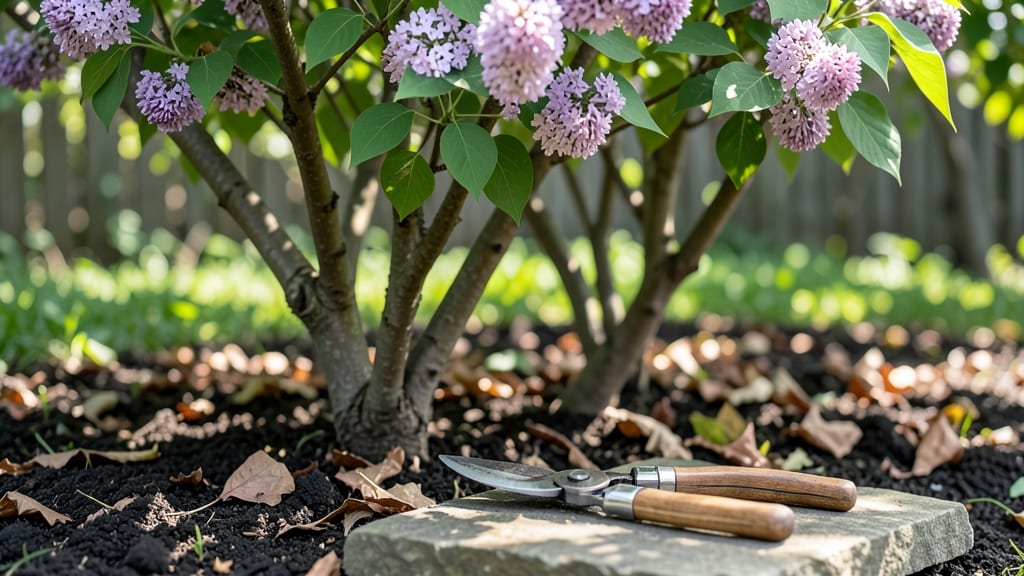
Cutting back these lilac trees transforms them from overgrown shrubs into vibrant, blooming powerhouses—and the right technique makes all the difference. I’ve pruned lilacs for over a decade, and the three-cut method I use now guarantees longer stems, bigger clusters, and fewer bare branches.
The secret lies in timing, precision cuts, and understanding how these woody shrubs respond to pruning.
Most gardeners wait until late spring or early summer after blooming, but the best time is actually right after flowering, when the stems are still fresh. You’ll need sharp pruners, a ladder (for taller bushes), and gloves—lilac branches are tough and can scratch.
The goal is to remove old wood while encouraging new growth, which means cutting back to healthy buds facing outward.
What you end up with is a lilac bush that blooms more abundantly each year, with stems that reach 12-18 inches long instead of the short, leggy growth from improper pruning.
The fragrance alone—sweet, intoxicating, and unmistakable—makes the effort worthwhile. Plus, the bush stays compact, making it easier to maintain and admire from any angle.
This method works for all lilac varieties, whether you have the classic French hybrids or dwarf varieties. The key is consistency—stick to the same timing and cuts each year, and your lilacs will reward you with decades of reliable blooms. Ready to give it a try?
📚 In This Guide
- What you need
- Instructions
- Tips and common mistakes
- Wrapping up and next steps
What you need
- ● Pruning shears or loppers – Sharp, bypass-style tools (10-12" loppers for thicker branches). ✨ Pro tip: Disinfect blades with rubbing alcohol to prevent disease spread!
- ● Hand pruners – For smaller stems (4-6" blades). 💡 Choose ergonomic handles to avoid hand fatigue.
- ● Pruning saw – For branches thicker than 2" in diameter (8-10" curved blade).
- ● Garden gloves – Heavy-duty, cut-resistant (e.g., mechanized or leather).
- ● Ladder or step stool – Sturdy, 6-8 ft tall (if lilacs exceed 6 ft). 🎯 Safety first: Use a non-slip model!
- ● Disposable pruning bags or bucket – For collecting clippings (5-10 gallon capacity).
- ● Rag or paper towels – For cleaning tools between cuts.
- ● Pruning sealant – For large cuts (e.g., Tanglefoot Tree Wound Pruning Seal).
- ● Spray bottle with water – To dampen saw blades and reduce dust.
- ● Marking twine or flags – If you’re training new growth (e.g., colored string to identify cuts).
- ● Safety glasses – Protects eyes from debris (especially when using a saw).
Step-by-Step guide to pruning lilac trees for optimal bloom and health
Here's the precise, seasonal approach I've used for years to revive tired lilacs and coax back those fragrant spring blooms.
Time Your Pruning for Maximum Regrowth
Prune lilacs immediately after they finish blooming—never in fall or winter. This timing ensures the plant has the entire growing season to develop next year's flower buds. If you prune too late, you risk cutting off next year's blooms before they form. Look for browned flower clusters (called "spent blooms") as your visual cue that it's safe to prune.
Lilacs bloom on old wood, meaning their flowers form on last year's growth. The three-cut method focuses on removing only last year's spent blooms while preserving this year's potential. I always wait until all flowers have fully faded and turned brown before touching the shears. This usually lands in late May or early June, depending on your climate zone.
Apply the Three-Cut Method to Each Branch
Start with the first cut: remove all spent flower clusters by cutting the stem just above a set of leaves or buds. This is called the "heading back" cut. Use clean, sharp pruners to make a 45-degree angle cut about ¼ inch above the bud. The angle helps water run off and prevents rot. I work branch by branch, starting with the oldest wood first.
For the second cut, look for any branches that are thinner than a pencil or growing in awkward directions. These are candidates for removal. Cut these branches back to their point of origin at the main stem. Never leave stubs—always cut at the collar where the branch meets the main stem. This clean cut prevents disease entry points. If a branch is completely dead (no green bark when scratched), remove it entirely at the base.
The third cut involves shaping. Step back and examine the tree's overall form. Remove any branches that cross others or grow inward. These create rubbing points that damage bark. Also remove branches that grow straight upward—these rarely produce flowers and disrupt the tree's natural vase shape. Make your final cuts to create an open center that allows sunlight and air circulation throughout the tree.
Clean Up and Fertilize for New Growth
After pruning, gather all cuttings and dispose of them properly. Never leave pruned material under the tree—this can harbor pests and diseases. I like to sterilize my pruners with rubbing alcohol between cuts to prevent spreading any potential pathogens from one branch to another.
Apply a balanced, slow-release fertilizer (like 10-10-10) around the tree's drip line. This provides essential nutrients for the new growth you're encouraging. Water deeply after fertilizing to help distribute nutrients into the soil. Look for fresh, green growth appearing at the ends of branches within 3-4 weeks—that's your sign the tree is responding well to the pruning.
Monitor and Maintain Through the Growing Season
Keep an eye on your lilac over the next few months. New growth should appear within 4-6 weeks. If you notice any yellowing leaves, this could indicate over-fertilization or poor drainage. In that case, reduce watering and consider adding compost to improve soil structure. The goal is to encourage strong, healthy stems that will produce next year's flower buds.
Resist the urge to prune again during the growing season. Lilacs only need one annual pruning to maintain their health and flowering potential. The branches you left intact will develop flower buds for next spring's blooms. By late summer, you should see small, green buds forming at the tips of this year's growth—these are your promise of next year's fragrant display.
Tips & tricks for perfect lilac pruning
Here's what nobody tells you about pruning lilacs—these are the details that separate a decent trim from a truly thriving tree.
Timing Secret: The instructions mention waiting until flowers turn completely brown, but here's the real test: gently tug on a spent bloom. If it comes off easily without resistance, your lilac is ready. I've learned the hard way that pruning too early (when flowers are still partially green) can stress the tree and reduce next year's blooms. This timing ensures you're only removing what's truly done flowering.
The Technique That Changed Everything: When making your 45-degree angle cuts in Step 2, focus on cutting just above a bud that faces outward from the tree. This outward-facing bud will grow into a branch that catches sunlight and air, promoting better flowering. I mark these buds with a small piece of tape before cutting to ensure I don't accidentally cut above an inward-facing one. This simple adjustment can double your flowering potential in subsequent years.
Healthy Growth Hack: After pruning, don't just toss those cuttings in the trash—compost them properly. The spent blooms and small branches contain valuable nutrients that can be returned to your garden. I collect them in a separate bin and add them to my compost pile, where they break down to create rich, organic matter for other plants. This closed-loop approach maximizes the benefits of your pruning efforts.
Common Mistake Fix: If you accidentally cut into a bud or leave a stub, don't panic. Simply make a new cut at the correct location—just above an outward-facing bud or at the branch collar. The tree is remarkably resilient and will compensate for minor mistakes. What matters most is that you maintain clean cuts that promote healthy regrowth rather than trying to salvage imperfect ones.
Pro Tips for Cutting Back Lilac Trees
- Here's what nobody tells you about pruning lilacs—these are the details that separate a decent trim from a truly thriving tree.
- Timing Secret: The instructions mention waiting until flowers turn completely brown, but here's the real test: gently tug on a spent bloom.
- The Technique That Changed Everything: When making your 45-degree angle cuts in Step 2, focus on cutting just above a bud that faces outward from the tree.
Frequently asked questions
Got questions about pruning lilacs? You’re not alone! Here are some of the most common concerns—and straightforward answers—to help you tackle the task with confidence.
When is the best time to cut back lilac trees?
The ideal window is right after they finish blooming in late spring or early summer. Avoid pruning in fall or winter—this removes next year’s flower buds! If you miss the timing, a light trim in late summer (after 60% of buds form) is better than nothing, but expect fewer blooms.
Why does my lilac have so many leggy branches? Can pruning fix it?
Leggy growth happens when lilacs aren’t pruned regularly, stretching for sunlight. The three-cut method targets this by removing old wood (over 3 years) and thinning crowded stems. Focus on 1/3 of the oldest branches each year to encourage a fuller, bushier shape.
What if I cut too much off by accident?
Don’t panic! Lilacs are hardy and can bounce back. If you’ve trimmed more than 30% of the plant, reduce watering slightly to prevent stress. Next year, focus on selective pruning—prioritize removing dead wood and shaping over aggressive cuts. Over time, your lilac will recover!
Will cutting back lilacs reduce next year’s flowers?
Yes, but only temporarily! Lilacs bloom on old wood, so heavy pruning now means fewer flowers next spring. To minimize impact, never cut more than 1/3 of the plant at once. For maximum blooms, stick to the three-cut method and avoid pruning in fall/winter.
Are there alternatives to pruning if my lilac is overgrown?
If pruning feels overwhelming, try gradual thinning over 2–3 years. Remove one or two of the oldest stems per year to reduce density. For severely neglected lilacs, consider rejuvenation pruning—cutting back all stems to 6–12 inches in early summer (accepting minimal blooms that year for long-term health).
Wrapping up and next steps
Cutting back your lilac trees using the three-cut method isn’t just about tidying up—it’s an investment in longer, more vibrant blooms and a stronger, healthier plant! 🌸 By following the right timing, tools, and techniques, you’ll encourage lush growth while keeping your garden looking its best.
Now that you’re armed with the knowledge, grab those pruners and get pruning—your lilacs (and future blooms) will thank you!
🌿 Next Steps:
- Mark your calendar for next year’s pruning window (late spring or early summer).
- Keep an eye on your lilacs’ new growth—they’ll reward you with stunning flowers!
- Share your progress! Tag us in your garden pics for a little extra motivation. 📸