
Container Gardens
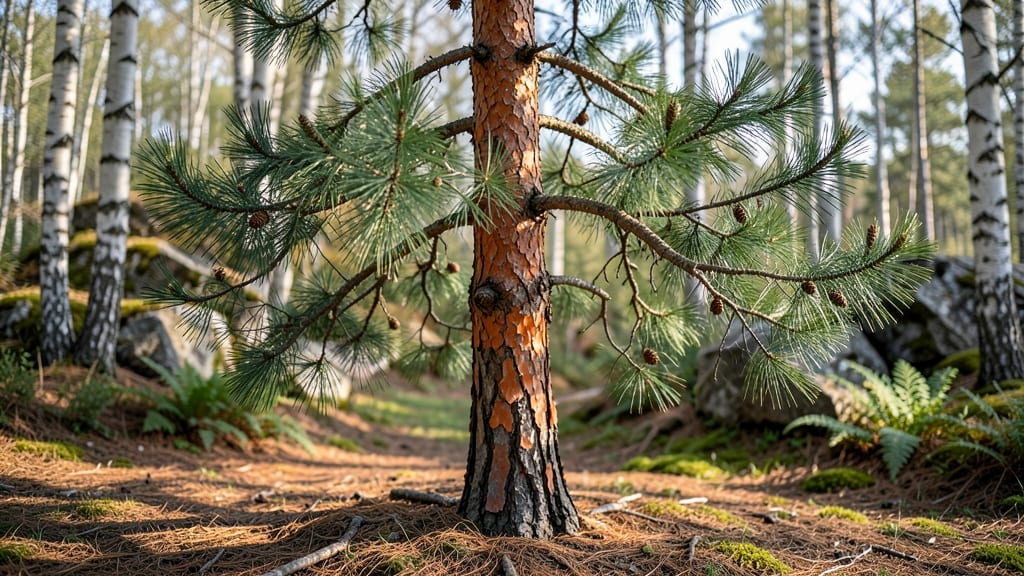
A pine tree in container might sound tricky, but I’ve grown thriving dwarf pines on my Pacific Northwest balcony for years—no yard needed. The key is choosing the right species (like ‘Glauca’ or ‘Mugo’) that naturally stays compact, so you avoid the "tree outgrowing its pot" disaster.
These little powerhouses handle our rainy winters and windy summers better than most container plants, and their blue-green needles add year-round texture without taking over.
You’ll need a 15- to 25-gallon pot (bigger for mature trees), well-draining soil mix (equal parts potting soil, perlite, and sand), and a spot that gets at least 6 hours of sunlight daily. Watering’s the tricky part—too much and roots rot, too little and needles brown.
I stick my finger in the soil: if it’s dry 1-2 inches down, it’s time to water. A saucer under the pot catches excess, but I dump it after 10 minutes to prevent soggy roots.
Pruning keeps your pine looking tidy and controls height. In early spring, snip back any leggy growth by one-third to encourage bushier shape. Fertilize lightly in spring with a slow-release pine fertilizer—overfeeding makes them grow too fast, and then you’re stuck with a towering tree in a tiny pot.
The payoff? A neighborhood-jealousy-worthy evergreen that thrives in a corner where nothing else would survive.
Root binding is the biggest challenge, but it’s easy to spot: roots circling the pot like a pretzel. When that happens, repot in spring into a container just 2 inches larger.
If you’re in a high-rise or tiny patio, these pines prove you don’t need a forest—just a little creativity and the right species. Let’s get you started with the perfect setup for your space.
📚 In This Guide
- What you need
- Instructions
- Tips and common mistakes
- Wrapping up and next steps
What you need
- ● Container: A large, durable pot (minimum 18–24 inches in diameter) with drainage holes. Terracotta or fiberglass works best for airflow.
- ● Pine Tree: A dwarf or slow-growing species like Pinus mugo (mugo pine) or Pinus sylvestris (Scots pine). Check local nurseries for PNW-friendly varieties!
- ● Well-Draining Soil: A mix of 50% potting soil, 30% perlite/pumice, and 20% sand (or a pre-made acidic, fast-draining blend for conifers).
- ● Mulch: Pine bark fines or wood chips (2–3 inches thick) to retain moisture and mimic forest floors.
- ● Fertilizer: A slow-release, acidic fertilizer (like 10-10-10 or 16-4-8) or organic options like fish emulsion (apply sparingly, 2–3 times per year).
- ● Pruning Tools: Sharp bypass pruners (for small branches).
- ● Hand saw (for thicker stems, if needed).
- ● Watering Can: With a narrow spout for precise hydration (avoid overhead watering to prevent fungal issues).
- ○ Support Stakes (Optional): For young trees, use 3–4 bamboo stakes and soft ties to prevent toppling in windy PNW conditions.
- ● 🌡️ Climate Prep: If winters dip below 10°F (-12°C), wrap the container in bubble wrap or burlap and move it to a sheltered spot.
- ● ✨ Height Control: Prune in late winter or early spring (before new growth) to shape and slow vertical growth.
- ● 💧 Watering Hack: Let the top 1–2 inches of soil dry out between waterings—pines hate soggy roots!
Step-by-Step guide for growing a Pacific Northwest pine tree in containers
Here's how to keep your container-grown pine thriving while controlling its height naturally.
🪴 Step 1: Choose the Right Container and Soil Mix
Select a container that's at least 12 inches deep and 3 times wider than the root ball of your young pine tree. The Pacific Northwest's climate means your pot needs excellent drainage—add 3-4 inches of gravel or broken pottery shards at the bottom before filling with a well-draining potting mix. I blend 3 parts potting soil, 1 part perlite, and 1 part coarse sand to prevent waterlogging, which can rot roots in cooler climates.
For a 4-foot-tall pine, a 20-gallon container works well. The larger the pot, the slower the tree grows, giving you better height control. Avoid plastic pots—they trap moisture and can lead to fungal issues. Terra cotta or fiber pots breathe better and help regulate soil temperature, which matters in the PNW's damp winters.
🌱 Step 2: Plant and Prune for Natural Shape
Remove the pine from its nursery pot and loosen the roots gently if they're circling. Place it in the container so the root flare (where roots meet the trunk) sits 1 inch above the soil line. Fill around the roots with your mix, pressing lightly to remove air pockets. Water deeply until it drains from the bottom—this settles the soil and removes gaps.
Here's the key to height control: prune the leader shoot (the central upward-growing stem) when the tree is 6-12 inches tall. Use clean, sharp pruners to cut just above a side branch or bud. This encourages lateral growth and keeps the tree bushier. In the PNW, do this pruning in late spring or early summer when new growth is active but before fall rains arrive.
☀️ Step 3: Position for Sunlight and Wind Protection
Pine trees need full sun (6+ hours daily), but the PNW's cloudy winters mean you'll need to supplement during overcast months. Place your container in the sunnest spot you have, even if it's near a south-facing window or under grow lights in winter. If outdoors, protect from strong winds—they dry out soil and stress young trees. A sheltered patio or against a fence works well.
Rotate the container quarter-turn weekly so the tree grows evenly. You'll notice one side leaning toward the light? That's your cue to move it. In winter, if temperatures drop below 20°F, wrap the pot in burlap and move it to a sheltered spot. Pines are cold-hardy, but young container trees need extra protection from freezing soil.
💧 Step 4: Water and Feed for Controlled Growth
Water when the top 2 inches of soil feel dry—stick your finger in to check. In summer, this might mean every 3-4 days; in winter, every 10-14 days. Overwatering is the #1 killer of container pines. The PNW's humidity means soil stays moist longer, so resist the urge to water on schedule—always check first.
Feed with a slow-release fertilizer (like 10-10-10) in early spring and again in mid-summer. Follow the package rates—too much fertilizer makes pines grow fast and leggy, which is the opposite of what you want. For height control, avoid high-nitrogen fertilizers after mid-summer. They encourage late-season growth that won't harden off before winter.
✂️ Step 5: Prune and Maintain Year-Round
Prune twice a year: late winter (to shape and remove dead branches) and early summer (to control height). Always use sterilized tools to prevent disease. Cut back any suckers (shoots growing at the base) immediately—they drain energy from your tree. For height control, never let the leader grow more than 6 inches in a season—prune it back if it does.
Every 2-3 years, check the roots. If they're circling or filling the pot, repot into a container just 2 inches larger in diameter. This slows growth naturally. In the PNW, fall is the best time to repot—it gives roots time to establish before winter. Mulch the top of the soil with 1 inch of pine bark to retain moisture and regulate temperature.
Tips & tricks for perfect container-grown Pacific Northwest pines
These practical insights will help you maintain a healthy, compact pine tree while navigating the PNW's unique climate challenges.
Container Selection: For the best height control, choose a container that's at least 3 times wider than your tree's root ball—this creates root restriction that naturally slows vertical growth. Terra cotta pots work beautifully in the PNW because they breathe better than plastic, preventing moisture buildup that can lead to root rot. The 20-gallon size mentioned for 4-foot pines gives you that perfect balance between root space and growth control.
Pruning Technique: When pruning the leader shoot at 6-12 inches tall (Step 2), make your cut just above a side branch or bud at a 45-degree angle. This angled cut prevents water from pooling on the wound, which could cause disease. I've found that using clean, sharp pruners is absolutely critical—dull tools crush the stem, making it more vulnerable to infection, especially in the damp PNW climate.
Winter Protection: The 20°F threshold mentioned for winter protection is crucial in the Pacific Northwest. When temperatures drop below this, wrap your container in burlap and move it to a sheltered spot. I've seen many container pines suffer from winter damage because people underestimate how cold the soil can get—even if the air is above freezing, the pot can conduct cold that harms roots. Consider adding a layer of insulation around the pot's sides as well.
Fertilizer Timing: The early spring and mid-summer feeding schedule is perfect for height control. After mid-summer, switch to a low-nitrogen fertilizer or stop fertilizing altogether to prevent late-season growth that won't harden off before winter. I've noticed that many gardeners over-fertilize in fall, which leads to weak, leggy growth that struggles in our wet winters.
Pro Tips for Pine Tree In Container
- These practical insights will help you maintain a healthy, compact pine tree while navigating the PNW's unique climate challenges.
- Container Selection: For the best height control, choose a container that's at least 3 times wider than your tree's root ball—this creates root restriction that naturally slows vertical growth.
- Pruning Technique: When pruning the leader shoot at 6-12 inches tall (Step 2), make your cut just above a side branch or bud at a 45-degree angle.
Frequently asked questions
Got questions about growing a pine tree in a container? You’re not alone—this popular Pacific Northwest choice comes with unique challenges! Here are answers to the most common queries to help you keep your pine thriving in its pot.
What’s the best container size for a pine tree?
A pine tree in a container needs room to grow, but not so much that it becomes unwieldy. Start with a pot at least 12–18 inches deep and wide for dwarf varieties, and 20+ inches for larger species like Pinus sylvestris. Ensure it has drainage holes to prevent root rot—this is non-negotiable!
How often should I repot my pine tree?
Repotting every 2–3 years keeps your pine healthy, but timing matters. Do it in early spring before new growth starts. If roots are circling the pot or emerging from drainage holes, it’s time to upgrade! Choose a container just 2–3 inches larger in diameter to avoid shocking the tree.
Why is my pine tree turning brown in a container?
Brown needles usually mean overwatering, underwatering, or poor drainage. Check the soil—it should be slightly moist but never soggy. Pines hate "wet feet," so water deeply only when the top 1–2 inches of soil are dry. Also, ensure the container isn’t in a shady, damp spot—pines need airflow!
Can I grow a full-sized pine tree in a container?
Full-sized pines (like Pinus strobus) can live in containers for years, but they’ll need large pots (30+ gallons), frequent pruning, and root pruning to control growth. For most homeowners, dwarf or semi-dwarf varieties (e.g., Pinus mugo) are easier to manage long-term. If you’re committed, expect to repot every 1–2 years and fertilize regularly.
What’s the easiest pine tree for beginners in containers?
If you’re new to container pines, start with dwarf mountain pine (Pinus mugo) or Japanese black pine (Pinus thunbergii). Both are hardy, slow-growing, and adaptable to pots. Avoid Ponderosa or Lodgepole pines—they’re too aggressive for containers and need massive space. Pro tip: Look for "container-grown" or "dwarf" labels at nurseries!
Wrapping up and next steps
Growing a pine tree in a container is totally doable—especially when you embrace the Pacific Northwest’s love for lush, low-maintenance greenery! With the right soil, pruning techniques, and a cozy pot, you’ll enjoy a stunning, space-friendly evergreen that thrives year-round. 🌲✨
Ready to level up your patio or balcony garden? Start small: pick your pine variety, gather your supplies, and give it a try! Even if you’re new to container gardening, these tips make it simple. Happy planting—your future mini-forest awaits! 🌱💚