Planting
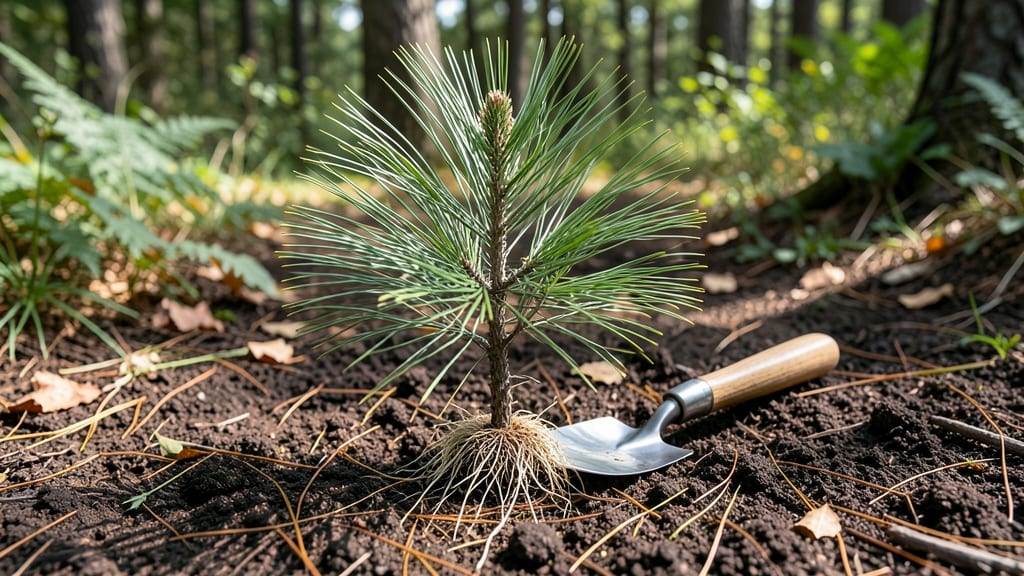
Planting pine trees means choosing the right spot now saves years of frustration later—especially when you want that evergreen to thrive for decades.
I’ve learned the hard way that pines hate soggy roots and crowded neighbors, so picking a sunny, well-drained site with plenty of elbow room makes all the difference. The right species for your climate (like loblolly for humid South or ponderosa for dry West) turns a gamble into a guarantee.
Start with a hole twice as wide as the root ball but only as deep—burying too deep suffocates roots, while too shallow invites toppling. Amend heavy clay soil with sand or compost to mimic their natural, gritty forest homes.
Water deeply after planting, then mulch to keep moisture steady without smothering the trunk. Most pines hate wet feet, so raised beds or slopes work better than low spots.
Your first year is critical: water when the top inch of soil dries out, but don’t drown them—pines rot faster than they grow. Skip fertilizer unless your soil tests poor; too much nitrogen makes them floppy and disease-prone.
Watch for spider mites or bagworms early, and prune only to remove dead branches. By year three, you’ll see steady growth if you’ve nailed these basics.
Timing matters too: spring or early fall gives roots time to settle before summer heat or winter freeze. Avoid planting in extreme heat or drought—stressed trees attract pests and struggle to establish.
With the right site and care, your pine will grow 1-2 feet per year, outlasting fads and neighbors alike. Let’s get those roots in the ground right.
📚 In This Guide
- What you need
- Instructions
- Tips and common mistakes
- Wrapping up and next steps
What you need
- ● Pine tree seedlings or saplings: Choose 1-3 trees (depending on space) from a local nursery. Opt for 2-3 year olds for faster establishment.
- ● Shovel: A round-point or digging shovel (16-18 inches wide) for planting holes.
- ● Garden fork or tiller: For loosening compacted soil in the planting area (especially if clay-heavy).
- ● Wheelbarrow or bucket: For mixing soil amendments (e.g., compost or pine bark).
- ● Measuring tape: To mark planting depth (2-3 times the root ball’s height).
- ● Watering can or hose with nozzle: A gentle spray attachment to avoid displacing soil.
- ○ Mulch (optional but recommended): 3-4 inches of pine straw or wood chips to retain moisture and suppress weeds.
- ● Sunlight: Ensure your site gets full sun (6+ hours/day)—pines love the light! 🌞
- ● Soil test: Check pH (5.0–7.0 ideal) and amend with sulfur or lime if needed (local extension offices can help).
- ● Space: Plant saplings 15–25 feet apart (varies by species; check your pine’s mature size!).
- ● Drainage: Avoid low-lying areas where water pools—pines hate soggy roots.
- ○ Protective gear (optional): Gloves and long sleeves for handling sharp pine needles or thorny bark.
Step-by-Step guide for planting pine trees successfully
Here's how to give your pine trees the best start—no guesswork, just proven techniques.
Choose the Right Location and Prepare the Site
Pines thrive in full sun (at least 6 hours daily) and well-drained soil. Avoid low spots where water pools—pine roots rot easily if soggy. I test drainage by digging a 12-inch hole, filling it with water, and waiting to see if it drains within 30 minutes. If not, amend the soil with 2-3 inches of coarse sand or plant on a slight mound.
Clear the area of weeds and debris within a 3-foot radius—pines compete poorly with aggressive ground covers. Loosen the top 6 inches of soil with a shovel to encourage root spread. The key here is drainage and sunlight—pines won’t tolerate shade or wet feet.
Dig the Planting Hole and Handle the Root Ball
Dig a hole twice as wide as the root ball but no deeper—pines hate being buried too deep. The top of the root ball should sit 1 inch above ground level to prevent stem rot. If your pine comes in a container, gently squeeze the sides to loosen roots before removing it.
Inspect the root ball for circling roots or girdling—these can strangle the tree. If you see them, make 2-3 vertical cuts with pruners to encourage outward growth. Place the tree in the hole and backfill with native soil, tamping lightly every 2 inches to remove air pockets. Water deeply to settle the soil.
Stake and Mulch for Long-Term Stability
Stake only if your pine is taller than 4 feet or in a windy area. Use 2 stakes placed 6 inches from the trunk and tie loosely with soft fabric strips—never wire, which can cut into the bark. The goal is to let the tree sway slightly in wind to strengthen its trunk.
Apply 2-3 inches of mulch (wood chips or pine straw) in a 3-foot circle, keeping it 6 inches away from the trunk to prevent rot. Mulch retains moisture and regulates soil temperature, but too much suffocates roots. Water deeply after mulching to help it settle and encourage root growth.
Water and Monitor for Early Growth Signs
Water deeply once a week for the first month, then taper to every 2 weeks once established. Pines are drought-tolerant but need consistent moisture to establish roots. You’ll know it’s enough when water drains 6 inches deep—stick your finger in the soil to check.
Watch for new needle growth in 6-8 weeks—this signals the tree is settling in. If needles yellow or drop, it’s often overwatering or poor drainage. Adjust care based on soil moisture and sunlight exposure. Pines grow slowly, so patience is key—don’t expect dramatic changes in the first year.
Tips & tricks for planting pine trees successfully
Confession: I planted my first pine tree and nearly killed it by ignoring these simple but critical details. Here's what I learned the hard way—and how you can avoid the same mistakes.
Site Selection Secret: That 6-hour daily sun requirement isn't just a suggestion—it's non-negotiable for most pine species. I once planted a tree in partial shade and watched it struggle for years. Check your site at different times of day, especially during summer when shadows shift. Morning sun is ideal, but afternoon sun works too if your climate is cooler. If you must plant in a shadier spot, choose a more shade-tolerant species like Eastern White Pine.
Drainage Test That Saves Trees: The 30-minute drainage test in Step 1 is your best friend. I skipped this once and planted in heavy clay soil—my tree nearly died from root rot. If your soil doesn't drain properly, don't just add sand. Mix in 50% native soil and 50% sand or compost for better results. For container-grown trees, ensure the pot has drainage holes and use a well-draining potting mix.
Root Ball Rescue: When handling container-grown trees in Step 2, don't just pull them out by the trunk—you'll tear the roots. Instead, wrap your hands around the root ball and gently squeeze the container while rocking it back and forth. If you find circling roots, make those 2-3 vertical cuts with sharp pruners, but don't cut too deep—just enough to encourage outward growth. I've seen gardeners completely sever roots trying to "fix" them, which creates more problems than it solves.
Mulching Magic: That 2-3 inches of mulch in Step 3 isn't just decoration—it's a moisture regulator and temperature stabilizer. But here's the catch: keep it 6 inches away from the trunk to prevent rot. I've seen many gardeners pile mulch right against the tree, creating the perfect environment for fungal diseases. Also, avoid using fresh wood chips as mulch—they can draw nitrogen from the soil as they decompose. Use well-aged wood chips or pine straw instead.
Pro Tips for Plant Pine Trees
- Confession: I planted my first pine tree and nearly killed it by ignoring these simple but critical details.
- Site Selection Secret: That 6-hour daily sun requirement isn't just a suggestion—it's non-negotiable for most pine species.
- Drainage Test That Saves Trees: The 30-minute drainage test in Step 1 is your best friend.
Frequently asked questions
Got questions about planting pine trees?
Here are answers to the most common ones—from timing to troubleshooting—to help you grow a healthy pine with confidence!
When is the best time of year to plant pine trees?
Plant pine trees in early spring or fall for the best success. These seasons provide cooler temperatures, reducing stress on the tree while allowing roots to establish before extreme heat or frost. Avoid planting in peak summer or winter—hot weather dries out roots, and frozen ground can stunt growth.
How long does it take for pine trees to grow to maturity?
Pine tree growth varies by species, but most take 10–20 years to reach full maturity (height and width). Fast-growing varieties like Loblolly Pine may mature in 15 years, while slower species like Eastern White Pine could take 20+ years. Patience is key—focus on proper care for steady growth!
What are common mistakes to avoid when planting pine trees?
Avoid these pitfalls for healthy pines:
- Planting too deep: Bury the root flare (where roots meet the trunk) just 1–2 inches below soil level—deeper planting suffocates roots.
- Skipping mulch: Use 2–3 inches of mulch (wood chips or pine straw) to retain moisture but keep it away from the trunk to prevent rot.
- Overwatering: Pines hate soggy roots—water deeply but infrequently (once a week for young trees, less as they mature).
- Ignoring soil drainage: Pines thrive in well-draining soil. Amend heavy clay with sand or compost if needed.
Can I plant pine trees in containers or small spaces?
Yes! Dwarf pine varieties (like Mugo Pine or Japanese Black Pine) are perfect for containers or tight spaces. Use a large pot (15+ gallons) with drainage holes and well-draining soil. Repot every 2–3 years and place in full sun. Just avoid planting full-sized pines in containers—they’ll outgrow their home quickly!
Why are my pine tree needles turning brown or falling off?
Brown needles or needle drop are usually signs of stress. Check these causes:
- Overwatering/underwatering: Yellowing needles = too much water; crispy brown tips = drought.
- Pests: Look for pine beetles or spider mites (tiny webs on needles). Treat with neem oil or insecticidal soap.
- Fungal diseases: Needle cast or rust (brown spots) may require fungicide or pruning infected branches.
- Environmental shock: Sudden temperature changes or poor soil can stress pines. Mulch and water consistently to help recovery.
If the issue persists, consult a local arborist or extension service for tailored advice!
Wrapping up and next steps
Planting pine trees is a rewarding way to enhance your landscape while supporting local ecosystems—and you’ve got all the tools to succeed! 🌲 From choosing the right soil to spacing and watering, each step ensures your pines thrive for years.
Whether you’re a seasoned gardener or a beginner, your green thumb is ready for this challenge.
Now that you’re equipped with knowledge, take the next step:
- Mark your planting spots and gather your tools.
- Watch your pine trees grow into a stunning, shady haven!