
Trees
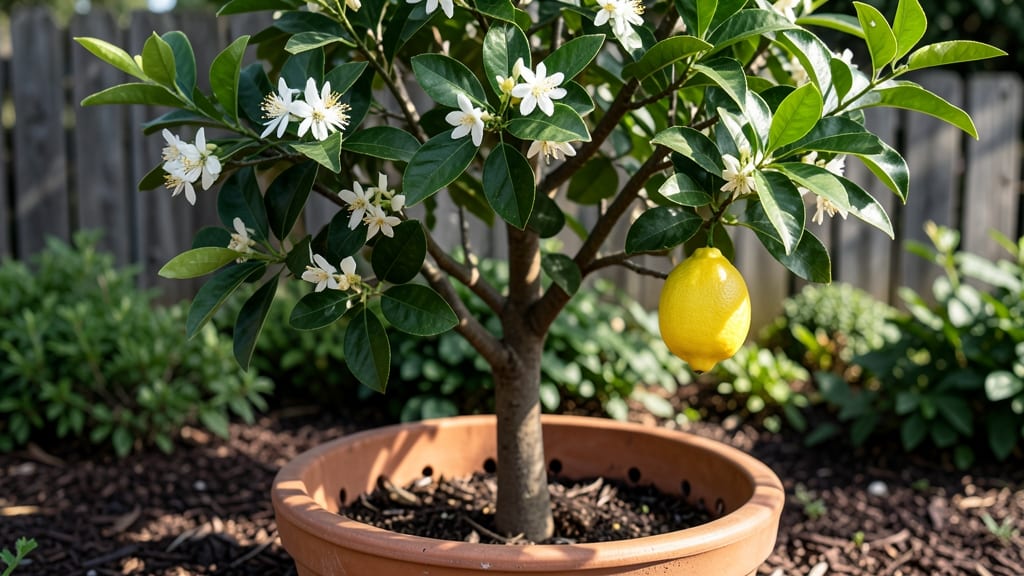
Looking after lemon trees in pots delivers that zesty reward without the yard work—my first tree produced fruit in just two years. The secret isn’t complicated: it’s matching the right container, soil, and care routine to what these thirsty citrus trees actually need.
Most people overwater or underfeed, and the tree suffers. I’ve learned that consistency beats intensity every time.
You’ll need a 15-20 gallon pot with drainage holes, a well-draining citrus mix, and a sunny spot (at least 6 hours of direct light daily). Water when the top inch of soil feels dry, and fertilize monthly during growing season with a citrus-specific feed.
The payoff? Sweet, fragrant blooms by spring and lemons by late fall—even in containers.
Pruning keeps the tree compact and encourages fruit production, while regular pest checks (especially for scale and spider mites) prevent disasters. My tree thrives on my balcony, but if you live in Zone 7 or colder, bring it indoors before frost.
The key is adapting care to your climate without overcomplicating things.
Common mistakes? Overpotting (roots need room but not luxury), ignoring drainage (root rot is silent), and skipping winter rest. But once you nail these basics, your potted lemon tree becomes the easiest citrus project you’ll ever tackle—with actual fruit to show for it.
📚 In This Guide
- What you need
- Instructions
- Tips and common mistakes
- Wrapping up and next steps
What you need
- ● Pot: A minimum 15-gallon container (18"+ deep) with drainage holes. Terracotta or ceramic is ideal, but heavy plastic works too.
- ● Potting Mix: Well-draining citrus-specific mix (or a blend of 60% cactus/succulent soil, 30% peat moss, and 10% perlite/sand). Avoid garden soil!
- ● Lemon Tree: A dwarf Meyer lemon (best for pots) or Eureka lemon (hardier). Check local nurseries for container-friendly saplings.
- ● Drainage Layer: 3–4 inches of gravel, pebbles, or broken pottery at the pot’s bottom.
- ● Fertilizer: Citrus-specific fertilizer (balanced NPK 6-6-6 or higher potassium) or organic options like fish emulsion.
- ● Watering Can: With a narrow spout for precise watering (avoid overhead spraying).
- ○ Support: A small stake or trellis (optional but helpful for young trees).
- ● Mulch: Pine bark or straw to retain moisture (apply lightly on top soil).
- ● pH Test Kit: To monitor soil acidity (ideal range: 6.0–7.0).
- ● Humidity Tray: A pebble tray with water to boost humidity in dry climates.
- ● Slow-Release Granules: For seasonal nutrient boosts (spring/fall).
- ● Pruning Shears: Sharp, sterilized shears for shaping and harvesting.
Step-by-step instructions for looking after lemon trees in pots
Here's how I keep my potted lemon trees thriving year after year—no green thumb required.
Choose the Right Container and Drainage
Start with a pot that's at least 12 inches in diameter for each tree, with drainage holes at the bottom. I use unglazed terra cotta because it breathes—citrus roots need airflow to prevent rot. If your pot lacks drainage, drill ¼-inch holes along the bottom yourself. Place a 2-inch layer of gravel or broken pottery in the bottom before adding soil to create an air gap that prevents waterlogging.
Lemon trees grow fast, so plan for upgrading pots every 2-3 years. A pot that's 2-3 inches larger in diameter than the root ball gives roots room to expand without becoming root-bound. I always check for roots circling the inside of the pot—if you see them, it's time to move up a size.
Use Well-Draining Soil and Fertilize Regularly
Fill your pot with a mix of equal parts potting soil, perlite, and compost—this ensures drainage while holding enough moisture for citrus. I avoid garden soil because it compacts and suffocates roots. After planting, water deeply until liquid runs from the drainage holes, then let the top 1-2 inches of soil dry out before watering again.
Feed your lemon tree every 4-6 weeks during growing season with a balanced citrus fertilizer (like 6-6-6 or 8-3-9). I dilute it to half-strength to avoid burning roots. In winter, cut back to once every 8-12 weeks—citrus trees rest when days shorten. Yellow leaves often mean over-fertilizing, so flush the soil with water if you see them.
Provide Bright, Indirect Light and Warmth
Lemon trees need 6-8 hours of sunlight daily, but direct midday sun can scorch tender leaves. I place mine near a south-facing window or under grow lights for 14-16 hours per day in winter. Watch for leaves turning pale or stretching toward the light—this means more light is needed. If you see brown patches on leaves, the tree is getting too much direct sun.
Keep temperatures between 60-85°F—citrus trees hate drafts or sudden cold snaps. In winter, move pots away from cold windows or doors. If your home drops below 50°F at night, consider a small space heater near the tree (but not too close—roots need warmth, not heat). A happy lemon tree will reward you with scented blooms in spring.
Prune for Shape and Encourage Fruit
Prune in late winter or early spring before new growth starts. Remove dead, crossing, or inward-growing branches with clean, sharp shears. I cut just above a leaf node or outward-facing bud to encourage bushier growth. Avoid heavy pruning—citrus trees fruit on old wood, so don’t trim more than ⅓ of the tree at once.
Thin fruit when small to prevent overburdening the tree. Leave 3-4 lemons per cluster—more than that can stunt growth. You’ll know you’re doing it right when you see new shoots forming where you pruned. A well-pruned lemon tree stays compact, produces more fruit, and looks fuller. Just don’t prune after mid-summer—new growth won’t harden off before winter.
Watch for Pests and Adjust Care Seasonally
Check leaves weekly for spider mites, scale, or aphids—citrus pests love potted trees. I spray with neem oil (mixed per label) at the first sign of webbing or sticky residue. For scale, wipe infested areas with rubbing alcohol on a cotton swab. Prevent future problems by wiping leaves with a damp cloth monthly to remove dust, which attracts pests.
In summer, water 2-3 times per week—let the top 1-2 inches of soil dry between waterings. In winter, reduce to once every 10-14 days, as growth slows. If leaves drop suddenly, it’s usually underwatering or cold stress. If they yellow and feel mushy, overwatering or root rot is the culprit. Adjust your routine until you find the sweet spot for your tree.
Tips & tricks for perfect potted lemon trees
Keeping your citrus thriving in containers takes a few smart adjustments—here's what I've learned after years of trial and error.
Container Upgrade Strategy: When you notice roots circling the inside of your 12-inch pot (usually after 2-3 years), it's time to upgrade. Choose a pot that's only 2-3 inches larger in diameter—any bigger and the soil stays too damp. I use terra cotta because it breathes, but if you prefer plastic, just add more gravel at the bottom to improve drainage. The key is giving roots room to expand without creating a waterlogged environment.
Soil Mix Secret: That equal parts potting soil, perlite, and compost mix makes all the difference. The perlite creates air pockets that prevent root rot, while compost provides nutrients without compacting like garden soil. Confession: I skipped the perlite for years and wondered why my trees struggled—don't make my mistake! After planting, water until it runs from the drainage holes, then wait until the top 1-2 inches feel dry before watering again. This prevents both underwatering and overwatering.
Lighting Adjustments: In Step 3, those 6-8 hours of sunlight are non-negotiable, but placement matters. South-facing windows work best, but if your tree starts stretching toward the light (a condition called etiolation), it needs more. For winter, I supplement with grow lights for 14-16 hours daily—this mimics natural daylight and prevents weak growth. Watch for brown patches on leaves as a sign of too much direct sun, especially in afternoon hours.
Fertilizer Timing: The 4-6 week feeding schedule during growing season is perfect, but timing matters. Always fertilize after watering—this prevents burning roots. I dilute the fertilizer to half-strength because citrus trees are sensitive. In winter, when you cut back to every 8-12 weeks, remember that yellow leaves often signal over-fertilizing, not under-fertilizing. A simple soil flush with water can reset your tree's balance.
Pro Tips for Looking After Lemon Trees In Pots
- Keeping your citrus thriving in containers takes a few smart adjustments—here's what I've learned after years of trial and error.
- Container Upgrade Strategy: When you notice roots circling the inside of your 12-inch pot (usually after 2-3 years), it's time to upgrade.
- Soil Mix Secret: That equal parts potting soil, perlite, and compost mix makes all the difference.
Frequently asked questions
Got questions about keeping your potted lemon tree happy? You’re not alone—here are the answers to the most common concerns!
How often should I water my potted lemon tree?
Water when the top 2 inches of soil feel dry (usually every 1-2 weeks, depending on climate). Overwatering is worse than underwatering—lemon trees hate soggy roots! Use well-draining soil and a pot with drainage holes to prevent root rot.
Can lemon trees survive winter in pots?
Yes, but they need protection! Move pots indoors (near a sunny window) or wrap them in frost cloth if temps drop below 40°F (4°C). Avoid sudden cold snaps—gradual acclimation helps. Young trees are more sensitive, so monitor closely.
Why aren’t my lemon tree leaves turning yellow?
Yellow leaves often signal overwatering or nutrient deficiency. Check soil moisture first—if it’s damp, let it dry out. Feed with citrus-specific fertilizer every 2-3 months (spring-fall) and ensure the pot has good drainage.
What’s the best pot size for a lemon tree?
Start with a 5-gallon pot for young trees, then upgrade to 10-15 gallons as they grow. Lemon trees need room for roots—crowded pots stunt growth and reduce fruit production. Terracotta pots help regulate moisture, but ensure they have drainage holes!
How do I keep pests off my potted lemon tree?
Inspect leaves regularly for aphids, spider mites, or scale. Spray with neem oil or insecticidal soap for mild infestations. Prune affected areas immediately and improve airflow by thinning dense foliage. Healthy trees resist pests better!
Wrapping up and next steps
Caring for a lemon tree in a pot is a rewarding journey that brings fresh, zesty fruit right to your doorstep—literally! 🍋 With the right container, soil, sunlight, and love, your citrus companion can thrive even in small spaces.
Remember, consistency is key: regular watering, occasional pruning, and a little winter TLC will keep your tree happy and productive.
Now that you’re armed with all the tips and tricks, why not take the next step? Start with a healthy young tree, give it a cozy pot, and watch it grow into a flourishing centerpiece.
Before you know it, you’ll be sipping homemade lemonade straight from your very own backyard! 🌱✨