Container Gardens
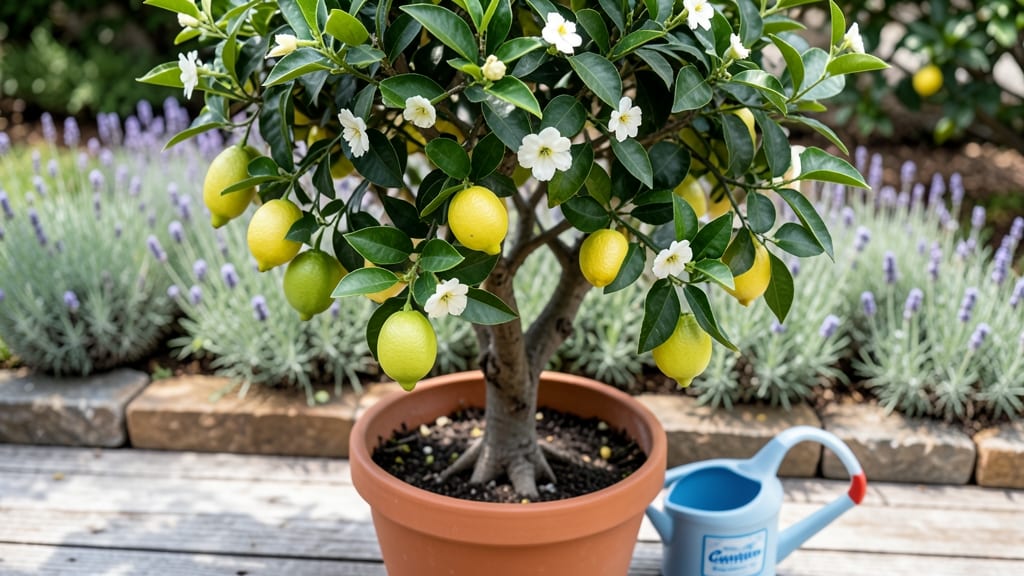
Growing a lemon tree in pots means zesty harvests even on a tiny balcony. 🌱 I’ve watched my Meyer lemon tree produce fruit indoors for three winters in a row—proof that citrus thrives in containers with the right care.
The key isn’t just sunlight or water; it’s matching the pot size to the tree’s growth stage and keeping roots happy year-round.
Start with a 5-gallon pot for young trees, then upgrade to 15+ gallons as they mature—drainage holes are non-negotiable. Well-draining soil mixes (like cactus blend with compost) prevent root rot, and a south-facing window or grow light keeps leaves from turning yellow.
Prune leggy branches in early spring to encourage bushier growth and more fruit.
You’ll taste your first lemons within 2-3 years—tiny but sweet, perfect for tea or garnishes. The tree stays compact (3-6 feet tall), making it ideal for patios, kitchens, or even sunrooms. Even in winter, with a little extra light and humidity, your tree keeps producing.
Outdoor growers can move pots to shaded spots in summer, while indoor gardeners just need to rotate plants weekly for even light. The biggest mistake? Ignoring nutrient needs—feed monthly with citrus fertilizer during growing season. Ready to grow your own sunshine?
📚 In This Guide
- What you need
- Instructions
- Tips and common mistakes
- Wrapping up and next steps
What you need
- ● Container: A pot with drainage holes, at least 12–18 inches in diameter and depth (bigger is better for mature trees). Opt for terracotta or ceramic for breathability.
- ● Potting Mix: A well-draining blend like cactus/succulent mix + perlite/vermiculite (50/50 ratio) or a citrus-specific soil.
- ● Lemon Tree: A dwarf variety (e.g., Meyer lemon) or a young sapling from a nursery (ensure it’s potted and healthy).
- ● Drainage Layer: Pebbles, broken pottery, or gravel (2–3 inches) to prevent root rot.
- ● Fertilizer: A balanced citrus fertilizer (10-10-10 or 6-6-6) or organic options like fish emulsion or compost tea.
- ● Watering Can: With a narrow spout for precise watering.
- ● Spray Bottle: For misting leaves (especially in dry climates).
- ● Support Stake: A bamboo or metal stake (for young trees to prevent toppling).
- ● Mulch: Pine bark or straw to retain moisture and regulate temperature.
- ● pH Test Kit: To monitor soil acidity (ideal range: 6.0–7.0).
- ● Humidifier or Tray: For extra humidity in dry indoor spaces.
- ● Pruning Shears: Sharp, sterilized shears for shaping and harvesting.
Step-by-step guide for growing a lemon tree in containers
Here's how to nurture a thriving citrus tree in limited space—no yard required.
🪴 Step 1: Select the Right Container and Drainage Setup
Start with a 5-gallon pot for your first year, then upgrade to 10-15 gallons as the tree matures. Lemon trees need room for roots to spread—crowded roots mean stunted growth and fewer fruits. Choose a pot with drainage holes (or drill them yourself) and place a 2-inch layer of gravel or broken pottery at the bottom. This prevents soggy roots, which rot quickly in citrus.
I always use terra cotta pots—they breathe better than plastic and help regulate moisture. If you're using a decorative container without drainage, add extra gravel and monitor soil moisture closely. The first sign of root rot is yellowing leaves, so don't skip this step. Place a saucer underneath to catch excess water, but empty it after 10 minutes to avoid fungal buildup.
🌱 Step 2: Plant Your Lemon Tree with Proper Soil and Positioning
Fill the pot with a mix of 60% well-draining potting soil, 20% perlite or coarse sand, and 20% compost. Lemon trees hate soggy feet, so avoid garden soil—it compacts and suffocates roots. Gently remove the tree from its nursery pot and place it in the center of your container. The top of the root ball should sit 1 inch below the pot's rim—this prevents erosion and keeps roots covered.
Press the soil lightly around the roots to eliminate air pockets, then water thoroughly until it drains from the bottom holes. Here's the thing—lemon trees need bright light to thrive, so position your pot in a spot with 6+ hours of direct sunlight daily. South-facing windows or a sunny patio work best. If you're indoors, supplement with a grow light 12-14 hours daily. Without enough light, leaves turn yellow and growth slows dramatically.
☀️ Step 3: Water and Feed for Consistent Growth
Water your lemon tree when the top 1-2 inches of soil feel dry. Stick your finger in the soil—if it's damp past your first knuckle, wait another day. Overwatering is the #1 killer of potted citrus. I like to water deeply until it runs from the drainage holes, then let it drain completely. Empty the saucer afterward to prevent root rot.
Feed your tree every 4-6 weeks with a balanced citrus fertilizer (10-10-10 or similar). During fruiting season (spring to fall), switch to a high-phosphorus formula (5-10-5) to encourage blooming. Real talk: Citrus trees are heavy feeders, so don't skimp. You'll notice new leaves and buds within a month if it's getting enough nutrients.
✂️ Step 4: Prune and Maintain for Health and Fruit
Prune in late winter or early spring to shape the tree and encourage airflow. Remove any dead, diseased, or crossing branches with clean, sharp pruners. Cut just above a leaf node at a 45-degree angle to promote healing. Lemon trees respond well to pruning—you'll see bushier growth and more fruit if you keep it open and airy.
Watch for pests like aphids or scale on the undersides of leaves. Wipe them off with a damp cloth or spray with neem oil weekly as prevention. If you notice curled leaves or sticky residue, act fast—citrus pests spread quickly. Here's the moment that matters: When your tree flowers, hand-pollinate by gently shaking the branches to help fruit set. Without this, you might get flowers but no lemons.
Tips & tricks for perfect container-grown lemon trees
Let me share the hard-won wisdom that'll help your potted citrus thrive year after year.
Container Upgrade Strategy: When you're ready to move from the 5-gallon pot to 10-15 gallons, do it gradually. I've seen trees shock when suddenly transplanted into much larger containers. Instead, upgrade by 2-3 gallons every 6 months as the roots fill the current pot. This gives the tree time to adjust without stressing its root system. The key is watching for roots growing out of drainage holes—when you see that, it's time to upgrade.
Soil Mix Secret: The 60-20-20 soil mix is perfect, but here's what nobody tells you—sterilize your potting soil first. Heat it in your oven at 200°F for 30 minutes to kill any pathogens. This prevents introducing diseases to your young tree. I also add a handful of worm castings to the compost portion for extra nutrients. The worms' natural enzymes help break down organic matter faster, giving your tree a nutrient boost from day one.
Lighting Troubleshooting: If you're indoors and getting yellow leaves despite 12-14 hours of grow light, you might need full-spectrum bulbs. Standard white lights won't cut it—citrus needs the blue and red spectrums for photosynthesis. I recommend LED grow lights with a color temperature of 6500K. Position them just 6-12 inches above the tree for maximum effectiveness. Remember to rotate your pot weekly so all sides get equal light exposure.
Watering Wisdom: That 10-minute drainage rule is golden, but here's the follow-up: After emptying the saucer, let the tree sit for another 10 minutes before watering again. This prevents the roots from sitting in moisture. I've found that morning watering works best—it gives the roots time to dry out during the day. In winter, you can extend the time between waterings to every 2-3 weeks, as growth slows dramatically in cooler months.
Pro Tips for Growing Lemon Tree In Pots
- Let me share the hard-won wisdom that'll help your potted citrus thrive year after year.
- Container Upgrade Strategy: When you're ready to move from the 5-gallon pot to 10-15 gallons, do it gradually.
- Soil Mix Secret: The 60-20-20 soil mix is perfect, but here's what nobody tells you—sterilize your potting soil first.
Frequently asked questions
Got questions about growing your own lemon tree in pots?
Here are answers to the most common concerns—from timing to troubleshooting—so you can enjoy homegrown citrus without the guesswork!
How often should I water a potted lemon tree?
Water your lemon tree when the top 1-2 inches of soil feel dry—usually every 5-7 days in summer or 10-14 days in winter. Overwatering is riskier than underwatering! Use well-draining soil and a pot with drainage holes to prevent root rot. Pro tip: Stick your finger in the soil to check moisture levels.
Can I grow a lemon tree indoors year-round?
Yes! Lemon trees thrive indoors with bright, indirect light (like a south-facing window) and 6-8 hours of sunlight daily. In winter, supplement with a grow light if natural light is limited. Keep temperatures between 60-80°F and avoid drafts. Just be patient—indoor trees may take 3-5 years to bear fruit.
Why isn’t my potted lemon tree producing fruit?
Lemon trees need 3 key things to fruit:
- Age: Most trees take 3-5 years to bear fruit.
- Pollination: Hand-pollinate with a small brush if bees aren’t visiting.
- Care: Ensure it gets full sun, proper watering, and balanced fertilizer (like 10-10-10) every 2-3 months.
If your tree is healthy but still not fruiting, it might need a larger pot (15+ gallons) or a winter rest period (reduced water/fertilizer).
What’s the best temperature range for a potted lemon tree?
Lemon trees love warmth but hate extremes:
- Ideal range: 60-80°F (day) / 50-60°F (night).
- Danger zones: Below 40°F (damages leaves) or above 90°F (stresses the tree).
- Winter care: Move indoors if temps drop below 50°F.
Pro tip: Use a thermometer near your tree to monitor conditions!
How do I repot a lemon tree if it outgrows its container?
Repot every 2-3 years or when roots circle the pot. Choose a container 2-4 inches larger in diameter with drainage holes. Steps:
- Water the tree 24 hours before repotting to reduce stress.
- Gently remove the tree, loosen roots, and trim any circling roots.
- Add fresh citrus potting mix (well-draining!) and water lightly.
- Avoid fertilizing for 2-4 weeks to help it recover.
Spring or early summer is the best time to repot.
Wrapping up and next steps
Growing a lemon tree in pots is a rewarding journey that brings fresh, homegrown citrus to your doorstep—no yard required! 🌱 With the right container, soil, sunlight, and care, you can enjoy fragrant blooms and juicy lemons year-round.
Whether you’re a beginner or a seasoned gardener, this citrus adventure is well within reach.
Ready to take the next step? Start by selecting your favorite lemon variety—like Meyer or Eureka—and gather your supplies. Then, plant with confidence, nurture your tree, and watch it thrive. Soon, you’ll be savoring the sweet taste of success—literally! 🍋