Trees
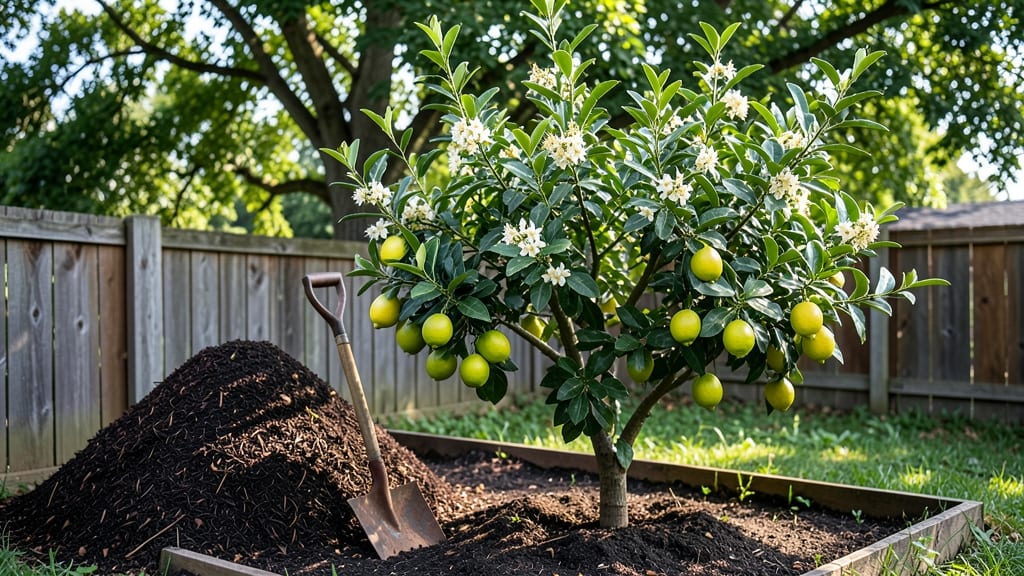
Composting citrus trees turns pruning waste into garden gold—your soil will thank you every time you harvest. 🌱 I’ve turned my own citrus branches into nutrient-rich compost that keeps my container-grown lemons and oranges thriving year-round, even in small spaces.
The key? Balancing the right materials and knowing when to mix it into your garden beds.
Start with small branches, leaves, and peels—chopped into 2-3 inch pieces for faster breakdown. Add nitrogen-rich greens like grass clippings or coffee grounds to balance the carbon-heavy citrus.
A simple bin or pile works, but turning it every few weeks speeds up decomposition. Within 3-6 months, you’ll have dark, crumbly compost perfect for acid-loving plants.
What you gain is richer soil that holds moisture better and feeds your citrus trees naturally. The compost’s slight acidity mirrors what citrus loves, while the texture improves drainage in containers.
Plus, you’ll cut waste—no more tossing branches or peels. Just avoid composting large citrus seeds if you don’t want volunteer trees popping up everywhere!
Works for any garden, from patio containers to backyard beds. The same compost boosts vegetables, flowers, and even other fruit trees. Ready to turn your citrus scraps into a gardening game-changer?
📚 In This Guide
- What you need
- Instructions
- Tips and common mistakes
- Wrapping up and next steps
What you need
- ● Citrus scraps: Peels, pulp, and seeds from oranges, lemons, limes, and grapefruits (aim for 1–2 cups per week per tree).
- ● Browns (carbon-rich): Shredded newspaper or cardboard (2–3 parts per 1 part citrus)
- ○ Dried leaves or straw (optional, for bulk)
- ● Greens (nitrogen-rich): Coffee grounds (½ cup per batch)
- ● Grass clippings (lightly dried, 1 part)
- ● Compost bin or pile: A 3x3x3-foot container (or a 5-gallon bucket with drainage holes for small batches).
- ● Tools: Garden fork or compost aerator
- ● Gloves (to protect from citrus oils)
- ● Spray bottle (for moisture adjustments)
- ● Well-draining soil: Mix compost with potting soil (1:3 ratio) to avoid soggy roots.
- ● Container size: Ensure your citrus tree has a minimum 15-gallon pot (larger for mature trees).
- ○ pH test kit (optional): Citrus loves slightly acidic soil (6.0–7.0)—adjust with lime if needed.
How to compost citrus trees for year-round container fruitfulness
Here’s the method I’ve perfected for keeping citrus thriving in pots while turning kitchen scraps into plant gold.
🌱 Step 1: Select the Right Container and Drainage System
Citrus roots need both oxygen and water retention, so choose a 5-gallon minimum container with multiple drainage holes—at least four. I use unglazed terra cotta because it breathes and prevents root rot. Line the bottom with 2 inches of coarse gravel to create an air pocket and improve drainage.
If your pot lacks drainage, drill holes yourself—citrus hates soggy feet. Place a piece of hardware cloth over the holes to keep soil from escaping while allowing water to drain freely. This prevents clogging and ensures roots stay healthy.
🌿 Step 2: Layer Your Compost and Planting Medium
Fill the bottom ⅓ of the pot with finished compost—this provides nutrients and microbial activity. Next, add 2 inches of perlite or pumice to improve aeration. Then, mix equal parts potting soil and compost (about 3 gallons total) to create a nutrient-rich, well-draining blend.
Citrus trees prefer slightly acidic soil, so avoid garden soil—it’s too dense and may contain pathogens. The compost layer ensures slow-release nutrients, while the perlite prevents compaction. Press the mix lightly to remove air pockets but don’t pack it down.
☀️ Step 3: Plant and Position for Optimal Growth
Dig a hole twice as wide as the root ball and place your citrus tree so the graft union (the bump near the base) sits 1 inch above soil level. This prevents root rot and encourages strong growth. Fill the hole with the prepared soil mix, pressing gently to eliminate air gaps.
After planting, water deeply until it drains from the bottom. Citrus trees need full sun (6-8 hours daily)—place your pot in a south-facing window or under grow lights if indoors. If outdoors, move it to a sheltered spot during cold snaps, as citrus is frost-sensitive.
💧 Step 4: Maintain Compost and Water Balance
Top-dress with ½ cup of compost every 2-3 months to replenish nutrients. Mix it into the top 1 inch of soil—this feeds the roots without overwhelming the plant. Avoid fresh manure; it can burn delicate citrus roots.
Water when the top 2 inches of soil feel dry—citrus prefers consistent moisture but hates soggy conditions. In summer, you may need to water every 2-3 days; in winter, reduce to once a week. Always water at the base to prevent fungal issues.
✂️ Step 5: Prune and Encourage Fruitfulness
Prune in late winter or early spring to shape the tree and remove dead or crossing branches. Cut just above a leaf node to encourage new growth. This also improves airflow, reducing humidity-related diseases.
For container-grown citrus, thin fruit when small—leave only 2-3 per branch to prevent overburdening the tree. Overloaded branches can snap, and fruit may stay bitter. Harvest when the peel turns bright yellow and the fruit yields slightly to gentle pressure.
Tips & tricks for perfect container-grown citrus fruitfulness
Here's what nobody tells you about keeping citrus thriving in pots—these tricks will save your plants from common pitfalls.
Container Size Matters: While the instructions call for a 5-gallon minimum, I've found that dwarf varieties like Meyer lemons thrive in 3-gallon pots for the first year. For standard citrus like oranges or grapefruits, stick with the 5-gallon recommendation—roots need room to grow without becoming root-bound, which stunts fruit production. If using a larger container, add extra perlite to the mix to prevent compaction in the extra space.
Compost Quality Check: The finished compost layer in Step 2 should be dark, crumbly, and smell earthy—not sour or ammonia-like. I recommend using worm castings mixed with regular compost for the bottom layer, as they provide gentle, balanced nutrition without burning tender citrus roots. If your compost smells funky, bake it in the oven at 200°F for 30 minutes to kill pathogens before using.
Sunlight Strategy: Those 6-8 hours of daily sun are non-negotiable, but here's the trick: rotate your pot every 2-3 weeks to ensure even growth. Citrus trees naturally grow toward light, which can create lopsided growth. For indoor grow lights, use full-spectrum LED bulbs 6-12 inches above the plant and keep them on for 12-14 hours daily to mimic natural daylight cycles.
Watering Wisdom: The "top 2 inches dry" rule works, but here's how to test more precisely: Stick your finger 2 inches into the soil—if it feels like a slightly damp sponge, water is needed. For container citrus, I've found that using a moisture meter (set to the 2-inch mark) prevents over- or under-watering. In winter, reduce watering to every 7-10 days regardless of the soil test, as citrus goes semi-dormant.
Pro Tips for Compost Citrus Trees
- Here's what nobody tells you about keeping citrus thriving in pots—these tricks will save your plants from common pitfalls.
- Container Size Matters: While the instructions call for a 5-gallon minimum, I've found that dwarf varieties like Meyer lemons thrive in 3-gallon pots for the first year.
- Compost Quality Check: The finished compost layer in Step 2 should be dark, crumbly, and smell earthy—not sour or ammonia-like.
Frequently asked questions
Got questions about composting citrus trees? You’re not alone! Here are answers to the most common concerns—so you can grow lush, fruitful trees with confidence.
Can I compost citrus peels if I have a citrus tree?
Yes, but with caution! Citrus peels break down slowly and can attract pests like fruit flies. Pro tip: Chop them finely or bury them deep in compost to speed up decomposition. Avoid overloading your pile—balance citrus with nitrogen-rich greens (like grass clippings) for a healthy mix.
How long does it take to compost citrus tree waste?
Citrus peels and leaves take 6–12 months to fully compost, depending on conditions. Turn your pile regularly, keep it moist (like a damp sponge), and add a mix of browns (dry leaves) and greens (fruit scraps) to speed up the process. Patience pays off—rich compost is worth the wait!
What should I NOT compost with citrus?
Avoid composting meat, dairy, or oily foods with citrus—they create odors and pests. Also skip diseased plants (like moldy fruit) or citrus seeds (they can sprout in your compost). Stick to fruit peels, leaves, and small branches for a balanced, pest-free pile.
Can I use citrus compost on other plants?
Citrus compost is nutrient-rich and works well for acid-loving plants like blueberries, azaleas, or tomatoes. For non-acidic plants (e.g., veggies), mix it with balanced compost to avoid over-acidifying the soil. Test soil pH if you’re unsure—aim for 6.0–7.0 for most gardens.
Why does my compost smell bad with citrus?
Bad smells usually mean your pile is too wet, too dry, or lacks airflow. Flip the compost, add dry leaves or straw, and balance citrus with nitrogen (like coffee grounds). If fruit flies appear, bury citrus waste deeper or use a sealed bin. A well-aerated, evenly moist pile should smell earthy, not rotten!
Wrapping up and next steps
Growing citrus trees in containers is a rewarding way to enjoy fresh, homegrown fruit—even in small spaces! 🌱 With the right compost, sunlight, and care, your tree can thrive year-round, offering vibrant blooms and tangy harvests. Start small, stay consistent, and watch your citrus garden flourish.
Ready to take the next step? Plant your tree today and experiment with different compost blends to find what works best for your climate. Happy gardening—your future breakfast (or snack!) is just a few seasons away! 🍊✨