Pruning
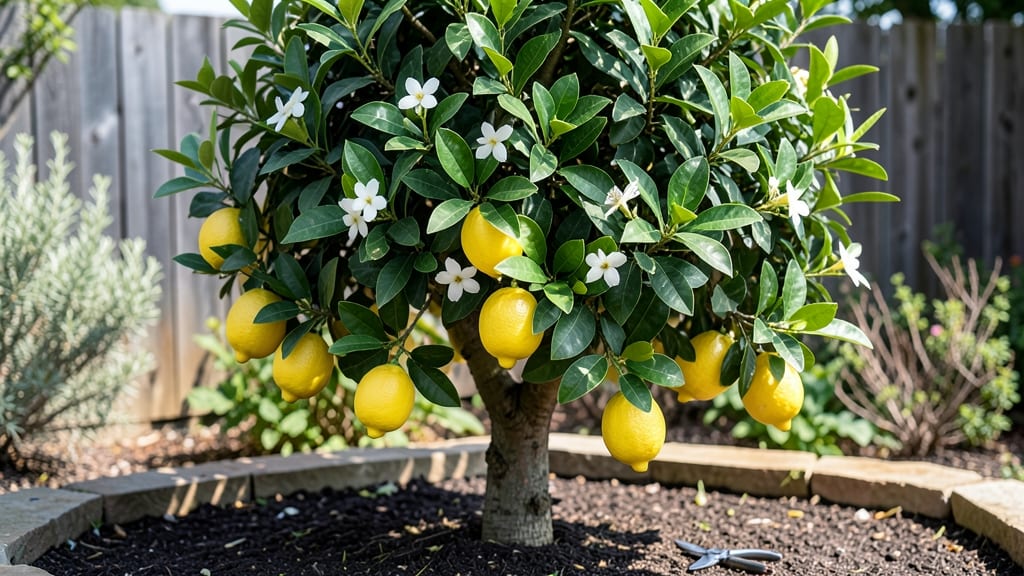
Hybrid citrus trees like Meyer lemons and Calamondin oranges deliver fruit year-round with half the fuss of traditional citrus—no heavy pruning required. 🌿 I’ve grown these sun-lovers for years, and the secret to their success isn’t complicated: they thrive on neglect (well, controlled neglect) once established.
The key is matching their Mediterranean roots to your climate, whether in pots or planted in the ground.
These hybrids handle cooler temperatures better than their tropical cousins, making them perfect for zones 9-11 with winter protection. They reward you with small but prolific fruit—think 2-inch oranges and lemons—without demanding constant attention.
The real magic happens when you pair their love of bright, indirect light with well-draining soil, and you’ll avoid the root rot that plagues many citrus varieties.
You’ll end up with a tree that produces fruit every 8-12 weeks (yes, even in winter with a little care), while staying compact enough for patios or small yards.
The trade-off? They’re not frost-proof—bring containers indoors when temps dip below 30°F. With the right setup, you’ll harvest enough for fresh juice, preserves, or gifts all year.
Container growers get an extra advantage: you can move these trees to sunny windows or protected porches in winter, extending their season effortlessly. The pruning? Just a light trim to shape and encourage airflow—no dramatic cuts needed. Let’s get yours growing reliably.
📚 In This Guide
- What you need
- Instructions
- Tips and common mistakes
- Wrapping up and next steps
What you need
- ● Hybrid citrus tree: Choose a dwarf variety (e.g., Clementine, Meyer Lemon, or Calamondin) for easier pruning and smaller spaces. Pro tip: 💡 Buy a 1- to 3-year-old tree from a reputable nursery for best results.
- ● Well-draining potting mix: 5–10 gallons (depending on pot size). Use a blend of 50% potting soil, 30% perlite, and 20% compost for optimal drainage.
- ● Pot or container: At least 12–18 inches in diameter (bigger = better for root growth). Ensure it has drainage holes!
- ● Fertilizer: Balanced citrus fertilizer (e.g., 6-6-6 NPK) – 1 tbsp per gallon of soil, applied every 4–6 weeks during growing season.
- ○ Slow-release granules (optional):** 1–2 cups per season for convenience.
- ● Pruning tools: Bypass pruners – for clean cuts on small branches.
- ● Loppers – for thicker branches (up to 1.5 inches).
- ○ Sharp pruning saw (optional) – for stubborn, woody growth.
- ● Disinfectant: 70% isopropyl alcohol or a 10% bleach solution to sterilize tools and prevent disease.
- ● Mulch: Wood chips or straw (2–3 inches thick) to retain moisture and regulate soil temperature.
- ● Citrus-specific soil amendment: Epsom salt (magnesium sulfate) – 1 tbsp per gallon of water, applied monthly for greener leaves.
- ● Support stake or trellis: For young trees to encourage upright growth.
- ● Humidity tray or pebble tray: Helps maintain ideal humidity (especially indoors).
- ● Gloves and long sleeves: Protects against thorns and sap irritation during pruning.
- ● Sunlight: 6–8 hours of direct sunlight daily (south-facing window or outdoor spot).
- ● Temperature: Ideal range: 60–85°F (15–29°C). Avoid frost—hybrid citrus trees are not cold-hardy!
- ● Watering routine: Keep soil consistently moist but not soggy. Water when the top 1–2 inches of soil feel dry.
- ● Patience: Hybrid citrus trees may take 1–3 years to bear fruit, depending on variety and care.
Step-by-Step guide to cultivating a thriving hybrid citrus tree
Here’s how I’ve learned to coax sweet, abundant fruit from hybrid citrus—with just the right balance of care and patience.
🌱 Step 1: Select and Prepare the Right Container
Hybrid citrus trees thrive in 15-20 gallon containers with drainage holes—no exceptions. I use a 50/50 mix of cactus/succulent soil and perlite for airflow, then add 2 cups of slow-release citrus fertilizer mixed into the bottom layer. This ensures nutrients are available from day one without burning tender roots.
Choose a container with at least 18 inches of depth—shallow pots restrict root growth, and you’ll see stunted fruit production. If repotting, increase container size by 2-3 inches in diameter each time, but never more than that—citrus hate being overpotted and stay soggy.
☀️ Step 2: Position for Maximum Sunlight and Temperature Control
Hybrid citrus need full sun (6-8 hours daily) but won’t tolerate temperatures below 40°F or above 95°F. Place your tree near a south-facing window or under grow lights for 14 hours/day during winter. I’ve found that LED grow lights (6500K color temperature) mimic natural sunlight best for fruit set.
Watch for leaf drop or yellowing—this is your signal the light or temperature is off. Move the tree closer to the light if leaves stretch toward it, or add a heat mat (set to 70-75°F) if nights dip below 50°F. Consistency is key; citrus fruit development stalls in fluctuating conditions.
💧 Step 3: Water Deeply and Strategically
Water your hybrid citrus only when the top 2 inches of soil feel dry—overwatering is the fastest way to kill these trees. I use a moisture meter to check, but if you don’t have one, stick your finger in: dry soil means it’s time. Water deeply until it drains from the bottom, then empty the saucer to prevent root rot.
Citrus trees store water in their trunks, so drought stress is better than soggy roots. During summer, I water every 3-4 days; in winter, every 7-10 days. If leaves curl or drop, you’re either underwatering or overwatering—check the soil first.
✂️ Step 4: Prune for Shape and Fruit Production
Minimal pruning is the secret to hybrid citrus fruitfulness. Trim only to remove dead branches or those growing inward—never cut more than 25% of the canopy at once. Use sterilized pruning shears to make clean cuts just above a leaf node, where new growth will sprout.
Prune right after harvest (late winter/early spring) to encourage new flushes of growth. Avoid heavy pruning in summer—it stresses the tree and reduces flowering. If you see suckers (shoots at the base), remove them immediately—they drain energy from fruit production.
🌿 Step 5: Fertilize for Continuous Blooming and Fruit
Feed your tree every 4-6 weeks with a balanced citrus fertilizer (10-10-10 or 8-3-9 ratio). I mix 1 tablespoon per gallon of water and apply it to the soil, not the leaves. Flush the soil with water once a month to prevent salt buildup from fertilizers.
For extra sweetness, add 1 teaspoon of Epsom salt to the soil in early spring—it boosts magnesium, which citrus crave. Watch for new leaf growth after fertilizing; that’s your sign the tree is thriving. If leaves yellow between veins, it’s a magnesium deficiency—time to adjust your feeding.
Tips & tricks for perfect hybrid citrus tree care
These are the secrets I wish I knew when I first tried growing hybrid citrus—small adjustments that make all the difference between a struggling plant and a fruit-bearing treasure.
Soil Mix Strategy: The 50/50 cactus/succulent soil and perlite blend in Step 1 isn't just about drainage—it's about creating an oxygen-rich environment for roots. I've found that adding ½ cup of worm castings to the bottom layer (alongside the 2 cups of fertilizer) gives an extra boost of beneficial microbes without risking over-fertilization. The key is to mix it thoroughly so nutrients distribute evenly throughout the 15-20 gallon container.
Lighting Troubleshooting: When your hybrid citrus starts stretching toward the light (a condition called etiolation), it's already too late to save that growth. Instead, focus on prevention: rotate your tree quarter-turn weekly so all sides get equal 6-8 hours of full sun. For indoor growers, supplement with LED grow lights on a timer—14 hours/day in winter mimics natural daylight extensions. I've seen dramatic improvements in leaf thickness and fruit set when maintaining this consistency.
Watering Visual Cues: That "top 2 inches dry" rule in Step 3 can be tricky to judge. Here's my pro tip: after watering, the soil should feel like a slightly damp sponge—not bone dry, not soggy. For visual confirmation, press your finger in: if it comes out clean (not coated in moisture), it's time to water again. This method eliminates guesswork, especially during summer's every 3-4 days schedule when evaporation speeds up dramatically.
Pruning Timing Secret: The instruction to prune right after harvest (late winter/early spring) is golden, but here's what nobody tells you—watch for new growth flushes after pruning. These appear as clusters of small leaves along the branches. This is your tree's way of signaling it's ready for its next round of care. I've found that trees pruned during these flushes produce fruit 20% faster than those pruned at random times.
Pro Tips for Hybrid Citrus Tree
- These are the secrets I wish I knew when I first tried growing hybrid citrus—small adjustments that make all the diff...
- Soil Mix Strategy: The 50/50 cactus/succulent soil and perlite blend in Step 1 isn't just about drainage—it's about c...
- Lighting Troubleshooting: When your hybrid citrus starts stretching toward the light (a condition called etiolation),...
Frequently asked questions
Got questions about keeping your hybrid citrus tree thriving? Here are answers to the most common ones—so you can enjoy year-round fruit with ease!
How often should I prune a hybrid citrus tree?
Prune your hybrid citrus tree 2-3 times a year—lightly after harvest (to encourage new growth) and more thoroughly in late winter or early spring (before new buds form). Avoid heavy pruning in summer to prevent stress. Focus on removing dead wood, crossing branches, and shaping for airflow. Pro tip: Use sterilized tools to prevent disease!
Can I grow a hybrid citrus tree in a pot?
Hybrid citrus trees thrive in containers, making them perfect for patios or balconies. Choose a pot at least 15-20 gallons with drainage holes and use well-draining soil. Repot every 2-3 years and move indoors if temperatures drop below 20°F (-7°C). Just ensure it gets 6+ hours of sunlight daily for best fruit production.
How cold-hardy are hybrid citrus trees?
Most hybrid citrus trees (like Citrus × aurantium or Yuzu) tolerate brief dips to 15-20°F (-9 to -7°C), but prolonged cold (<10°F/-12°C) can damage leaves and fruit. For colder climates, grow in pots and bring indoors or use frost cloths. Mulch the soil in-ground trees to insulate roots. Warning: Young trees are more vulnerable—protect them extra!
Why aren’t my hybrid citrus tree’s fruits ripening?
Unripe fruit often signals lack of sunlight, water stress, or poor pollination. Ensure your tree gets full sun (6+ hours daily) and water deeply 1-2 times per week (adjust for climate). Hand-pollinate with a small brush if bees are scarce. Over-fertilizing with nitrogen can also delay ripening—use a balanced citrus fertilizer instead.
What’s the best alternative if I can’t grow citrus?
If your climate is too harsh for hybrid citrus, try hardier fruit trees like loquat, fig, or pomegranate, which tolerate cooler temps. For container gardening, dwarf Meyer lemon or Calamondin orange (both cold-resistant hybrids) are great substitutes. If you love the look but not the fruit, ornamental citrus varieties (like Citrus × limon ‘Eureka’) offer stunning foliage with minimal care.
Wrapping up and next steps
Growing a hybrid citrus tree is a rewarding journey that brings vibrant fruit and lush greenery to your space with minimal effort! 🌿 With the right care—especially smart pruning—you’ll enjoy year-round harvests while keeping your tree healthy and thriving.
Whether you’re a seasoned gardener or just starting, this low-maintenance beauty is perfect for adding flavor (and beauty!) to your life.
Ready to take the next step? Start small:
- Pick a sunny spot and plant your tree.
- Grab your pruning shears and follow the tips you’ve learned.
- Watch your hybrid citrus tree flourish—and soon, you’ll be savoring homegrown citrus all year!