Pruning
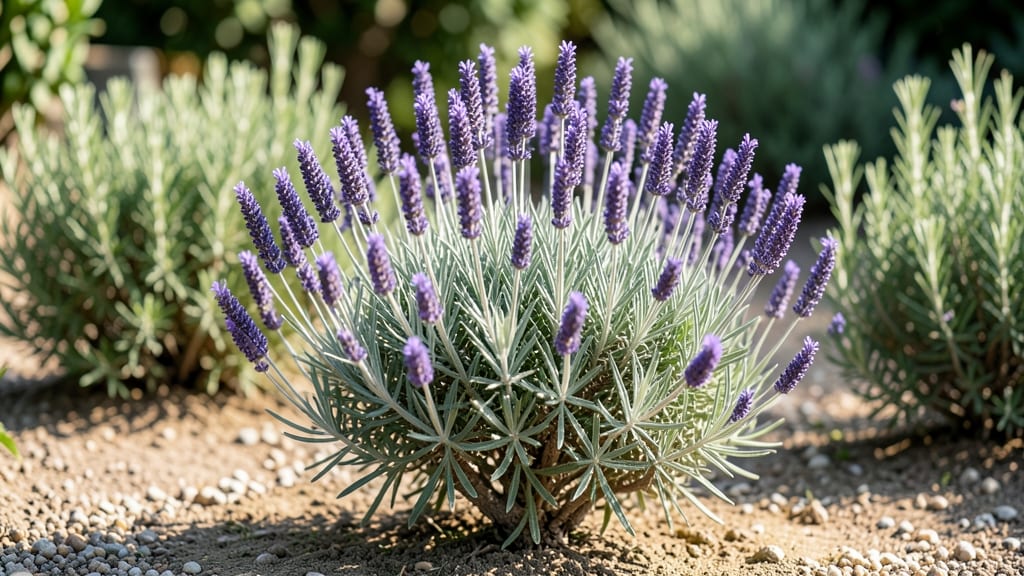
A lavender mini tree brings that signature fragrance to patios, balconies, and small gardens without taking over. I’ve grown these compact beauties for years, and they’ve become my go-to for adding calming purple hues and that intoxicating scent to tight spaces.
The key is choosing the right variety—like Lavandula angustifolia ‘Hidcote’ or ‘Munstead’—which stay neatly contained in pots or small beds while still thriving.
These little powerhouses need full sun (at least 6 hours daily) and well-draining soil to avoid root rot—think sandy loam mixed with perlite. Watering is where most people stumble: too much turns their lavender into a sad, leggy mess.
Stick your finger in the soil first; if it’s dry an inch down, it’s time to water. Overwatering is the #1 killer, so let the soil dry between drinks.
By late spring, you’ll be pinching back new growth to encourage bushiness, and by summer, your mini tree will be a fragrant, buzzing hub for bees. The best part?
You can harvest sprigs for sachets, tea, or potpourri without sacrificing the plant’s shape. Just avoid heavy pruning—this isn’t a hedge, it’s a delicate dwarf.
Perfect for small spaces, urban gardens, or even as a fragrant centerpiece on your deck. Once established, these plants are nearly indestructible—just give them sun, good drainage, and occasional deadheading. Ready to turn your tiny corner into a lavender haven?
📚 In This Guide
- What you need
- Instructions
- Tips and common mistakes
- Wrapping up and next steps
What you need
- ● Lavender Mini Tree: Choose a dwarf variety like Lavandula angustifolia 'Hidcote' or 'Munstead' (ensure it’s labeled as "mini" or "dwarf" for compact growth).
- ● Container: A well-draining pot (10–12 inches deep) with drainage holes. Terracotta or ceramic is ideal.
- ● Potting Mix: 3–5 gallons of cactus/succulent mix or a blend of 50% potting soil + 50% perlite/sand for drainage.
- ● Pruning Shears: Sharp, clean shears (sterilize with rubbing alcohol before use).
- ● Gloves: Gardening gloves to protect hands from prickly stems.
- ● Watering Can: With a narrow spout for precise watering.
- ● Sunlight Access: A sunny spot (6+ hours of direct sunlight daily).
- ● Pruning Paste: To seal cuts and prevent disease.
- ● Mulch (Gravel/Pebbles): For extra drainage and aesthetics.
- ● Slow-Release Fertilizer: Balanced 10-10-10 or organic options like fish emulsion (use sparingly!).
- ● Support Stake: If your mini tree leans (especially in windy areas).
- ● Humidity Tray: For dry climates (lavender hates soggy roots!).
Step-by-step guide to cultivating a lavender mini tree in containers
Here’s how to grow a fragrant, compact lavender tree that thrives in containers.
Select the Right Lavender Variety and Container
Choose a dwarf English lavender variety like 'Hidcote' or 'Munstead,' bred specifically for container culture. These varieties stay under 3 feet tall and 2 feet wide, perfect for patio pots or window boxes. Avoid French lavender—it grows too tall and sprawling for mini-tree form.
Use a 12- to 18-inch diameter container with drainage holes. Terra cotta pots work best—they wick away excess moisture, preventing root rot. If using plastic, add a 2-inch layer of gravel at the bottom to improve drainage. The container should have at least 12 inches of depth to accommodate the root system without crowding.
Prepare Well-Draining Soil and Plant Correctly
Lavender roots despise soggy soil, so mix 50% potting soil with 50% coarse sand or perlite. Add a handful of garden lime to raise the pH to 6.5–7.5, which lavender prefers. Avoid garden soil—it compacts and suffocates roots.
Dig a hole twice as wide as the root ball but only as deep as the top of the root ball. Gently remove the plant from its nursery pot and loosen any circling roots with your fingers. Place it in the hole so the top of the root ball sits ½ inch below the container rim. This prevents water from pooling around the stem during irrigation.
Provide Full Sun and Minimal Watering
Lavender mini trees need at least 6 hours of direct sun daily, preferably morning sun and afternoon shade in hot climates. South-facing windowsills or balcony railings work well. Without enough light, stems stretch and flowers become sparse.
Water only when the top 2 inches of soil feel dry. Stick your finger in the soil—if it’s damp, wait. Overwatering kills lavender faster than anything else. After the first year, most container-grown mini trees tolerate drought conditions once established. Always water at the base, never overhead, to prevent fungal diseases.
Prune for Shape and Encourage Bushiness
Prune right after flowering in early summer to maintain the tree’s compact form. Use clean, sharp shears to trim back ⅓ of the new growth on each stem. This prevents legginess and encourages dense, fragrant foliage. Avoid cutting into old wood—lavender doesn’t regrow from mature stems.
Shape the tree by pinching back the tips of new growth in spring and early summer. This redirects energy into bushier growth rather than tall, sparse stems. If your mini tree starts looking woody at the base, cut it back by half in late winter—it’ll regrow vigorously with proper care.
Fertilize Lightly and Protect from Pests
Lavender thrives in lean soil, so fertilize only once a year in early spring with a low-nitrogen, high-phosphorus fertilizer (like 5-10-5). Too much nitrogen produces lush foliage but fewer flowers. Mix 1 tablespoon of fertilizer into the top inch of soil and water lightly to activate it.
Watch for aphids or spider mites, which love tender new growth. Spray infested areas with neem oil or a soapy water solution (1 tablespoon mild dish soap per gallon of water). Lavender’s strong scent usually deters pests, but crowded containers invite problems—space plants at least 12 inches apart for airflow.
Tips & tricks for perfect lavender mini tree growth
Here's what nobody tells you about keeping your compact lavender thriving in containers.
Container Selection: While terra cotta is ideal, you can use plastic containers too—just add that crucial 2-inch gravel layer at the bottom. I've found that containers with built-in saucers can actually work against you by trapping moisture, so consider placing yours on a bed of pebbles instead. The key is ensuring excess water drains completely away from the roots.
Soil Mixing Strategy: The 50/50 potting soil to sand/perlite ratio is non-negotiable, but here's my secret: sterilize your potting soil first by baking it in the oven at 200°F for 30 minutes. This eliminates any pathogens that could harm your lavender's delicate roots. The garden lime addition is particularly important—test your soil pH before planting to confirm it needs adjustment.
Pruning Precision: When you're trimming back that ⅓ of new growth after flowering, focus on cutting just above a set of leaves where new buds will form. This encourages bushier growth rather than leggy stems. I've ruined several plants by cutting too close to old wood—always leave at least ¼ inch of green growth above your cut. For shaping, use your fingers to pinch rather than shears to avoid damaging tender stems.
Light Optimization: That required 6 hours of direct sun can be tricky in smaller spaces. If your windowsill doesn't get enough light, consider a small LED grow light on a timer for 4-6 hours daily. Position it about 12 inches above the plant. I've seen dramatic improvements in flower production by supplementing natural light during winter months when days are shorter.
Pro Tips for Lavender Mini Tree
- Here's what nobody tells you about keeping your compact lavender thriving in containers.
- Container Selection: While terra cotta is ideal, you can use plastic containers too—just add that crucial 2-inch grav...
- Soil Mixing Strategy: The 50/50 potting soil to sand/perlite ratio is non-negotiable, but here's my secret: sterilize...
Frequently asked questions
Got questions about your lavender mini tree? You’re not alone! Whether you’re a first-time grower or looking to troubleshoot, here are some of the most common concerns—and their simple solutions.
How often should I water my lavender mini tree?
Lavender thrives on dryness—overwatering is the #1 killer! Water only when the top 1–2 inches of soil feel completely dry, usually every 1–2 weeks (less in winter). Use a pot with drainage holes and avoid soggy soil to prevent root rot. Pro tip: Stick your finger in the soil before watering!
When is the best time to prune my lavender mini tree?
Prune right after flowering (late spring to early summer) to encourage bushier growth. Avoid heavy pruning in fall or winter, as lavender needs its foliage to protect it from cold. Use clean, sharp shears and trim just above a leaf node—never cut into woody stems. Bonus: Pruned stems can be dried for potpourri!
Can I grow a lavender mini tree indoors?
Yes, but with caveats! Lavender needs bright light (6+ hours of sun daily), so place it near a south-facing window or use a grow light. Keep humidity low (lavender hates damp air) and maintain temperatures between 60–75°F. If leaves yellow or drop, it’s likely too cold or wet. Tip: A sunny balcony or greenhouse works better than a dim corner.
Why are my lavender leaves turning yellow or brown?
Yellowing leaves often signal overwatering or fungal issues, while brown tips can mean underwatering or low humidity. Check these fixes:
- Adjust watering (let soil dry out fully).
- Ensure good airflow (space plants apart).
- Fertilize lightly with low-nitrogen plant food (lavender dislikes rich soil).
- Inspect for pests like spider mites—spray with neem oil if needed.
If the problem persists, your mini tree might need repotting into well-draining soil.
How do I encourage more flowers on my lavender mini tree?
Flowering depends on light, pruning, and stress (yes, a little drought helps!). To boost blooms:
- Give it full sun (6+ hours daily).
- Prune after flowering to shape and promote new growth.
- Avoid fertilizing heavily (lavender prefers lean soil).
- Let it dry out slightly between waterings—this triggers flowering hormones!
With patience, your mini tree will reward you with fragrant purple spikes year after year!
Wrapping up and next steps
Growing a lavender mini tree in containers is a rewarding way to enjoy its stunning blooms and soothing fragrance—even in small spaces!
With the right soil, sunlight, and pruning care, you’ll have a thriving, compact plant that adds beauty and tranquility to your home or garden. Now that you’re equipped with the essentials, why not get started today?
🌱 Next steps:
- Pick your favorite lavender variety (like ‘Munstead’ or ‘Grosso’).
- Grab your supplies and follow the pruning tips to keep it lush.
- Share your progress with fellow plant lovers—happy growing! 🌿