Propagation
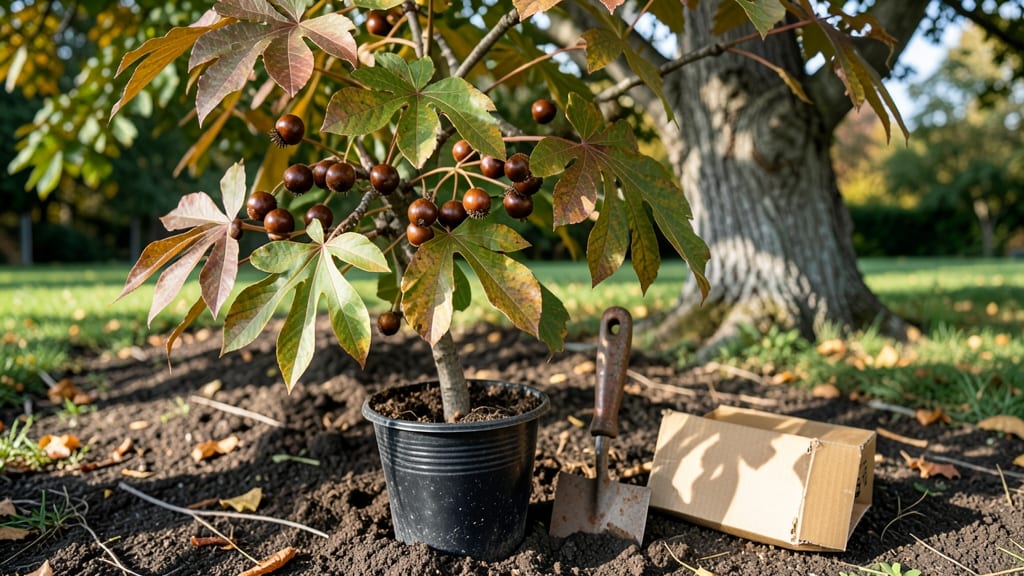
Growing a buckeye tree from a nut is one of those rare gardening triumphs that feels like magic—especially when you watch that first sprout crack through the soil. 🌱 The secret starts with the nut itself, which needs a little help breaking its tough shell before it’ll germinate.
I’ve learned that skipping this step means waiting months, if not years, for anything to happen.
You’ll need just a few simple supplies: a sharp knife or sandpaper for scarification, a container with well-draining soil, and patience—this isn’t a fast process. The key is mimicking nature’s timing: buckeyes need 60-90 days of cold stratification to trick them into thinking winter’s passed.
Plant the nut in fall, or refrigerate it for two months if you’re starting indoors.
Once you’ve prepped the nut, planting is straightforward: bury it 2-3 inches deep in moist, sandy loam soil and keep it consistently damp (not soggy). Within 4-8 weeks, you’ll see the first signs of life—a tiny root followed by a shoot.
The real payoff? A tree that can grow 30-50 feet tall, offering shade and wildlife benefits for decades.
Here’s the best part: buckeyes are tough. They handle drought once established and thrive in full sun to partial shade. The challenges—like slow germination or seedling pests—are worth it for the satisfaction of growing something this majestic from scratch. Ready to start?
📚 In This Guide
- What you need
- Instructions
- Tips and common mistakes
- Wrapping up and next steps
What you need
- ● Buckeye nuts: 1–3 fresh, mature nuts (harvested in fall, ideally from a healthy tree). Ensure they’re plump and free of cracks or mold.
- ● Potting mix: 1 bag (5–10 quarts) of well-draining, sterile seed-starting mix (avoid garden soil—it can harbor pests or diseases).
- ● Small pots or containers: 2–4 (4–6 inches in diameter) with drainage holes. Plastic or biodegradable pots work well.
- ● Drainage tray or saucer: 1 (to catch excess water and prevent root rot).
- ● Spray bottle: 1 (for gentle watering during germination).
- ● Plastic wrap or clear lid: 1 (to create a humid environment for sprouting).
- ● Grow lights or sunny windowsill: Access to indirect light (6–8 hours daily) or a grow light for seedlings.
- ○ Fertilizer (optional but helpful): A balanced, water-soluble fertilizer (e.g., 10-10-10) diluted to half-strength for seedlings.
- ● Patience: Buckeye nuts can take 4–12 weeks to germinate—consistency is key!
- ○ Warmth: Ideal germination temp: 65–75°F (18–24°C). A seedling heat mat (optional) can help.
- ● Space: Plan for transplanting seedlings into larger pots (1-gallon size) after 3–6 months.
- ● Outdoor prep (later stage): A sunny, well-drained planting spot in your yard (buckeye trees thrive in USDA Zones 3–9).
Step-by-Step instructions for growing a buckeye tree from seed
Here’s how to coax those glossy buckeye seeds into sturdy saplings—nature’s slow but rewarding project.
🌱 Step 1: Cold Stratify the Nuts for Germination
Buckeyes need a winter chill to break dormancy. Place the nuts in a paper towel and dampen it just enough to feel slightly damp—not dripping. Fold the towel around them and tuck the bundle into a plastic bag with a few small holes for airflow. Store this in your fridge’s crisper drawer for 8-12 weeks.
Check them weekly. If mold appears, wipe the nuts gently with a damp cloth and refresh the paper towel. You’ll know stratification worked when the nuts develop a small crack or soft spot—this signals the seed’s ready to sprout. Real talk: Some years, I’ve had to extend this to 14 weeks if my fridge runs cooler.
🪴 Step 2: Plant the Stratified Nuts in a Moist Growing Medium
Fill a 6-inch deep pot with a mix of 50% peat moss and 50% perlite—buckeyes hate soggy soil. Press the stratified nuts 1 inch deep into the mix, spacing them 3 inches apart. Water gently until the surface feels damp but not wet. I like to use a spray bottle here to avoid displacing the seeds.
Place the pot in a warm, bright spot (not direct sun) and maintain soil moisture by watering when the top ½ inch feels dry. Buckeyes germinate slowly—don’t expect sprouts for 4-8 weeks. If condensation forms on the pot’s sides, wipe it dry to prevent fungal issues. Here’s the thing—patience is key. Some seeds take 10 weeks to crack open.
☀️ Step 3: Provide Gradual Sunlight and Prune for Strength
Once seedlings emerge, move them to a location with filtered sunlight (east or north window) for their first 2 weeks. Direct sun now will scorch their tender leaves. After that, gradually increase exposure to morning sun only, then full sun by 6 weeks.
When seedlings reach 4-6 inches tall, trim the top set of leaves to encourage bushier growth. This prevents leggy stems and strengthens the root system. I always snip just above a leaf node—this is where new branches will form. Watch for yellowing leaves; this usually means overwatering or poor drainage.
🌿 Step 4: Transplant to the Ground After Hardening Off
In early spring, when nighttime temps stay above 40°F, it’s time to move your saplings outdoors. Start by placing them in a sheltered spot for 2 hours daily, increasing time by 1 hour each day over 2 weeks. This hardening-off process prevents shock from sudden temperature changes.
Dig a hole twice as wide as the root ball but only as deep as the pot’s base. Mix the removed soil with compost and place the sapling in, backfilling with the amended soil. Water deeply to settle the roots. Space multiple saplings 10 feet apart—buckeyes grow wide and need room to thrive. Mulch around the base with 2 inches of wood chips to retain moisture.
⏰ Step 5: Maintain with Minimal Care for Long-Term Growth
Buckeyes are drought-tolerant once established, but young trees need 1 inch of water weekly during dry spells. Water at the base, avoiding the leaves to prevent fungal diseases. Fertilize lightly in spring with a balanced 10-10-10 formula, but skip fertilizer after the first year—buckeyes grow best in lean soil.
Prune in late winter to remove dead or crossing branches. These trees develop a striking, rounded canopy naturally, so minimal pruning is needed. Watch for pests like aphids—spray with soapy water if you see them clustering on new growth. With time, your saplings will mature into those iconic, towering shade trees with glossy leaves and iconic nuts.
Tips & tricks for perfect buckeye tree growth
Growing buckeye trees from nuts is a patience game—these tricks will help you avoid common pitfalls while maximizing your success rate.
Stratification Secret: Don't rush the 8-12 week cold treatment in Step 1. I've learned the hard way that buckeyes need this time to break dormancy properly. Place a small thermometer in your fridge near the nuts to monitor temperatures—ideal range is 34-40°F. If your fridge runs warmer, extend to 14 weeks. The small crack or soft spot you're looking for is your green light to plant.
Soil Mix Strategy: The 50% peat moss and 50% perlite blend in Step 2 is crucial—it mimics the tree's natural well-draining environment. For even better results, add a handful of coarse sand to improve aeration. Avoid garden soil which can compact and suffocate young roots. I've had the best success with pre-mixed seed-starting mixes that contain perlite and vermiculite.
Light Transition Technique: When moving seedlings to sunlight in Step 3, think of it as sunburn prevention for your tree. Start with just 2 hours of morning sun in a north-facing window, then gradually increase exposure. I've seen seedlings develop brown patches when moved too quickly to direct sunlight. Use sheer curtains to diffuse harsh afternoon rays during the transition period.
Hardening Off Hack: The 2-hour daily outdoor exposure in Step 4 should feel like a gentle introduction. Watch for wilting—this is your tree's way of saying "too much too soon." On cloudy days, you can extend exposure time safely. I've found that starting the hardening process in early spring (when nighttime temps consistently stay above 40°F) gives seedlings the best chance to acclimate without shock.
Pro Tips for Grow A Buckeye Tree From A Nut
- Growing buckeye trees from nuts is a patience game—these tricks will help you avoid common pitfalls while maximizing ...
- Stratification Secret: Don't rush the 8-12 week cold treatment in Step 1. I've learned the hard way that buckeyes nee...
- Soil Mix Strategy: The 50% peat moss and 50% perlite blend in Step 2 is crucial—it mimics the tree's natural well-dra...
Frequently asked questions
about growing a buckeye tree from a nut—because every gardener deserves a little clarity!How long does it take for a buckeye nut to sprout?
A buckeye nut typically sprouts within 4 to 8 weeks after planting, depending on temperature and moisture. If you’re in a cooler climate, it may take longer—patience is key! Keep the soil consistently moist (but not soggy) to encourage germination. If nothing happens after 3 months, try replanting or check for rot.
Can I plant a buckeye nut in the fall or do I need to wait until spring?
You can plant buckeye nuts in early fall (before the first frost) or in late winter/early spring. Fall planting lets nature handle stratification, while spring planting gives you more control. If planting in fall, mulch lightly to protect the nut from freezing. Avoid planting too early in fall—nuts need a cold period to break dormancy.
What if my buckeye nut doesn’t sprout? Troubleshooting tips?
If your nut isn’t sprouting, try these fixes:
- Check moisture: Too dry? Water gently. Too wet? Let it dry out slightly.
- Verify stratification: If planted in warm soil, it may need a cold period (40–50°F for 6–8 weeks). Try refrigerating the nut in a damp paper towel for 2–3 months before replanting.
- Inspect for rot: If the nut smells foul or feels mushy, it’s likely rotted. Start fresh with a new nut!
How big should my buckeye tree be before transplanting it outdoors?
Wait until your seedling has 3–5 true leaves and is at least 6–12 inches tall before transplanting. Harden it off by placing it outdoors for a few hours daily over 1–2 weeks before moving it permanently. Choose a spot with full sun and well-draining soil—buckeyes hate soggy roots!
Are there alternatives if buckeye nuts are hard to find?
If buckeye nuts are scarce, try these easy-to-find alternatives for similar shade trees:
- Ohio buckeye (Aesculus glabra) – Native and cold-hardy.
- Horse chestnut (Aesculus hippocastanum) – Fast-growing but invasive in some areas.
- Red buckeye (Aesculus pavia) – Bright red flowers and compact size.
Check local nurseries or online seed sellers for these options!
Wrapping up and next steps
Growing a buckeye tree from a nut is a rewarding journey that connects you to nature’s patience and beauty.
With the right care—soil, sunlight, and a little persistence—you’ll nurture a tree that brings shade, wildlife, and timeless charm to your landscape. Now that you’re ready to plant, why not share your progress? Snap photos, track growth, and inspire others by tagging #BuckeyeGrower—your green thumb might just spark someone else’s gardening adventure! 🌱