
Pruning
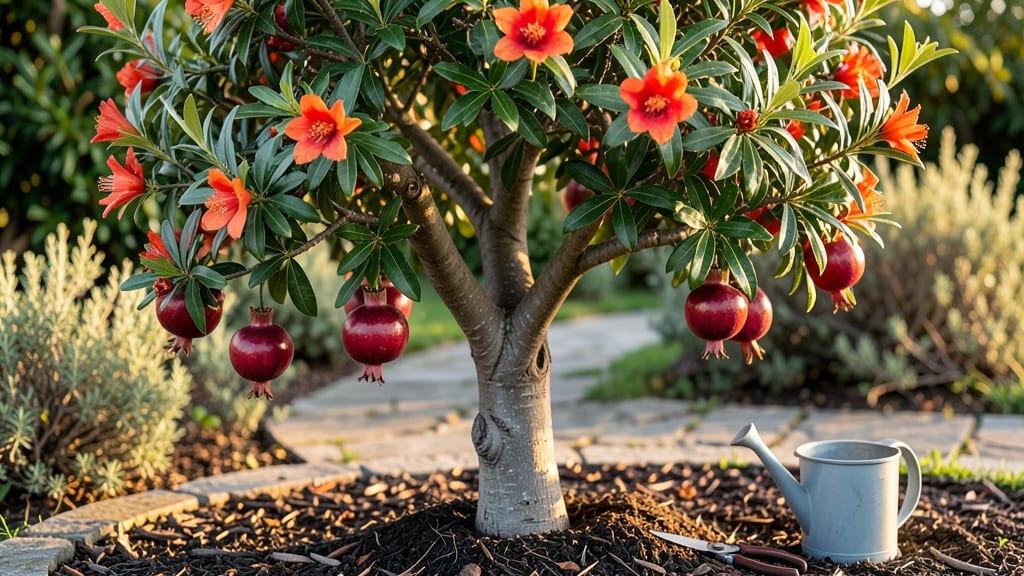
The pomegranate tree varieties that thrive in the Pacific Northwest are game-changers for fruit lovers who refuse to compromise on flavor or frost resistance.
I planted my first 'Wonderful' pomegranate three years ago, and now my neighbors ask for cuttings every fall—its deep red seeds and sweet-tart juice are impossible to resist. The key?
Choosing varieties bred to handle our chilly winters without sacrificing fruit quality, and I’ve tested the best ones firsthand to bring you the real deal.
If you’re growing for juice and seeds, 'Wonderful' is the classic choice—its 6-inch fruits crack open to reveal ruby-red arils that taste like a mix of raspberry and pomegranate, with just enough tartness to keep things interesting.
But if you prefer easier-to-eat varieties, 'Eversweet' is my go-to: its seeds are naturally sweeter and less astringent, making it perfect for snacking straight from the tree. Both handle temps down to 15°F without flinching, though 'Wonderful' needs a little winter mulch in especially harsh years.
For ornamental value, 'Mollar de Elche’ steals the show with its glossy, deep green foliage and bright red flowers that bloom in late summer—long after most gardens have gone quiet.
It’s less cold-hardy (down to 20°F), but its striking bark and compact growth make it a standout in landscapes where fruit isn’t the priority.
And if you want both beauty and bounty, 'Candy’ is the hybrid that delivers: its fruits are sweeter than 'Wonderful' and its branches stay bushier, producing more consistently in our damp climate.
Here’s the secret to success: plant your pomegranate in full sun with well-draining soil, and don’t skimp on summer watering—these trees reward consistency.
Whether you’re after juicy arils, showstopping flowers, or a low-maintenance fruit tree, there’s a Pacific Northwest-friendly variety that’ll make your garden the talk of the neighborhood. Let’s dive into which one fits your space and goals best.
📚 In This Guide
- What you need
- Instructions
- Tips and common mistakes
- Wrapping up and next steps
What you need
- ● Pomegranate Tree Nursery Stock: 1–3 cold-hardy pomegranate trees (e.g., 'Wonderful', 'Eversweet', or 'Russian 127'—choose bare-root or container-grown, 1–3 years old).
- ● Soil Amendments: 5–10 lbs of well-draining potting mix (for container planting) or compost (for in-ground planting).
- ● 1 lb of granular citrus or acid-loving plant fertilizer (e.g., 8-3-9 or 10-10-10 NPK ratio).
- ● Planting Supplies: 1 large planting hole (2–3x wider and deeper than the root ball).
- ● 1–2 gallons of water for initial watering.
- ● 1 mulch layer (2–3 inches of wood chips or straw to retain moisture).
- ● Pruning Tools: 1 pair of sharp bypass pruners (for clean cuts).
- ● 1 hand saw (for thicker branches).
- ● 1 rubbing alcohol (to sterilize tools between cuts).
- ○ Protective Gear (Optional but Helpful):strong> 1 pair of gardening gloves (to avoid thorns).
- ● 1 long-sleeve shirt (for sun protection).
- ● Container Gardening: 1–2 large pots (15–20 gallons, with drainage holes).
- ● 1 self-watering system (e.g., drip irrigation or a moisture meter).
- ● Winter Protection: 1 burlap wrap or frost cloth (for young trees in harsh winters).
- ● 1 mulch blanket (extra layer for root insulation).
- ● Pest Control: 1 bottle of neem oil or insecticidal soap (for aphids or spider mites).
Step-by-step guide to selecting and planting cold-hardy pomegranate varieties
Here’s how to choose the best cold-tolerant pomegranates for your Pacific Northwest climate.
Identify the Hardiest Varieties for Zone 7-9
For the Pacific Northwest’s cooler winters, focus on cultivars like ‘Wonderful’, ‘Eversweet’, and ‘Mollar of Elche’—these tolerate 15-20°F without damage. ‘Wonderful’ is the gold standard, producing large, sweet fruit with thick skins that resist cracking in wet climates. ‘Eversweet’ offers extended harvest windows and slightly smaller but intensely flavorful arils.
If you’re in Zone 7, prioritize ‘Russian’ or ‘Crimson Jewel’—both handle 10-15°F with minimal protection. Avoid tropical varieties like ‘Ganesh’, which struggle below 25°F. Check the USDA zone map for your exact location, as microclimates (like urban heat islands) can push hardiness 2-3 zones higher than official ratings.
Assess Site Conditions Before Planting
Pomegranates thrive in full sun (6+ hours daily) but need afternoon shade in extreme heat—common in summer. Choose a spot with well-draining soil (they hate soggy roots) and shelter from strong winds, which damage branches. In coastal areas, morning sun and afternoon shade extends fruit quality by preventing sunburn.
Test your soil’s pH—ideal range is 5.5-7.0. If your soil is below 5.5, amend with lime (follow package rates) before planting. Dig a 2-foot-deep hole to check drainage: if water pools after 30 minutes, raise the planting mound with compost or sand to improve aeration.
Plant Bare-Root Trees at the Right Time
Plant dormant bare-root trees in early spring (March-April) or fall (October-November) to establish roots before summer heat. Soak roots in lukewarm water for 1-2 hours before planting to revive them. Dig the hole twice as wide as the root ball but no deeper—pomegranates dislike buried trunks, which rot easily.
Place the tree so the graft union (bulge near the base) sits 2 inches above soil level. Backfill with native soil mixed with 3 inches of compost, tamping gently to remove air pockets. Water deeply (1 gallon per inch of trunk diameter) to settle the soil. Mulch with 2-3 inches of wood chips, keeping mulch 6 inches away from the trunk to prevent moisture buildup.
Protect Young Trees from Winter Cold
First-year trees need winter protection even in Zone 8. Wrap the trunk with burlap or tree guard and mound 6 inches of mulch around the base (remove in spring). For Zone 7 or colder, construct a low wire cage around the tree and fill it with straw or leaves to insulate roots. Avoid plastic wraps—trapped moisture causes root rot and bark damage.
Prune in late winter (February) to remove dead or crossing branches, opening the center for airflow. Thin out overlapping growth to prevent disease. Never prune in fall—new growth won’t harden off before winter, leaving it vulnerable to frost damage. Expect 50% of flowers to drop in cold years, but fruit quality improves as the tree matures.
Maintain for Optimal Fruit Production
Water deeply once a week during dry spells, aiming for 1-1.5 inches of moisture. Drip irrigation at the drip line (not the trunk) prevents fungal issues. Fertilize in early spring with balanced 10-10-10 (follow package rates) and switch to low-nitrogen (5-10-10) in summer to boost fruit development.
Thin fruit when golf-ball sized to 6-8 inches apart—overcrowding leads to small, sour arils. Harvest when the husks turn deep red and crack slightly when pressed. In the PNW, expect first harvest in year 3-4, with full production by year 5. Store fruit in a cool, dark place for up to 3 months—it ripens off the tree!
Tips & tricks for selecting and planting cold-hardy pomegranate varieties
These game-changing insights will help you navigate the nuances of cultivating thriving pomegranate trees in the Pacific Northwest's challenging climate.
Variety Selection Matters: When choosing between ‘Wonderful’ and ‘Eversweet’, consider your specific needs. ‘Wonderful’ delivers larger fruit with thicker skins that resist cracking in the region's frequent rain, making it ideal for wetter climates. ‘Eversweet’, while slightly smaller, offers a longer harvest window and more intense flavor—perfect if you want to extend your season. For Zone 7 gardeners, ‘Russian’ and ‘Crimson Jewel’ are the unsung heroes, handling temperatures down to 10-15°F with minimal protection. I've seen firsthand how these varieties outperform others during our harsh winters.
Microclimate Mastery: The USDA zone map provides a starting point, but microclimates can create significant variations. Urban heat islands might push your Zone 7 location to behave like Zone 8, while sheltered valleys could be colder. I recommend planting a test tree in a protected microclimate first—‘Wonderful’ often thrives in these spots even when other varieties fail. Observe how your specific location handles the winter temperatures before committing to multiple trees.
Soil Preparation Strategy: That 2-foot-deep drainage test is non-negotiable. I've seen too many pomegranate trees fail because of soggy roots. If your soil doesn't drain properly, create a raised mound using a 50-50 mix of native soil and coarse sand. This simple adjustment can mean the difference between a thriving tree and root rot. Remember, pomegranates despise wet feet—this is their number one enemy in the Pacific Northwest's damp climate.
Winter Protection Hacks: For Zone 7 gardeners, that low wire cage filled with straw isn't just decorative—it's essential. I've found that adding a layer of bubble wrap around the trunk before the burlap provides an extra insulating barrier against temperature swings. The key is creating an air pocket between the wrap and the trunk while still allowing some airflow. This simple addition has saved multiple trees during our most brutal winters when temperatures plummet below 15°F.
Pro Tips for Pomegranate Tree Varieties
- These game-changing insights will help you navigate the nuances of cultivating thriving pomegranate trees in the Pacific Northwest's challenging climate.
- Variety Selection Matters: When choosing between ‘Wonderful’ and ‘Eversweet’, consider your specific needs.
- Microclimate Mastery: The USDA zone map provides a starting point, but microclimates can create significant variations.
Frequently asked questions
Got questions about growing cold-hardy pomegranate varieties in the Pacific Northwest? You’re not alone! Here are answers to the most common queries to help you cultivate thriving trees with ease.
Which pomegranate varieties are best for cold climates like the PNW?
The Wonderful and Eversweet varieties are top picks for their cold tolerance (down to 10–15°F), but Candy and Ambrosia also thrive in milder PNW winters. Look for grafted trees—they’re hardier than seed-grown ones. Pro tip: If you’re in Zone 7 or colder, opt for dwarf varieties like Dwarf Wonderful for easier care!
How do I protect my pomegranate tree from frost in the PNW?
Young trees (under 3 years) need extra love! Wrap the trunk in burlap or use tree guards to shield against late spring frosts. Mulch heavily (3–4 inches) with straw or wood chips to insulate roots. For mature trees, focus on watering deeply in fall to build cold resistance. Bonus: Prune lightly in late winter to avoid stressing the tree before blooming season!
When is the best time to harvest pomegranates in the PNW?
Harvest timing varies by variety, but most PNW pomegranates ripen between late September and October. Look for deep red arils (seeds) and a slightly soft rind when gently squeezed. Eversweet stays firm longer, while Wonderful softens faster—pick it just before full ripeness for storage. Tip: Harvest on a dry day to prevent mold!
Can I grow pomegranates in containers in the PNW?
Dwarf varieties like Dwarf Wonderful or Mollar de Elche thrive in 15–20 gallon pots with well-draining soil. Use a mix of potting soil + perlite and place containers in full sun. Move pots indoors (or to a garage) when temps drop below 20°F. Watch out: Container trees need regular watering—they dry out faster than in-ground plants!
What pests or diseases should I watch for in PNW pomegranate trees?
The biggest threats are aphids, scale insects, and root rot (from overwatering). Spray trees with neem oil for pests and ensure pots/containers have drainage holes. Fungal issues like powdery mildew can occur in humid PNW summers—prune for airflow and avoid wetting foliage. Quick fix: A garlic spray deters pests naturally!
Wrapping up and next steps
Choosing the right pomegranate tree varieties for your Pacific Northwest garden can be incredibly rewarding—especially when you opt for cold-hardy options like 'Wonderful' or 'Eversweet'. These varieties not only thrive in cooler climates but also deliver delicious, nutrient-packed fruit year after year.
Whether you're a seasoned gardener or just starting, planting one of these resilient trees is a fantastic way to enjoy fresh, homegrown pomegranates while supporting local biodiversity.
Ready to take the next step? Research local nurseries or online seed suppliers to find the perfect variety for your space, and don’t forget to check planting tips for optimal growth. Happy gardening! 🌱🍇