
Pruning
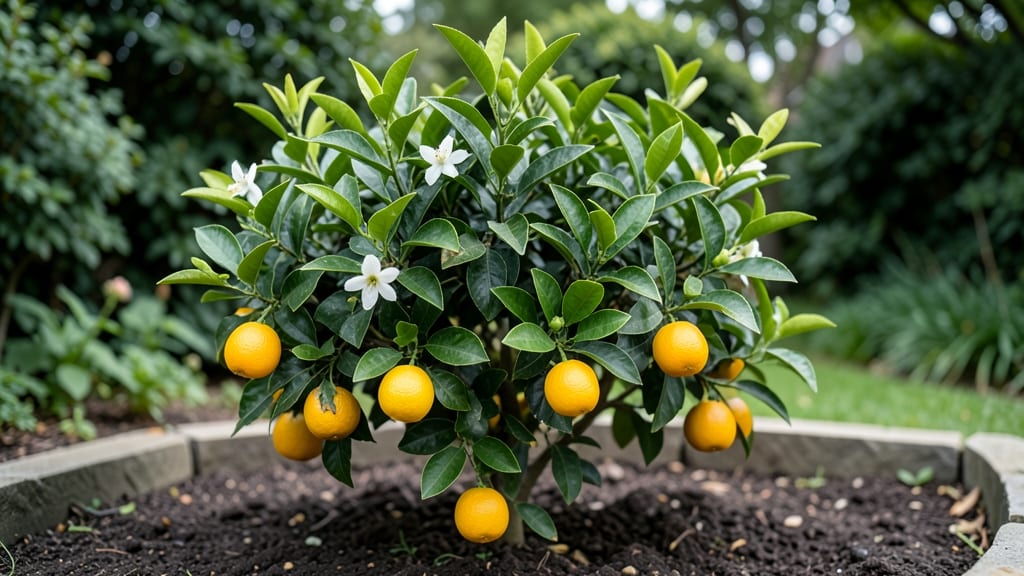
The satsuma fruit tree thrives in Pacific Northwest winters—unlike most citrus, it handles frost down to 10°F, making it the perfect choice for orchards from Seattle to Portland.
I planted mine in a sheltered corner of my backyard last fall, and now it’s bursting with sweet, seedless fruit by December. The key? Choosing the right variety (like 'Owari' or 'Okitsu') and giving it the right winter protection.
You’ll need well-draining soil, full sun (at least 6 hours daily), and a spot sheltered from harsh winds. Satsumas love sandy loam mixed with compost, and they’re surprisingly drought-tolerant once established—just water deeply once a week during dry spells.
Pruning in late winter (before buds swell) keeps the tree open to sunlight and air, preventing fungal issues that plague many PNW gardens.
By late summer, you’ll see bright green fruit ripening into golden, fragrant orbs—no chemicals needed. The real magic happens in winter when neighbors stop by just to taste your harvest.
With proper care, a mature tree can produce 50-100 pounds of fruit annually, enough to share with friends or freeze for smoothies.
Even experienced growers hit snags—like overwatering in winter or forgetting to prune for airflow. I’ll cover those pitfalls (and how to avoid them) so your tree stays healthy year-round. Let’s get growing!
📚 In This Guide
- What you need
- Instructions
- Tips and common mistakes
- Wrapping up and next steps
What you need
- ● Cold-hardy satsuma tree sapling: Choose a Citrus unshiu variety like 'Owari' or 'Brown Select' (USDA Zones 7-9 with winter protection).
- ● Pruning shears: Sharp, bypass-type shears (for clean cuts).
- ● Loppers: For thicker branches (1-2" diameter).
- ○ Pruning saw: For larger limbs (optional but helpful).
- ● Disinfectant (70% isopropyl alcohol or bleach solution): To sterilize tools between cuts.
- ● Garden gloves: Heavy-duty to protect hands from thorns.
- ● Mulch (straw, wood chips, or pine needles): 2-3 inches thick to insulate roots.
- ● Frost cloth or bubble wrap: For wrapping young trees in winter.
- ● Tree ties or soft rope: To support branches during growth.
- ● Slow-release fertilizer (10-10-10 or citrus-specific): 1-2 lbs per tree (spring/fall).
- ● Drip irrigation system: For consistent moisture (critical in PNW’s dry summers).
- ● Soil pH test kit: Aim for 6.0-7.0 (satsumas prefer slightly acidic soil).
- ● Citrus-specific fungicide (copper-based): For disease prevention (e.g., citrus canker).
Step-by-step guide for planting and caring for satsuma fruit trees in cold climates
Cold-resistant citrus thrives with the right approach—here's how to grow Satsumas successfully in the Pacific Northwest.
🌱 Step 1: Select and Prepare the Planting Site
Choose a location with partial sun exposure—at least 6 hours of sunlight daily—but protect the tree from harsh afternoon sun in summer. Satsumas tolerate cooler climates better than most citrus, but they still need shelter from strong winds and freezing temperatures. A south-facing wall or fence provides winter protection while allowing winter sun exposure.
Test your soil first—Satsumas prefer slightly acidic to neutral pH (6.0-7.0). If your soil is heavy clay, amend it with 2-3 inches of compost mixed into the top 12 inches of soil before planting. Avoid low-lying areas where cold air collects, as even cold-hardy Satsumas can suffer damage below 15°F.
🌿 Step 2: Plant at the Right Time and Depth
Plant your bare-root Satsuma sapling in early spring, after the last frost date in your area. Dig a hole twice as wide as the root ball but only as deep—the top of the root ball should sit 1 inch above ground level. This prevents waterlogging and allows for natural settling.
Gently loosen the roots if they're circling and position the tree so the graft union (visible as a slight bump near the base) faces south. Backfill with native soil mixed with 1 part compost to improve drainage and fertility. Water deeply right after planting to eliminate air pockets and encourage root contact with the soil.
☀️ Step 3: Establish Proper Watering and Mulching Routines
Water deeply once a week during the first growing season, ensuring moisture reaches 12-18 inches deep. Satsumas are drought-tolerant once established, but young trees need consistent moisture to develop strong roots. You'll know watering is adequate when the soil feels damp 3 inches below the surface—not soggy, not bone-dry.
Apply 3-4 inches of organic mulch (like wood chips or straw) around the base, keeping it 6 inches away from the trunk. Mulch retains soil moisture, regulates temperature, and suppresses weeds. Replenish mulch annually in early spring to maintain its effectiveness. Avoid synthetic mulches—they don't break down and can disrupt soil health.
✂️ Step 4: Prune and Protect for Winter Hardiness
Prune in late winter or early spring before new growth begins. Remove any dead, diseased, or crossing branches first, then thin the canopy to improve airflow. Satsumas naturally grow in a rounded shape, so aim to maintain that form. Avoid heavy pruning—never remove more than 25% of the foliage in one season, as this stresses the tree.
For winter protection, wrap the trunk with burlap or tree wrap to prevent sunscald (damage from winter sun on frozen bark). In areas with hard freezes below 10°F, mound 6-12 inches of soil or mulch around the base of the tree for extra insulation. Remove the mound in early spring once temperatures stabilize above 40°F to prevent rot.
🪴 Step 5: Fertilize and Monitor for Pests/Diseases
Fertilize twice a year—once in early spring (when new growth begins) and again in mid-summer (after harvest). Use a balanced citrus fertilizer (like 6-6-6) at half the recommended rate for young trees, increasing to full strength once the tree is 3-4 years old. Over-fertilizing leads to excessive leaf growth at the expense of fruit production.
Watch for aphids, scale insects, and citrus leaf miners, which are common pests. Treat infestations early with neem oil or insecticidal soap, applying in the early morning or late evening to avoid harming beneficial insects. Yellowing leaves often signal nutrient deficiency (usually nitrogen or iron) or overwatering—adjust care based on soil moisture and leaf color.
Tips & tricks for perfect satsuma fruit tree cultivation
Growing cold-hardy citrus like Satsumas in the Pacific Northwest requires some strategic adjustments—here's how to set your tree up for success from day one.
Site Selection Insight: When evaluating your planting location, pay special attention to winter sun exposure patterns. While Satsumas tolerate cooler climates better than most citrus, they still need at least 6 hours of sunlight daily—prioritize southern exposure to maximize winter sun while protecting from harsh afternoon sun in summer. I've seen trees in microclimates with south-facing walls thrive where others in open areas struggle, especially when winter temperatures dip below 15°F. Consider using a simple solar tracker app to map your yard's sun patterns before planting.
Soil Preparation Strategy: The 6.0-7.0 pH range is crucial, but don't stop at testing—actively amend your soil with 2-3 inches of compost mixed into the top 12 inches before planting. For heavy clay soils, I recommend adding 1 part sand to every 3 parts soil to improve drainage without altering the pH significantly. This prevents waterlogging which can stress young roots, especially during the first growing season when you're watering deeply once a week.
Planting Depth Technique: Positioning the root ball with the top 1 inch above ground level might seem counterintuitive, but this prevents waterlogging while allowing natural settling. After planting, I always create a slight berm around the base to encourage water to pool and soak in during those critical first weeks. This is particularly important in areas where winter temperatures can drop below 10°F—proper drainage prevents root rot that can occur when frozen soil thaws.
Winter Protection Pro Tip: For trees in zones with hard freezes below 10°F, I've found that using a combination of 6-12 inches of straw mulch around the base plus a burlap wrap on the trunk provides better insulation than soil mounds alone. The straw acts as a thermal blanket while preventing moisture buildup against the bark. Remember to remove the mound in early spring once temperatures stabilize above 40°F—I've seen cases where delayed removal caused rot in the graft union area.
Pro Tips for Satsuma Fruit Tree
- Growing cold-hardy citrus like Satsumas in the Pacific Northwest requires some strategic adjustments—here's how to set your tree up for success from day one.
- Site Selection Insight: When evaluating your planting location, pay special attention to winter sun exposure patterns.
- Soil Preparation Strategy: The 6.0-7.0 pH range is crucial, but don't stop at testing—actively amend your soil with 2-3 inches of compost mixed into the top 12 inches before planting.
Frequently asked questions
Got questions about growing satsuma fruit trees in the Pacific Northwest? You’re not alone!
Here are answers to the most common concerns—from cold hardiness to harvest tips—so you can grow these sweet, seedless citrus trees with confidence.
How cold can satsuma trees tolerate?
Satsumas are the only citrus trees that thrive in the PNW’s chilly winters! Most varieties handle temperatures down to 10–15°F (-12 to -9°C). However, young trees or newly planted saplings may need winter protection (like frost cloth) until established. Look for Owari satsumas—they’re the hardiest choice!
When should I plant a satsuma tree in the Pacific Northwest?
Plant satsuma trees in early spring (March–April) or fall (September–October) for best results. Spring planting gives roots time to establish before summer heat, while fall planting avoids winter stress. Avoid planting in hot summer months—young trees can struggle with transplant shock.
Do satsumas need cross-pollination?
Nope! Satsumas are self-pollinating, meaning you only need one tree to produce fruit. However, planting two trees (like Owari and Eureka varieties) can boost yields slightly. Bonus: Their fragrant blossoms attract pollinators, too!
Why aren’t my satsuma leaves turning green?
Yellow or pale leaves often signal nutrient deficiencies (like nitrogen or iron) or overwatering. Test your soil and amend with citrus-specific fertilizer if needed. Yellowing leaves can also mean root rot—ensure your tree has well-draining soil and isn’t sitting in soggy ground.
Can I grow satsumas in containers?
Dwarf satsuma varieties (like ‘Little Gem’) thrive in 15–20 gallon pots with drainage holes. Use a citrus potting mix and move containers indoors or to a garage when temps drop below 20°F (-7°C). Just remember: Container-grown trees need more frequent watering and fertilizer.
Should I prune satsumas in winter?
Light pruning in late winter (February) helps shape your tree and removes dead wood. Avoid heavy pruning—satsumas fruit on current season’s growth, so trim sparingly. Focus on opening the canopy for airflow and sunlight. Pro tip: Sterilize pruners with rubbing alcohol to prevent disease!
Wrapping up and next steps
Growing a satsuma fruit tree in the Pacific Northwest is not only rewarding but also a breeze with cold-resistant varieties like Owari or Okitsu. These trees thrive in your climate, offering sweet, seedless fruit with minimal fuss—just prune wisely, protect from frost, and enjoy the harvest! 🌱
Ready to turn your garden into a citrus oasis? Start by selecting your favorite variety, gathering your tools, and scheduling your first pruning session this fall. Your future harvest is just a few snips away!