
Trees
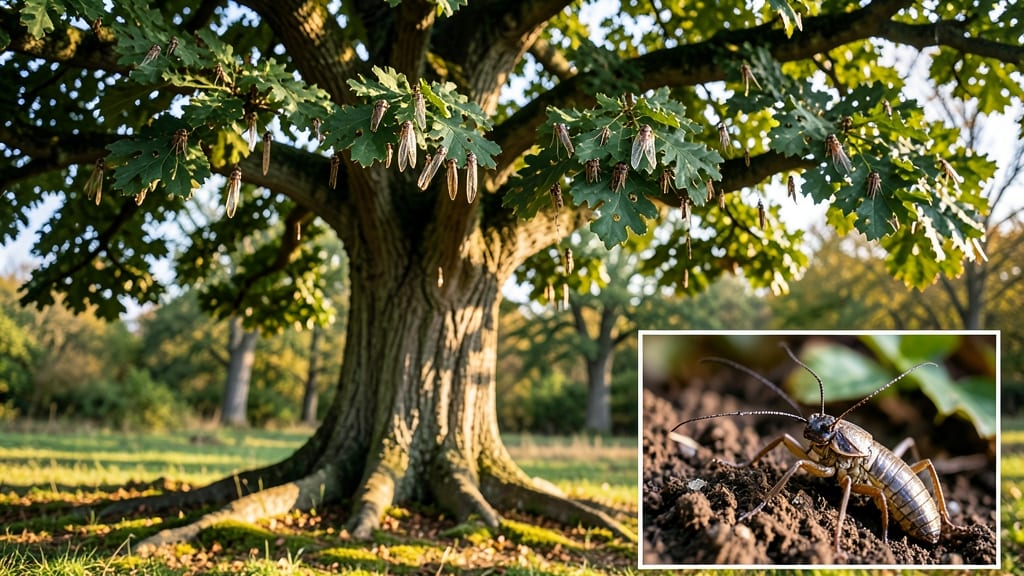
Do cicadas harm trees—or is the annual swarm just a temporary inconvenience for your leafy neighbors? 🌳 The truth is more nuanced than the panic headlines suggest—while they do feed on tree sap, most healthy trees shrug off the damage like a summer rain shower.
The real concern comes when weak trees get overwhelmed, but even then, the harm is usually temporary.
Here’s the kicker: cicadas are nature’s snack, not tree assassins. Their feeding leaves tiny scars on branches, but a mature oak or maple can handle thousands without breaking a sweat. The bigger threat? Birds and squirrels descending like vultures after the cicadas emerge—but that’s a separate (and fixable) problem.
You’ll spot trouble if you see excessive wilting, yellowing leaves, or sap oozing in large patches. That’s when you’d need to step in with pruning weak branches or encouraging natural predators like birds. Otherwise? Let them party—they’ll be gone before you know it, leaving behind a boosted ecosystem.
For most gardeners, the answer is simple: relax. Cicadas are a seasonal spectacle, not a tree apocalypse. The real work comes when you do see stress signs—and even then, prevention is easier than you’d think. Let’s break down what to watch for and when to act.
📚 In This Guide
- What you need
- Instructions
- Tips and common mistakes
- Wrapping up and next steps
What you need
- ● Safety gear: Nitrile gloves (1–2 pairs) 🧤
- ● Safety goggles (1 pair) 👓
- ● Long sleeves and pants (lightweight fabric) 👕
- ● Inspection tools: Hand lens/magnifying glass (10x magnification) 🔍
- ● Pruning shears (bypass type, 6–8 inch blades) ✂️
- ● Small shovel or trowel (for root checks) 🏗️
- ● Documentation supplies: Notebook or smartphone with a camera 📸
- ● Pencil or pen (for notes) ✍️
- ● Soil moisture meter (to check for stress signs) 💧
- ● Tree identification app (e.g., PictureThis or LeafSnap) 📱
- ● Insect net (for collecting cicada samples, if curious!) 🪰
- ● Hose with nozzle (for rinsing off leaves to spot damage) 💦
Understanding cicada behavior: how to protect your trees
Here's what you need to know to keep your yard's trees safe during the next big emergence.
🌿 Step 1: Recognize Normal Cicada Activity
Cicadas don't actually harm healthy trees. Their feeding behavior—chewing on leaves, stems, and branches—is usually harmless to mature trees. Think of them like nature's lawnmower: they'll nibble, but established trees shrug it off. The real concern comes when you see large numbers of cicadas concentrated on young, weak, or stressed trees.
Look for small, irregular holes in leaves or stems, not clean cuts. These telltale signs mean cicadas are present, but don't panic—they're not doing serious damage. Healthy trees can handle this activity without long-term effects. The key is observing the overall tree condition, not just the cicada presence.
🌱 Step 2: Identify At-Risk Trees
Young trees, recently transplanted trees, and those already struggling with disease or drought are the ones that need extra attention. Cicadas won't target these trees out of malice—they're just more vulnerable. If you see newly planted saplings or trees with yellowing leaves before the cicadas arrive, those are the ones to monitor closely.
Pay attention to tree species too. Some, like oaks and maples, handle cicada feeding better than others. Fruit trees and nut trees often suffer more noticeable damage because their leaves are more tender. If your yard has a mix of tree types, prioritize protecting the more delicate ones during emergence season.
☀️ Step 3: Protect Vulnerable Trees Proactively
For trees that can't handle cicada feeding, use fine mesh netting (like tulle fabric) to cover them during emergence. Secure it tightly around the trunk and branches—cicadas are persistent, so leave no gaps. This isn't permanent; you'll only need it for 4-6 weeks during peak emergence when most feeding occurs.
Water deeply before and during emergence to help trees recover from any stress. Cicadas prefer stressed trees, so keeping your trees well-hydrated makes them less appealing. A 1-inch deep watering per week (more in extreme heat) keeps roots healthy and gives trees the strength to bounce back from any minor damage.
✂️ Step 4: Clean Up After Emergence
Once the cicadas move on (usually after 6-8 weeks of feeding), remove any heavily damaged leaves or branches. Use clean, sharp pruners to make 45-degree cuts just above a leaf node or bud. This encourages new growth and prevents disease from entering through ragged cuts.
Don't over-prune—healthy trees can regrow leaves quickly. Focus on removing only the most damaged areas. After cleanup, apply a balanced fertilizer to help trees recover. The goal is to restore their energy reserves so they're ready for next year's cicada season.
🪴 Step 5: Monitor Long-Term Tree Health
Keep an eye on your trees for 3-4 weeks after cicada activity to spot any delayed stress signs. Look for new leaf growth—this is your best indicator that the tree is recovering. If you notice wilting, leaf drop, or oozing sap at the pruning cuts, your tree may need extra care like a fungicide treatment or professional arborist consult.
Healthy trees rarely show long-term damage from cicadas. The ones that do are already struggling with other issues. Use this emergence as a chance to assess your yard's tree health overall. If multiple trees are affected, it might signal underlying problems like compacted soil, pest infestations, or improper watering—address those first.
Tips & tricks for protecting trees during cicada emergence
Here's what nobody tells you about keeping your trees safe during those noisy cicada seasons.
Visual Clues Matter: In Step 1, when you're checking for cicada activity, focus on the pattern of leaf damage—not just the presence of holes. Cicadas create small, irregular holes (like tiny confetti), while other pests leave clean cuts or skeletonized leaves. This distinction helps you determine if cicadas are the real issue or if something else is stressing your trees.
Species-Specific Strategy: Step 2 highlights that not all trees are created equal—fruit trees and nut trees are particularly vulnerable. If you have a mix of species, prioritize protecting these delicate ones first. For example, young apple trees or newly planted pecan saplings should get that fine mesh netting mentioned in Step 3, while mature oaks can often handle cicadas without intervention.
Timing is Everything: The 4-6 week window for netting in Step 3 is critical. Cicadas emerge in waves, so don't remove the netting too early—wait until you've seen no new cicadas for at least 7-10 days. Similarly, the post-emergence cleanup in Step 4 should happen after those 6-8 weeks of feeding, not before. Patience here prevents reinfestation and gives your trees time to recover.
Watering Wisdom: That 1-inch weekly watering recommendation in Step 3 is a baseline, but adjust for your climate. In extreme heat (above 90°F), increase to 1.5 inches per week. The key is keeping soil consistently moist—not soggy. Use a rain gauge or tuna can to measure accurately, and water early in the morning to reduce evaporation.
Pro Tips for Do Cicadas Harm Trees
- Here's what nobody tells you about keeping your trees safe during those noisy cicada seasons.
- Visual Clues Matter: In Step 1, when you're checking for cicada activity, focus on the pattern of leaf damage—not just the presence of holes.
- Species-Specific Strategy: Step 2 highlights that not all trees are created equal—fruit trees and nut trees are particularly vulnerable.
Frequently asked questions
Got questions about cicadas and trees?
You’re not alone! Here are some of the most common concerns—plus science-backed answers to put your mind at ease.
Do cicadas kill trees?
No—cicadas don’t harm healthy trees directly. While they lay eggs in branches (usually twigs <1/4 inch thick), the damage is minimal. Trees naturally shed small branches, and cicada egg slits heal over time. Only weak or stressed trees may suffer slight setbacks, but full recovery is typical.
When should I worry about cicada damage?
Watch for excessive wilting, leaf drop, or dieback in young or already struggling trees. If you see large numbers of cicadas (like during a 17-year brood emergence), monitor for egg-laying scars—but don’t panic. Most trees bounce back within a season. Prune damaged twigs in late winter to help.
Can I protect my trees from cicadas?
There’s no need for drastic measures! Netting young trees during emergence (May–June) can help, but it’s rarely necessary. For mature trees, watering deeply and fertilizing in early spring strengthens resilience. Avoid pesticides—they’re ineffective and harm beneficial insects.
Will cicadas return every year?
Not all cicadas are annual pests! Periodical cicadas (like Brood X) emerge in 13–17-year cycles, while annual cicadas appear yearly. If your area has a history of periodical broods, mark your calendar—next emergence could be in 2038! Annual cicadas are less disruptive but still harmless.
What if my tree looks dead after cicadas?
First, check for other signs of stress (disease, pests, or drought). Cicadas alone won’t kill a tree, but combine stress factors (like poor soil or root issues) could. If branches are dry and brittle beyond cicada scars, consult an arborist. Prune deadwood in dormant season (late winter) to encourage new growth.
Still unsure? Snap a photo of your tree’s damage and compare it to cicada egg scars (tiny slits, not holes). When in doubt, a local extension office can help diagnose!
Wrapping up and next steps
So, do cicadas harm trees? The short answer is not usually—but it depends on the species and circumstances! 🌳 While periodic cicadas may stress trees during their emergence, most trees recover just fine. Brood X and other invasive species can cause temporary damage, but healthy trees often bounce back.
If you're concerned, focus on preventive care like proper watering and mulching to keep your trees resilient.
Ready to take action? Monitor your trees during cicada season and give them a little extra love to ensure they thrive long after the buzzing stops. Your green friends will thank you! 🌿