
Pruning
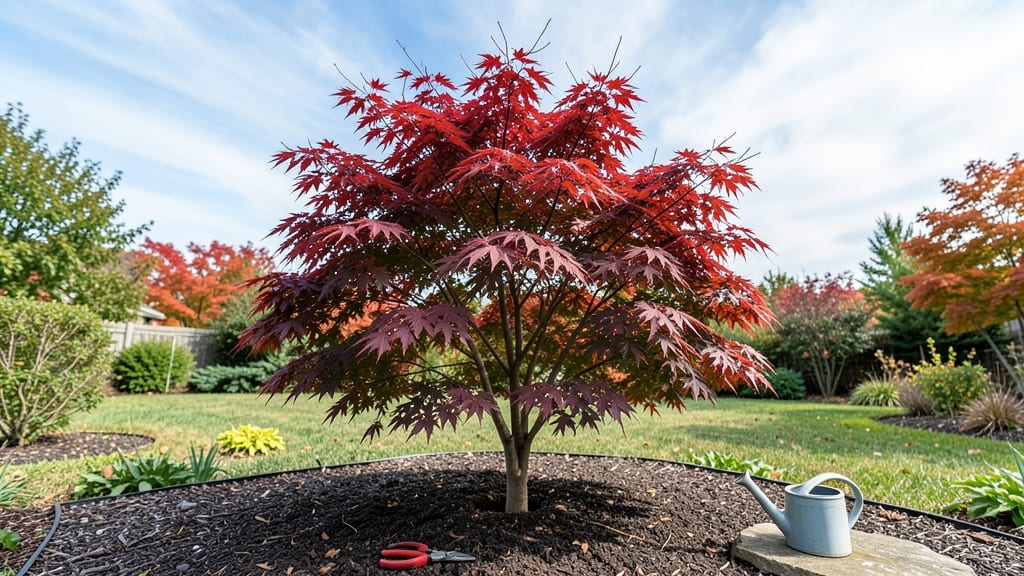
The red-tipped maple tree (Acer palmatum) thrives in the Pacific Northwest’s chilly climate, and pruning it right ensures those fiery fall colors for years. I’ve learned the hard way—skipping the winter trim means weak branches and fewer vibrant leaves by autumn.
The key is timing: prune in late winter or early spring before new growth starts, when the tree’s energy is dormant but ready to rebound.
You’ll need sharp pruners, a ladder if branches are high, and a clear day to spot dead wood. Focus on removing crossing branches first—they compete for sunlight and weaken the tree’s structure. Then, thin out the center to improve airflow, which is especially important in our damp climate.
A 30-minute session now means a stronger tree by summer, with fewer pests and better color intensity.
By late summer, you’ll see the payoff: deep red foliage that turns even more vibrant in fall, and a canopy that lets sunlight reach the ground. The tree’s natural shape stays elegant, but strategic cuts keep it healthy.
Just avoid heavy pruning after July—new growth won’t harden off before winter, and frost damage becomes a risk.
This calendar works for Acer palmatum ‘Bloodgood’ and similar cultivars, whether you’re shaping a young tree or maintaining an established one. The Pacific Northwest’s mild winters mean fewer pruning windows, so plan ahead. With this schedule, your red-tipped maple will be the showstopper of your yard every season.
📚 In This Guide
- What you need
- Instructions
- Tips and common mistakes
- Wrapping up and next steps
What you need
- ● Pruning shears or lopers: Bypass pruners (for cuts under ½ inch) or lopers (for thicker branches up to 1.5 inches). Sharpness is key—dull blades tear wood!
- ● Hand pruners: For precision cuts on small branches (1-inch diameter max). Look for bypass-style (not anvil) for cleaner cuts.
- ● Pruning saw: Curved-tooth saw for branches thicker than 1.5 inches. 10-12 inch blade works best for maples.
- ● Gloves: Heavy-duty, cut-resistant gloves (e.g., Mechanix or gardening-specific) to protect from thorns and rough bark.
- ● Disinfectant: 70% isopropyl alcohol or a pruning sealant (like Tanglefoot Tree Wound Pruning Seal) to prevent disease spread.
- ● Ladder or step stool: Sturdy, extendable ladder (24+ ft for mature trees) or a stable step stool (for younger trees). Safety first—never stand on wobbly surfaces!
- ● Heavy-duty trash bags: 30-gallon bags for collecting debris. Knot them tightly to avoid spreading pests.
- ○ Marking twine or flags: Colored twine or bright flags to tag branches for removal (optional but helpful for complex pruning).
- ● Pole saw: For high branches (12–18 ft reach). Great for avoiding ladders!
- ● Tree wound dressing: Controversial but some swear by it for large cuts (e.g., Tanglefoot Tree Wound Pruning Paste).
- ● Work gloves with grip: For extra comfort during long sessions.
- ● First-aid kit: Bandages and antiseptic wipes for minor scrapes.
- ● Camera or phone: To document your tree’s progress before/after pruning.
- ● Weather check: Prune on a dry, calm day (avoid wind or rain).
- ● Tree health: Wait until your maple is fully dormant (late fall/winter) for major cuts to avoid stress.
- ● Safety gear: Eye protection (goggles) and closed-toe shoes are a must.
- ● Local regulations: Check if your area requires a permit for large tree work (common in urban PNW areas).
Step-by-step guide to pruning your red-tipped maple tree
Pruning this iconic Pacific Northwest tree keeps it healthy and frost-resistant—here's when and how to do it.
Time Pruning for Frost Resistance
Late winter, just before buds swell, is your best window—typically February through early March in the Pacific Northwest. This timing ensures you remove dead wood before spring growth begins, while dormant branches won't bleed sap excessively. Avoid pruning in fall or early winter when frost can damage fresh cuts.
Watch for dormant buds starting to plump up along branches—that's your signal to prune. If you miss this window, wait until early summer after the tree finishes its main flush of growth, but expect more sap bleeding and slower healing.
Remove Dead, Diseased, or Crossing Branches
Start by cutting out any branches that are dead, diseased, or crossing—these are your priorities. Use clean, sharp pruning shears to make cuts just outside the branch collar (the swollen area where the branch meets the trunk). This prevents tearing and promotes faster healing.
Look for branches with no green tissue when scratched (dead wood) or those rubbing against others (crossing branches). Remove these first—they're the easiest to spot and cause the most long-term damage. Never leave stubs; always cut back to the branch collar for a clean wound.
Thin the Canopy for Airflow
Selectively thin the canopy to improve airflow and reduce frost pockets. Aim to remove 20-30% of the smallest branches from the outer canopy first. This opens up the tree to sunlight and prevents ice buildup in dense areas during winter storms.
Focus on branches growing inward or downward—they create dense clusters where frost can linger. Step back frequently to visualize the tree's structure. You want an open, airy shape that lets sunlight reach the lower branches. Avoid over-thinning; a balanced canopy supports better frost resistance.
Shape for Frost Resistance
Lightly shape the tree to encourage a strong, upright form. Red-tipped maples naturally grow with layered branches, but pruning can help create a more balanced silhouette. Remove any branches growing at sharp angles (less than 45 degrees) from the trunk or main branches—they're more likely to break under snow or ice.
Pay special attention to the lower branches. While you might be tempted to remove them for a cleaner look, leaving some lower branches helps protect the tree from frost damage by creating a windbreak effect. Only remove lower branches if they're dead, diseased, or rubbing against others.
Clean Up and Monitor
After pruning, rake up and dispose of all debris to prevent disease. Sterilize your pruning tools with rubbing alcohol or a 10% bleach solution to avoid spreading pathogens. Wipe down the blades thoroughly before storing them.
Monitor the tree over the next few weeks for signs of stress, like excessive sap bleeding or wilting. If you see yellowing leaves or dieback, you may have pruned too aggressively. Red-tipped maples are resilient, but they recover best from gradual, strategic pruning. Water deeply if the following summer is particularly dry.
Tips & tricks for perfect red-tipped maple tree pruning
Here's what nobody tells you about getting your Pacific Northwest maple looking its best while keeping it frost-proof.
Timing is Everything: February through early March is your ideal window because that's when the tree is still dormant but the buds are starting to swell. I learned this the hard way after pruning too early and watching my tree struggle with excessive sap bleeding. If you miss this window, wait until early summer after the main flush of growth—but be prepared for slower healing and more sap. The key is to prune just before new growth begins.
Branch Collar Matters: Always cut just outside the branch collar, that swollen area where the branch meets the trunk. I see people leaving stubs all the time, thinking it looks cleaner, but this actually invites disease and slows healing. The branch collar contains healing tissues that help the tree recover faster. If you cut too close or leave stubs, you're basically creating open wounds on your tree.
Visualize the Canopy: When thinning the canopy, step back frequently to visualize the tree's structure. You're aiming for an open, airy shape that lets sunlight reach all branches. I like to imagine I'm looking at a bird's-eye view—this helps me spot branches growing inward or downward that create frost pockets. Remember, you want to remove 20-30% of the smallest outer branches, not more. Over-thinning can stress the tree and make it more vulnerable to frost damage.
Tool Maintenance is Critical: After pruning, sterilize your tools with rubbing alcohol or a 10% bleach solution—this prevents spreading pathogens between cuts. I've seen people skip this step and end up with infected branches that take years to recover. Also, always wipe down blades thoroughly before storing them. Clean tools mean healthier trees and fewer problems down the road.
Pro Tips for Red Tipped Maple Tree
- Here's what nobody tells you about getting your Pacific Northwest maple looking its best while keeping it frost-proof.
- Timing is Everything: February through early March is your ideal window because that's when the tree is still dormant but the buds are starting to swell.
- Branch Collar Matters: Always cut just outside the branch collar, that swollen area where the branch meets the trunk.
Frequently asked questions
When is the best time to prune a red-tipped maple tree?
The ideal time to prune is late winter to early spring (February–March), just before new growth begins. Avoid pruning in fall or winter when the tree is dormant, as this can invite disease. If you must prune in summer, do so only to remove dead or hazardous branches—never more than 10% of the canopy at once.
How cold-hardy is a red-tipped maple tree?
Red-tipped maples are highly frost-resistant, thriving in USDA Zones 5–8. They can handle temperatures as low as -20°F (-29°C) without issue, making them perfect for the PNW’s chilly winters. Just ensure they’re planted in well-draining soil to prevent root rot from winter moisture.
What’s the difference between pruning for shape vs. health?
Pruning for shape focuses on removing branches to improve structure (e.g., thinning out crowded limbs or opening the canopy for sunlight). Pruning for health targets dead, diseased, or crossing branches—always prioritize this over cosmetic cuts. Use clean, sharp tools to prevent damage and infection.
Why are my red-tipped maple leaves turning yellow or brown?
Yellowing leaves often signal overwatering or nutrient deficiencies (like iron chlorosis), while brown edges can mean underwatering or drought stress. Check soil moisture and adjust watering—red-tipped maples prefer consistently moist but not soggy soil. If chlorosis persists, amend soil with chelated iron or mulch to improve root health.
Can I grow a red-tipped maple in a container or small yard?
While possible, red-tipped maples grow 15–25 feet tall and need space for their spreading canopy. For containers, choose a large (20+ gallon) pot with drainage and prune aggressively to limit size—but expect slower growth. In small yards, opt for dwarf varieties like ‘Emberglow’ or plant near property lines to accommodate their width.
Pro Tip: Always sterilize pruning tools with 70% isopropyl alcohol between cuts to prevent spreading fungal diseases like anthracnose, common in maples.
Wrapping up and next steps
Your red-tipped maple tree is a stunning addition to the Pacific Northwest’s landscape—and with the right pruning strategy, it’ll thrive for years to come! 🌿 By following this frost-resistant pruning calendar, you’ve got all the tools to keep your tree healthy, vibrant, and ready to dazzle with its fiery foliage.
Whether you’re a seasoned gardener or just starting out, every careful cut brings you closer to a stronger, more beautiful tree.
Ready to take the next step? Grab your pruners, mark your calendar, and give your red-tipped maple the love it deserves—your future self (and your tree!) will thank you. 🌟