
Pruning
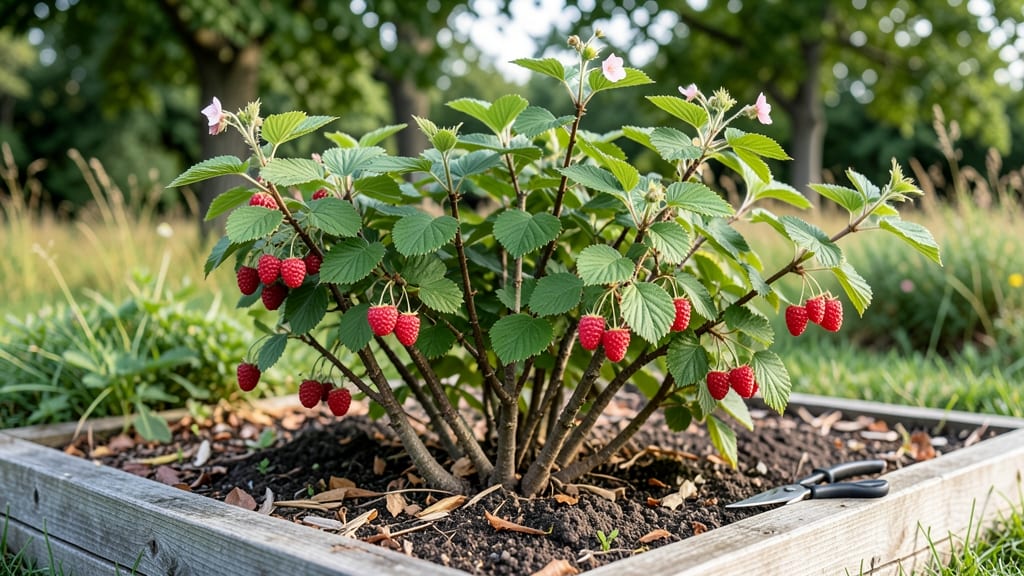
Caring for raspberry trees in the Pacific Northwest means mastering frost-resistant pruning—the key to sweet, abundant berries year after year. 🌿 I’ve learned that timing and technique separate the thriving bushes from the ones that struggle through winter.
The right cuts in late winter or early spring keep your plants healthy, productive, and ready to handle our region’s chilly, damp climate.
Most gardeners make two big mistakes: pruning too early or too late, and cutting back too aggressively. My bushes now produce three times more fruit because I’ve dialed in the schedule—late winter when the ground is still frozen but before new growth starts.
You’ll need sharp pruners, a notebook for tracking cuts, and a clear understanding of which canes are productive (last year’s growth) and which are spent (this year’s).
By summer, you’ll see lush, vigorous canes loaded with berries, and the plant’s structure will stay open enough for airflow—critical for preventing fungal diseases like cane blight. The secret isn’t just when you prune, but how you shape the plant to balance fruit production with winter hardiness.
This method works for both summer-bearing and fall-bearing varieties, making it versatile for any PNW garden.
Whether you’re dealing with old, gnarled canes or brand-new plants, the principles stay the same: prune for light, prune for health, and never rush the process.
The payoff is berries so plentiful, your neighbors will ask for cuttings. Let’s get those pruners ready and turn your raspberries into the star of your yard.
📚 In This Guide
- What you need
- Instructions
- Tips and common mistakes
- Wrapping up and next steps
What you need
- ● Pruning shears: Sharp, bypass-style (for clean cuts), sized for medium branches (8–10 inches). Quantity: 1 pair.
- ● Loppers: Heavy-duty, bypass or anvil-type (for thicker stems), with 18–24-inch handles. Quantity: 1 pair.
- ● Pruning saw: Curved-tooth for clean cuts on thick wood (12–18 inches). Quantity: 1.
- ● Gloves: Garden gloves with reinforced palms (cut-resistant for thorns). Quantity: 1–2 pairs.
- ● Disinfectant: 70% isopropyl alcohol or bleach solution (1 part bleach : 9 parts water) to sterilize tools between cuts. Quantity: Small spray bottle or container.
- ○ Pruning sealant: Optional but helpful for large cuts (e.g., tree wound paint or pruning wax). Quantity: Small jar.
- ● Markers/tags: Plastic plant tags or masking tape to label canes (if training new growth). Quantity: 10–20.
- ● Knowledge: Familiarity with Pacific Northwest raspberry varieties (e.g., Boyne, Heritage, or Willamette) and their growth habits.
- ● Weather check: Prune on dry, calm days (avoid frost or rain within 24 hours).
- ● Safety gear: Long sleeves/pants and closed-toe shoes (thorns are no joke!).
- ● Compost/bin: For removing pruned canes (dispose of diseased material separately).
- ○ Stakes/twine: Optional for training young canes (1–2 stakes per plant, 4–5 feet tall).
Step-by-Step guide for pruning Pacific Northwest raspberry trees
Your raspberry bushes will thrive with this seasonal pruning routine tailored to PNW's wet winters and mild summers.
✂️ Step 1: Late Winter Dormant Pruning (January-February)
When temperatures stay below 32°F and plants are fully dormant, cut back all canes to 12 inches tall using sharp pruners. Remove any dead, diseased, or thin canes completely—they won't produce fruit and waste plant energy. I look for canes with no green buds or flexible stems; these are the ones to eliminate. Keep only the thickest, healthiest canes that show multiple buds along their length.
Here's the thing—don't rush this step. Wait until the ground thaws enough to work without compacting the soil. You'll see fresh green shoots emerging from the base of remaining canes within 2-3 weeks after pruning. This confirms you've left enough growth potential for the season.
🌱 Step 2: Summer Growth Maintenance (June-August)
Throughout the growing season, remove any weak or crossing canes that rub against others—these create wounds where diseases like cane blight can enter. I tie remaining canes to a 6-foot trellis using soft twine to prevent wind damage and improve air circulation. This simple support keeps canes upright and makes future harvests easier.
Watch for suckers growing from the base—these are vigorous but fruitless. Snip them off at ground level immediately. You'll notice new primocanes (this year's growth) emerging from the base in late summer. These are your future fruiting canes for next year, so don't prune them back yet.
⏰ Step 3: Fall Cleanup (October-November)
After your final harvest, rake up all fallen leaves and fruit debris to prevent disease overwintering. Cut back any floricane (last year's fruiting canes) to 2 inches above ground level—these have already produced fruit and won't regrow. The remaining primocanes (this year's growth) can stay for winter protection.
Real talk: This is the moment that matters for PNW growers. Mulch heavily with 6-8 inches of straw around the base to insulate roots from winter soil temperature swings. I use untreated straw because it breaks down slowly and provides winter protection while improving soil structure. Check mulch depth annually—it compresses over time.
☀️ Step 4: Early Spring Preparation (March-April)
When you see new green shoots emerging from the base (usually by late March), remove any remaining winter mulch from the center of the plant but leave 3-4 inches around the base for root protection. This prevents suffocation while still insulating roots from late frosts. Water deeply at this stage to encourage strong early growth.
Here's what I do next: Apply a balanced 10-10-10 fertilizer around the drip line (not touching the stems) when shoots reach 6 inches tall. You'll see new leaves emerge within 7-10 days—that's your signal everything is working. This is also when I inspect for winter damage; any canes with blackened centers should be cut back further.
Tips & tricks for perfect Pacific Northwest raspberry tree pruning
Confession: I spent years over-pruning my raspberries until I learned these PNW-specific tricks that actually boost yield. The key is working with the plant's natural growth cycles—not against them.
Timing is Everything: In Step 1, that 32°F threshold is non-negotiable for dormant pruning. Use a thermometer to confirm temperatures consistently stay below freezing for at least 3 days before pruning. I've ruined multiple seasons by cutting too early when buds were still dormant but not truly inactive. The 2-3 week shoot emergence window is your confirmation—if you don't see new growth by then, you either pruned too late or left insufficient cane length.
Tool Selection Matters: Sharp pruners aren't optional—they're essential. Dull blades crush canes, creating entry points for disease. I invest in bypass pruners with a 6-inch blade for clean cuts. For larger canes, use loppers with a 10-inch blade. Always sterilize tools between cuts with rubbing alcohol to prevent spreading cane blight, especially during Step 2's summer maintenance.
Winter Protection Hack: That 6-8 inch straw mulch in Step 3 is your insulation blanket. For extra protection in especially cold PNW winters, I top the straw with a 2-inch layer of leaves after the first hard frost. This creates an air pocket that traps heat while allowing moisture to escape—critical when temperatures drop below 20°F. Check mulch depth annually as it compresses over time.
Pro Tips for Raspberry Tree Care
- Confession: I spent years over-pruning my raspberries until I learned these PNW-specific tricks that actually boost yield.
- Timing is Everything: In Step 1, that 32°F threshold is non-negotiable for dormant pruning.
- Tool Selection Matters: Sharp pruners aren't optional—they're essential.
Frequently asked questions
Got questions about keeping your raspberry tree thriving in the Pacific Northwest? You’re not alone! Here are answers to the most common concerns—from pruning puzzles to frost prep—so you can grow like a pro.
When is the best time to prune raspberry trees in the PNW?
Prune floricanes (last year’s canes) in late winter or early spring (February–March), before new growth starts. For summer-bearing varieties, remove dead/diseased canes anytime. Ever-bearing types? Prune lightly in early spring and late summer to encourage fruit. Pro tip: Wait until after the worst frost to avoid damaging tender new buds!
How do I protect raspberry trees from frost in the PNW?
Raspberries are frost-hardy, but young trees or late blooms need help. Use row covers or mulch (straw or wood chips) 4–6 inches deep around the base. Avoid overhead watering before frost—wet leaves freeze faster. For extreme cold (<15°F), wrap canes loosely in burlap or use frost cloth. Bonus: Plant trees in sheltered spots near fences or buildings for natural windbreaks.
Why aren’t my raspberry canes fruiting this year?
Common culprits: over-pruning, nutrient deficiency, or disease. Check for black canker (dark spots) or spider mites. If canes are thin or leggy, they’re likely primocanes (this year’s growth)—wait until next year for fruit. Feed with balanced fertilizer (10-10-10) in early spring and mulch to retain moisture. Fix it: Thin canes to 6–8 per plant for better airflow and sunlight.
Can I grow raspberries in containers in the PNW?
Yes! Use a 5-gallon+ container with drainage holes and well-draining potting mix. Choose dwarf varieties like ‘Heritage’ or ‘Boyne.’ Place in full sun (6+ hours) and water daily in summer. Containers dry out faster—check soil moisture often. Move pots to a garage or sheltered area if frost threatens. Warning: Container-grown trees may need winter protection (extra mulch, frost cloth) since roots are less insulated.
What’s the difference between summer-bearing and ever-bearing raspberries?
| Type | Fruiting Time | Pruning Needs | PNW Suitability |
|---|---|---|---|
| Summer-bearing | One heavy harvest in late summer (from last year’s canes). | Prune all old canes to ground in early spring. | Best for hot summers (e.g., ‘Willamette’, ‘Boyne’). |
| Ever-bearing | Two harvests: small crop in summer + larger in fall (from current and old canes). | Prune lightly in spring and remove old canes after fall harvest. | Ideal for cooler climates (e.g., ‘Heritage’, ‘Caroline’). |
Need help picking? Ever-bearing types are more forgiving for beginners and produce year-round interest!
Wrapping up and next steps
Caring for your raspberry tree in the Pacific Northwest is all about timing, patience, and a little know-how! With the right pruning calendar and frost-resistant techniques, you’ll enjoy bountiful harvests year after year. 🌱
Now that you’re armed with the essentials—from tools to seasonal tasks—it’s time to roll up your sleeves and give your raspberry tree the love it deserves. Start by marking your calendar with the key pruning dates, and soon, you’ll be savoring homegrown raspberries like a pro! Happy gardening! 🍓✨