
Blooming
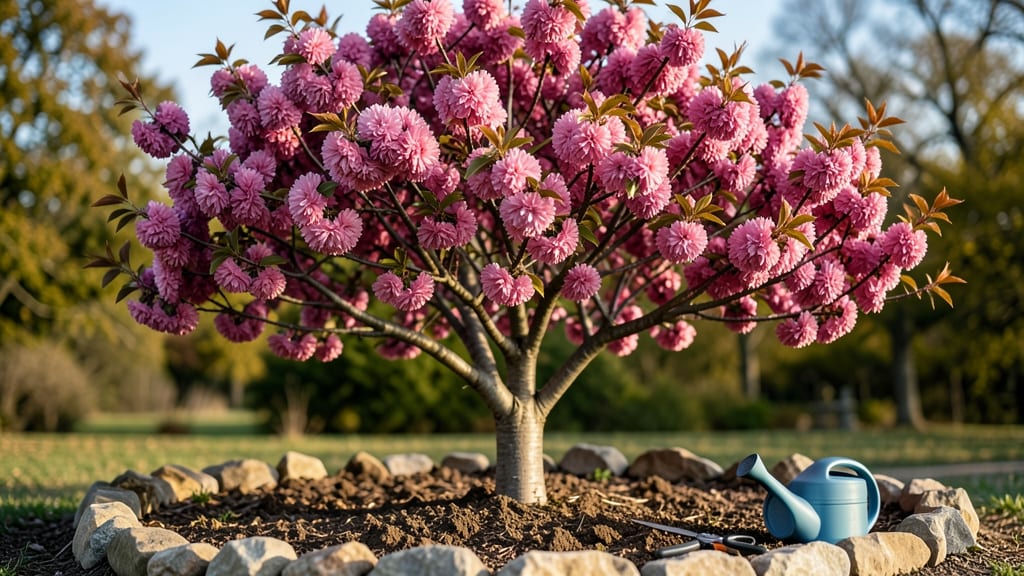
Pink blooming cherry trees turn spring into a soft explosion of color that no other tree can match—delicate petals against fresh green leaves create a scene straight out of a storybook. 🌸 I planted mine after struggling with short-lived annuals that faded by summer; these trees stay stunning for weeks, even in chilly mornings.
Their frost resistance means they handle early spring freezes better than most ornamentals, so you get that dreamy pink display without the worry of losing it to a late cold snap.
The key to making them a showstopper in your design lies in placement and companions. Position them where their branches arch over pathways or patios, creating a natural canopy of blossoms.
Pair them with dwarf conifers for structure, bleeding hearts for underplanting, or azaleas to extend the season—both bloom around the same time and share that lush, romantic aesthetic.
In Japanese-inspired gardens, their graceful forms complement moss-covered rocks and bamboo, while cottage gardens love them for their old-fashioned charm and ability to draw in pollinators.
What you’ll end up with is a year-round visual anchor—even after the pink blooms fade, the tree’s shape and seasonal interest (like peeling bark or fall color) keep it relevant.
Imagine sipping coffee under their branches in spring, then returning in autumn to find the same spot transformed by golden leaves. The best part? These trees thrive in full sun to partial shade, making them adaptable to almost any landscape.
For maximum impact, group three or five trees together to create a natural focal point—odd numbers feel more intentional. If space is tight, choose dwarf varieties like ‘Royal Raindrops’ or ‘Stella Compact’; they still deliver that wow factor without taking over the yard.
The secret to their design magic isn’t just the color—it’s how they frame the rest of your garden like a living painting.
📚 In This Guide
- What you need
- Instructions
- Tips and common mistakes
- Wrapping up and next steps
What you need
- ● Pink blooming cherry tree seedlings or saplings (2–5, depending on desired coverage): Frost-resistant varieties like Prunus serrulata 'Kanzan' or Prunus avium 'Van' (ensure labeled for your USDA hardiness zone).
- ● Container-grown (1–3 gallon pots) or bare-root (dormant season only).
- ● Well-draining soil mix (50 lbs): Compost (20%), native soil (60%), and perlite/sand (20%) for aeration.
- ● Organic mulch (3–5 cubic feet): Wood chips or shredded bark (3–4 inches deep) to retain moisture and regulate temperature.
- ● Slow-release fertilizer (10–20 lbs): Balanced 10-10-10 or cherry-tree-specific formula (apply at planting and spring).
- ● Support stakes or tree guards (2–4 per tree): 5–6 ft tall bamboo stakes or spiral guards to protect young trunks from critters.
- ● Watering can or hose with nozzle (5+ gallon capacity).
- ● Pruning shears (bypass-style, sharp and sanitized).
- ● Garden trowel or spade (for digging holes 2–3x wider than root ball).
- ○ Soil pH tester kit (optional but helpful—cherry trees prefer slightly acidic soil (6.0–6.5)).
- ● Tree collar protector (plastic or metal, to prevent lawnmower damage).
- ● Frost cloth or row covers (for young trees in zones < 6 during late frosts).
- ○ Drip irrigation system (optional for large plantings—automates watering!).
How to plant and maintain frost-resistant pink cherry trees
Here's the proven approach I've used to keep vibrant pink cherry blooms thriving through every season.
🪴 Step 1: Select the Right Location and Soil
Choose a site with full sun exposure (6-8 hours daily)—these trees need maximum sunlight to develop their signature pink blooms. Avoid low spots where cold air collects, as even frost-resistant varieties can suffer from prolonged frost pockets. The soil should drain well but retain moisture; amend heavy clay with 2-3 inches of compost to improve aeration.
Test your soil's pH—cherry trees prefer 6.0-7.0. If your soil is too acidic, add pelletized lime according to package instructions. I always dig a test hole 18 inches deep to check drainage; if water pools after 24 hours, you'll need to raise the planting area or improve drainage with gravel.
🌱 Step 2: Plant Bare-Root Trees at the Right Time
Plant your 4 frost-resistant pink cherry trees in early spring or fall, when soil temperatures are 40-60°F. Dig a hole twice as wide as the root ball but no deeper—cherry trees hate sitting too low, which can suffocate roots. Gently spread the roots outward in the hole, ensuring they're not curled or bent.
Backfill with native soil mixed with 50% compost to encourage root growth. Water deeply to settle the soil, then create a 2-inch deep basin around the base to direct water away from the trunk. Mulch with 3-4 inches of wood chips, keeping it 6 inches away from the trunk to prevent rot.
☀️ Step 3: Water and Fertilize for Optimal Blooms
Water newly planted trees twice weekly for the first month, then taper to once weekly once established. Deep watering—1-2 inches per week—encourages strong root growth. You'll know you're doing it right when the soil feels moist 6 inches down after watering.
Apply a balanced 10-10-10 fertilizer in early spring, just as buds swell. Use ½ cup per tree and water it in immediately. Avoid high-nitrogen fertilizers in fall—they promote leafy growth at the expense of blooms. I always fertilize again in late summer with a low-phosphorus formula to support next year's flowers.
✂️ Step 4: Prune for Health and Abundant Blooms
Prune in late winter or early spring before buds break, removing dead, crossing, or weak branches. Cut just outside the branch collar—the swollen area where the branch meets the trunk—to prevent disease. Thin out crowded branches to improve air circulation, which reduces fungal issues.
Never prune after mid-summer—you'll cut off next year's flower buds. If you must shape the tree, do it in stages over 3 years to avoid stress. I always sterilize my pruners with rubbing alcohol between cuts to prevent spreading disease.
Tips & tricks for perfect pink blooming cherry trees
Here's what I've learned after years of growing these stunning pink bloomers—details that make all the difference between a few sad flowers and a spectacular spring show.
Sunlight Strategy: Those 6-8 hours of daily sun are non-negotiable for vibrant pink blooms, but here's the trick: position your trees where they get morning sun and afternoon shade if you live in a hot climate. The intense afternoon rays can scorch delicate blossoms. I've seen trees in full sun all day produce half the color of those with this balanced exposure—it's all about protecting that signature pink hue.
Soil Preparation Secret: That 2-3 inches of compost isn't just about nutrients—it's about creating the perfect moisture-retaining environment without compacting the soil. I always mix in perlite or coarse sand if my native soil is heavy clay. The key is getting that drainage right: after your 18-inch deep test hole shows no pooling after 24 hours, you're golden. Poor drainage is the #1 reason these trees struggle.
Planting Temperature Tip: The 40-60°F soil temperature window is crucial because it gives roots time to establish before summer heat stress. I've planted in 50°F soil and watched roots grow 2 inches in just 3 weeks. Too warm? Roots get shocked. Too cold? They can't establish properly. Check soil temp with a thermometer if you're unsure—it's worth the investment.
Watering Technique: When you're doing that deep watering to 6 inches down, here's the pro move: use a soil probe or long screwdriver to check moisture levels. You want the soil to feel like a wrung-out sponge at that depth. I've caught many gardeners overwatering because they're just eyeballing it—this simple check prevents root rot while ensuring proper hydration for those stunning blooms.
Pro Tips for Pink Blooming Cherry Trees
- Here's what I've learned after years of growing these stunning pink bloomers—details that make all the difference between a few sad flowers and a spectacular spring show.
- Sunlight Strategy: Those 6-8 hours of daily sun are non-negotiable for vibrant pink blooms, but here's the trick: position your trees where they get morning sun and afternoon shade if you live in a hot climate.
- Soil Preparation Secret: That 2-3 inches of compost isn't just about nutrients—it's about creating the perfect moisture-retaining environment without compacting the soil.
Frequently asked questions
Got questions about pink blooming cherry trees? You’re not alone! Whether you're planning a garden or just admiring their beauty, here are some common queries—and the answers you need.
When do pink cherry trees bloom, and how long does it last?
Most frost-resistant pink cherry trees bloom in early to mid-spring, often between March and May, depending on your climate zone. The flowers typically last 1-2 weeks, but some varieties (like Prunus serrulata 'Kanzan') may rebloom lightly in late summer with proper care. Choose late-blooming varieties if you live in areas with late frosts!
Are pink cherry trees really frost-resistant? What’s the secret?
Yes! Varieties like Prunus 'Okame' or 'Royal Burgundy' can tolerate temperatures down to -15°F to -20°F once established. The key is proper planting—ensure they’re in well-draining soil, mulched heavily, and watered consistently. Young trees may need winter protection (like burlap wraps) in extreme cold. Pro tip: Plant them in full sun to boost their resilience!
Can I grow pink cherry trees in containers? What’s the best pot size?
Dwarf varieties like 'Shirofugen' or 'Amanogawa' thrive in containers. Use a minimum 15-20 gallon pot with drainage holes and a high-quality potting mix. Move pots to a protected location if frost is forecasted. Warning: Container trees need more frequent watering and may require winterizing with insulation blankets.
Why aren’t my pink cherry tree flowers opening? Troubleshooting tips!
If buds aren’t opening, check these common issues:
- Late frost: Cover trees with frost cloth if blooms appear before last frost dates.
- Water stress: Over- or under-watering can shock trees. Keep soil consistently moist but not soggy.
- Nutrient deficiency: Yellow leaves? Add a balanced fertilizer in early spring.
- Pests/disease: Inspect for aphids or fungal spots. Prune affected branches and treat with neem oil if needed.
Pro tip: If buds drop without opening, it’s often a frost or drought issue. Next year, adjust care!
What’s a great pink cherry tree alternative if I want year-round color?
If you love pink blooms but want extended color, consider:
- Japanese Maples ('Bloodgood') – Vibrant pink-red foliage in fall/winter.
- Crabapple trees ('Radiant Pink') – Pink flowers + colorful fruit in autumn.
- Hydrangeas ('Endless Summer') – Repeat blooms in pink/purple.
- Azaleas ('Girard’s Pink') – Spring blooms + glossy evergreen leaves.
For low-maintenance options, dwarf varieties or evergreen shrubs like Pieris japonica (with pink spring flowers) are fantastic!
Wrapping up and next steps
Pink blooming cherry trees aren’t just a fleeting spring spectacle—they’re a bold, frost-resistant investment in year-round beauty and joy. Whether you’re drawn to the delicate petals of Prunus serrulata or the hardy charm of Prunus ‘Kwanzan’, these varieties prove that stunning color can thrive even in chilly climates. 🌸❄️
Ready to transform your space? Start by researching your local climate zone and visiting a trusted nursery to pick the perfect tree. Then, roll up your sleeves—planting one is the first step toward a garden that blooms with confidence (and maybe even a few extra compliments from neighbors!).