
Trees
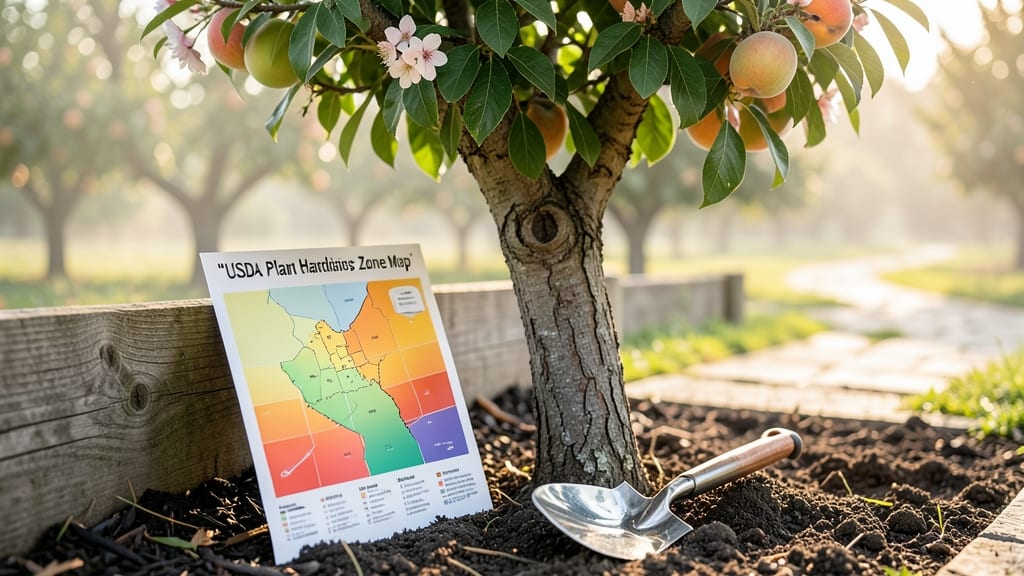
Understanding the growing zones for peach trees is key—these sun-loving fruits flourish in USDA zones 5 through 9, where warm days and mild winters coax sweet rewards, though frost can still strike. 🌸 I remember the first time I planted one in zone 7 and watched... it struggle through a late spring freeze, learning the hard way about timing.
The right zone isn’t just about survival; it’s about sweet, juicy fruit that ripens reliably every year.
In cooler zones (5-6), choose early-blooming varieties like 'Reliance' to avoid late frosts, while southern zones (8-9) need cold-hardy types that handle summer heat. Soil matters too—peaches crave well-draining, slightly acidic earth with plenty of organic matter.
Without this, roots suffocate, and the tree’s energy goes into survival instead of fruit production.
You’ll know you’ve nailed it when your tree bursts with blossoms in spring and heavy fruit by summer. The key is matching the tree to your zone’s quirks—whether that’s protecting young trees from unexpected cold snaps or ensuring they get enough winter chill to set fruit.
With the right variety and care, you’re looking at harvests that outshine store-bought peaches every time.
For gardeners in marginal zones, microclimates and protective techniques (like wrapping trees in burlap) can make all the difference. Whether you’re in the Deep South or the Pacific Northwest, this guide will help you turn your peach tree into a reliable producer. Let’s get those roots growing!
📚 In This Guide
- What you need
- Instructions
- Tips and common mistakes
- Wrapping up and next steps
What you need
- ● Peach tree sapling (choose a variety suited to your USDA growing zone, e.g., Elberta for Zones 5-9 or Redhaven for Zones 5-8).
- ● Shovel or digging spade (for planting—opt for a 5-gallon capacity for ease).
- ● Garden fork or tiller (to loosen soil, especially if compacted).
- ● Compost or well-aged manure (5–10 gallons to enrich planting hole soil).
- ● Mulch (wood chips, straw, or pine needles) (3–4 inches to retain moisture and suppress weeds).
- ● Balanced fertilizer (10-10-10 or 6-6-6) (1–2 pounds mixed into planting hole).
- ● Watering can or hose with adjustable nozzle (for gentle, deep watering).
- ● Pruning shears or loppers (for shaping and removing dead branches).
- ○ Tree stake (optional but helpful) (1–2 stakes + soft tree tie to support young trees in windy zones).
- ● Soil pH test kit (to check acidity—peaches prefer 6.0–6.5).
- ● Drip irrigation system (for consistent moisture, especially in Zones 7+).
- ● Fruit tree spray (copper fungicide or neem oil) (to prevent pests/diseases like brown rot).
- ● Reflective mulch or tree guard (to deter critters in urban or high-traffic areas).
- ● Grafting tools (if propagating from cuttings or grafting varieties).
How to choose the best growing zones for peach trees
Peaches thrive in specific climates—here's how to pick the perfect spot for your tree.
🌱 Step 1: Locate Your USDA Hardiness Zone
Start by finding your exact USDA Plant Hardiness Zone using the USDA's interactive map. Peach trees prefer zones 5 through 9, with the sweetest varieties thriving in zones 6-8. If you're in a borderline zone (like 5a or 9b), focus on cold-hardy or heat-tolerant varieties—your local nursery can help match trees to your microclimate.
Here's the thing—zones aren't just about average winter lows. Peaches also need 150-600 chill hours (temperatures between 32-45°F) to set fruit properly. If you're in a warm zone (like 9a), look for low-chill varieties specifically bred for your area. I once planted a standard peach tree in zone 9b—it bloomed beautifully but never produced fruit because it lacked enough cold exposure.
☀️ Step 2: Select a Sunny, Sheltered Location
Peach trees demand full sun (6-8 hours daily) and perform best in spots with morning sun and afternoon shade in hotter zones. Avoid low-lying areas where cold air pools—this can damage blossoms during late frosts. Look for slightly elevated ground with good airflow to prevent fungal diseases like brown rot.
I always check for nearby structures or tall trees that might cast shade. Even partial afternoon shade can reduce fruit quality, though it helps in zones 8-9 where summer heat is intense. Test your spot by observing how sunlight moves across the area throughout the day—peaches are picky about their light requirements.
💧 Step 3: Assess Soil Drainage and pH
Peach trees hate soggy roots, so choose a site with well-draining soil—they can't tolerate waterlogged conditions. If your soil is heavy clay, amend it with 2-3 inches of compost mixed into the top 12 inches before planting. The ideal pH range is 6.0-7.0; test your soil with a simple kit from your local garden center.
Real talk: I've seen peach trees struggle in both acidic and alkaline soils. If your pH is off, adjust it gradually—peaches are sensitive to sudden changes. In zones 5-6, focus on improving drainage first; in zones 7-9, prioritize soil aeration to prevent heat stress. A soil test will tell you exactly what amendments you need.
⏰ Step 4: Plan for Seasonal Temperature Swings
Peaches need warm summers (75-90°F) for fruit development but cold winters (below 32°F) to break dormancy. In zones 5-6, protect young trees from late spring frosts by planting them near a south-facing wall or using frost cloth. In zones 8-9, choose varieties that can handle summer heat without scorching.
Watch for spring frost dates in your area—peach blossoms are extremely frost-sensitive. I've seen entire crops ruined by a single late frost. If you're in a high-risk zone, consider planting a late-blooming variety or using a smoke generator to temporarily lower temperatures during critical bloom periods.
Tips & tricks for perfect peach tree placement
Here's what nobody tells you about getting peaches to thrive in your backyard.
Zone-Specific Variety Selection: Don't just pick any peach tree—your zone matters! In zones 5-6, look for cold-hardy varieties like 'Reluctant' or 'Harvest Queen' that can handle those 32°F winters. For zones 7-9, opt for heat-tolerant types like 'Redhaven' or 'Elberta'. I learned this the hard way after watching a standard variety fail in my zone 9b garden because it needed more chill hours than I realized.
Microclimate Mastery: Your yard isn't uniform—use this to your advantage. South-facing slopes get more sun and warmth, while north-facing areas stay cooler. In zones 8-9, plant near a reflective surface (like a white fence) to bounce heat back to the tree during those 90°F summers. I've seen trees in protected microclimates produce fruit a full month earlier than their neighbors!
Soil Prep Pro Tip: Before planting, dig a hole twice as wide as the root ball but only as deep. This encourages roots to spread horizontally where they'll find moisture and nutrients. For clay soils, mix in 2-3 inches of compost (as mentioned in Step 3) and a handful of organic matter like coconut coir to improve aeration. I've seen roots struggle in compacted soil even when all other conditions were perfect.
Frost Protection Hacks: When those critical spring frost dates loom, don't just hope for the best. String row covers or frost cloth over young trees during bloom time, or set up a simple sprinkler system. The water droplets will act like tiny prisms, reflecting sunlight away from blossoms. I once saved a $120 tree from a late frost using this method—worth every penny!
Pro Tips for Growing Zones For Peach Trees
- Here's what nobody tells you about getting peaches to thrive in your backyard.
- Zone-Specific Variety Selection: Don't just pick any peach tree—your zone matters!
- Microclimate Mastery: Your yard isn't uniform—use this to your advantage.
Frequently asked questions
Got questions about peach tree growing zones? You’re not alone!
Whether you’re a first-time gardener or a seasoned grower, these common queries can help you plant with confidence. Let’s dive in!
What USDA growing zones are best for peach trees?
Peach trees thrive in USDA Hardiness Zones 5 through 9. They prefer warm summers (Zones 6–9 are ideal) but need cold winters to break dormancy. If you’re in Zone 5, choose cold-hardy varieties like ‘Reliance’ or ‘Redhaven.’ In Zones 10+, opt for low-chill cultivars like ‘Flordagold.’
Can peach trees survive in Zone 4 or colder?
Most peach trees won’t survive Zone 4 winters long-term, but you can try dwarf varieties or plant them in microclimates (like south-facing slopes or near buildings). For extra protection, use burlap wraps or mulch heavily in fall. Expect shorter lifespans or higher maintenance.
How do I know if my area’s climate is right for peach trees?
Check the USDA Plant Hardiness Zone Map for your ZIP code, but also research your last frost dates and chill hours (most peaches need 300–1,000 hours below 45°F). Local nurseries or Cooperative Extension offices can offer hyper-local advice—don’t rely solely on the zone!
What if I live in a hot, humid climate (Zone 9–10)?
Hot, humid zones (like Florida or Southern California) can stress peach trees with bacterial leaf spot or fungal diseases. Choose low-chill varieties (e.g., ‘Sanguinelli’ or ‘Tropic Beauty’) and plant in well-draining soil with afternoon shade. Prune for airflow and water deeply but infrequently to avoid root rot.
Can I grow peach trees in containers if my zone isn’t ideal?
Yes! Dwarf peach trees (like ‘Bonanza’ or ‘Bonanza Red’) work well in 5-gallon+ containers and can be moved indoors during winter (though they’ll need a cool, dark place like a garage). Just ensure the pot has drainage holes and use lightweight potting mix. Expect smaller yields, but it’s a great workaround!
My peach tree leaves are yellow—is it the zone or something else?
Yellow leaves can mean overwatering, nutrient deficiency (iron/chlorosis), or fungal issues—not just the zone! Test your soil’s pH (peaches like 6.0–7.0) and check for powdery mildew or leaf curl. If your tree is in the right zone but struggling, focus on improving drainage and pruning for airflow.
Wrapping up and next steps
Growing peach trees is a rewarding journey, and understanding USDA growing zones is your first step to success! 🌱 Whether you're in the warm embrace of Zone 5 or the sun-drenched warmth of Zone 9, knowing your climate ensures your peach tree thrives.
With the right location, soil, and care, you’ll soon be savoring homegrown fruit that’s sweeter than store-bought.
Ready to plant? Start by selecting the perfect spot—one with full sun and well-draining soil. Then, pick a peach variety suited to your zone, and watch your tree flourish. Happy gardening! 🍑✨