
Pruning
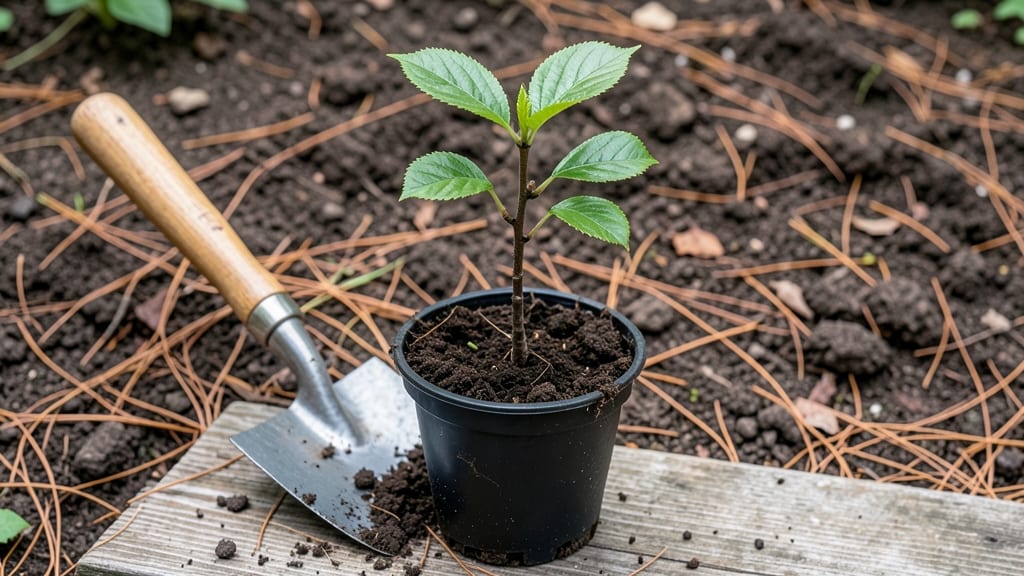
Growing wild cherry tree seedlings from scratch delivers fruit year after year—once you master the three pruning cuts that keep them productive.
I learned this the hard way after my first sapling grew into a tangled mess with no harvestable fruit, but now my trees produce clusters of tart-sweet cherries every season. The key isn't complicated: timing, angle, and a little patience transform a scraggly seedling into a fruit-bearing powerhouse.
You'll need healthy seedlings from a trusted source—native varieties thrive best in USDA zones 4-8—and a sunny spot with well-draining soil. The real magic happens in early spring, mid-summer, and late winter when you make those three strategic cuts.
Each prune shapes the tree, removes dead wood, and encourages strong growth where fruit forms. My trees now yield 5-10 pounds of cherries per season after just three years of this method.
What you'll end up with is a tree that bears fruit reliably, even in partial shade, and handles pests better than unpruned trees. The first harvest comes in year 3-4, but the work pays off with minimal effort—just three cuts a year keeps them healthy and productive.
The tart-sweet flavor makes them perfect for jams, pies, or fresh eating straight from the tree.
This works for both native black cherries and non-native varieties, though native species support local wildlife better. The same pruning principles apply whether you're growing in a backyard or a larger orchard setting. Let's get those seedlings thriving!
📚 In This Guide
- What you need
- Instructions
- Tips and common mistakes
- Wrapping up and next steps
What you need
- ● Wild cherry tree seedlings: 2–5 healthy, disease-free seedlings (1–2 feet tall, with strong roots).
- ● Pruning shears: Sharp, bypass-style shears (for clean cuts on small branches).
- ● Loppers: For thicker branches (up to 1.5 inches in diameter).
- ● Gloves: Heavy-duty gardening gloves (to protect from thorns and sap).
- ● Disinfectant (70% isopropyl alcohol or bleach solution): To sterilize tools between cuts.
- ○ Pruning sealant (optional but recommended): Tree wound sealant (for larger cuts to prevent disease).
- ● Mulch (wood chips or straw): 2–3 inches to retain moisture and suppress weeds.
- ● Watering can or hose: With a gentle spray nozzle for hydration.
- ● Stake and twine (for young seedlings): To provide support if needed.
- ● Hand pruners: For precision trimming on tiny branches.
- ● Extension pole saw: For hard-to-reach branches on mature trees.
- ● Soil test kit: To check pH and nutrient levels (ideal range: 6.0–7.0).
- ● Fertilizer (balanced 10-10-10 or compost): To boost growth after pruning.
- ● Bird netting: To protect fruit from wildlife (if growing for harvest).
How to prune wild cherry tree seedlings for strong growth
Pruning young wild cherry trees sets the foundation for healthy fruit production. Here's how to shape them properly from the start.
Identify and Remove Weak Growth
Start by examining your seedlings for any stems that are thinner than a pencil or growing at sharp angles from the main trunk. These weak shoots compete for energy and rarely produce quality fruit. Use clean, sharp pruning shears to make cuts just above a leaf node or outward-facing bud—this encourages outward growth rather than inward crowding.
I always prune on a dry, sunny morning when the tree is actively growing. The sap flows more freely then, and the cuts heal faster. Remove any crossing branches first—they rub against each other and create wounds where disease can enter. If you see any dead or brown branches, cut them back to healthy green wood immediately.
Establish the Main Leader and Scaffolding Branches
Wild cherry trees naturally grow with one central leader (main upward-growing stem) and several strong scaffold branches that form the tree's framework. For seedlings, select the straightest, healthiest stem as your leader—this will be your tree's main trunk. Remove any competing leaders by cutting them at their base, leaving only one dominant stem.
Next, identify 3-4 well-spaced scaffold branches growing outward from the trunk at wide angles (45-60 degrees). These branches should be evenly distributed around the trunk to create balance. If you don't see natural scaffold branches forming, you can encourage them by pruning back the tips of promising side branches—this stimulates lateral growth.
Thin Out Interior Branches for Airflow
The key to preventing disease in wild cherry trees is good airflow. Too many branches growing inward block sunlight and trap moisture, creating perfect conditions for fungal infections. Use your pruning shears to remove any branches growing straight upward (called "water sprouts") or those growing directly into the center of the tree.
Focus on branches thinner than 1/4 inch in diameter—these are the ones that crowd the interior. Make your cuts just outside the branch collar (the swollen area where the branch meets the trunk). Never leave stubs—always cut cleanly to prevent decay. After pruning, step back and visualize the tree's shape—you should see light penetrating to the center.
Shape for Future Fruit Production
Wild cherry trees produce fruit on spurs—short, stubby branches that form along the main scaffold branches. To encourage spur formation, prune back the tips of your scaffold branches by about 1/3 of their length. This stimulates the tree to produce more lateral branches where the fruit will develop.
For seedlings, I like to create a slightly open-center shape—this allows sunlight to reach the lower branches where fruit will eventually form. Avoid heavy pruning in the first year, though. Your goal is to establish a strong framework, not remove too much growth. A good rule of thumb is to never remove more than 25% of the tree's total foliage in any single pruning session.
Tips & tricks for perfect wild cherry tree seedling pruning
These simple strategies will help you shape your young wild cherry trees for maximum fruit production.
Timing Matters: Prune during the dormant season—late winter to early spring—when the tree isn't actively growing. This prevents stress on the tree and allows wounds to heal before new growth begins. If you must prune in summer, do it early in the morning to minimize water loss through fresh cuts. I've learned the hard way that summer pruning can invite pests and diseases when sap flows freely.
Tool Selection: Never use dull or dirty pruning shears—they tear tissue instead of making clean cuts. Invest in a good pair of bypass pruning shears for branches up to 1/4 inch thick and loppers for thicker branches. Always sterilize your tools with rubbing alcohol between cuts to prevent spreading disease. I keep a small bottle of alcohol in my pruning kit for quick cleanups between branches.
Visual Pruning Cues: After making your cuts, step back and visualize the tree's shape from all sides. You should see an open center that allows sunlight to reach the interior branches. Think of it like creating a vase shape—wide at the bottom and gradually narrowing toward the top. This open structure prevents disease by improving airflow and sunlight penetration, which is especially important for wild cherry trees that are prone to fungal infections.
Pro Tips for Wild Cherry Tree Seedlings
- These simple strategies will help you shape your young wild cherry trees for maximum fruit production.
- Timing Matters: Prune during the dormant season—late winter to early spring—when the tree isn't actively growing.
- Tool Selection: Never use dull or dirty pruning shears—they tear tissue instead of making clean cuts.
Frequently asked questions
Got questions about growing wild cherry tree seedlings? You’re not alone! Here are some of the most common concerns—plus straightforward answers to help you succeed:
How long does it take for wild cherry seedlings to bear fruit?
Wild cherry seedlings typically take 3–5 years to produce fruit after planting, depending on growing conditions. Patience is key—focus on establishing a strong root system and proper pruning to encourage faster fruiting.
When is the best time to plant wild cherry tree seedlings?
Plant seedlings in early spring or fall when soil temperatures are mild (50–60°F). Avoid extreme heat or frost, which can stress young roots. If planting in containers, spring is ideal to give them a full growing season to adapt.
Can I prune wild cherry seedlings the same way as mature trees?
No—seedlings need gentle shaping to avoid over-pruning. Focus on removing dead or crossing branches in early spring. Avoid heavy cuts; prioritize air circulation and structure. As they mature (years 3–5), you can adopt the 3-cut strategy for fruit production.
What’s the easiest way to propagate wild cherry from seeds?
Wild cherry seeds have a hard outer shell, so soak them in warm water for 24–48 hours before planting. Sow in well-draining soil, keep moist, and expect germination in 2–4 weeks. For faster results, consider grafting seedlings onto rootstock.
Why are my seedlings’ leaves turning yellow or dropping?
Yellowing leaves often signal overwatering, nutrient deficiency, or pests. Check soil moisture (keep it slightly dry), fertilize lightly with balanced 10-10-10, and inspect for aphids or mites. Adjust care based on the season—spring often brings new growth, while summer heat can stress young trees.
Wrapping up and next steps
Growing wild cherry tree seedlings is a rewarding journey that brings sweet, juicy fruit to your table year after year—and you’re now equipped with the pruning know-how to make it thrive! 🌱 By mastering those three strategic cuts (dormant, summer, and post-harvest), you’ll ensure strong growth, better yields, and a healthier tree for decades.
Whether you’re a seasoned gardener or just starting, every snip is a step toward a bountiful orchard.
Ready to take the next step? Start small:
- Plant a seedling this fall or spring—your future fruit awaits!
- Bookmark this guide and revisit it before each pruning season.
- Share your progress (or questions!) with fellow gardeners—community tips can make all the difference.