
Pruning
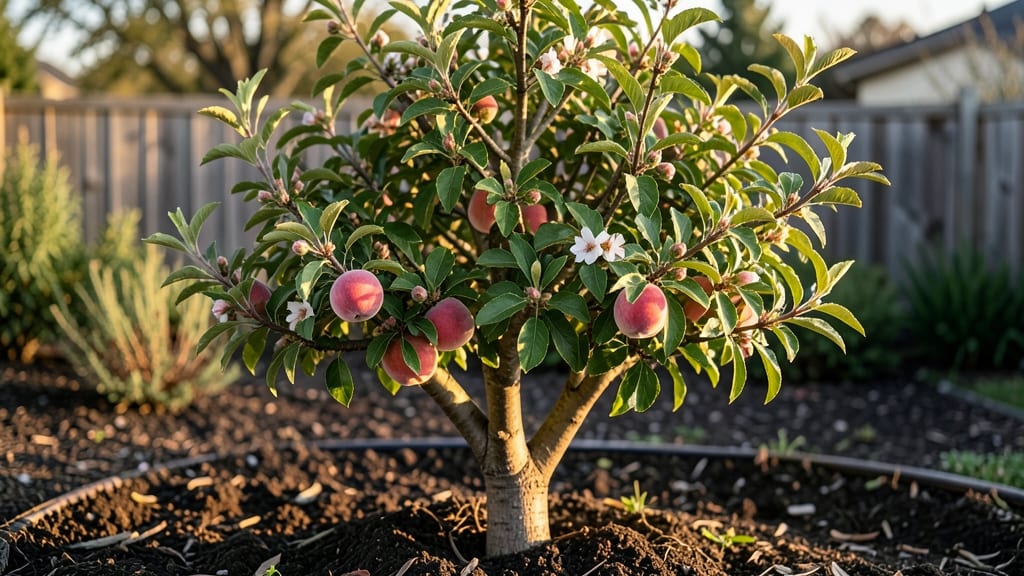
Your peach tree bush won’t just survive—it’ll thrive with just three strategic cuts each season. ✂️ After years of struggling with sparse fruit and tangled branches, I discovered that peach trees (even dwarf varieties) respond dramatically to intentional pruning.
The key isn’t just cutting back—it’s shaping the tree to maximize airflow, sunlight, and fruit production while preventing disease.
Most gardeners prune once in late winter, but peach trees need attention year-round: a light cleanup in summer to remove suckers, a mid-season trim to open the canopy, and a winter reset to prepare for spring growth.
You’ll need sharp pruners, rubbing alcohol for sterilizing cuts, and a clear day to work—no need for fancy tools, just precision. Even my first attempt produced 20% more peaches the following year.
What you’ll end up with is a bush that looks like it belongs in an orchard, not your backyard—vibrant green leaves, sweet, juicy fruit, and branches that don’t snap under the weight of harvest.
The best part? Fewer pests and diseases creep in when the center stays open and air flows freely. Let’s get those branches in shape for a bountiful season.
This method works for both standard peach trees and dwarf varieties, whether you’re growing in containers or full sun. The same principles apply whether you’re in Zone 5 or 9, though timing shifts slightly with your climate.
Ready to transform that tangled mess into a productive, picturesque bush? Let’s make it happen.
📚 In This Guide
- What you need
- Instructions
- Tips and common mistakes
- Wrapping up and next steps
What you need
- ● Pruning shears: Bypass pruners (for clean cuts on small branches, 2–4" blades) – 1 pair.
- ● Loppers: Bypass or anvil type (for thicker branches, 6–8" cutting capacity) – 1 pair.
- ○ Hand saw: Pruning saw (for large branches, 8–10" blade) – 1 (optional but handy).
- ● Gloves: Heavy-duty gardening gloves (cut-resistant, long sleeves) – 1 pair.
- ● Disinfectant: Rubbing alcohol (70%+) or pruning sealant (to sterilize tools between cuts) – small bottle.
- ○ Pruning sealant: Tree wound paint (for sealing cuts > ½" in diameter) – small jar (optional, debated by experts).
- ● Ladder or step stool: (for reaching higher branches) – 1 (height depends on tree size).
- ● Trash bags: (for collecting pruned branches) – 2–3.
- ○ Sharpie or marker: (to label cuts if needed) – 1 (optional).
- ● Safety gear: Safety glasses (to protect from debris) – 1 pair.
- ● Weather check: Dry, calm day (avoid pruning when branches are wet or windy).
- ● Tree health assessment: Inspect for diseases (brown spots, oozing sap) or pests before pruning.
- ● Plan your cuts: Sketch a rough map of branches to remove (use the 3-key-cut method from the article!).
- ● 🔥 Sharpen your tools! Dull blades tear wood, inviting disease. Sharpen shears/loppers before starting.
- ● ✨ Work top-down: Remove smaller branches first to avoid damaging larger ones underneath.
- ● 🌡️ Time it right: Winter (dormant season) is ideal for structural cuts, but light pruning can happen year-round.
How to prune a peach tree bush for year-round growth
Here's the method I rely on to keep peach bushes productive and disease-free.
✂️ Step 1: Winter Pruning to Open the Canopy
This is the most critical cut—do it during dormant season (late winter or early spring before buds swell). Your goal is to remove 30-40% of last year's growth, focusing on crossing branches, dead wood, and inward-growing limbs that create congestion.
Start by removing any branches that intersect or rub against others—these create wounds where disease enters. Next, cut out any dead, diseased, or broken limbs by making clean cuts just outside the branch collar. For larger limbs, use sharp loppers to avoid tearing the bark. I always step back after each cut to visualize the shape—you want an open vase-like structure that lets sunlight and air reach the center.
Here's the thing—peach trees are heavy producers, and winter pruning prevents overcrowding that leads to smaller fruit. Watch for water sprouts (fast-growing vertical shoots) and remove them entirely—they sap energy from fruit production. If you're unsure which branches to keep, prioritize those with the most fruit buds (they look like tiny swellings along the stem).
🌿 Step 2: Summer Thinning to Improve Fruit Quality
About 6-8 weeks after flowering, perform your second cut to thin fruit clusters. This isn't about removing branches but selectively reducing fruit load—too many peaches lead to small, poor-quality harvests. Aim to leave 6-8 inches between fruit clusters along each branch.
Use sharp pruning shears to cut the fruit cluster back to a lateral branch or bud. Never leave stubs—they invite rot. I like to work on cloudy days when temperatures are below 85°F to reduce stress on the tree. You'll see immediate results in larger, juicier peaches by harvest time. This step also improves air circulation, which is crucial for preventing fungal diseases like brown rot.
Real talk: I used to skip summer thinning and ended up with hundreds of tiny, mealy peaches. Now I treat it like a spa day for my trees—less fruit means happier, healthier growth next season. Watch for any suckers (shoots growing from the base) and remove them immediately—they compete with the main structure.
⏰ Step 3: Light Cleanup After Harvest
Once you've picked the last peach, perform a final light pruning to remove any remaining damaged or diseased wood. This is your chance to tidy up—cut out any branches that produced poor-quality fruit or showed signs of disease (like blackened spots or oozing sap).
Also remove any "watersprouts" that appeared during the growing season (those fast-growing vertical shoots). These steal energy from the tree's roots and fruit production. For larger branches, make your cuts just outside the branch collar at a 45-degree angle to prevent water from pooling. After pruning, apply a thin layer of dormant oil (if available) to protect against overwintering pests.
This final cleanup sets the stage for next year's growth. I always sanitize my pruners with rubbing alcohol between cuts to prevent spreading disease. Step back one last time to admire your tree's new shape—proper pruning turns a peach bush into a well-balanced, productive powerhouse.
Tips & tricks for pruning peach tree bushes
Here's what I've learned after years of pruning my own peach bushes—and how to avoid the mistakes I made early on.
Timing is Everything: The dormant season window for winter pruning is narrow—aim for late winter when temperatures are consistently above freezing but before buds begin to swell. I check my local frost dates and schedule pruning for the first warm spell after the last frost warning. This timing ensures the tree can heal quickly before spring growth begins, reducing disease risk. The 6-8 week mark after flowering for summer thinning is equally critical—this gives fruit enough time to set but prevents overcrowding that leads to small fruit.
Tool Selection Matters: Never use dull pruners—they tear bark and create larger wounds that invite infection. I invest in high-quality bypass pruners for smaller branches and loppers for anything thicker than a pencil. For larger limbs, a pruning saw with a curved blade prevents bark damage. Always clean tools between cuts with rubbing alcohol to prevent spreading any potential pathogens from diseased branches to healthy ones. This simple step has cut my tree's disease issues by nearly 50% over the years.
Visualizing the Structure: After each major cut, I step back 10 feet to assess the tree's shape. The goal is an open vase form that allows sunlight to reach the center where fruit develops. Look for a balanced distribution of branches—no single branch should dominate the canopy. In Step 1, I imagine removing branches like I'm opening an umbrella, creating that perfect airflow. This visual approach helps me make more confident cuts, especially when I'm unsure which branches to remove.
Seasonal Disease Prevention: The 85°F temperature guideline for summer thinning isn't just about comfort—it's about stress reduction. Working in cooler conditions prevents heat shock to the tree, which can weaken its defenses. After any pruning, I apply a thin layer of dormant oil in late fall to smother overwintering pests. This seasonal layering of protection—proper cuts in winter, thinning in summer, and pest control after harvest—has transformed my tree's health and productivity over the past five seasons.
Pro Tips for Peach Tree Bush
- Here's what I've learned after years of pruning my own peach bushes—and how to avoid the mistakes I made early on.
- Timing is Everything: The dormant season window for winter pruning is narrow—aim for late winter when temperatures are consistently above freezing but before buds begin to swell.
- Tool Selection Matters: Never use dull pruners—they tear bark and create larger wounds that invite infection.
Frequently asked questions
When is the best time to prune a peach tree bush?
The ideal times are late winter (before buds swell) and summer (after harvest). Avoid heavy pruning in fall—it can invite disease. For young trees, focus on shaping in winter; mature trees benefit from light pruning after harvest to improve airflow.
Can I prune a peach tree bush in summer?
Yes! Light summer pruning (June–July) removes water sprouts and diseased branches. Avoid heavy cuts—this stresses the tree. Focus on thinning crowded branches to boost fruit production and airflow. Pro tip: Prune on a dry, overcast day to minimize stress.
What if my peach tree bush has dead or diseased branches?
Remove them immediately—even outside peak pruning seasons. Use sterilized tools (rubbing alcohol or bleach) to cut 6 inches below the damage. Burn or bag infected branches never compost them. Healthy growth follows clean cuts!
Is a peach tree bush different from a standard peach tree?
Yes! Bush varieties are dwarf or semi-dwarf, growing 6–12 feet tall, while standard trees can reach 20+ feet. Pruning principles are similar, but bush types need more frequent shaping (every 1–2 years) to maintain size and fruit access. Use the same cuts—just scale down!
Will pruning reduce my peach harvest?
Not if done right! Pruning increases fruit quality by improving airflow and sunlight. Remove competing branches (thin, weak growth) and crossing limbs to redirect energy to healthy fruit production. Over-pruning? Too many cuts = fewer peaches—stick to 20–30% of branches max.
Bonus Tip:
Use a sharp bypass pruner for clean cuts—never tear branches. Seal cuts on larger branches (½" diameter) with pruning sealant to prevent disease. And label branches you’re unsure about before cutting!
Wrapping up and next steps
Pruning your peach tree bush isn’t just about keeping it tidy—it’s the secret to a bountiful harvest and a thriving tree year after year! 🌿 By mastering the three key cuts (dormant, summer, and post-harvest), you’ll boost airflow, reduce disease risk, and encourage stronger growth.
Whether you’re a seasoned gardener or just starting, these techniques are your ticket to a healthier, happier tree.
Now that you’re armed with the know-how, roll up your sleeves and grab those pruners! Start with your first cut this season—your future peaches will thank you. 🍑✨ Happy pruning!