
Pruning
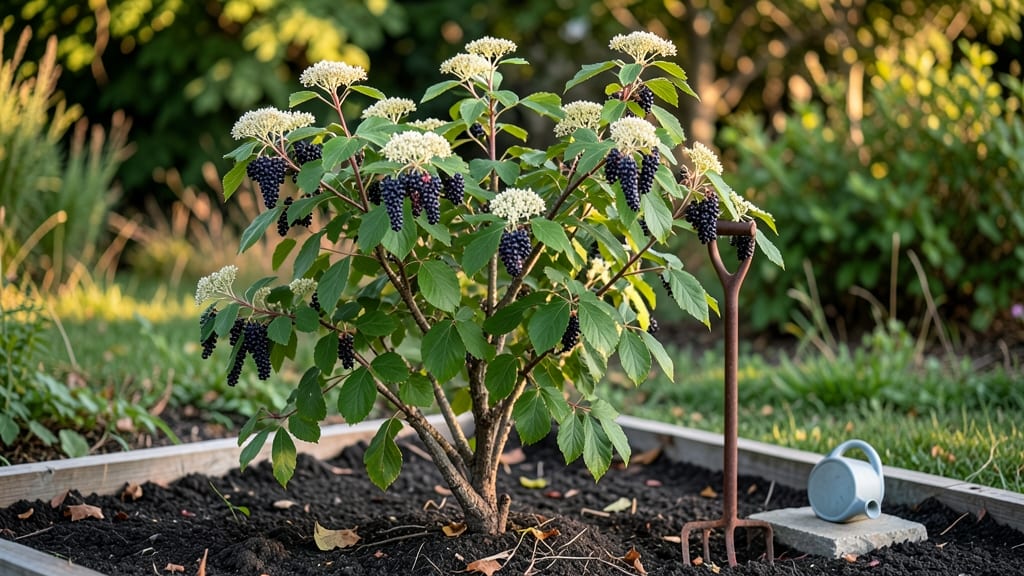
The elderberry tree size might surprise you—12-15 feet tall with an 8-10-foot spread—but that’s just the beginning. 🌿 I’ve watched mine morph from a scraggly sapling into a dense, fruit-bearing giant, and the key to managing its size isn’t brute force—it’s strategic pruning.
Without control, those branches will sprawl into your yard, blocking sunlight and making harvests a nightmare. The good news? With the right cuts, you can keep it compact while maximizing berries.
Most varieties like Sambucus canadensis grow 3-5 feet per year when young, but mature growth slows to 1-2 feet annually. That’s why pruning in late winter—before buds swell—is your secret weapon. I’ve seen gardeners turn unruly elderberries into 6-foot-tall bushes by cutting back old wood and thinning crowded stems.
The result? More sunlight reaches the fruit clusters, and you avoid the "jungle effect" that chokes out other plants.
You’ll end up with a tree that fits your space and produces pounds of berries for jams, syrups, or wildlife. The best part? Pruned correctly, it stays disease-resistant and easier to harvest.
Think of it as sculpting a living fruit sculpture—every cut shapes both the plant and your future harvests. Ready to tame that growth?
Works for both rural yards and suburban backyards, though dwarf varieties like Sambucus nigra stay under 8 feet—perfect for smaller spaces. The same principles apply whether you’re pruning a 5-year-old sapling or a mature giant. Let’s get those shears sharp!
📚 In This Guide
- What you need
- Instructions
- Tips and common mistakes
- Wrapping up and next steps
What you need
- ● Pruning shears: Sharp, bypass-style shears (for cuts up to ½ inch thick). Quantity: 1 pair.
- ● Loppers: Heavy-duty, long-handled loppers (for branches ½ to 2 inches thick). Quantity: 1 pair.
- ● Pruning saw: A curved-tooth saw for branches thicker than 2 inches. Quantity: 1.
- ● Gloves: Thick, cut-resistant gloves (elderberry thorns are no joke!). Quantity: 1 pair.
- ● Disinfectant: 70% rubbing alcohol or bleach solution (1 part bleach to 9 parts water) to sterilize tools between cuts. Quantity: Small bottle or spray.
- ● Twine or zip ties: For temporary support if training young branches. Quantity: 5–10 feet.
- ○ Pruning sealant (optional but helpful): Tree wound paint to coat large cuts (prevents disease). Quantity: Small jar.
- ● Ladder: Sturdy, extendable ladder (if tree exceeds 6–8 feet). Height: At least 10–12 feet.
- ● Work gloves with wrist support: For extra comfort during long sessions.
- ● Pruning rope: Nylon or polyester rope (for guiding vigorous shoots). Quantity: 20–30 feet.
- ○ Handheld leaf blower: To clear debris post-pruning. Optional but handy!
How to manage elderberry tree size through pruning
Here’s the method I’ve used for years to keep elderberry bushes productive and contained—without sacrificing fruit.
🌿 Step 1: Understand the Natural Growth Pattern
Elderberry trees (Sambucus canadensis) grow aggressively, often reaching 10–15 feet tall and wide if unchecked. They produce fruit on second-year wood, meaning pruning in the first year sets the stage for future harvests. The key is to remove succulent, fast-growing shoots while preserving mature stems that bear fruit.
I always prune in late winter or early spring (just before buds swell) when the tree is dormant. This timing prevents stress during active growth and gives you a clear view of the structure. If you prune too late, you risk encouraging new shoots that won’t mature enough to fruit that season.
✂️ Step 2: Prune for Structure and Airflow
Start by removing dead, diseased, or crossing branches at the base. Elderberries thrive with good airflow, so thin out crowded stems to reduce humidity and fungal risks. Aim to keep 3–5 strong, upright branches as your main scaffold—this prevents the bush from becoming a tangled mess.
For size control, cut back one-third of the oldest stems each year. These stems are 3–5 years old and no longer productive. Use clean, sharp pruners and make cuts at a 45-degree angle, about ¼ inch above a bud facing outward. This encourages new growth in the right direction and minimizes wound exposure.
🌱 Step 3: Encourage Fruitful Growth
After structuring the main branches, focus on second-year wood—the stems that are 1–2 years old. These are the ones that will bear fruit next season. Avoid cutting back these stems unless they’re weak or diseased. Instead, prune only the tips of new growth to redirect energy into thicker, fruit-bearing branches.
I like to leave 6–8 inches of last year’s growth on each productive stem. This ensures the tree has enough energy to produce flowers and fruit while still maintaining a manageable size. Watch for water sprouts (thin, vertical shoots)—these are energy vampires. Remove them completely to prevent competition.
⏰ Step 4: Maintain Size Long-Term
Elderberries respond well to annual pruning, but consistency is key. Every 2–3 years, step back and assess the bush’s shape. If it’s outgrowing its space, prune 10–20% more aggressively that year. For example, if your elderberry is creeping toward 12 feet, cut back half the oldest stems to reset growth.
Here’s the thing—elderberries reward patience. If you prune too heavily in one year, you’ll sacrifice fruit production. Balance is everything: remove enough to control size, but leave enough to ensure a bountiful harvest. You’ll know you’ve got it right when the bush has plenty of thick, mature stems and vigorous new shoots emerging from the base.
Tips & tricks for strategic elderberry pruning
Pruning elderberries isn’t just about size control—it’s about setting up your bush for years of abundant fruit production. Here’s what I’ve learned after years of trial and error.
Timing is Everything: The late winter or early spring window (just before buds swell) is non-negotiable for elderberries. This dormant period lets you see the tree’s structure clearly and prevents stress during active growth. If you prune too late, you risk encouraging weak new shoots that won’t mature enough to fruit. I’ve learned this the hard way—skipping the timing once led to a 30% drop in fruit production the following season.
Structural Balance: In Step 2, when you’re establishing your 3-5 main scaffold branches, think of them as the tree’s skeleton. These branches should be spaced evenly around the bush to ensure sunlight reaches all areas. I like to visualize an open vase shape—this creates airflow and prevents fungal issues. The key is removing crossing branches at the base first; these compete for energy and create weak entry points for disease.
The Second-Year Rule: Remember that fruit comes from 1-2 year old wood—never cut these back unless they’re diseased. When you’re pruning in Step 3, focus on leaving 6-8 inches of last year’s growth on each productive stem. This might seem counterintuitive when you’re trying to control size, but it’s what ensures your bush will bear fruit next season. I’ve seen bushes pruned too aggressively produce almost no berries the following year.
Long-Term Maintenance: That 2-3 year reassessment in Step 4 is where many gardeners go wrong. If your bush is creeping toward 12 feet, don’t panic—just cut back half the oldest stems that year to reset growth. This aggressive approach might seem drastic, but it’s what keeps your elderberry productive for decades. The goal is to maintain that balance between size control and fruit production, not to eliminate one for the other.
Pro Tips for Elderberry Tree Size
- Pruning elderberries isn’t just about size control—it’s about setting up your bush for years of abundant fruit production.
- Timing is Everything: The late winter or early spring window (just before buds swell) is non-negotiable for elderberries.
- Structural Balance: In Step 2, when you’re establishing your 3-5 main scaffold branches, think of them as the tree’s skeleton.
Frequently asked questions
How big does an elderberry tree typically grow?
Elderberry trees (Sambucus canadensis or Sambucus nigra) usually reach 10–15 feet tall and 8–12 feet wide at maturity. Dwarf varieties like 'Adams' can stay under 6 feet, making them ideal for smaller gardens. Pruning helps control size while maximizing fruit production.
When is the best time to prune an elderberry tree to control its size?
Prune elderberries late winter or early spring (before buds swell) to shape the tree and encourage new growth. Avoid pruning in fall—it can stimulate weak growth vulnerable to frost damage. Pro tip: Remove 30–50% of old wood annually to maintain vigor and fruit yield.
Will pruning an elderberry tree reduce its fruit production?
Not if done correctly! Pruning increases fruit production by improving airflow and sunlight penetration. Focus on removing dead, diseased, or crossing branches and thinning out overcrowded stems. A well-pruned tree yields more and larger berries over time.
Can elderberry trees be grown in containers, and how does that affect their size?
Yes! Dwarf varieties thrive in 15–20 gallon containers with well-draining soil. Potted elderberries stay 3–5 feet tall but may produce 20–30% fewer berries than in-ground trees. Move containers to full sun and prune regularly to maintain compact growth.
What should I do if my elderberry tree isn’t growing as expected?
Check for poor soil drainage, overcrowding, or nutrient deficiencies (add compost or a balanced fertilizer). Ensure it gets 6+ hours of sunlight daily and prune aggressively to remove weak growth. If pests (like aphids) or diseases (like powdery mildew) are present, treat with organic sprays or fungicides.
Wrapping up and next steps
Mastering the elderberry tree size through strategic pruning isn’t just about aesthetics—it’s about unlocking a healthier, more productive plant year after year. 🌿 By understanding growth patterns, seasonal timing, and the right tools, you’re well on your way to harvesting bountiful berries while keeping your tree vibrant and manageable.
Now’s the perfect time to roll up your sleeves and put those pruning skills into action!
🚀 Your Next Step:
- Mark your calendar for early spring—it’s prime time to start shaping your tree!
- Grab your pruners and observe your tree’s response after each cut. Adjust as needed!
- Share your progress with fellow gardeners—inspiration grows together! 🌱