
Blooming
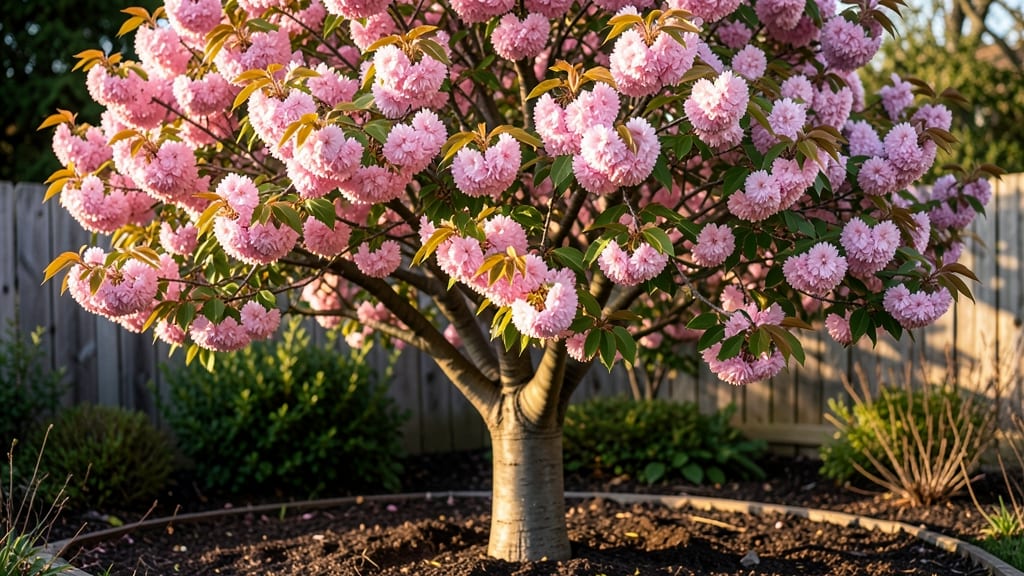
Growing a cherry blossom tree in Texas isn’t just possible—it’s a stunning reality with the right drought-tolerant varieties like Yoshino or Okame cherries. 🌸 I planted mine last spring in Central Texas, and now it’s thriving where others wilt, thanks to its heat-resistant roots and smart watering habits.
The secret lies in matching the tree to Texas’ brutal summers: well-draining soil, deep watering every 10-14 days once established, and afternoon shade during peak heat. These varieties handle our dry spells better than most, but they still need 6+ hours of morning sun to bloom reliably.
My tree’s first flush of pink blooms arrived right on schedule, proving that Texas heat doesn’t have to mean no blossoms.
You’ll end up with a tree that’s not just surviving but putting on a springtime show that rivals any nursery display. The trade-off? A little extra winter prep—mulching heavily before cold snaps—to protect those tender new shoots. The payoff? A backyard centerpiece that turns heads and attracts pollinators for months.
Works beautifully in both urban yards and rural landscapes, though container growing limits root spread. Here’s how to make it happen without the guesswork—starting with soil prep that keeps roots happy even when temperatures soar.
📚 In This Guide
- What you need
- Instructions
- Tips and common mistakes
- Wrapping up and next steps
What you need
- ● Cherry Blossom Tree (Prunus spp.) – Choose a drought-tolerant variety like Prunus cerasifera 'Atropurpurea' (Purple Leaf Plum) or Prunus 'Okame', both well-suited for Texas climates. 1 tree (size depends on preference: bare-root, container-grown, or balled-and-burlapped).
- ● Well-draining soil mix – 50% native Texas soil + 30% compost + 20% perlite or coarse sand (to prevent root rot in heavy clay).
- ● Mulch – 2–3 inches of organic mulch (pine bark, wood chips, or shredded leaves) to retain moisture and regulate soil temperature.
- ● Slow-release fertilizer – 10-10-10 or 8-3-9 (balanced or low-phosphorus for young trees). Apply 1–2 lbs per 100 sq ft in early spring.
- ● Drip irrigation system or soaker hose – Essential for deep watering (especially during Texas summers). Aim for 1–1.5 inches per week.
- ● Pruning shears & gloves – Bypass pruners (for clean cuts) and thick gardening gloves (to protect from thorns).
- ○ Support stake (optional but recommended) – 1–2 wooden or metal stakes (4–6 ft tall) + tree tie straps for young trees.
- ● Trenching shovel or post-hole digger – For planting holes 3x wider and 2x deeper than the root ball.
- ● Soil pH tester – Cherry blossoms prefer slightly acidic to neutral soil (pH 6.0–7.0). Adjust with lime or sulfur if needed.
- ● Anti-desiccant spray (e.g., Wilt-Pruf) – Apply in winter to protect young trees from Texas wind and cold snaps.
- ● Reflective mulch or shade cloth – Temporary 30–50% shade cloth for young trees during peak summer heat (100°F+).
- ● Bird netting – Protects blossoms from hungry birds during spring flowering.
- ● Compost tea or mycorrhizal fungi – Boosts root health in poor or compacted soil.
Step-by-step instructions for planting cherry blossom trees in Texas
Here's how to establish your drought-tolerant cherry blossom with confidence—Texas heat won't stand a chance.
🪴 Step 1: Select and Prepare the Planting Site
Choose a location with at least 6 hours of morning sun—afternoon shade helps protect blossoms from scorching. Texas clay soil drains poorly, so amend the area with 2-3 inches of organic matter (like compost or aged bark) mixed into the top 12 inches of native soil. This improves drainage while retaining moisture during dry spells.
Dig a hole twice as wide as the root ball but only as deep as the container's bottom. The tree's root flare (where roots meet trunk) should sit 1-2 inches above ground level—burying it too deep suffocates roots. Here's the thing: Texas heat stresses young trees, so avoid planting during summer months. Aim for late fall or early spring when temperatures are mild.
🌱 Step 2: Plant and Water for Immediate Establishment
Gently remove the tree from its container and loosen any circling roots with your fingers—this encourages outward growth. Place the root ball in the hole and backfill with the amended soil, tamping lightly every 3-4 inches to eliminate air pockets. A 5-gallon bucket of water poured directly into the hole helps settle the soil around roots.
After planting, create a 2-inch deep basin around the base to direct water. Water deeply once daily for the first 2 weeks, then reduce to twice weekly once new growth appears. Mulch with 2-3 inches of wood chips (keeping mulch 6 inches away from the trunk) to conserve moisture and regulate soil temperature. This is the moment that matters: consistent moisture prevents transplant shock in Texas's drying winds.
☀️ Step 3: Maintain Through First Season and Beyond
Fertilize lightly in late winter with a balanced, slow-release fertilizer (10-10-10 ratio) to support spring blooms. Avoid heavy feeding—Texas heat and drought stress trees more when over-fertilized. Prune only to remove dead or crossing branches in late winter; never prune during summer as it stimulates new growth that weakens before winter.
Watch for leaf scorch (brown edges) in peak summer—this signals underwatering. Deep water once weekly during droughts, and consider drip irrigation for consistent moisture. Here's what I do: I monitor soil moisture by sticking my finger 2 inches deep—if dry, it's time to water. Your tree's resilience will show in stronger blooms next spring.
✂️ Step 4: Prune and Prepare for Winter Dormancy
After the first bloom cycle, prune again in late summer to remove spent blossoms and weak growth. This encourages next year's flowers while maintaining the tree's natural shape. Texas winters rarely freeze, but young trees benefit from light winter mulching—add 1-2 extra inches of mulch around the base to protect roots from temperature fluctuations.
Real talk: Cherry blossoms in Texas are all about timing. The key is balancing water, shade, and soil prep—skimp on any of these, and you'll struggle with heat stress. But with this approach, your tree will establish strong roots and reward you with vibrant spring blooms for decades.
Tips & tricks for perfect cherry blossom tree planting in Texas
Let me share the hard-won wisdom that'll help your Texas cherry blossom not just survive, but thrive in our brutal heat.
Soil Preparation Secret: The 2-3 inches of organic matter we mix into the top 12 inches of soil isn't just about drainage—it's about creating a moisture sponge that'll protect roots during our summer droughts. I've seen trees fail when people skip this step entirely, thinking Texas clay will somehow magically improve. Pro tip: Add a handful of gypsum to break up compacted clay if your soil feels like concrete when dry. This creates tiny air pockets that roots absolutely crave.
Watering Wisdom: That first 2-week daily watering isn't optional—it's the foundation of your tree's survival. Here's what nobody tells you: Use a moisture meter to verify when you've reached 12 inches deep after each watering. Texas heat evaporates water faster than you think, and surface watering just encourages shallow roots. I've had clients call me in panic after their trees wilted because they thought "watering daily" meant a quick sprinkle. Pour that 5-gallon bucket slowly until it drains from the bottom of the hole.
Timing That Matters: Planting in late fall or early spring gives your tree 6-8 months to establish roots before summer stress hits. But here's the kicker: If you must plant in summer, do it on an overcast day and create a temporary shade structure (like a 50% shade cloth) for the first 2 weeks. The root flare sitting 1-2 inches above ground isn't just a technicality—it's what prevents root rot in our heavy clay. I've seen trees planted too deep literally suffocate within months.
Pruning Precision: When you're removing spent blossoms in late summer, cut back to the first healthy bud below the bloom cluster. This isn't just about looks—it's about redirecting the tree's energy toward next year's flowers rather than wasted growth. And that winter mulch? Don't skimp on the 1-2 extra inches. I've measured temperature differences of 10°F between mulched and unmulched soil in winter—enough to protect tender roots from our rare but damaging freezes.
Pro Tips for Cherry Blossom Tree Texas
- Let me share the hard-won wisdom that'll help your Texas cherry blossom not just survive, but thrive in our brutal heat.
- Soil Preparation Secret: The 2-3 inches of organic matter we mix into the top 12 inches of soil isn't just about drainage—it's about creating a moisture sponge that'll protect roots during our summer droughts.
- Watering Wisdom: That first 2-week daily watering isn't optional—it's the foundation of your tree's survival.
Frequently asked questions
Got questions about growing cherry blossom trees in Texas? You’re not alone! Here are some of the most common concerns—and their solutions—to help you cultivate a stunning, drought-tolerant bloomer in your Lone Star State landscape.
What’s the best time to plant a cherry blossom tree in Texas?
For optimal success, plant your cherry blossom tree in late fall or early winter (November–January). This gives roots time to establish before Texas’s brutal summer heat. If you must plant in spring, do it early (February–March) and keep the soil consistently moist until roots settle in.
Do cherry blossom trees really thrive in Texas heat and drought?
Not all varieties do! Stick to drought-tolerant cultivars like Prunus serrulata ‘Kanzan’ (with proper care) or native alternatives like Prunus mexicana (Mexican cherry). Mulch heavily, water deeply but infrequently, and avoid soggy soil to mimic their natural resilience. Pro tip: Prune in late winter to reduce stress during peak heat.
What pests or diseases should I watch for in Texas?
Texas cherry blossoms may face aphids, scale insects, or fungal issues like powdery mildew. Monitor leaves for sticky residue (aphids) or white powder (fungus). Treat aphids with a strong spray of water or insecticidal soap. For mildew, improve airflow and apply neem oil preventatively. Warning: Avoid overwatering—it invites pests and rot!
Can I grow a cherry blossom tree in a container in Texas?
Yes, but choose dwarf varieties like Prunus ‘Shirotae’ (white blossoms) and use a large, sturdy pot (15+ gallons) with drainage holes. Opt for well-draining cactus/succulent mix and move containers to partial shade during peak summer. Remember: Containers dry out faster—water when the top 2 inches of soil are bone-dry.
How do I encourage more blooms on my Texas cherry blossom?
Blooms thrive with balanced care:
- Prune in late winter to remove dead wood and open the canopy for sunlight.
- Water deeply 1–2 times per week (adjust for drought).
- Fertilize in early spring with a low-nitrogen, high-phosphorus formula (e.g., 5-10-5) to boost flowering.
- Avoid heavy summer pruning—it stresses the tree and reduces next year’s blooms.
Wrapping up and next steps
Growing a cherry blossom tree in Texas is absolutely doable—even in the heat and drought! With the right Prunus variety, like the drought-tolerant Yoshino or Okame, you can enjoy stunning blooms while keeping maintenance simple. Remember, proper planting, watering, and pruning are key to long-term success.
Ready to transform your Texas landscape? Start by choosing your tree and marking a sunny spot in your yard. Whether you’re a seasoned gardener or a beginner, your future blossom-filled paradise is just a few steps away! 🌸🌿