
Blooming
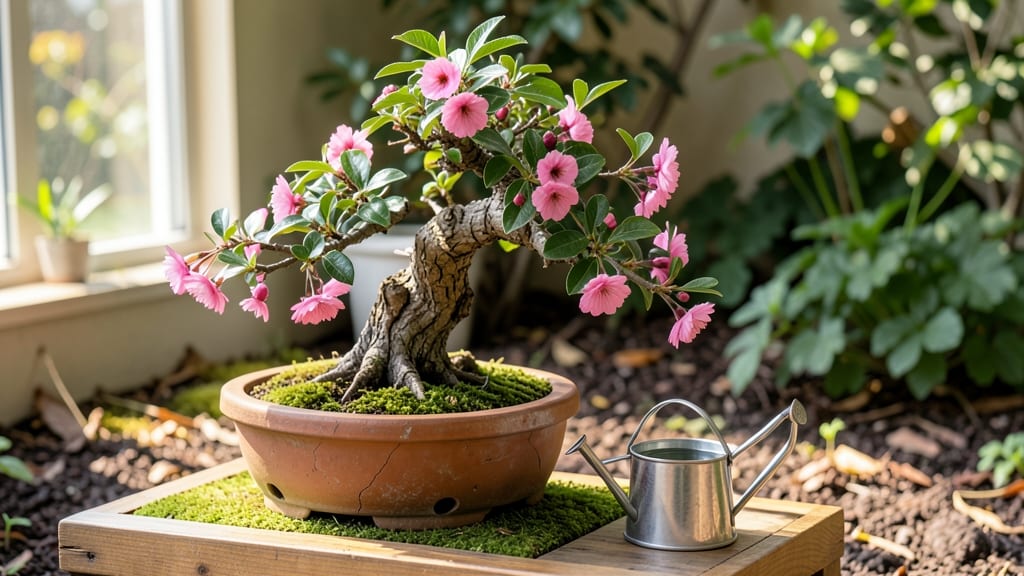
Mastering the delicate art of cherry blossom bonsai tree care transforms that fleeting pink dream into a yearly masterpiece. The secret starts with understanding these delicate trees demand patience—think of them as high-maintenance divas that reward you with spectacular spring blooms if you get their timing just right.
I learned the hard way that skipping one step (like winter chilling) means no flowers the next spring, and that’s a heartbreaking lesson no bonsai lover wants to repeat.
The real magic happens in the details: soil that drains like a desert but stays moist enough to please roots, pruning that shapes the tree while preserving its blooming potential, and light that mimics the dappled shade of a Japanese forest.
My first bonsai nearly died from overwatering—now I check soil moisture daily in winter and cut back to every other day in summer. The key is balancing control with letting nature take its course.
By spring, you’ll be rewarded with clusters of blossoms so delicate they look painted on. The scent alone makes every late-night pruning session worth it. These trees thrive when you treat them like living art—adjusting for seasons, troubleshooting brown leaves early, and never rushing their growth.
Even experienced growers hit snags, but the blooms make it all worthwhile.
Whether you’re battling aphids in summer or protecting your tree from drafts in winter, cherry blossom bonsai care is equal parts science and intuition. The goal isn’t perfection—it’s that first flush of pink that tells you you’re doing something right. Let’s get your tree blooming like a pro.
📚 In This Guide
- What you need
- Instructions
- Tips and common mistakes
- Wrapping up and next steps
What you need
- ● Cherry Blossom Bonsai Tree: A healthy, pre-bonsai Prunus serrulata or Prunus × yedoensis (Yoshino cherry) with a sturdy trunk and branches.
- ● Bonsai Pot: 1 shallow, well-draining pot (3–6 inches deep) with drainage holes. Unglazed clay or ceramic is ideal.
- ● Bonsai Soil Mix: 1 bag (1–2 gallons) of high-quality akadama, pumice, and lava rock blend (70% akadama, 15% pumice, 15% lava rock).
- ● Pruning Tools: 1 pair of concave bonsai shears (for branch pruning).
- ● 1 needle-nose pruner (for fine trimming).
- ● 1 wire cutter (for removing training wire).
- ● Root Pruning Tools: 1 bonsai root hook or wire root rake for gentle root trimming.
- ● Training Wire: 1 roll of aluminum or copper bonsai wire (1–3mm thickness, depending on branch size).
- ● Watering Can: 1 with a rose nozzle for precise watering.
- ● Misting Bottle: 1 (for humidity control, especially in dry climates).
- ● Fertilizer: 1 bottle of balanced liquid bonsai fertilizer (e.g., 10-10-10 or 20-20-20, diluted to half-strength).
- ● 1 packet of organic slow-release fertilizer (e.g., Osmocote or similar).
- ● Pest Control: 1 bottle of neem oil or insecticidal soap (for aphids, spider mites, or scale).
- ● Bonsai Humidity Tray: 1 (to create a mini greenhouse effect during blooming season).
- ● Heating Mat: 1 (for indoor winter care if temps drop below 40°F/4°C).
- ● Bonsai Display Stand: 1 (to showcase your tree elegantly).
- ● Grafting Tools: 1 set (if you plan to graft new branches for better blooms).
- ● Bloom Booster: 1 bottle of phosphorus-rich fertilizer (e.g., 5-10-10) to encourage flowering.
- ● Pruning Sealant: 1 tube (e.g., tree wound pruning paste) to protect large cuts.
Step-by-Step instructions for cultivating a cherry blossom bonsai tree
Here's the method I've used to keep my cherry blossom bonsai thriving for over five years—delicate blooms included.
🌱 Step 1: Establish Proper Light and Temperature Conditions
Place your bonsai in a location with bright, indirect light—think east or north-facing windows. Direct afternoon sun will scorch the leaves, while too little light weakens growth and reduces blooms. I keep mine near a window where it gets morning sun and afternoon shade, especially during summer's peak intensity.
Cherry blossom bonsai prefer 60-75°F temperatures year-round. In winter, keep it away from cold drafts or heat vents, which cause stress. A sudden drop below 50°F can shock the tree and cause buds to drop. If you're in a climate with harsh winters, bring it indoors before temperatures fall below 45°F.
💧 Step 2: Master the Watering Routine for Healthy Growth
Water your bonsai when the top inch of soil feels dry to the touch. Stick your finger in the soil—if it's damp just below the surface, wait another day. Overwatering is the #1 killer of bonsai; soggy soil leads to root rot and yellowing leaves. I use a spray bottle for the top layer and water from the bottom tray to ensure even moisture distribution.
In summer, you may need to water daily, while winter slows watering to every 5-7 days. Always use room-temperature water—cold water shocks the roots. After watering, let excess drain completely from the tray to prevent waterlogging. If the soil stays wet for more than a few hours, your drainage isn't adequate.
☀️ Step 3: Prune and Shape for Optimal Bloom Production
Prune your cherry blossom bonsai after flowering in late spring to encourage new growth. Use clean, sharp bonsai scissors to trim back one-third of the new growth to maintain shape and density. Avoid cutting into old wood—this reduces next year's bloom potential. I focus on shaping the canopy first, then refine the branches to create an elegant, natural silhouette.
Remove any dead or crossing branches immediately—they compete for nutrients and weaken the tree. Thin out crowded foliage to improve airflow, which prevents fungal diseases. If you notice leggy growth reaching toward the light, it's a sign your tree needs more indirect light or a slight pruning to encourage bushier growth.
✂️ Step 4: Fertilize Seasonally for Vibrant Blooms
Feed your bonsai with a balanced liquid fertilizer (10-10-10 or similar) every two weeks during spring and summer. Reduce to once a month in fall and stop fertilizing in winter—the tree enters dormancy and doesn't need extra nutrients. I dilute the fertilizer to half-strength to avoid burning the roots, especially in hot weather.
For extra bloom production, switch to a high-phosphorus fertilizer (like 10-30-20) in early spring. This encourages root and flower development. Always water the tree thoroughly before and after fertilizing to prevent salt buildup in the soil. Yellowing leaves after fertilizing? You're overdoing it—flush the soil with water immediately.
🪴 Step 5: Repot Every 2-3 Years for Root Health
Repot your cherry blossom bonsai in early spring, just as new growth begins. Use a well-draining bonsai soil mix with akadama, pumice, and lava rock for optimal aeration. I choose a pot only 1-2 inches larger in diameter than the previous one—too much space encourages weak root growth. Trim one-third of the roots with sharp scissors, focusing on long or thick roots.
After repotting, place the tree in a shaded area for one week to reduce stress. Water lightly for the first few days, then resume your normal routine. If you notice the leaves wilting or turning brown, it's a sign of transplant shock—keep it in indirect light and mist the foliage daily until it recovers. Repotting is crucial for preventing root-bound stress, which stunts growth and reduces blooms.
Tips & tricks for perfect cherry blossom bonsai tree care
Took me years to figure out these little details that make all the difference between a struggling bonsai and one that blooms beautifully every spring.
Lighting Nuances: In Step 1, when you're placing your bonsai near a window, pay close attention to the angle of the sun throughout the day. I've found that rotating the tree quarter-turns every few weeks helps ensure even growth—one side shouldn't get permanent shade while others bake. For indoor setups, supplement with a grow light for 12-14 hours daily during winter months when natural light is scarce.
Watering Technique: The top inch test in Step 2 is crucial, but here's what I've learned: use your finger to check moisture at multiple spots in the pot, not just one. The soil near the edges often dries faster than the center. Also, I've started using a moisture meter for my bonsai—it takes the guesswork out of watering and prevents both underwatering and overwatering. The needle should read around 3-4 on the scale for optimal moisture.
Pruning Precision: When you're trimming back that one-third of new growth in Step 3, focus on making cuts just above a leaf node or branch junction. This encourages new growth to sprout from that point. I keep a small notebook to track my pruning schedule—marking when I last pruned helps me remember to do it again after flowering. For stubborn branches that won't shape properly, I use a wire technique to gently guide them into position over several weeks.
Fertilizer Timing: The two-week spring/summer schedule in Step 4 works well, but I've found that applying fertilizer in the early morning gives the tree time to absorb nutrients before the heat of the day. Also, if you notice tiny white crystals forming on the soil surface after fertilizing, that's salt buildup—flush the soil immediately by watering thoroughly until water runs clear from the drainage holes. This prevents root burn and keeps your bonsai healthy.
Pro Tips for Cherry Blossom Bonsai Tree Care
- Took me years to figure out these little details that make all the difference between a struggling bonsai and one that blooms beautifully every spring.
- Lighting Nuances: In Step 1, when you're placing your bonsai near a window, pay close attention to the angle of the sun throughout the day.
- Watering Technique: The top inch test in Step 2 is crucial, but here's what I've learned: use your finger to check moisture at multiple spots in the pot, not just one.
Frequently asked questions
Got questions about keeping your cherry blossom bonsai thriving? Here are answers to the most common concerns—from pruning to pests—so you can enjoy those dreamy blooms year after year!
How often should I water my cherry blossom bonsai?
Water your bonsai when the top 1-2 inches of soil feel dry—usually every 2-3 days in warm weather or daily in hot climates. Overwatering is worse than underwatering! Use well-draining soil and a pot with drainage holes to prevent root rot. Pro tip: Mist the foliage lightly in dry air to mimic humidity.
When is the best time to prune my cherry blossom bonsai?
Prune after flowering (late spring/early summer) to shape the tree and encourage new growth. Avoid heavy pruning in fall/winter—this is when the tree rests. For blooms, trim back overly long branches but leave some buds to ensure next year’s flowers! Use sharp, clean scissors to avoid damaging the bark.
What pests should I watch for, and how do I treat them?
Common pests include aphids, spider mites, and scale insects. Check the undersides of leaves weekly! Treat mild infestations with neem oil or insecticidal soap. For severe cases, isolate the tree and spray with horticultural oil. Prevention tip: Keep your bonsai clean and avoid overcrowding with other plants.
Do cherry blossom bonsais need a dormancy period?
Yes! After blooming, your bonsai needs 6-8 weeks of cooler temps (50–60°F) to recharge. Place it in a shaded, sheltered spot (like a garage or balcony) if outdoor temps drop below freezing. Winter care: Reduce watering and avoid fertilizing until spring.
Can I grow a cherry blossom bonsai indoors year-round?
Indoor growth is possible but challenging. Cherry blossoms need bright, indirect light (south-facing window) and seasonal temperature shifts to bloom. If indoors, supplement with grow lights in winter and mimic dormancy with cooler nights. Outdoor exposure (even a balcony) improves blooming success!
Wrapping up and next steps
Caring for a cherry blossom bonsai tree is a rewarding journey that brings delicate beauty into your home year-round. By mastering pruning, watering, and seasonal adjustments, you’ll nurture stunning blooms and lush foliage—proving that patience and love transform even the most delicate plants. 🌸
Ready to watch your bonsai flourish? Start by observing your tree’s needs and adapting your routine as it grows. With each season, you’ll deepen your bond with this living work of art—one bloom at a time! 🌱