
Neem Oil
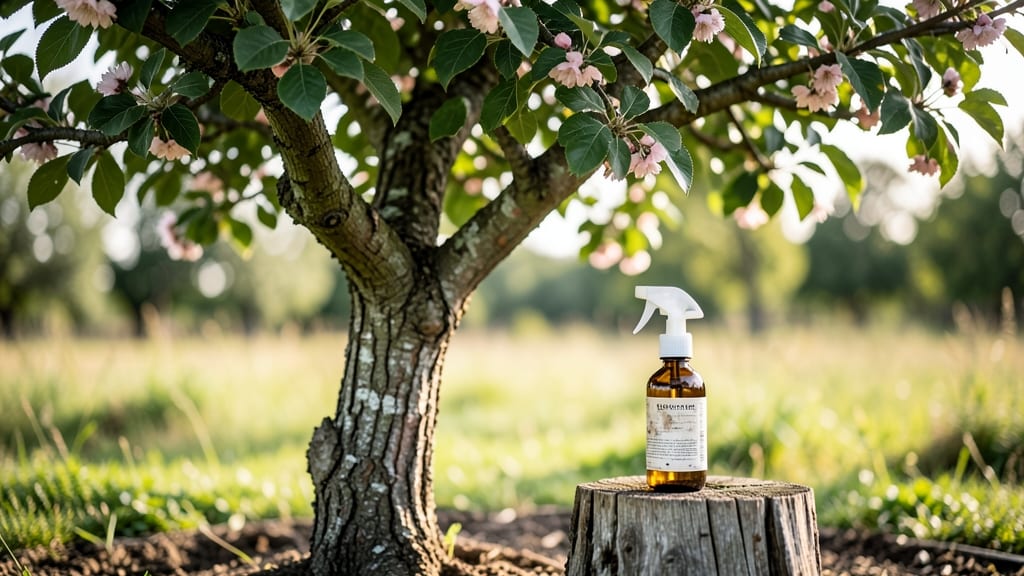
Horticultural oil for trees is the quiet hero of organic pest control—it smothers soft-bodied insects like scale, aphids, and mites without harming your trees or the ecosystem. 🌿 I’ve used it on my apple trees during outbreaks, and within days, the infestation vanished while the bees and ladybugs stayed completely unharmed.
The key lies in timing and technique: apply it when pests are active but before temperatures hit 90°F, and you’ll see results faster than with chemical sprays.
You’ll need horticultural oil (not mineral oil), a sprayer with a fine mist nozzle, and a windless day for best coverage. Mix it at the recommended rate—usually 1-2%—and avoid applying when the tree is under stress or during extreme heat.
The oil works by coating pests, cutting off their air supply, while also disrupting their life cycles. It’s especially effective against aphids, mites, and young caterpillars, but it won’t harm beneficial insects if applied correctly.
After spraying, watch for new growth—healthy leaves will emerge within 2-3 weeks, and pests will dwindle to almost none. The best part? You can repeat treatments every 7-14 days during outbreaks, and it’s safe to use right up until harvest.
Just avoid spraying when flowers are open to protect pollinators. For stubborn infestations, combine it with neem oil for even better results.
Seasonal timing matters—spring and early summer are ideal, but you can use it year-round in mild climates. Just avoid freezing temperatures, as the oil can harm tender new growth.
Start with a small branch test to ensure your trees tolerate it well, and always apply in the late afternoon to reduce leaf burn. With this method, your trees will stay lush and pest-free without the harsh chemicals.
📚 In This Guide
- What you need
- Instructions
- Tips and common mistakes
- Wrapping up and next steps
What you need
- ● Horticultural oil: Choose a refined, cold-pressed oil (like neem oil or horticultural oil blends) with 70-90% oil content. A 1-gallon container covers ~200–400 sq. ft. of foliage (adjust for dense trees).
- ● Spraying equipment: Hose-end sprayer (for large trees, 2–5 gallons capacity)
- ● Handheld pump sprayer (for precision, 1–2 gallon capacity)
- ● Backpack sprayer (for heavy foliage, 4+ gallons)
- ● Water: Soft or distilled water (hard water reduces oil effectiveness). Use 1 part oil to 10–20 parts water (check label for dilution ratios).
- ● Stirring stick or paddle: Wooden or plastic to mix oil and water thoroughly.
- ● Protective clothing: Long sleeves, gloves (nitrile or rubber), and safety goggles (oil can irritate skin/eyes).
- ● Ladder or extension pole: For reaching high branches (aluminum or fiberglass to avoid scratching bark).
- ● Measuring cup or scale: For precise oil-to-water ratios.
- ○ Optional: Surfactant (like dish soap): 1 tsp per gallon helps oil adhere to leaves (use mild, biodegradable soap).
- ● Spray nozzle with fine mist setting: Ensures even coverage.
- ● Weatherproof storage container: For leftover mixed solution.
- ● Weather: Apply on a calm, overcast day (oil burns leaves in direct sunlight). Ideal temps: 50–85°F.
- ● Timing: Treat trees early morning or late evening to avoid leaf scorch.
- ● Tree health: Avoid spraying if trees are stressed, wilted, or dormant (oil can clog stomata).
- ● Pest identification: Confirm pests are soft-bodied insects (e.g., aphids, mites, scale)—horticultural oil works best on these!
Step-by-step guide for applying horticultural oil to trees
This method works whether you're treating a single tree or a small orchard—just follow the timing and coverage rules.
🌿 Step 1: Choose the Right Oil and Timing
Use a refined horticultural oil labeled for pest control, not a petroleum-based product. The best time to apply is late afternoon or early evening when temperatures are between 50-85°F and pests are least active. Avoid spraying when rain is forecast within 24 hours—it washes off before it can work.
I like to treat trees twice a season: once in early spring (just before buds swell) to prevent overwintering pests, and again late summer (after harvest) to catch any remaining eggs or larvae. This two-step approach breaks the pest life cycle before they become established.
💧 Step 2: Mix and Prepare the Solution
Most horticultural oils come ready to use, but always check the label for dilution instructions. If mixing with water, use 1 part oil to 2 parts water—never exceed a 2% oil concentration, or you risk phytotoxicity (leaf burn). I stir the mixture in a clean spray tank dedicated to organic treatments to avoid contamination.
Add a drop of dish soap (not detergent) per gallon of mix to help the oil spread evenly. This isn’t for cleaning—it reduces surface tension so the oil clings better to waxy leaf surfaces. Shake the tank vigorously before each use, as oil and water separate over time.
☀️ Step 3: Apply Evenly to All Surfaces
Focus on new growth, buds, undersides of leaves, and bark crevices—these are where pests hide and lay eggs. Use a high-pressure sprayer set to a fine mist to ensure thorough coverage. Start at the top of the tree and work downward, overlapping each pass by 50% to avoid missed spots.
Pay special attention to trunk cracks and branch junctions—these are common hiding spots for scale insects and spider mites. A paintbrush or foam applicator works well for hard-to-reach areas. Lightly coat the entire canopy, not just the obvious pest hotspots. You’re not just treating what you see; you’re creating an inhospitable environment for future infestations.
⏰ Step 4: Monitor and Reapply as Needed
Horticultural oil works by suffocating pests, so you’ll see results within 3-7 days if applied correctly. Check for wilting leaves, brown spots, or curled foliage—these can indicate overapplication or sensitive tree species. If you notice any damage, rinse the area immediately with water.
Reapply every 7-14 days during active pest seasons, or as directed on the product label. Consistency is key—one treatment won’t eliminate an established infestation. Keep records of when and where you applied the oil, along with any pest activity you observe. This helps track effectiveness and adjust your schedule next season.
Tips & tricks for perfect horticultural oil application
Real talk: Horticultural oil is a game-changer for organic pest control, but execution makes all the difference. Here's what I've learned after treating hundreds of trees—mistakes here cost you time and effectiveness.
Timing is Everything: The 50-85°F window is non-negotiable for best results. I've seen oil wash off too quickly when applied in cooler temps (below 50°F) or evaporate too fast in heat above 85°F. Morning applications often fail because dew can dilute the oil before it adheres properly. Wait until that late afternoon sun when leaves are dry but pests are still sluggish.
Dilution Precision: That 1:2 oil-to-water ratio (never exceeding 2% concentration) is critical. I once mixed 1:1 by accident and ended up with leaf burn on my sensitive apple trees. Always measure carefully—use a separate container for mixing to avoid cross-contamination with other treatments. And remember, some oils are pre-mixed, so check the label before adding water.
Equipment Matters: Your sprayer pressure and nozzle choice determine coverage quality. A high-pressure sprayer set to fine mist ensures thorough penetration, but too much pressure can cause runoff. For large trees, I use a backpack sprayer with a 0.5mm nozzle—it gives me the control to reach upper branches without overspray. For small trees or shrubs, a handheld sprayer with adjustable pressure works perfectly.
Monitoring Strategy: The 3-7 day window for visible results is when most people give up too soon. I recommend checking every 3 days for subtle signs: pests will appear sticky and immobile on leaves. Keep a small notebook by your sprayer to record treatment dates and pest observations—this helps you spot patterns and adjust your schedule next season.
Pro Tips for Horticultural Oil For Trees
- Real talk: Horticultural oil is a game-changer for organic pest control, but execution makes all the difference.
- Timing is Everything: The 50-85°F window is non-negotiable for best results.
- Dilution Precision: That 1:2 oil-to-water ratio (never exceeding 2% concentration) is critical.
Frequently asked questions
Got questions about using horticultural oil for your trees?
You’re not alone! Below, we’ve answered the most common queries to help you get the best results while keeping your trees healthy and pest-free.
When is the best time of year to apply horticultural oil?
The ideal time is late winter or early spring (before buds break) or late summer/early fall (after harvest). Avoid applying when temperatures are below 40°F (4°C) or above 90°F (32°C), as extreme cold or heat can stress trees. Timing matters—apply when pests are dormant but about to emerge for maximum effectiveness!
How long does horticultural oil take to work?
Horticultural oil works by suffocating pests, so you’ll typically see results within 24–48 hours for soft-bodied insects (like aphids or mites). For harder pests (e.g., scale insects), it may take 7–14 days of repeated applications. Consistency is key—reapply every 7–14 days during active pest seasons for best results.
Can I use horticultural oil on fruit trees or flowering plants?
Yes, but with caution! Horticultural oil is generally safe for most trees and plants once they’re fully grown. However, avoid spraying when flowers are open (it can harm pollinators) or on newly planted seedlings (they’re more sensitive). For fruit trees, apply at least 2 weeks before harvest to ensure residue doesn’t linger on edible parts.
What should I do if I see no improvement after applying?
If pests persist, check these troubleshooting steps:
- Reapply: Follow the 7–14-day schedule—some pests require multiple treatments.
- Check coverage: Ensure you’ve coated all leaf surfaces (undersides are pest hotspots!).
- Mix with water: If oil is too thick, dilute it 1:1 with water for better spread.
- Consider alternatives: For stubborn infestations, combine with neem oil or insecticidal soap.
If the problem worsens, consult a local arborist to rule out disease or resistant pests.
Is horticultural oil better than chemical pesticides?
Horticultural oil is an organic, non-toxic alternative that:
- Kills pests on contact without harming beneficial insects (like ladybugs).
- Breaks down quickly in sunlight, leaving no harmful residues.
- Prevents future infestations by smothering eggs and larvae.
While chemicals may offer faster results, horticultural oil is safer for people, pets, and the environment—plus, it’s OMRI-listed for organic gardening!
Wrapping up and next steps
Horticultural oil for trees isn’t just a solution—it’s a game-changer for organic pest control that keeps your trees thriving without harsh chemicals. 🌿 Whether you’re tackling scale, mites, or aphids, this versatile oil smothers insects while nourishing your greenery naturally.
With the right application and a little patience, you’ll see healthier trees and a stronger ecosystem in no time!
Ready to take the next step? Start small—test a branch or two, monitor results, and expand your efforts seasonally. Your trees (and the planet) will thank you!