
Trees
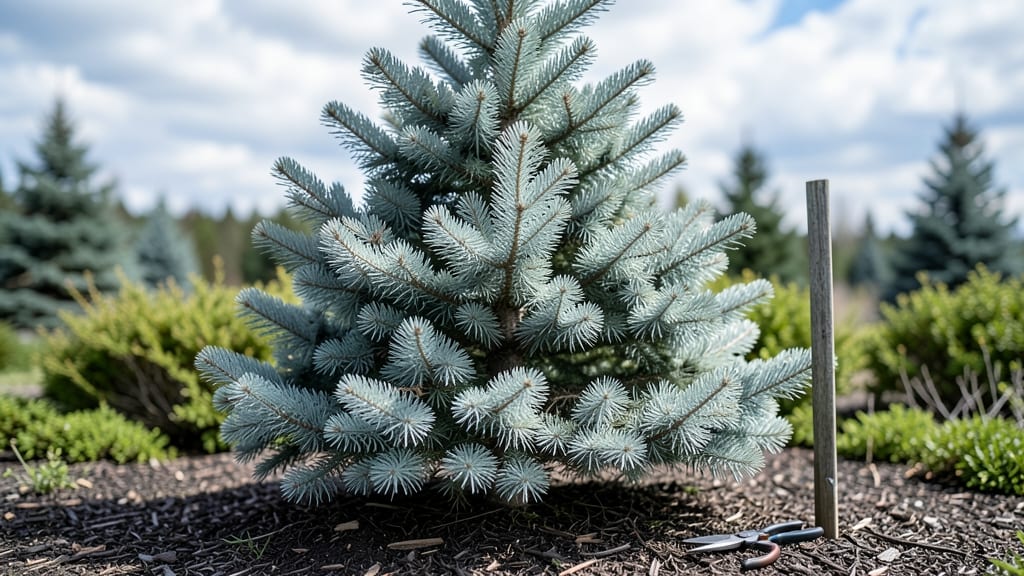
Cold hardy evergreen trees are the unsung heroes of winter landscapes—standing tall when deciduous trees sleep. 🌲 I’ve planted mine in zones where snow lasts until April, and they’ve never let me down. The secret lies in choosing the right species and giving them the proper care from planting day.
These trees thrive in full sun to partial shade and well-drained soil, though some like pine tolerate drier conditions. Spruces and firs prefer consistent moisture, while junipers handle drought better. The key is matching the tree to your climate’s extremes—whether that’s -30°F winters or high-altitude winds.
You’ll end up with a landscape that stays lush year-round, shielding your home from winter winds and providing wildlife habitat. Evergreens also age gracefully, their textures and colors evolving from dark green needles to silvery-blue foliage over decades.
With the right placement and care, they become the backbone of your outdoor space.
From planting techniques to pruning for shape, I’ll walk you through every step so your evergreens stay healthy and vibrant—no frost damage in sight. Let’s get started with the trees that keep your garden alive through winter’s longest nights.
📚 In This Guide
- What you need
- Instructions
- Tips and common mistakes
- Wrapping up and next steps
What you need
- ● Cold-hardy evergreen tree seedlings or saplings (choose varieties like Picea glauca (White Spruce), Abies concolor (White Fir), or Juniperus virginiana (Eastern Red Cedar) based on your USDA hardiness zone).
- ● High-quality, well-draining potting mix or soil (50 lbs minimum for planting multiple trees). Look for blends labeled for evergreens or conifers.
- ● Shovel or spade (for digging planting holes—opt for a 12-18 inch wide model for ease).
- ● Garden gloves (a pair of durable, water-resistant gloves to protect your hands).
- ● Watering can or hose with a gentle spray nozzle (for hydration without disturbing roots).
- ● Mulch (pine bark, wood chips, or straw) (2-3 cubic feet, 3-4 inches deep when applied).
- ● Tree stakes and soft ties (if planting larger saplings for support; 1-2 stakes per tree, 6 feet tall).
- ● Fertilizer (slow-release, balanced formula) (e.g., 10-10-10 or a conifer-specific blend; 1-2 lbs per tree).
- ● Pruning shears or loppers (for shaping or trimming; bypass pruners for clean cuts).
- ● Root stimulator or mycorrhizal fungi (to boost root growth and cold resilience).
- ● Anti-desiccant spray (like Wilt-Pruf) to protect needles from winter drying.
- ● Soil moisture meter (to monitor hydration levels in colder months).
- ● Tree guard or protective wrap (for young trees in harsh winters).
- ● Wheelbarrow or garden cart (for hauling soil, mulch, or tools efficiently).
How to plant and maintain frost-proof evergreen trees
Here’s my go-to method for keeping evergreens lush through brutal winters.
🌱 Step 1: Choose the Right Evergreen Varieties for Your Climate
Start with species bred for your hardiness zone—think Colorado blue spruce, Eastern white pine, or Arborvitae. These varieties naturally resist winter burn and drought stress once established. I always check the USDA zone map first, then pick trees labeled for zones 3-6 if you’re in colder regions.
Look for healthy, full specimens at nurseries. Avoid trees with brown needles or sparse growth—they’re already stressed. A good rule: if the tree has at least 3 feet of trunk diameter at the base, it’ll handle winter better than a young sapling. Smaller trees need extra winter protection like burlap wraps or mulch rings.
🪴 Step 2: Plant in Well-Draining Soil with Proper Spacing
Dig a hole twice as wide as the root ball but no deeper—evergreens hate sitting in soggy soil. Amend the native soil with 2-3 inches of compost mixed into the bottom and sides of the hole. This improves drainage without suffocating roots. Tap the tree’s root ball gently to loosen compacted soil before placing it in the hole.
Space trees 10-15 feet apart for mature growth. Crowding leads to competition for water and sunlight, making them more susceptible to winter damage. Plant in late fall or early spring when temperatures are mild—avoid extreme heat or cold during transplanting. Water deeply right after planting to settle the soil around roots.
☀️ Step 3: Protect Young Trees from Winter Elements
For the first 2-3 winters, shield young evergreens from harsh winds and drying air. Wrap the trunk and lower branches with burlap or tree guard to prevent sun scorch and frost cracks. I also mound 3-4 inches of mulch around the base, keeping it 6 inches away from the trunk to avoid rot.
Evergreens lose moisture through their needles even in winter. Give them a deep watering every 2-3 weeks during dry spells, even when the ground is frozen. You’ll know they’re thirsty if the needles feel brittle or pull away from the branch when gently tugged. Mature trees need less frequent watering, but young ones benefit from consistent moisture.
✂️ Step 4: Prune for Health and Winter Resilience
Prune in early spring before new growth starts. Remove only dead, diseased, or crossing branches—never cut into old wood. I use clean, sharp shears to make cuts just outside the branch collar. Avoid heavy pruning in late summer or fall, as it stresses trees before winter dormancy.
Shape the tree to allow sunlight and air circulation. A well-pruned evergreen has an open center that reduces snow buildup and ice damage. If you notice brown needles in winter, don’t panic—it’s often normal shedding. But if more than 25% of the tree’s needles turn brown, check for pests like spider mites or fungal issues.
Tips & tricks for perfect cold hardy evergreen trees
Here's what I've learned after years of keeping evergreens thriving in harsh winters—tricks that make all the difference.
Selection Tip: When choosing your Colorado blue spruce or Eastern white pine, look beyond the obvious. Pay attention to the needle color—vibrant green needles indicate healthy trees, while yellowing or brown edges suggest stress. Also, check the growth pattern: evenly spaced branches mean the tree is well-balanced and less likely to struggle in winter winds. I always run my hand along the trunk to feel for smooth bark—rough or peeling bark can signal disease.
Planting Secret: The hole you dig for your evergreen should be twice as wide as the root ball, but here's the trick: don't dig deeper than the root ball's depth. Evergreens hate sitting in waterlogged soil, and the extra depth can actually suffocate the roots. When you place the tree in the hole, gently tap the sides to settle the soil and eliminate air pockets. This simple step ensures the roots make immediate contact with moist soil, giving your tree the best start.
Winter Protection Strategy: For those first critical winters, I've found that wrapping the trunk with burlap isn't just about protection—it's about creating a microclimate. The wrap should extend from the base up about 3 feet, covering the lower branches. This protects against sun scorch (when winter sun warms the trunk faster than the surrounding air) and frost cracks. The 3-4 inches of mulch should be spread in a donut shape, keeping it 6 inches away from the trunk—this prevents moisture buildup that can lead to rot.
Pruning Insight: Early spring is the only time to prune your evergreens, but here's what nobody tells you: the timing within that season matters. Aim for pruning in the first 2 weeks of spring when new growth is just beginning to show. This gives your tree time to heal before summer's heat arrives. When you prune, make your cuts just outside the branch collar—the swollen area where the branch meets the trunk. This ensures proper healing and prevents disease from entering the tree.
Pro Tips for Cold Hardy Evergreen Trees
- Here's what I've learned after years of keeping evergreens thriving in harsh winters—tricks that make all the difference.
- Selection Tip: When choosing your Colorado blue spruce or Eastern white pine, look beyond the obvious.
- Planting Secret: The hole you dig for your evergreen should be twice as wide as the root ball, but here's the trick: don't dig deeper than the root ball's depth.
Frequently asked questions
Got questions about keeping your evergreens lush through winter? We’ve got answers! Here are some of the most common queries about cold-hardy evergreen trees—plus expert tips to keep your yard thriving in freezing temps.
How cold can evergreen trees actually tolerate?
Most cold-hardy evergreens survive temperatures as low as -20°F to -40°F, depending on the species. For example, Colorado blue spruce thrives in Zone 2 (-50°F), while boxwoods (Zone 5) handle milder winters. Always check the USDA Plant Hardiness Zone map for your area to pick the right tree!
Why do some evergreens lose needles in winter?
Needle drop is normal for many evergreens, especially in harsh winters. If it’s excessive (more than 20% of needles), check for drought stress, pests, or disease. Overwatering or poor soil drainage can also cause browning. Prune dead branches in early spring to encourage new growth.
When is the best time to plant cold-hardy evergreens?
The ideal window is late fall to early spring (before bud break). Planting in fall gives roots time to establish before winter, while early spring (just before soil thaws) helps avoid transplant shock. Avoid summer heat, which stresses young trees.
Can I move an established evergreen to a sunnier spot?
Yes, but timing is critical—do it in early spring or fall. Water deeply 1-2 weeks before and after moving to reduce shock. Choose an overcast day to minimize stress, and mulch well to retain moisture. Larger trees may need professional help for safe relocation.
Do I need to protect young evergreens from winter damage?
For the first 1-2 winters, young trees benefit from mulch (3-4 inches) around the base and burlap wraps on trunks to prevent sunscald. Avoid heavy snow buildup—gently shake branches or use a broom. Mature trees usually handle winter just fine!
What’s a good alternative to traditional evergreens for harsh climates?
Consider dwarf conifers (like mugo pine) for small spaces, arborvitae (Zone 3-7) for privacy, or juniper (drought-tolerant and hardy). For color variation, try blue spruce or white pine. Native species often adapt best—check local nurseries for region-specific picks!
Wrapping up and next steps
Cold-hardy evergreen trees are the unsung heroes of winter landscapes—adding color, structure, and life when other plants retreat. Whether you're a seasoned gardener or a beginner, these resilient trees offer low-maintenance beauty and year-round appeal. 🌲❄️
Ready to transform your yard? Start by researching the best varieties for your climate zone, then take action—plant, nurture, and enjoy the everlasting greenery that winter can’t touch! 🌱