
Trees
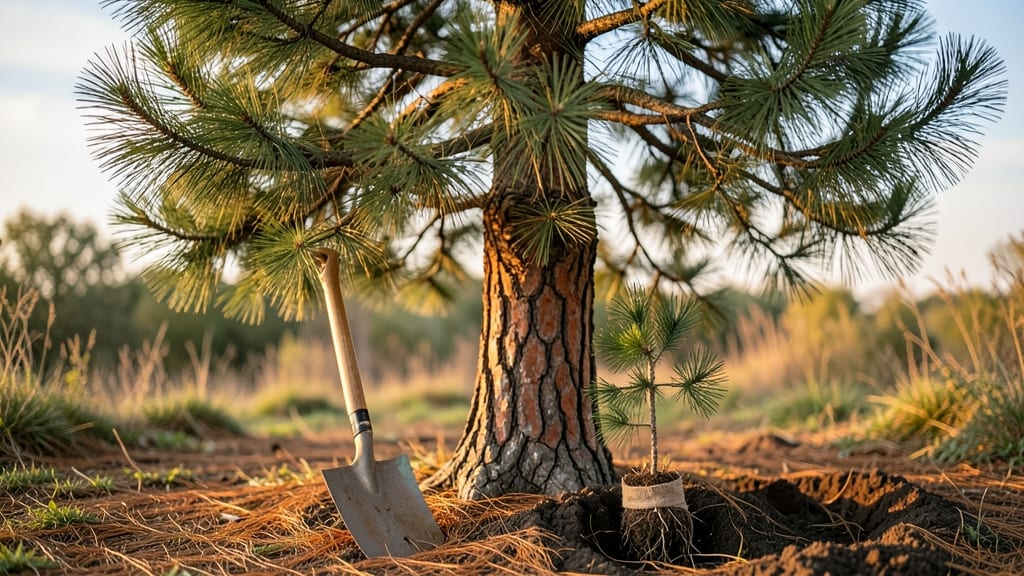
Planting evergreen trees in the Pacific Northwest means choosing varieties that handle our damp winters and mild summers like champions. 🌲 I’ve learned the hard way—skipping soil prep or picking the wrong spot leads to stunted growth or worse, dead trees by spring.
The key is matching the right evergreen to your yard’s microclimate, whether it’s a sun-drenched slope or a shaded corner.
You’ll need basic tools—a shovel, gloves, and mulch—but the real work happens in the ground. Evergreens thrive when planted in well-draining soil with a pH between 5.0 and 7.0, and most varieties appreciate a spot with at least 6 hours of sunlight daily.
Spruces like the Colorado Blue or cedars like the Deodar handle our wet winters better than pines, which can rot if planted too low.
After planting, the first year is critical. Water deeply once a week (more in summer) to encourage root growth, and apply 3 inches of mulch to protect roots from freezing.
Within 2–3 years, you’ll see steady growth—no more guessing games about whether your tree will survive another winter. The payoff? A lush, year-round green backdrop that outlasts deciduous trees.
Works for urban yards, rural properties, and everything in between. Whether you’re planting a single specimen or a windbreak, these tips keep evergreens thriving for decades. Let’s get those roots established right from the start.
📚 In This Guide
- What you need
- Instructions
- Tips and common mistakes
- Wrapping up and next steps
What you need
- ● Evergreen tree saplings: Choose from frost-hardy varieties like Thuja plicata (Western Red Cedar), Tsuga heterophylla (Western Hemlock), or Pseudotsuga menziesii (Douglas Fir). Quantity: 1–3 trees, depending on desired coverage.
- ● Shovel or tree spade: A digging bar (for larger roots) or a round-point shovel (for smaller saplings).
- ● Garden gloves: Heavy-duty, waterproof gloves to protect your hands.
- ○ Mulch (optional but recommended): 3–4 inches of cedar chips, pine bark, or wood chips to retain moisture and insulate roots.
- ● Watering can or hose with a gentle spray nozzle: For post-planting hydration.
- ○ Tree stake (optional): If planting in windy areas, use biodegradable stakes (2–3 per tree).
- ○ Root stimulator (optional): A mycorrhizal inoculant or seaweed-based fertilizer to boost root growth.
- ● Site preparation: Clear debris, loosen soil, and amend with compost if soil is clay-heavy (common in PNW).
- ● Spacing: Follow mature tree spacing guidelines (e.g., 6–10 ft apart for shrub-like evergreens, 15–20 ft for large trees).
- ● Weather check: Plant on a cool, cloudy day (avoid frost or extreme heat).
- ● Local regulations: Verify if your area requires permits for large tree planting.
Step-by-Step guide for planting frost-hardy evergreens in the Pacific Northwest
Here's the method I've used to establish thriving evergreens that survive our region's wet winters.
🪴 Step 1: Choose the Right Location and Prepare the Site
Select a spot that receives at least 6 hours of sunlight daily—most frost-resistant evergreens like Douglas fir, western red cedar, and Oregon grape holly thrive in full sun to partial shade. Avoid low-lying areas where cold air settles, as this increases frost damage risk. I always test the site's drainage by digging a 12-inch deep hole and filling it with water; if it drains within 4-6 hours, the spot is suitable.
Clear the area of weeds and grass within a 3-foot radius of where the tree will go. Use the 1 cubic yard of mulch to create a 3-inch thick layer around the planting zone, keeping it 6 inches away from the trunk to prevent rot. This mulch layer helps regulate soil temperature and retain moisture during our rainy winters.
🌱 Step 2: Dig the Planting Hole and Amend the Soil
Dig a hole twice as wide as the root ball but no deeper—evergreens prefer slightly elevated planting to prevent waterlogging. The native soil in the Pacific Northwest is often dense and compacted, so I loosen the sides of the hole with a shovel to encourage root spread. If your soil is particularly heavy clay, mix in 1 part peat moss to 3 parts native soil at the bottom of the hole to improve aeration.
Place the tree in the hole so the top of the root ball sits 1-2 inches above ground level. This slight elevation prevents water from pooling around the trunk, which is critical for frost resistance. Gently backfill with the amended soil, tamping lightly every 6 inches to eliminate air pockets without compacting the roots.
💧 Step 3: Water Thoroughly and Stake for Support
Water the tree deeply immediately after planting—use 5 gallons of water to thoroughly saturate the root ball and surrounding soil. You'll know it's enough when water runs out the drainage holes if you were testing earlier. This initial watering helps settle the soil and eliminates air gaps that could dry out roots. I always water again 3 days later to ensure the roots establish contact with the moist soil.
Stake the tree only if it's taller than 6 feet or shows signs of leaning. Use 2 wooden stakes placed 6 inches from the trunk and tie the tree loosely with 1 roll of tree tie—too tight, and you'll restrict growth. Leave the tie loose enough to slide a finger between it and the trunk. This support prevents wind damage, which is especially critical during our stormy winters.
☀️ Step 4: Mulch and Monitor for First Year
Spread the remaining mulch evenly around the base, creating a 3-inch thick donut shape that extends 2 feet outward from the trunk. This layer protects roots from freezing temperatures and summer heat, both of which stress young evergreens. Avoid piling mulch against the trunk—this creates a moist environment that invites disease. I check the mulch monthly and replenish if it decomposes below 2 inches thick.
For the first 12 months, water the tree every 7-10 days during dry periods, aiming for 5 gallons per watering. You'll know it needs water when the top 2 inches of soil feel dry—evergreens are drought-tolerant once established, but young trees benefit from consistent moisture. In winter, I avoid watering unless we experience prolonged dry spells, as wet conditions can suffocate roots.
Tips & tricks for planting frost-hardy evergreens
These practical insights will help you avoid common pitfalls and ensure your evergreens thrive in our region's challenging climate.
Site Selection Insight: When testing drainage in Step 1, I've found that our Pacific Northwest clay soils often drain more slowly than expected. If water takes longer than 6 hours to drain, consider amending the site with 1 part coarse sand to 3 parts native soil—this improves drainage without altering the soil's natural structure too dramatically. The key is maintaining that 3-foot weed-free radius while improving drainage, as weeds compete for moisture and nutrients during establishment.
Root Ball Elevation: The slight elevation of the root ball in Step 2—placing it 1-2 inches above ground level—is crucial for preventing winter waterlogging. I've seen too many newly planted evergreens suffer from root rot because they were planted too deep. After backfilling, gently press down the soil every 6 inches to eliminate air pockets, but avoid compacting the roots. Think of it like fluffing a pillow—just enough to support without crushing.
Staking Strategy: For trees taller than 6 feet, I recommend using 2 wooden stakes placed 6 inches from the trunk at a 45-degree angle rather than straight up. This creates a more stable triangle of support. The tree tie should be snug enough to prevent movement but loose enough to allow the trunk to sway slightly in wind—this natural movement helps strengthen the trunk over time. I've seen trees with ties that were too tight develop girdling, which restricts growth.
First-Year Watering: The 12-month watering schedule is critical, but timing matters just as much as quantity. Water deeply in the morning to allow foliage to dry before evening, reducing the risk of fungal diseases. In our rainy winters, I often skip watering unless we have prolonged dry spells, as excess moisture can suffocate roots. The top 2 inches of soil dryness test is reliable—stick your finger in and feel for moisture before watering again.
Pro Tips for Planting Evergreen Trees
- These practical insights will help you avoid common pitfalls and ensure your evergreens thrive in our region's challenging climate.
- Site Selection Insight: When testing drainage in Step 1, I've found that our Pacific Northwest clay soils often drain more slowly than expected.
- Root Ball Elevation: The slight elevation of the root ball in Step 2—placing it 1-2 inches above ground level—is crucial for preventing winter waterlogging.
Frequently asked questions
Got questions about planting evergreen trees in the Pacific Northwest? You’re not alone! Here are answers to the most common concerns—from timing to troubleshooting—to help you grow a thriving, frost-resistant landscape.
When is the best time to plant evergreen trees in the PNW?
The ideal window is late fall (October–November) or early spring (March–April). Cool, moist soil reduces transplant shock, and young trees establish roots before summer heat. Avoid planting in winter (risk of frost damage) or mid-summer (drought stress).
Which evergreens handle PNW winters best?
Opt for native or cold-hardy varieties like Douglas fir, Western red cedar, Pacific yew, or Alaska cedar. These thrive in zones 6–8, tolerate wet winters, and resist cytospora canker (a common fungal issue). Check labels for USDA Zone 7+ ratings to match your microclimate.
Do I need to mulch evergreen seedlings?
Absolutely!
Apply 3–4 inches of organic mulch (wood chips or bark) around the base (but not touching the trunk) to:
- Insulate roots from freeze-thaw cycles
- Retain moisture during dry spells
- Suppress weeds that compete for nutrients
Why are my evergreen needles turning brown?
Brown needles usually signal one of three issues:
- Winter burn: Dry winds + cold snaps dehydrate needles. Solution: Water deeply before winter, use burlap windbreaks, or apply anti-desiccant spray.
- Pests: Spider mites or bark beetles cause browning. Solution: Spray with neem oil or introduce beneficial insects.
- Over/under-watering: Yellow-brown edges = too much water; crispy tips = drought. Solution: Water deeply 1–2x/week (adjust for rain).
Can I plant evergreens in containers instead of the ground?
Yes! Container-grown evergreens work well for small spaces or renters, but choose fast-draining pots (at least 18" deep) and use acidic, well-aerated soil. Key tips:
- Prune roots annually to prevent root-bound stress.
- Water containers daily in summer (they dry out faster).
- Move pots to sheltered spots in winter to avoid frost damage.
Wrapping up and next steps
Planting evergreen trees in the Pacific Northwest is a fantastic way to add year-round beauty and resilience to your garden. 🌲 From the hardy Douglas fir to the elegant Western red cedar, these frost-resistant varieties thrive in your climate while offering shade, wildlife benefits, and timeless charm.
Whether you're a seasoned gardener or just starting, the key is choosing the right species, preparing your soil, and giving your trees the care they need to flourish.
Now that you’re armed with the knowledge, take the next step! Mark a spot in your yard, gather your tools, and start planting—your future evergreen oasis awaits. Happy gardening! 🌱