
Pruning
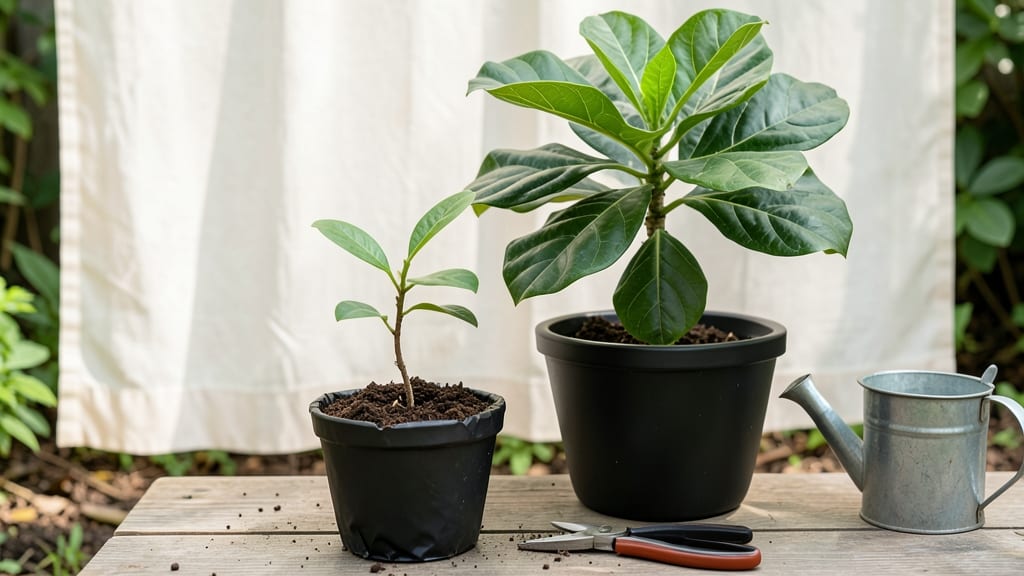
Planting a ficus tree gives you that lush, tropical vibe whether it’s in a pot on your patio or rooted in the ground. 🌿 I’ve learned the hard way that these trees thrive when you nail the soil, light, and watering from day one—and I’ll show you exactly how to do it right the first time.
The secret starts with well-draining soil mixed with compost, whether you’re planting in a 15-gallon container or digging a hole twice as wide as the root ball. Ficus trees love bright, indirect light but will tolerate partial shade, making them perfect for patios or shady corners.
Water deeply after planting, then let the top inch dry out before watering again—overwatering is the #1 killer of young ficus trees.
Within a few weeks, you’ll see new growth signaling your tree has taken root. Expect glossy leaves and sturdy branches in just a few months if you keep the soil consistently moist (but not soggy) and fertilize lightly every other month.
The best part? Ficus trees are forgiving—they bounce back from minor mistakes, making them ideal for beginners.
Container growers, just remember to repot every 2-3 years as your tree outgrows its home. Ground-planted ficus trees can grow 10-20 feet tall, so choose a spot where they have room to spread. Let’s get that canopy growing strong!
📚 In This Guide
- What you need
- Instructions
- Tips and common mistakes
- Wrapping up and next steps
What you need
- ● Ficus Tree: Choose a healthy Ficus elastica (Rubber Plant), Ficus benjamina (Weeping Fig), or similar variety from a nursery.
- ● Potting Soil (for containers): 5–10 gallons of well-draining potting mix (e.g., 60% peat moss, 30% perlite, 10% compost).
- ● Garden Soil (for ground planting): Amended with organic matter (compost or aged manure) for improved drainage.
- ● Container (if applicable): Minimum 12-inch diameter for small trees.
- ● Drainage holes mandatory (use a drill if needed).
- ● Lightweight material (e.g., fiberglass or terracotta) to prevent root-bound stress.
- ● Gloves & Pruners: Wear gardening gloves and use sterilized pruners to avoid disease.
- ● Watering Can or Hose: With a gentle spray nozzle for hydration.
- ○ Mulch (optional but recommended): 2–3 inches of wood chips or shredded bark to retain moisture.
- ● Fertilizer: Slow-release balanced fertilizer (10-10-10) or organic options like fish emulsion.
- ● Support Stake: For young trees in windy areas (use a 3–4 ft bamboo stake).
- ● Humidity Tray: A pebble tray with water to boost humidity for indoor ficus.
- ● Soil pH Tester: Ensure soil pH is 6.1–7.5 (ficus prefers slightly acidic to neutral).
Step-by-Step guide for planting ficus trees
Here's how to get your ficus off to a strong start, whether in pots or garden beds.
🪴 Step 1: Choose and Prepare the Right Spot
Ficus trees thrive in bright, indirect light—think 6-8 hours daily of filtered sun. For containers, place near east or west windows, or under a sheer curtain if south-facing. In the ground, avoid harsh afternoon sun that can scorch leaves. Test your spot by watching how light moves across it throughout the day.
If planting in-ground, dig a hole twice as wide as the root ball but only as deep—ficus roots dislike being buried too deep. Loosen the sides of the hole with your hands or a trowel to encourage root spread. For containers, select pots 2-4 inches larger in diameter than the current root ball, with drainage holes. I always add a 1-inch layer of gravel at the bottom first to prevent root rot.
🌱 Step 2: Plant with Proper Support and Watering
Remove the ficus from its nursery pot and gently tease apart any circling roots at the bottom—this prevents girdling as the tree matures. Place the root ball in the prepared hole or container, then backfill with well-draining potting mix (never garden soil for containers). Press lightly around the edges to eliminate air pockets, but don't compact the soil too firmly.
Water deeply right after planting until moisture flows from the drainage holes (for containers) or the soil 1-2 inches down feels damp. Ficus trees hate soggy roots but also dry spells—aim for consistently moist soil, not soggy. Mulch around the base with 2-3 inches of organic mulch (like shredded bark) to retain moisture and regulate temperature. Keep mulch 2 inches away from the trunk to prevent rot.
☀️ Step 3: Establish Care Routines for Long-Term Health
Ficus trees need moderate humidity—mist leaves weekly or place the pot on a tray of pebbles with water underneath. You'll know humidity is right when leaves stay bright green and crisp, not yellowing or crisping at the edges. In dry climates, group plants together to create a microclimate. Avoid cold drafts, which cause leaf drop—ficus trees prefer 65-75°F consistently.
Fertilize every 4-6 weeks during spring and summer with a balanced liquid fertilizer (like 10-10-10) diluted to half strength. Reduce feeding in fall and winter. Prune only to shape or remove dead branches—ficus trees respond poorly to heavy pruning. Watch for new growth near the tips; this signals your tree is happy and ready for slightly more light.
Tips & tricks for perfect ficus tree planting
A few simple strategies will help your ficus grow strong and healthy from the start.
Light Placement: The 6-8 hours of filtered light in Step 1 is non-negotiable for ficus health. If your space gets harsh afternoon sun, use a sheer curtain to diffuse it—direct sun can scorch leaves within days. For indoor containers, rotate the pot every few weeks so all sides get even light exposure. Uneven light causes lopsided growth and weak stems.
Root Ball Preparation: When teasing apart circling roots in Step 2, work gently but firmly—you want to loosen them without tearing. I've seen people rush this step and accidentally damage roots, which slows down establishment. If you notice any broken roots, trim them cleanly with sterilized scissors. This small effort prevents girdling as your tree matures.
Watering Wisdom: The consistently moist soil requirement means checking moisture every 2-3 days, not just when the surface feels dry. Stick your finger 1-2 inches down—if it's dry at that depth, it's time to water. Overwatering is the #1 killer of ficus trees, so always ensure containers have drainage holes and never let them sit in saucers of water. For in-ground plantings, the 2-3 inches of mulch helps maintain that perfect moisture balance.
Humidity Hacks: In Step 3, the moderate humidity requirement can be tricky in dry climates. My go-to solution is placing the pot on a tray filled with pebbles and water—just make sure the pot isn't sitting directly in water. You'll notice leaves stay bright green and crisp when humidity is right. For extra insurance, group your ficus with other houseplants to create a microclimate that maintains moisture levels naturally.
Pro Tips for Ficus Tree Planting
- A few simple strategies will help your ficus grow strong and healthy from the start.
- Light Placement: The 6-8 hours of filtered light in Step 1 is non-negotiable for ficus health.
- Root Ball Preparation: When teasing apart circling roots in Step 2, work gently but firmly—you want to loosen them without tearing.
Frequently asked questions
Got questions about planting and caring for your ficus tree? You’re not alone! Here are some of the most common queries—plus quick, practical answers to keep your leafy friend thriving.
When is the best time to plant a ficus tree?
The ideal time to plant a ficus is in early spring or late fall. This gives roots time to establish before extreme summer heat or winter cold. If repotting, do it in spring when the tree is actively growing. Avoid transplanting during dormancy or peak summer—stress can shock the plant!
Can ficus trees grow in containers, or do they need to be planted in the ground?
Ficus trees thrive in containers if given proper care. Choose a pot with drainage holes and use a well-draining soil mix. For ground planting, ensure the location has partial shade and protection from harsh winds. Just monitor root growth—container ficus may need repotting every 2–3 years.
Why is my ficus dropping leaves after planting?
Leaf drop is often a sign of transplant shock or stress. Common causes include:
- Overwatering (ficus hate soggy roots—let soil dry slightly between waterings).
- Temperature changes (keep it away from drafts or AC vents).
- Poor drainage (ensure the pot has holes and use cactus/succulent mix if needed).
How much sunlight does a ficus tree need?
Ficus trees prefer bright, indirect light—think dappled sunlight or a spot near a window with sheer curtains. Too much direct sun can scorch leaves, while low light may slow growth. Rotate the pot occasionally for even exposure. Pro tip: Yellowing leaves? It might be too much sun. Brown edges? Not enough!
What’s the best soil mix for a ficus tree?
Use a well-draining, slightly acidic soil mix (pH 6.0–7.0). A blend of:
- 60% potting soil (for nutrients).
- 30% perlite or pumice (for aeration).
- 10% orchid bark or coconut coir (for moisture control).
Bonus Tip:
Need a low-maintenance alternative? Consider ficus elastica ‘Robusta’ (rubber plant) or ficus benjamina—both are hardy and forgiving for beginners. Happy planting!
Wrapping up and next steps
Planting a ficus tree—whether in containers or in the ground—is a rewarding journey that brings lush greenery and natural beauty to your space. 🌿 With the right soil, sunlight, and care, your ficus will thrive, offering years of enjoyment and air-purifying benefits.
Now that you’re equipped with the essentials, take the first step: choose your spot, gather your supplies, and start nurturing your new green companion!
Ready to watch your ficus grow? Visit your local nursery for the perfect variety or dive into pruning tips to keep it healthy and vibrant. Happy planting! 🌱