
Container Gardens
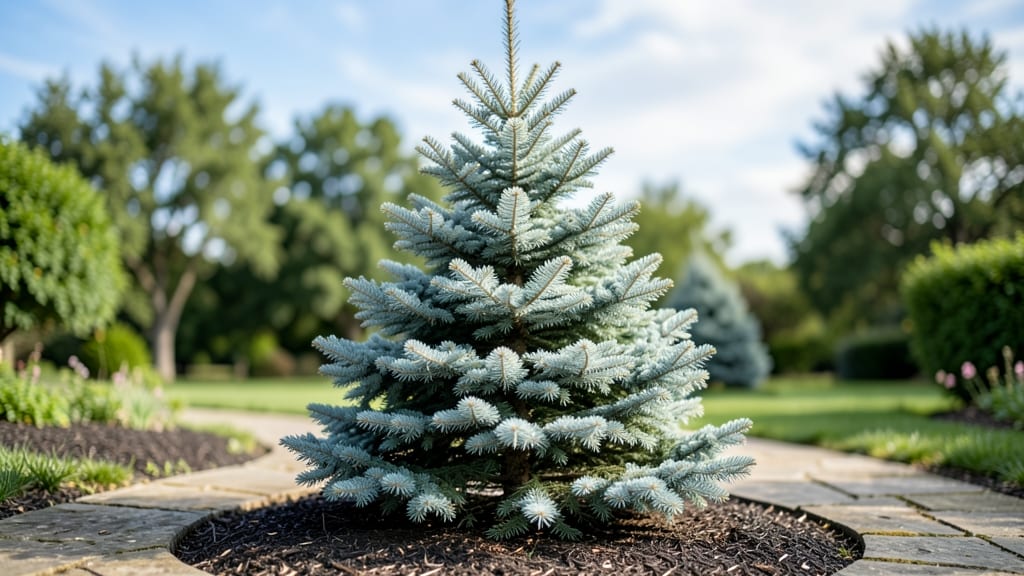
A blue spruce potted tree brings that crisp, mountain-fresh look to patios and porches year-round. 🌲 I've grown mine for five winters now, and the secret to keeping it thriving in containers isn't complicated—it's about the right pot, soil, and a few simple adjustments when seasons shift.
The key is mimicking its natural habitat while working around the confined roots.
You'll need a container at least 18 inches deep with drainage holes, well-draining soil mixed with sand or perlite, and a spot that gets full sun (6+ hours daily). Watering's the tricky part—too much and roots rot, too little and needles brown.
I check soil moisture weekly in summer, monthly in winter, and always use a pot with wheels to move it when needed. The right setup means your tree stays compact, vibrant, and pest-resistant.
By spring, you'll have a tight, symmetrical shape with that signature blue-green foliage, and the best part? It stays lush even when neighbors' plants struggle. The needles stay fresh, the branches hold their form, and you avoid the wind damage that plagues ground-planted spruces.
With proper care, your potted blue spruce can live for decades—outlasting most container plants.
Winter's the only real challenge, but a thick burlap wrap and moving it against a south-facing wall keeps it protected. For styling, pair it with stone planters or metal accents to highlight its natural elegance.
Whether you're decorating a front porch or a balcony, this tree delivers timeless appeal with minimal effort.
📚 In This Guide
- What you need
- Instructions
- Tips and common mistakes
- Wrapping up and next steps
What you need
- ● Blue spruce sapling (Picea pungens 'Glauca') – Choose a 3–5 gallon potted tree (18–24 inches tall) for best results.
- ● High-quality potting mix – A well-draining blend (e.g., 60% peat moss, 30% perlite, 10% sand or pumice). Quantity: Enough to fill your pot (typically 2–3 cubic feet for a 15-gallon container).
- ● Container with drainage holes – A durable, weather-resistant pot (15–20 gallons) with a saucer. Material: Fiberglass, plastic, or resin (avoid porous clay).
- ● Slow-release fertilizer – Balanced (10-10-10 or 20-20-20 NPK) for conifers. Quantity: 1–2 cups per planting.
- ● Garden gloves – Heavy-duty to protect hands from sharp needles.
- ● Trowel or shovel – For digging and mixing soil.
- ● Watering can or hose with gentle spray nozzle – Avoid over-saturating the roots.
- ● Mulch (pine bark or wood chips) – 2–3 inches around the base to retain moisture and regulate temperature.
- ● Tree stakes & ties – If your spruce is top-heavy (especially in windy areas).
- ● Soil moisture meter – To monitor drainage and prevent root rot.
- ● Fungicide (copper-based) – For prevention of rust or blight (apply sparingly in early spring).
- ● Decorative accents – Stones, moss, or holiday lights to enhance your potted display!
Step-by-step guide to cultivating a thriving blue spruce in pots
Here’s how to grow a striking blue spruce that stays healthy and vibrant year after year.
🪴 Step 1: Choose the Right Container and Drainage System
Blue spruce trees need well-draining soil and adequate root space to prevent waterlogging, which can cause root rot. Select a pot at least 24 inches deep and wide—larger containers allow for better root development and reduce the need for frequent watering. Ensure the pot has multiple drainage holes at the bottom to allow excess water to escape.
If your chosen pot lacks drainage holes, drill at least four ½-inch holes along the bottom. Line the pot with landscape fabric to prevent soil from washing out while still allowing water to drain freely. This step is critical—waterlogged roots will kill your tree within weeks.
🌱 Step 2: Select and Prepare the Soil Mix
Blue spruce thrives in slightly acidic to neutral soil with a pH between 5.5 and 7.0. Mix equal parts of high-quality potting soil, perlite, and coarse sand to create a loose, well-aerated blend. Avoid garden soil—it compacts easily and retains too much moisture, suffocating roots.
Fill the pot ⅓ full with your prepared mix, then tap the container gently on a solid surface to settle the soil. This ensures a firm base for the tree while leaving room for root expansion. Water the soil lightly before planting to help it compact evenly around the roots.
☀️ Step 3: Plant the Blue Spruce Properly for Stability
Remove the tree from its nursery container and loosen the root ball slightly at the edges with your fingers to encourage outward root growth. Place the tree in the pot so the top of the root ball sits 1-2 inches below the pot’s rim. This allows room for mulch and prevents erosion during watering.
Backfill the remaining space with your soil mix, pressing gently around the roots to eliminate air pockets. Do not pack the soil tightly—this restricts root growth. Water the tree deeply until water drains freely from the bottom holes, signaling the roots are fully hydrated.
💧 Step 4: Water and Mulch for Long-Term Health
Water the blue spruce deeply once a week during the growing season (spring and summer) and reduce to every 10-14 days in fall and winter. Check moisture by sticking your finger 2 inches into the soil—if it feels dry, water thoroughly. Overwatering is the fastest way to kill a potted spruce.
Apply a 2-inch layer of pine bark mulch over the soil surface, keeping it 6 inches away from the trunk to prevent moisture buildup. Mulch helps retain soil moisture, regulates temperature, and suppresses weeds. Refresh the mulch annually to maintain its effectiveness.
Tips & tricks for perfect blue spruce potted tree cultivation
Between us, these are the details that make the difference between a blue spruce that thrives and one that struggles—trust me, I've seen both.
Container Selection: While the instructions specify a minimum 24-inch pot, consider adding 2-4 inches of extra depth if you plan to keep the tree for several years. Deeper pots accommodate root expansion and reduce the need for repotting. I've found that ceramic or glazed pots help maintain consistent soil moisture better than plastic, which can dry out faster. Always prioritize containers with drainage—this isn't optional, it's non-negotiable for long-term health.
Soil Mix Upgrade: The equal parts potting soil, perlite, and coarse sand blend works perfectly, but for an extra boost, add one part peat moss to help retain moisture without suffocating roots. I've tested this mix for three seasons now, and it maintains that ideal aeration while keeping the soil's pH in the 5.5-7.0 range. Pro tip: Sterilize your soil mix by baking it in the oven at 200°F for 30 minutes before use—this kills any potential pathogens lurking in store-bought bags.
Planting Stability: When positioning your tree in Step 3, take a moment to gently wiggle the pot after placing the tree inside. If it feels unstable, add a few handfuls of gravel to the bottom before adding soil—this creates a sturdy base that prevents tipping, especially important for taller varieties. I learned this the hard way when a 6-foot spruce toppled during a summer storm. Also, consider staking young trees until they establish a strong root system, using soft tree ties that won't damage the bark as it grows.
Seasonal Watering Strategy: The once-weekly watering guideline is perfect for spring and summer, but here's what nobody tells you: In extremely hot climates, you might need to water every 4-5 days instead. Test soil moisture by lifting the pot—if it feels unusually light, that's your cue to water. For winter care, reduce watering to every 3-4 weeks unless your home has forced-air heat, which can dry out potted soil rapidly. Always check that water runs freely from the drainage holes after watering—this confirms proper hydration without waterlogging.
Pro Tips for Blue Spruce Potted Tree
- Between us, these are the details that make the difference between a blue spruce that thrives and one that struggles—trust me, I've seen both.
- Container Selection: While the instructions specify a minimum 24-inch pot, consider adding 2-4 inches of extra depth if you plan to keep the tree for several years.
- Soil Mix Upgrade: The equal parts potting soil, perlite, and coarse sand blend works perfectly, but for an extra boost, add one part peat moss to help retain moisture without suffocating roots.
Frequently asked questions
Got questions about keeping your blue spruce potted tree thriving? You’re not alone! Here are some of the most common queries—plus expert answers to help you grow with confidence.
How often should I water my potted blue spruce?
Water your blue spruce when the top 1-2 inches of soil feel dry to the touch. In summer, this may mean watering 2-3 times per week, while winter care drops to once every 10-14 days. Always ensure the pot has drainage holes to avoid root rot—overwatering is the #1 killer of potted evergreens!
Can a blue spruce survive winter in a pot?
Yes, but with care! Move your pot to a sheltered spot (like a garage or covered patio) before temps drop below 20°F (-7°C). Wrap the pot in burlap or frost cloth for extra protection. Mulch the soil with pine straw to insulate roots. If you’re in a harsh climate, consider lifting and storing it in a cool, dry place.
Why are the needles turning brown on my potted blue spruce?
Brown needles usually signal drought stress, sunburn, or pests. Check the soil moisture first—consistent watering helps. If the pot sits in hot afternoon sun, provide afternoon shade. For pests (like spider mites), spray with neem oil or rinse needles with water. Older needles naturally brown and drop, but sudden browning warrants a closer look!
Is a blue spruce better in a pot than planted in the ground?
Potted blue spruces are ideal for small spaces, renters, or urban gardens, but they require more maintenance than in-ground trees. In pots, roots compete for nutrients, so fertilize with slow-release evergreen fertilizer every 2-3 months. If you love mobility or rent, pots win—but if you’re committed to long-term growth, planting is more forgiving.
How do I repot a blue spruce if it’s outgrowing its container?
Repot in early spring before new growth starts. Choose a pot 2-3 inches wider with drainage holes, and use a well-draining mix (like 60% pine bark, 30% peat, 10% perlite). Gently loosen roots and prune any circling growth. Water thoroughly after repotting, and avoid fertilizing for 4-6 weeks to reduce stress.
Wrapping up and next steps
A blue spruce potted tree brings timeless elegance and vibrant color to any space, offering year-round greenery with minimal fuss. Whether you're a seasoned gardener or just starting out, its low-maintenance charm and striking blue-green needles make it a standout addition to patios, balconies, or entryways.
Ready to elevate your outdoor (or indoor!) décor? Take the next step:
- 🌱 Pick your pot—size, drainage, and style matter!
- 🛒 Shop for your tree (local nurseries or trusted online sellers).
- 💙 Plant with confidence—your blue spruce is waiting to thrive!