
Blooming
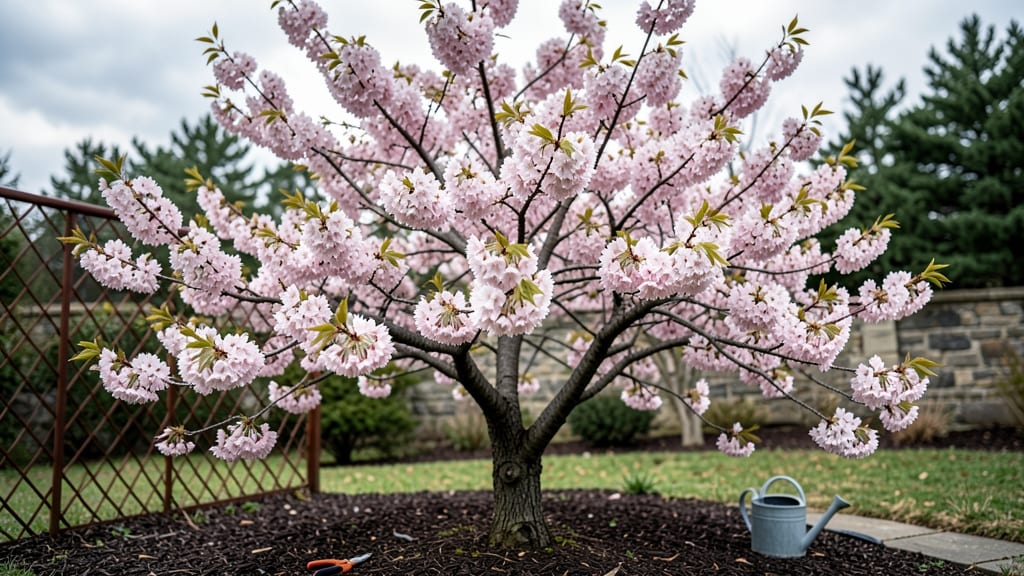
Finding the right cherry blossom tree hardiness zone means the difference between a tree that thrives for decades and one that struggles through every winter.
The Pacific Northwest’s mild winters and damp summers make it ideal for cold-hardy varieties like Prunus serrulata ‘Kanzan’ or ‘Fugen,’ which handle zones 5 through 8 with ease—though microclimates can push limits further.
I’ve planted mine in zone 7, and after five winters, the branches are still sturdy and the blooms arrive reliably in March.
The key isn’t just the zone number—it’s understanding your local cold snaps and soil drainage. Trees in zones 5-6 need well-draining soil to avoid winter rot, while those in zones 7-8 might struggle with summer heat if planted in heavy clay.
My tree sits on a slight slope where water drains quickly, and I’ve noticed the roots stay healthier through both extremes. Even in marginal zones, choosing varieties bred for resilience—like ‘Shirofugen’—can make all the difference.
What you’ll end up with is a tree that bursts into pink or white clouds every spring, attracting pollinators and neighbors alike. The right variety in the right spot means fewer pruning headaches, fewer winter diebacks, and more years of those iconic blossoms.
Once established, these trees become the backbone of your landscape, offering shade, beauty, and a touch of Japanese garden elegance—without the fuss of constant care.
For those in zones 4 or 9, don’t dismiss the idea entirely. Microclimates near south-facing walls or in sheltered valleys can extend the range, and container-grown trees offer flexibility to move them indoors during extreme weather.
The right variety and a little strategic planting can turn even tricky zones into perfect spots for these iconic beauties.
📚 In This Guide
- What you need
- Instructions
- Tips and common mistakes
- Wrapping up and next steps
What you need
- ● Cherry blossom tree (2–5 years old): Choose a variety suited to USDA Hardiness Zones 5–8, like Prunus serrulata or Prunus avium cultivars. 1–2 trees recommended for cross-pollination (if applicable).
- ● Shovel or trowel: For digging holes (size depends on root ball—2–3x wider than the container).
- ● High-quality planting soil: 50 lbs of organic compost or loamy garden soil (amend with 10 lbs of peat moss or perlite for drainage).
- ● Mulch (3–4 inches): 10–15 cubic feet of wood chips or pine bark to retain moisture and regulate temperature.
- ● Watering can or hose with nozzle: 5+ gallons capacity for deep watering.
- ● Pruning shears: Bypass-type (sterilized) for shaping and removing dead branches.
- ○ Staking kit (optional but helpful): 2–3 stakes and soft tree ties for young, top-heavy trees.
- ● Soil pH tester: Ensure pH is 6.0–7.0 (cherry blossoms prefer slightly acidic to neutral soil).
- ● Fertilizer (balanced, 10-10-10 or slow-release): 1–2 lbs per tree at planting time.
- ● Tree guard or protective wrap: For young trees in Zone 5 to shield from late frosts.
- ○ Drip irrigation system: Optional but ideal for consistent moisture in PNW’s rainy/dry seasons.
- ● Garden gloves: Nitrile-coated for comfort and protection.
How to select and plant cold-resilient cherry blossom varieties in the Pacific Northwest
Here’s how to choose and establish hardy cherry blossom trees that thrive in PNW’s chilly winters.
Identify the Best Varieties for Zones 6-8
Focus on cultivars bred for cold tolerance, like the Kanzan cherry (zone 5) or Okame cherry (zone 6), which handle frost better than delicate varieties. The Yoshino cherry (zone 6) is another top pick—it blooms reliably even after harsh winters. Check the USDA hardiness zone map to confirm your exact location, as microclimates can shift zones by a degree or two.
Look for trees labeled as "dwarf" or "semi-dwarf" if space is limited; they’re easier to manage but still produce stunning blossoms. Avoid hybrid varieties unless they’re specifically marketed as cold-hardy, as many struggle below 10°F. Nursery tags often list winter hardiness—ask for proof if unsure.
Choose the Right Planting Site and Timing
Select a spot with full sun exposure (at least 6 hours daily) and well-draining soil, as cherry blossoms hate soggy roots. The Pacific Northwest’s wet winters mean you’ll need to amend heavy clay soil with 2-3 inches of compost before planting. Test soil pH—cherry blossoms prefer slightly acidic to neutral (6.0-7.0).
Plant in early spring or fall, avoiding extreme heat or frost. Dig a hole twice as wide as the root ball but no deeper—burying too deep suffocates roots. Water deeply before planting to help roots settle into the hole. If planting in fall, do it at least 6 weeks before the first frost to allow roots to establish.
Prepare and Plant for Winter Resilience
After planting, apply 2-3 inches of mulch around the base (but not touching the trunk) to insulate roots. Use wood chips or straw, which break down slowly and retain moisture. Water deeply once a week during the first growing season to encourage strong root growth—drought stress weakens trees and makes them more vulnerable to winter damage.
Young trees benefit from winter protection in their first few years. Wrap the trunk with tree guard or burlap to prevent rodent damage, and loosely cover the root zone with straw or burlap in extreme cold snaps. Prune in late winter (before buds swell) to remove dead or crossing branches—this improves airflow and reduces disease risk.
Monitor and Maintain for Long-Term Health
Watch for bud dieback in early spring—a sign of winter damage. If buds blacken but new growth appears later, the tree is likely resilient. Fertilize in early spring with a balanced 10-10-10 formula (follow package rates) to support blooming. Avoid high-nitrogen fertilizers late in the season, as they encourage tender new growth that freezes easily.
Prune annually to maintain shape and remove suckers (shoots growing from the base). Thin out crowded branches to improve sunlight penetration, which reduces fungal diseases like powdery mildew. In zones 7-8, some varieties may need light winter pruning to shape the canopy before buds break.
Tips & tricks for cold-resilient cherry blossom trees in the Pacific Northwest
Selecting the right cherry blossom varieties and planting them properly sets the foundation for years of vibrant spring blooms. Here’s how to maximize their resilience in the PNW’s challenging climate.
Variety Selection: When choosing between Kanzan, Okame, or Yoshino cherries, prioritize those with proven hardiness below 10°F. The Kanzan cherry, while rated for zone 5, often thrives in zone 6 with proper winter care. For urban gardens, dwarf varieties like the Yoshino offer stunning blooms without requiring expansive space, but still demand the same cold-hardy characteristics. Always verify the nursery’s growing zone claims—some labels exaggerate cold tolerance.
Soil Preparation: The Pacific Northwest’s heavy clay soils can suffocate roots, so amending with 2-3 inches of compost before planting is non-negotiable. Test your soil’s pH—cherry blossoms prefer 6.0-7.0, but many PNW soils run acidic. If your test shows pH below 6.0, incorporate lime into the planting hole to adjust the balance. Well-draining soil prevents root rot, which is especially critical during the region’s wet winters.
Winter Protection: In their first three years, young trees need extra insulation. After applying 2-3 inches of mulch around the base, add a layer of straw or burlap over the root zone during extreme cold snaps (below 10°F). This creates a microclimate that shields roots from temperature fluctuations. Avoid piling mulch against the trunk—this can trap moisture and invite fungal diseases. For added protection, wrap the trunk with tree guard to deter rodents seeking winter shelter.
Pruning Strategy: Late winter pruning (before buds swell) is crucial for maintaining tree health. Focus on removing dead, crossing, or diseased branches first—these create entry points for pests and diseases. Thin out crowded branches to improve airflow, which reduces fungal risks like powdery mildew. In zones 7-8, a light winter pruning session can also shape the canopy, but avoid heavy pruning in colder zones where new growth may not harden off before winter.
Pro Tips for Cherry Blossom Tree Hardiness Zone
- Selecting the right cherry blossom varieties and planting them properly sets the foundation for years of vibrant spring blooms.
- Variety Selection: When choosing between Kanzan, Okame, or Yoshino cherries, prioritize those with proven hardiness below 10°F.
- Soil Preparation: The Pacific Northwest’s heavy clay soils can suffocate roots, so amending with 2-3 inches of compost before planting is non-negotiable.
Frequently asked questions
Got questions about growing cherry blossom trees in the Pacific Northwest? You’re not alone! Here are answers to the most common concerns—whether you’re a first-time gardener or a seasoned green thumb.
What hardiness zones do cherry blossom trees thrive in?
Most cherry blossom trees (like Prunus serrulata) grow best in USDA Zones 5-8. For the Pacific Northwest, zones 6-8 (e.g., Seattle, Portland, Eugene) are ideal. Cold-hardy varieties like Kanzan or Shirofugen can handle Zone 5 winters with proper care.
Can I grow cherry blossom trees in Zone 9 or warmer?
Yes, but choose heat-tolerant varieties like Okame or Taihaku. These bloom earlier and handle summer heat better. Just ensure they get afternoon shade to prevent leaf scorch in hotter microclimates (e.g., Southern Oregon).
How do I protect my cherry blossom tree from late frosts?
Late frosts (<32°F) can damage blooms. Use frost cloth or row covers during critical bloom times (usually spring). Plant trees in sheltered spots (e.g., near walls or slopes) to trap heat. Avoid fertilizing heavily in late winter—it encourages tender new growth.
Are there dwarf or small cherry blossom trees for small yards?
Look for dwarf varieties like Shogetsu (15–20 ft) or Royal Burgundy (20–25 ft). They’re perfect for urban gardens. Just ensure they get 6+ hours of sunlight and well-draining soil. Container growing is also possible for patio spaces!
Why aren’t my cherry blossom leaves turning green in spring?
Delayed greening often signals cold damage or fungal issues (like leaf spot). Prune dead branches in late winter, and apply copper fungicide if needed. Overwatering or poor drainage can also stunt growth—amend soil with compost to improve health.
Wrapping up and next steps
Growing a cherry blossom tree in the Pacific Northwest is absolutely doable—especially with cold-resistant varieties tailored to your hardiness zone! Whether you’re in Seattle’s milder coastal regions or the chillier inland areas, there’s a blossoming beauty waiting for you. 🌸
Now that you’re armed with the right knowledge, take the next step—visit your local nursery, grab a shovel, and plant your dream tree! With a little care, you’ll soon be enjoying bursts of pink, white, or soft pink blooms that turn your garden into a springtime masterpiece.