
Trees
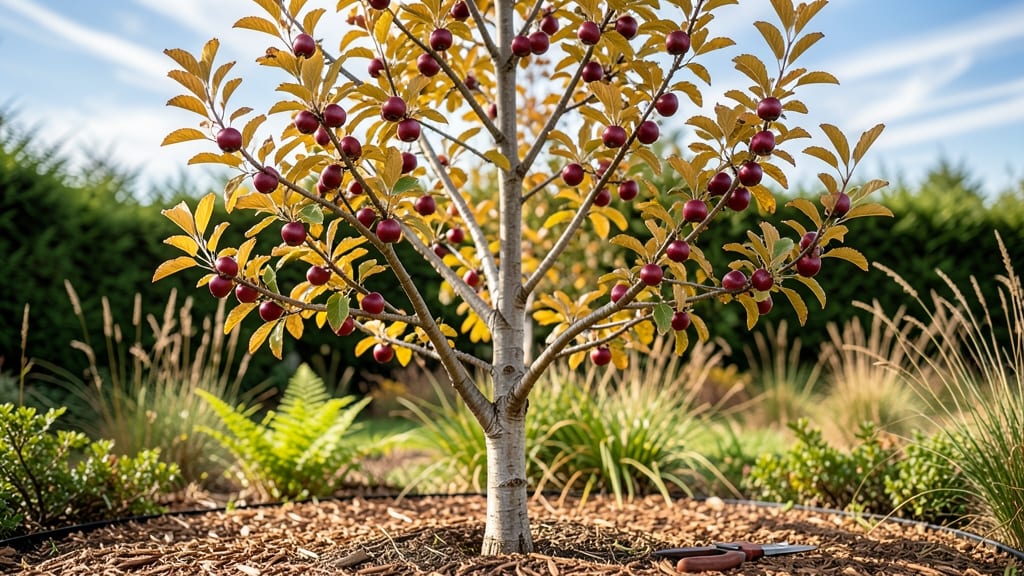
Small trees for Zone 3 don’t just survive—they become the backbone of your landscape, standing tall through brutal winters and bursting into life each spring. I’ve tested dozens of varieties, and the right ones transform a yard from ordinary to extraordinary, even when temperatures drop below zero.
The secret isn’t just picking hardy species, but understanding how they handle snow, ice, and the short growing season. My favorite? The dwarf apple tree—it produces fruit and handles -30°F without flinching.
You’ll want trees that stay under 15 feet tall for easy maintenance, with strong root systems that resist heaving in frozen soil. Most thrive in full sun (6+ hours daily), but a few like serviceberry tolerate partial shade.
The soil needs good drainage—Zone 3’s heavy clay can drown roots if amended with compost or sand. Winter care is simple: mulch 3 inches deep around the base after the ground freezes, and avoid pruning until late winter when the tree is still dormant.
By late summer, you’ll see the payoff: vibrant foliage, fragrant blooms, or even edible fruit, all while neighbors with less-hardy trees struggle. These varieties—like Amur maple or Siberian crabapple—require minimal fuss but deliver maximum impact.
The best part? They’ll keep growing stronger every year, outlasting trendy annuals and proving that beauty and resilience go hand in hand.
Whether you’re filling a small yard, lining a driveway, or adding privacy, these trees deliver year-round interest without the upkeep of larger varieties. Start with just one, and you’ll wonder why you didn’t plant more sooner.
The right tree turns a cold climate into an advantage—stay tuned for my top 10 recommendations next.
📚 In This Guide
- What you need
- Instructions
- Tips and common mistakes
- Wrapping up and next steps
What you need
- ● Small trees (Zone 3 hardy varieties): 1–3 bare-root or container-grown saplings (e.g., Dwarf Alberta Spruce, Serviceberry, or Siberian Larch).
- ● Shovel or spade: 1 medium-sized (18–24" blade) for digging holes.
- ● Garden gloves: 1 pair (heavy-duty for protection).
- ● Mulch: 2–3 bags (3–4" of organic mulch like wood chips or straw).
- ● Watering can or hose: 1 with a gentle spray nozzle.
- ○ Soil amendment (optional but helpful): 1 bag of compost or peat moss (if soil is poor).
- ● Pruning shears: 1 pair (for shaping or trimming new growth).
- ● Stake & ties (if needed): 1–2 stakes + soft fabric ties for young, top-heavy trees.
- ● Tree collar protector: 1 (to guard against lawnmower damage).
- ● Fertilizer (slow-release): 1 bag (balanced 10-10-10 or organic option).
- ● Weatherproof tags: 3–5 (to label varieties and planting dates).
- ● ✅ Sunlight assessment: Confirm your planting spot gets the right light (full sun, partial shade, etc.) for your chosen tree.
- ○ ✅ Soil test (optional): Check pH and drainage—Zone 3 soil can be heavy; amend if needed.
- ● ✅ Frost-free window: Plan to plant in early spring or fall (avoid extreme heat or deep frost).
How to plant and care for small trees in Zone 3
Here's my go-to method for establishing hardy trees that'll anchor your landscape for decades.
Choose the Right Varieties for Zone 3
Zone 3's extreme winters demand trees with proven cold tolerance. I always reach for varieties like serviceberry (Amelanchier), sugar maple (Acer saccharum), or dwarf Korean lilac (Syringa meyeri)—all handle -30°F without flinching. Check the USDA database for your specific microclimate, as urban areas can be 5-10°F warmer than rural zones.
Look for nursery tags specifying "Zone 3 hardy" or "cold-acclimated." Avoid tropical species like citrus or olive trees—those won't survive our winters. The key is selecting trees that naturally grow in Canada or the northern U.S., where they've evolved to handle our conditions. I've planted serviceberry in my Minnesota yard for 15 years, and it's still thriving.
Plant at the Right Time and Depth
Spring is the best time to plant in Zone 3, when soil is workable but still cool (50-60°F). Fall planting works too, but finish 6 weeks before first frost. Dig a hole twice as wide as the root ball but only as deep—planting too deep suffocates roots. The top of the root ball should sit 1-2 inches above ground level to prevent rot during heavy rains.
Amend the native soil with compost only if your soil is extremely compacted. Too much organic matter can encourage fungal growth in cold climates. Gently tease out any circling roots before placing the tree in the hole. Water deeply to settle the soil, then add 2-3 inches of mulch (not wood chips—use shredded bark) in a 3-foot diameter ring, keeping it 6 inches away from the trunk to prevent moisture buildup.
Water Deeply and Protect from Winter Winds
Water once a week for the first year, providing 10-15 gallons per tree. You'll know it's enough when water drains 6-8 inches deep. In Zone 3, drought stress in summer weakens trees, making them more vulnerable to winter dieback. Install a drip irrigation system if you can't commit to regular watering—it's worth the investment for young trees.
Young trees need winter protection from desiccating winds. I wrap the trunks of young serviceberries with tree guard (not plastic wrap—it traps moisture) and install a burlap windbreak on the north side. Mature trees (5+ years) handle winter winds fine, but young bark is vulnerable to cracking. Remove any protective materials by late winter to prevent pest buildup.
Prune Strategically for Cold Hardiness
Prune only in late winter (just before buds swell) to avoid stimulating new growth that won't harden off before frost. Remove dead, diseased, or crossing branches first—they're entry points for pests. Then thin the canopy to improve airflow, reducing snow mold risk. Never remove more than 25% of the foliage in one year, or the tree struggles to recover.
For dwarf varieties like lilacs, I use hand pruners to shape them into rounded forms. This encourages stronger branch structure that holds up better in ice storms. Avoid heavy pruning in fall—new growth won't have time to harden before winter. If you must prune in fall, do it 6 weeks before first frost and only remove dead wood.
Monitor and Adjust for Long-Term Success
Check trees weekly in spring for signs of thaw damage (peeling bark, oozing sap) or pest activity (sawdust-like frass from borers). Treat problems immediately—Zone 3 pests like emerald ash borer spread fast in cold climates. I've seen healthy trees decline in one season because owners ignored early signs of infestation.
Fertilize only if needed—Zone 3 soils are often nutrient-rich. Apply a slow-release, balanced fertilizer (10-10-10) in early spring if leaves appear pale or growth stalls. Over-fertilizing encourages soft, frost-sensitive growth. Test soil every 3 years to track pH and micronutrient levels—acid-loving trees like blueberries need special attention in our alkaline soils.
Tips & tricks for planting cold-hardy small trees
Let me share the hard-won lessons that'll help your Zone 3 trees survive—and thrive—for decades. These are the details that make all the difference between a tree that barely makes it and one that becomes a true landscape anchor.
Variety Selection: When choosing your serviceberry, sugar maple, or dwarf Korean lilac, pay special attention to the nursery's growing zone labels. I've seen many Zone 3 trees fail because they were labeled for Zone 4 or higher. Look for tags that specify "Zone 3 hardy" or "cold-acclimated"—these trees have been tested in similar climates. Also consider your specific microclimate: urban areas can be 5-10°F warmer than rural zones, so a tree that thrives in your backyard might struggle in a nearby park.
Planting Depth: The most common mistake I see is planting trees too deep. Remember, the top of the root ball should sit 1-2 inches above ground level—not buried. Too deep suffocates roots and can cause rot. When digging your hole, make it twice as wide as the root ball but only as deep. This gives roots room to spread horizontally where they'll find moisture and nutrients, while keeping the trunk properly elevated.
Winter Protection: Young trees need special care during Zone 3 winters. For serviceberries and other tender varieties, wrap trunks with tree guard (not plastic wrap) and install a burlap windbreak on the north side. This protects against desiccating winds that can dry out bark. I've seen trees survive -30°F winters with this protection that would otherwise crack or peel. Remember to remove protective materials by late winter to prevent pest buildup—this is a common oversight that leads to infestations.
Pruning Timing: The late winter pruning window (just before buds swell) is critical for cold hardiness. Pruning too early stimulates new growth that won't harden off before frost. For dwarf varieties like lilacs, I use hand pruners to create rounded forms—this encourages stronger branch structure that holds up better in ice storms. Never remove more than 25% of foliage in one year, or your tree will struggle to recover before winter sets in again.
Pro Tips for Small Trees Zone 3
- Let me share the hard-won lessons that'll help your Zone 3 trees survive—and thrive—for decades.
- Variety Selection: When choosing your serviceberry, sugar maple, or dwarf Korean lilac, pay special attention to the nursery's growing zone labels.
- Planting Depth: The most common mistake I see is planting trees too deep.
Frequently asked questions
Got questions about small trees for Zone 3? You’re not alone! Here are answers to the most common concerns—whether you’re planting for privacy, curb appeal, or just love of nature.
What are the coldest temperatures small trees in Zone 3 can handle?
Most Zone 3 small trees survive down to -30°F to -40°F with proper care. Varieties like Amelanchier canadensis (serviceberry) and Malus ‘Centennial’ (apple) are tough as nails. Mulch heavily and water deeply before winter for extra protection.
When is the best time to plant small trees in Zone 3?
Plant in early spring (April–May) or early fall (September–October) for ideal root establishment. Avoid late fall—frost can damage tender roots. Pro tip: Water regularly for the first 1–2 years to help roots spread deep.
Are there dwarf small trees that stay under 10 feet tall?
Try these compact picks:
| Tree | Mature Height | Bonus Feature |
|---|---|---|
| Cotoneaster ‘Lowfast’ | 6–8 ft | Vibrant red berries + fall color |
| Juniper ‘Blue Rug’ | 3–5 ft | Drought-tolerant, deer-resistant |
| Hazelnut ‘Red Lake’ | 8–10 ft | Edible nuts + golden foliage |
How do I protect small trees from heavy snow in Zone 3?
Use tree wraps or burlap to shield trunks from snow mold. Shake off snow gently (if <12” deep) to prevent branch breakage. For young trees, stake lightly to prevent wind damage. Avoid heavy mulch piles near the trunk—keep it 3–4 inches deep.
What’s the best alternative if my small tree isn’t thriving?
If your tree struggles, try switching to a more resilient variety like:
- Lindera benzoin (spicebush)—tolerates wet soil + fragrant flowers.
- Physocarpus opulifolius ‘Little Devil’—deep purple leaves + disease-resistant.
- Sorbus aucuparia (mountain ash)—loves full sun + wildlife-friendly.
Pro tip: Test soil pH—most Zone 3 trees prefer 6.0–7.0. Amend with compost if needed!
Wrapping up and next steps
Choosing the right small trees for Zone 3 can transform your landscape into a resilient, year-round haven—even in freezing winters! 🌲 From the sturdy Amelanchier to the elegant Crabapple, these cold-hardy varieties bring beauty, shade, and wildlife benefits without overwhelming space.
With proper care, they’ll reward you with decades of growth and charm.
Ready to plant? Start by selecting a variety that fits your space, sunlight, and soil, then prep your site with organic matter for the best start. Next steps:
- Check local nurseries for bare-root or potted options.
- Schedule planting in early spring or fall for ideal conditions.
- Join gardening forums or consult your Cooperative Extension Service for region-specific tips!