
Blooming
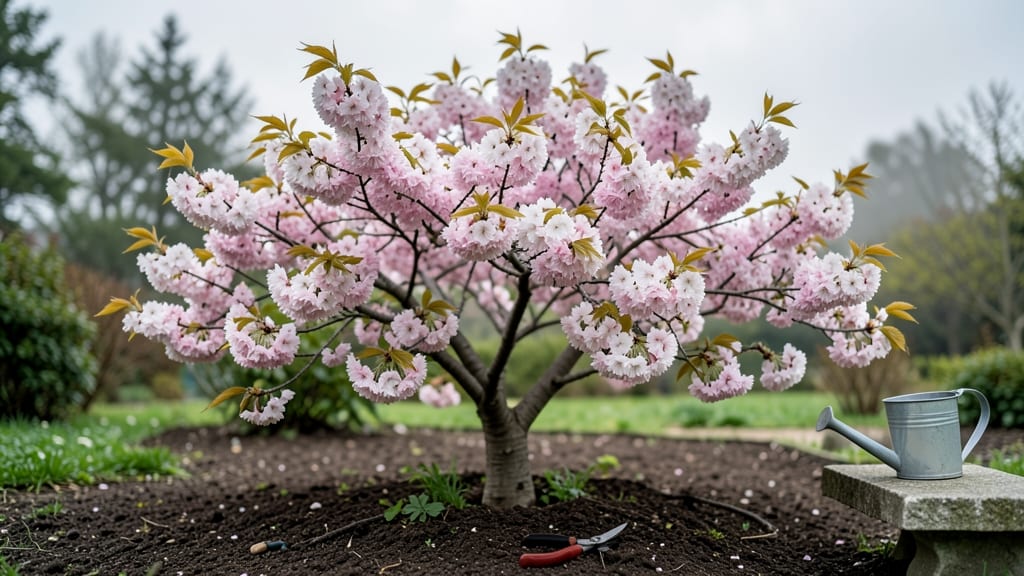
There’s nothing quite like watching pink clouds of blossoms burst open against a Pacific Northwest sky—cherry blossom trees in spring are the region’s most breathtaking secret weapon. 🌸 I’ve learned the hard way that these trees need careful timing to survive our damp, chilly springs, but when you get it right, the payoff is worth every early-morning pruning session.
The key is working with nature, not against it. Prune in late winter before buds swell, fertilize lightly in early spring to fuel blooms, and watch for frost warnings—those delicate petals can’t handle surprise freezes.
My trees now bloom reliably for three weeks, turning my yard into a magnet for bees and neighbors alike.
By late spring, you’ll be harvesting those iconic pink petals for tea or simply admiring the way they drift onto the lawn like confetti. The tree’s glossy leaves will fill in by summer, providing shade and a lush backdrop for your garden.
This is how you turn a single tree into a seasonal centerpiece.
Whether you’re in Seattle’s rain shadow or Portland’s frost pockets, these tips adapt to your microclimate. Let’s make sure your cherry blossom doesn’t just survive spring—it thrives.
📚 In This Guide
- What you need
- Instructions
- Tips and common mistakes
- Wrapping up and next steps
What you need
- ● Cherry Blossom Tree: 1 Prunus serrulata (Japanese Cherry) or Prunus subhirtella (Spring Cherry) sapling (choose a frost-hardy variety like ‘Kanzan’ or ‘Autumnalis’ for PNW resilience).
- ● Size: 5–10 ft tall (container-grown for easier planting).
- ● Planting Supplies: 5–10 gallons of high-quality garden soil (amended with compost for drainage).
- ● 1 5-gallon bucket (for mixing soil amendments).
- ● 1 shovel (round-point for digging, 10–12" wide).
- ● 1 pruning shears (sterilized, sharp for trimming dead branches).
- ● 2–3 mulch chips (cedar or pine, 2–3" deep layer).
- ● Watering & Care: 1 hose with adjustable nozzle (gentle spray setting for watering).
- ● 1 watering can (1–2 gallons, for young roots).
- ● Slow-release fertilizer (10–10–10 NPK ratio, 1 lb for young trees).
- ● 1 tree guard (plastic or metal, 4–5 ft tall to protect from animals).
- ● 1 soil pH tester (ideal range: 5.0–6.5 for cherry blossoms).
- ● 1 drip irrigation kit (for consistent moisture in dry spells).
- ● Epsom salt (1 tbsp/month in water for magnesium boost).
- ● 1 reflective mulch sheet (to deter voles in winter).
How to care for a cherry blossom tree in spring
Here's how to coax vibrant blooms from your Pacific Northwest tree—even after frost.
🌱 Step 1: Prune for Health and Shape
Start by removing dead or crossing branches with clean, sharp pruners. I like to cut just outside the branch collar where it meets the trunk—this prevents unsightly stubs. Focus on opening the center of the tree to improve airflow, which reduces disease risk. You'll see fresh, green growth emerge within weeks as the tree responds to the fresh cuts.
Remove any suckers at the base—those are aggressive shoots that drain energy from the blossoms. If you spot any branches with brown, mushy wood, cut them back immediately; that's a sign of winter dieback. Prune on a dry day when temperatures are above 40°F—cold sap slows healing, and wet conditions invite fungal infections.
☀️ Step 2: Fertilize for Strong Blooms
Spread 2-3 pounds of 10-10-10 fertilizer evenly under the tree's drip line—about 4-6 feet from the trunk. Work it into the top 2-3 inches of soil to avoid burning roots. Water the area thoroughly after applying to help distribute nutrients. This timing, just as buds begin to swell, gives the tree energy for vibrant blooms.
For organic options, use 1-2 cups of compost mixed into the soil instead. Avoid high-nitrogen fertilizers—they promote leafy growth at the expense of flowers. You'll notice new leaves emerging with a deeper green color within 3-4 weeks, signaling the tree is absorbing nutrients well.
💧 Step 3: Water Deeply and Mulch
Water the tree once a week with 10-15 gallons of water, directed at the roots. Let the soil soak 6-8 inches deep—this encourages deep root growth. Use a soil probe or dig a small hole to check moisture; if it's dry at that depth, water again. Overwatering in spring leads to shallow roots and weak blooms.
Spread 2-3 inches of mulch (wood chips or bark) over the root zone, keeping it 3 inches away from the trunk. This helps retain moisture and regulates soil temperature. Replenish mulch annually—it breaks down and loses effectiveness over time. You'll see fewer weeds and more consistent soil moisture, which keeps the tree stress-free during bloom season.
⏰ Step 4: Protect from Late Frost
The Pacific Northwest's unpredictable spring frost can damage blossoms. Cover the tree with frost cloth if a 28°F or lower frost is forecasted. Secure the edges tightly to prevent wind from tearing it. Remove the cloth during the day to let sunlight warm the tree—this prevents heat buildup that can stress the plant.
If frost damage occurs, prune affected branches after new growth appears in late spring. The tree will naturally shed damaged blooms, and you'll see fresh buds forming within 4-6 weeks. Avoid pruning too soon—delayed cuts can expose the tree to pests or disease.
Tips & tricks for perfect cherry blossom tree care
Here's what I've learned from years of watching these trees thrive in our Pacific Northwest climate—especially after those tricky spring frosts.
Pruning Precision: When you're removing those dead branches in Step 1, make sure your pruners are sharp—dull tools crush the bark instead of making clean cuts. I've seen trees develop fungal infections from jagged cuts that don't heal properly. Also, look for branches that are growing toward the center of the tree; these compete for sunlight and should be removed first. The goal is to create an open vase shape that lets light and air circulate freely.
Timing for Fertilizer: The instructions mention applying fertilizer when buds begin to swell, but here's what nobody tells you—if you fertilize too early, you'll get lots of leafy growth but fewer blossoms. Wait until you see those tight little buds forming, typically in late February to early March in our region. And don't forget to water thoroughly after applying—this helps the nutrients reach the roots where they're needed most.
Frost Protection Secrets: For that critical 28°F frost warning in Step 4, I've found that stringing up Christmas lights around the tree creates a subtle heat source that can make all the difference. The lights don't need to be on all night—just during the coldest hours. You can also wrap the trunk with bubble wrap for extra insulation against cold winds. These small touches have saved many a blossom for me!
Mulch Maintenance: That 2-3 inches of mulch you're adding in Step 3 is fantastic for moisture retention, but here's the thing about mulch—it breaks down. I check mine every spring and replenish if it's less than 2 inches thick. And always keep it pulled back from the trunk to prevent rot. A good rule of thumb is to refresh your mulch right after pruning, when the soil is exposed and ready to accept it.
Pro Tips for Cherry Blossom Tree In Spring
- Here's what I've learned from years of watching these trees thrive in our Pacific Northwest climate—especially after those tricky spring frosts.
- Pruning Precision: When you're removing those dead branches in Step 1, make sure your pruners are sharp—dull tools crush the bark instead of making clean cuts.
- Timing for Fertilizer: The instructions mention applying fertilizer when buds begin to swell, but here's what nobody tells you—if you fertilize too early, you'll get lots of leafy growth but fewer blossoms.
Frequently asked questions
Got questions about nurturing your cherry blossom tree in the Pacific Northwest? You’re not alone! Here are answers to the most common queries—from timing to troubleshooting—to help your tree thrive this spring.
When is the best time to plant a cherry blossom tree in the PNW?
Plant your frost-resistant cherry blossom tree in early spring (March–April) or fall (September–October). This gives roots time to establish before summer heat or winter frost. Avoid planting in late fall—young trees are vulnerable to cold snaps. If buying bare-root, plant ASAP after purchase!
How long does it take for a cherry blossom tree to bloom?
Patience is key! Most cherry blossoms take 3–5 years to produce flowers after planting, depending on variety and care. Dwarf varieties may bloom sooner (2–3 years), while standard trees can take up to 7 years. Pro tip: Prune lightly in late winter to encourage stronger blooms next season.
Can cherry blossom trees survive PNW winters?
Absolutely—especially frost-resistant varieties like Prunus × ‘Kanzan’ or Prunus × ‘Okame’, which tolerate temps down to -15°F (-26°C). Mulch heavily (3–4 inches) around the base in late fall, and water deeply before the ground freezes. Young trees may need burlap wraps for extra protection.
What if my cherry blossom tree isn’t blooming?
No flowers? Don’t panic! Common culprits include:
- Age: Trees under 3–5 years may not bloom yet.
- Over-fertilizing: Too much nitrogen = leafy growth, fewer flowers. Use a low-nitrogen, high-phosphorus fertilizer in early spring.
- Pruning mistakes: Avoid cutting back flowering wood (last year’s growth). Prune only after blooms fade.
- Stress: Check for pests (aphids, borers) or root rot. Adjust watering if soil is soggy.
Give it time—or consult a local arborist for a health check!
Are there low-maintenance alternatives to traditional cherry blossoms?
If you love the look but want less upkeep, try these PNW-friendly bloomers:
- Japanese Maple (Acer palmatum): Stunning foliage + minimal pruning.
- Serviceberry (Amelanchier): White blooms, edible berries, and drought-tolerant.
- Dwarf Crabapple (Malus): Compact size, disease-resistant, and early spring flowers.
- Osoberry (Oemleria cerasiformis): Native, fragrant blooms, and wildlife-friendly.
All thrive in the PNW’s climate with far less fuss!
Wrapping up and next steps
Watching a cherry blossom tree in spring burst into life is pure magic—especially when you know it’s thriving in the Pacific Northwest’s cool, frost-resistant climate! 🌸 From selecting the right variety to nurturing its growth, every step brings you closer to those dreamy pink canopies.
Whether you’re a seasoned gardener or just starting, the reward of blooms that dance with the wind is worth the effort.
Ready to turn your garden into a springtime masterpiece? Start small: pick a spot, gather your supplies, and plant with confidence. Before you know it, your cherry blossom will be the star of the neighborhood—one petal at a time! 🌱