
Pruning
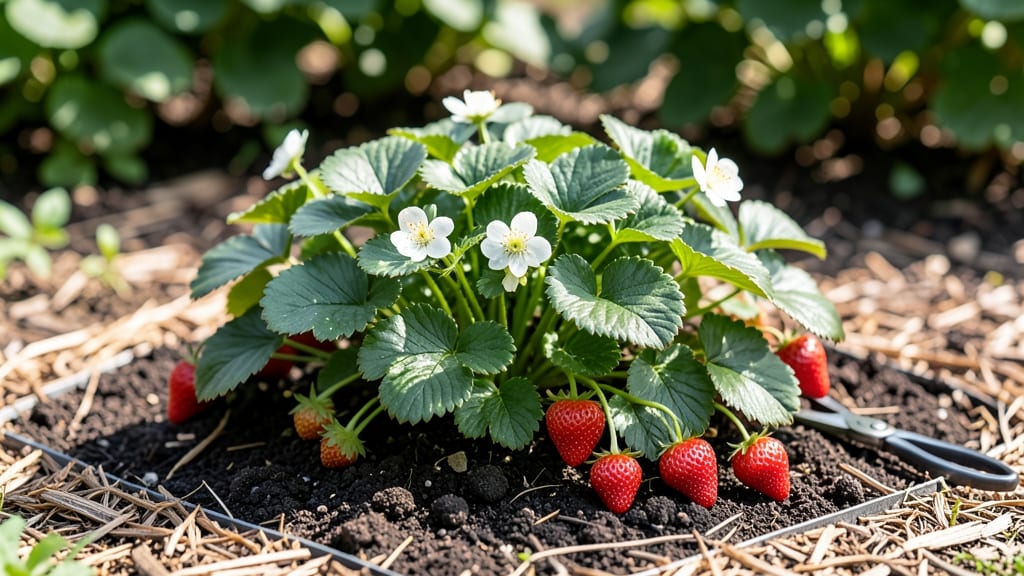
The edible strawberry tree brings a taste of the Mediterranean to your Pacific Northwest garden—its glossy leaves, peeling bark, and sweet, jammy fruits are equal parts ornamental and delicious. 🌟 I planted mine last spring after years of admiring it at nurseries, and now it’s the star of my shade garden, producing fruit even in our damp winters.
The secret lies in its natural frost resistance, but pruning makes all the difference for fruit production.
You’ll need a spot with partial shade to full sun, well-draining soil, and patience—this isn’t a fast grower, but it thrives for decades. Water deeply after planting, then let the roots find their own moisture; overwatering is the fastest way to kill it.
The real magic happens in late winter or early spring, when strategic pruning opens the canopy to sunlight and encourages heavy fruit set.
By summer, you’ll be harvesting clusters of tiny, strawberry-like fruits that ripen from green to deep red. They’re tart and sweet, perfect for jams, desserts, or fresh snacking.
The tree’s evergreen foliage and peeling bark add texture year-round, making it a low-maintenance showstopper. Just watch for aphids and scale—neem oil keeps them at bay.
Whether you’re growing it for fruit, foliage, or both, this tree rewards long-term care with stunning beauty and edible harvests. Let’s get yours thriving—your future self will thank you for the shade and the sweet surprises.
📚 In This Guide
- What you need
- Instructions
- Tips and common mistakes
- Wrapping up and next steps
What you need
- ● Edible Strawberry Tree Saplings: 1–3 Arbutus unedo plants (bare-root or potted, frost-hardy varieties preferred for PNW climates).
- ● Size: 1–3 gallons (for faster establishment).
- ● Soil Amendments: 5–10 lbs of compost or well-rotted manure per planting hole.
- ○ 1 cup of bone meal (optional, for phosphorus-rich soil).
- ● Pruning Tools: 1 pair of bypass pruners (for clean cuts).
- ● 1 pruning saw (for thicker branches, 3–5 inches in diameter).
- ● 1 sterilizing solution (70% isopropyl alcohol or bleach/water mix).
- ● Planting & Maintenance: 1 shovel or trowel (for digging).
- ● 1 garden hose with spray nozzle (for post-planting watering).
- ● 1 mulch (3–4 inches of wood chips or straw to retain moisture).
- ● Soil pH test kit (ideal range: 5.0–7.0 for strawberry trees).
- ● Organic fertilizer (balanced 10-10-10 or citrus-specific blend).
- ● Tree support stakes (if planting in windy PNW areas).
- ● Drip irrigation system (for consistent moisture in dry summers).
Step-by-step guide for planting and pruning edible strawberry trees in the Pacific Northwest
Here’s how to establish your frost-hardy strawberry tree for long-term productivity.
🌱 Step 1: Choose the Right Location and Plant with Care
Select a site with full sun to partial shade—at least 6 hours of direct sunlight daily—and well-draining soil. The Pacific Northwest’s mild winters mean your tree can handle cooler microclimates, but avoid low spots where cold air pools. Dig a hole twice as wide as the root ball but no deeper, loosening the surrounding soil to encourage root spread.
Gently remove the tree from its container, tease the roots if they’re circling, and place it in the hole so the top of the root ball sits 1 inch above ground level. This prevents waterlogging during our region’s wet winters. Backfill with native soil, tamp lightly, and water deeply to eliminate air pockets.
☀️ Step 2: Establish Proper Watering and Mulching for Frost Resistance
Water deeply once a week during the first growing season, ensuring moisture reaches 12 inches down—this encourages deep root growth. In the Pacific Northwest, where winters are damp but not always freezing, consistent moisture prevents stress. Reduce watering in late fall to harden the tree for winter.
Apply 3 inches of organic mulch (like wood chips) around the base, keeping it 6 inches away from the trunk. This insulates roots from temperature swings and retains moisture. Replenish mulch annually in early spring before new growth begins.
✂️ Step 3: Prune for Structure and Frost Hardiness in Late Winter
Prune 2-3 weeks before the last frost date (typically late February to early March in the PNW) to shape the tree and encourage strong, frost-resistant branches. Remove dead or crossing branches first, then thin out 25% of the oldest wood to improve airflow and sunlight penetration.
Cut back overly vigorous shoots to one-third their length—this redirects energy to fruit production. Avoid heavy pruning in fall, as new growth won’t harden before winter. Sterilize pruners with rubbing alcohol between cuts to prevent disease spread.
🌿 Step 4: Monitor for Frost Damage and Adjust Care Seasonally
After winter storms, inspect branches for brown, brittle tips—a sign of frost damage. Prune affected areas in early spring, cutting just above a healthy bud. The strawberry tree’s natural resilience means it often recovers, but removing damaged wood prevents pests from entering.
Fertilize lightly in early spring with a balanced 10-10-10 formula, applying ½ pound per 100 square feet of soil. The Pacific Northwest’s acidic soils may benefit from a lime application (follow package rates) to maintain pH between 6.0 and 7.0, which supports nutrient uptake.
Tips & tricks for perfect edible strawberry tree pruning
Here's what nobody tells you about keeping your frost-resistant strawberry tree thriving year after year.
Site Selection Secret: While the instructions mention full sun to partial shade, I've found that in the Pacific Northwest's coastal regions, morning sun with afternoon shade actually produces sweeter fruit. The cooler afternoon light prevents heat stress while still giving you those critical 6 hours of direct sunlight. Test different spots in your yard before committing—your tree will thank you with better fruit production.
Root Ball Placement: That 1-inch elevation above ground level is non-negotiable for preventing waterlogging, but here's the part they don't emphasize: create a slight berm around the planting hole. This subtle slope helps water drain away from the trunk during our region's frequent winter rains. Use native soil only—amendments can disrupt the natural pH balance that strawberry trees prefer.
Pruning Precision: When you're thinning out 25% of the oldest wood in Step 3, focus on branches that are thinner than a pencil. These are the ones that compete with fruit production. I also recommend making your cuts at a 45-degree angle just above a healthy bud—this encourages faster healing and prevents water from pooling on the cut surface. The 2-3 week window before last frost is crucial because new growth needs time to harden before winter.
Frost Damage Rescue: After winter storms, don't just trim the obviously damaged branches. Look for "half-dead" branches that might still have green buds deeper inside. These can often recover with proper care. Cut just above the lowest green bud, and you'll often get a second flush of growth that compensates for winter losses. The tree's natural resilience makes it surprisingly forgiving when you know what to look for.
Pro Tips for Edible Strawberry Tree
- Here's what nobody tells you about keeping your frost-resistant strawberry tree thriving year after year.
- Site Selection Secret: While the instructions mention full sun to partial shade, I've found that in the Pacific Northwest's coastal regions, morning sun with afternoon shade actually produces sweeter fruit.
- Root Ball Placement: That 1-inch elevation above ground level is non-negotiable for preventing waterlogging, but here's the part they don't emphasize: create a slight berm around the planting hole.
Frequently asked questions
Got questions about growing and caring for your edible strawberry tree? You’re not alone! Here are some of the most common queries—plus straightforward answers to keep your tree thriving in the Pacific Northwest’s frosty climate.
Can I grow an edible strawberry tree in my backyard if I live in a cold climate?
The Arbutus unedo (strawberry tree) is surprisingly frost-resistant, handling temperatures down to 10°F (-12°C) once established. Young trees may need winter protection (like burlap wraps), but mature specimens often survive harsh PNW winters with minimal fuss. Choose a sunny, sheltered spot to maximize cold hardiness.
How long does it take for a strawberry tree to bear fruit?
Patience is key—Arbutus unedo trees typically take 5–7 years to produce fruit after planting. However, some varieties (like ‘Elena’) may fruit sooner in ideal conditions. Focus on pruning for shape and air circulation in the early years to encourage faster maturity. Bonus: The tree’s foliage and bark are stunning year-round, even before fruiting!
When and how should I prune my strawberry tree to prevent disease?
Prune in late winter or early spring (before new growth starts) to remove dead, crossing, or diseased branches. Use sterilized tools and cut just above a bud or branch collar. Avoid heavy pruning—these trees bloom on older wood, so trim sparingly to maintain fruit production. Thinning out dense growth improves airflow, reducing fungal risks like powdery mildew.
Are strawberry tree fruits safe to eat raw, or do I need to cook them?
The fruits are edible raw but have a tart, astringent flavor (like a mix of strawberry and crabapple). Most people cook them first—try jams, jellies, or baked goods to mellow the taste. Warning: The skin and seeds can be slightly bitter; peel or strain if desired. Harvest when fully ripe (deep red/purple) for the best flavor!
What’s a good alternative if my strawberry tree isn’t thriving?
If your tree struggles with slow growth, pests, or poor fruit production, consider these PNW-friendly alternatives:
- Medlar (Mespilus germanica): Cold-hardy, edible fruit (needs bletting to soften).
- Hazelnut (Corylus avellana): Fast-growing, nutritious, and drought-tolerant.
- Serviceberry (Amelanchier): Edible berries, stunning fall color, and low-maintenance.
Wrapping up and next steps
The edible strawberry tree is a fantastic, low-maintenance addition to your Pacific Northwest garden—especially with its frost-resistant charm and delicious fruit! By mastering the pruning blueprint shared here, you’ll ensure healthy growth, bountiful harvests, and long-term success.
Now that you’re armed with the right tools, techniques, and timing, roll up your sleeves and get pruning! 🌿✂️
Ready to take the next step? Mark your calendar for this year’s pruning season and watch your tree thrive—your taste buds (and neighbors!) will thank you.