
Pruning
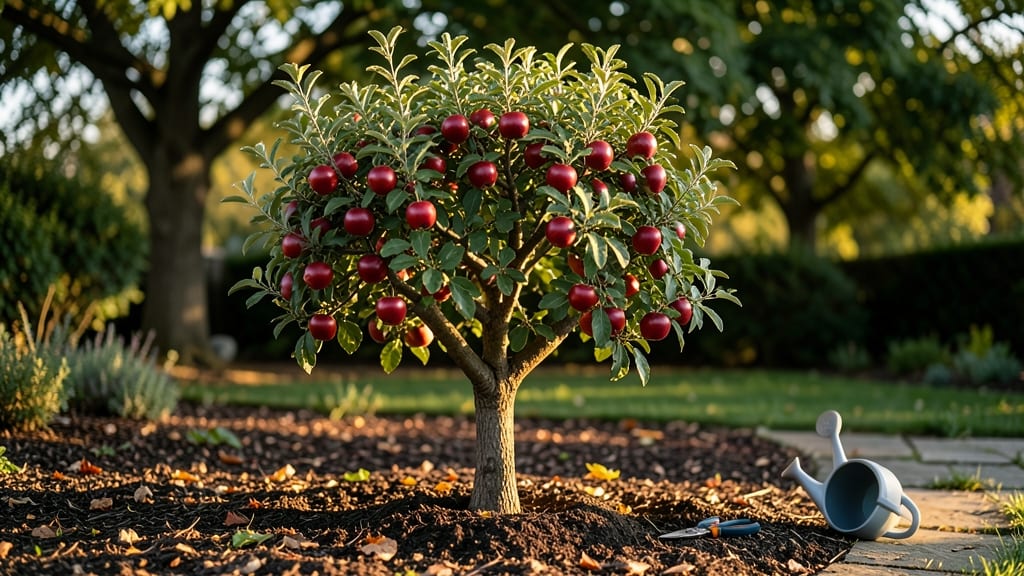
The Wine Crisp apple tree delivers crisp, sweet-tart apples that stay fresh for months—no fancy orchard needed. I planted mine last spring, and now it’s the star of my backyard, producing fruit even in cooler months.
The secret isn’t just its flavor but how forgiving it is with minimal pruning and care.
This variety thrives in full sun with well-draining soil, and it handles partial shade better than most apples. Water deeply once a week during dry spells, but avoid soggy roots—this tree’s resilience shines when conditions are right.
Pruning is simple: just shape in winter and remove dead branches, and you’re done.
By late summer, you’ll be harvesting apples that taste like autumn in every bite—juicy, slightly tart, and perfect for snacking or baking. The tree’s compact size fits small yards, and its disease resistance means fewer headaches. With just a little attention, you’ll have a productive tree for years.
Works in zones 4-8, whether you’re a beginner or seasoned gardener. Let’s get that tree growing—and keep those apples coming!
📚 In This Guide
- What you need
- Instructions
- Tips and common mistakes
- Wrapping up and next steps
What you need
- ● Wine Crisp apple tree sapling or bare-root tree (ensure it’s disease-resistant and well-suited to your climate zone).
- ● Pruning shears (bypass pruners, sharp and clean—1 pair).
- ● Loppers (for thicker branches—1 pair).
- ● Hand pruners (for precision cuts—1 pair).
- ● Pruning saw (for large branches—1).
- ● Disinfectant (70% rubbing alcohol or pruning sealant) (to prevent disease spread).
- ● Gloves (heavy-duty, cut-resistant—1 pair).
- ● Tree ties or soft twine (for supporting branches—small roll).
- ● Mulch (wood chips or straw) (3–4 inches deep, 1–2 bags).
- ● Well-draining soil mix (if planting in containers or poor soil—5–10 gallons).
- ● Fertilizer (balanced 10-10-10 or organic compost) (to boost growth—1–2 bags).
- ● Tree spray (neem oil or copper fungicide) (for pest/disease prevention—1 bottle).
- ● Stake and ties (for young trees—2–4 stakes).
- ○ Drip irrigation system (for consistent watering—optional setup).
- ● Soil pH tester (to ensure optimal growing conditions—1 kit).
How to grow a thriving Wine Crisp apple tree
Here’s the straightforward approach I’ve used to keep my Wine Crisp productive with almost no fuss.
🌱 Step 1: Choose the Perfect Planting Spot
Wine Crisp apples thrive in full sun—at least 6-8 hours daily—so pick a location with unobstructed southern or western exposure. I always check for afternoon shade from nearby trees or buildings, because even partial shade can reduce fruit quality. The soil should drain well but retain moisture; if yours is heavy clay, amend with 2-3 inches of compost before planting.
Dig a hole twice as wide as the root ball but only as deep as the container’s base. This prevents burying the graft union, which is critical for disease resistance. Loosen the roots slightly if they’re circling the pot—just enough to encourage outward growth. I like to water the hole deeply before planting to help settle the soil around roots later.
☀️ Step 2: Plant and Water for Immediate Stability
Place the tree in the hole so the graft union sits 2-3 inches above soil level. This ensures the rootstock stays above ground while the scion grows upward. Backfill with native soil mixed with 1 part compost, tamping gently as you go to remove air pockets. Water immediately after planting—5 gallons total—to help soil settle and eliminate gaps.
Mulch around the base with 3-4 inches of organic mulch, keeping it 6 inches away from the trunk to prevent rot. I use wood chips because they break down slowly and improve soil structure over time. Avoid piling mulch against the trunk—this traps moisture and invites disease. Water again lightly to settle the mulch and encourage root contact with the soil.
💧 Step 3: Water Deeply and Consistently
Wine Crisp trees need 1-2 inches of water weekly, but deeper waterings are better than frequent light ones. I check soil moisture by pushing my finger 2 inches down—if it feels dry, it’s time to water. Young trees (first 2 years) need more frequent watering, especially during drought or hot spells. Overhead watering can spread disease, so I use a soaker hose or drip irrigation to deliver water at the base.
Reduce watering slightly in fall as growth slows, but keep soil moist until the ground freezes. In winter, I only water if there’s no snow cover and temperatures stay below freezing for weeks. The goal is to avoid stressing roots during dormancy, which can lead to poor fruit set the following spring.
✂️ Step 4: Prune Only When Necessary
Wine Crisp is known for its minimal pruning needs, but I still remove dead, crossing, or diseased branches in late winter or early spring. Use clean, sharp pruners and cut just outside the branch collar—the swollen area where the branch meets the trunk. This ensures proper healing and prevents disease entry. I avoid heavy pruning unless the tree is overgrown, as this can reduce fruit production.
Thin out crowded branches to improve airflow, which helps prevent fungal issues like apple scab. Aim for an open center that lets sunlight reach the inner canopy. If you see suckers (shoots growing from the base or graft union), remove them immediately—they drain energy from fruit production. A little light pruning now keeps the tree healthy for years with almost no effort.
🍎 Step 5: Harvest and Maintain for Year-Round Fruit
Wine Crisp apples ripen late summer to fall, but they store well for months, so you’ll enjoy fruit well into winter. Harvest when the fruit is fully colored and gives slightly when gently lifted from the tree. I check for sugar content by tasting a few—ripe apples should be sweet and crisp. Store in a cool, dark place (like a basement) for up to 6 months without refrigeration.
After harvest, remove any fallen fruit from the ground to prevent pests and disease. Apply a thin layer of compost around the base in early spring to replenish nutrients. Avoid heavy fertilizers, as Wine Crisp does best with natural soil fertility. With minimal pruning and consistent care, this tree will reward you with abundant, flavorful apples for decades.
Tips & tricks for perfect Wine Crisp apple tree growth
Here's what I've learned after years of growing Wine Crisp trees with minimal fuss—and how to avoid common pitfalls that can ruin your harvest.
Sunlight Strategy: While 6-8 hours of sun is ideal, I've found that Wine Crisp trees actually tolerate partial shade better than most apple varieties. If your yard only gets 4-5 hours of direct sun, position the tree to capture morning sunlight and afternoon shade—this prevents fruit from becoming too tart. The key is avoiding afternoon shade from nearby trees or buildings, as this is when apples need the most energy for ripening.
Rootball Preparation: Before planting, I always soak the rootball for 10-15 minutes in a bucket of water to fully hydrate the roots. This helps them establish faster in Step 1. For container-grown trees, gently tease apart any circling roots at the bottom of the pot—just enough to encourage outward growth. I've seen trees planted without this step struggle for their first growing season, while prepped trees thrive immediately.
Watering Wisdom: The 1-2 inches of water weekly recommendation works perfectly in most climates, but I adjust based on soil type. Sandy soils need more frequent watering (every 4-5 days), while clay soils can go longer (every 10-12 days). Always water deeply—aim for moisture reaching at least 6 inches down. I test this by pushing a screwdriver into the soil after watering; if it goes in easily, you've hit the mark.
Pruning Prevention: To minimize pruning needs, I focus on proper planting from the start. In Step 1, position the tree slightly off-center in the hole—this creates natural branch spacing as it grows. I also avoid over-fertilizing, which encourages excessive growth that would require more pruning later. The Wine Crisp's natural shape makes it one of the lowest-maintenance apple varieties once established.
Pro Tips for Wine Crisp Apple Tree
- Here's what I've learned after years of growing Wine Crisp trees with minimal fuss—and how to avoid common pitfalls that can ruin your harvest.
- Sunlight Strategy: While 6-8 hours of sun is ideal, I've found that Wine Crisp trees actually tolerate partial shade better than most apple varieties.
- Rootball Preparation: Before planting, I always soak the rootball for 10-15 minutes in a bucket of water to fully hydrate the roots.
Frequently asked questions
Got questions about growing a Wine Crisp apple tree? You’re not alone! This variety is beloved for its sweet-tart flavor and low-maintenance care, but even the easiest trees have a few quirks. Below, we’ve answered the most common questions to help you grow a thriving orchard with minimal fuss.
How long does it take for a Wine Crisp apple tree to bear fruit?
A Wine Crisp typically starts producing fruit within 3–5 years of planting, depending on growing conditions. Young trees focus on root and branch development first, but with proper care (like full sun and regular watering), you’ll see your first harvest sooner than later. Patience pays off—once established, they’re prolific!
When is the best time to prune a Wine Crisp apple tree?
The ideal time to prune is late winter or early spring (just before buds swell) or summer after harvest. Avoid heavy pruning in fall, as wounds take longer to heal in cooler weather. For minimal effort, focus on removing dead, crossing, or overcrowded branches—Wine Crisps handle light pruning beautifully!
Can I grow a Wine Crisp apple tree in a container?
Yes! Wine Crisps adapt well to containers if you choose a large, sturdy pot (at least 20–25 gallons) with drainage holes. Use well-draining soil and repot every 2–3 years as the tree grows. Just know: container-grown trees may produce slightly smaller fruit and need more frequent watering during dry spells.
Why aren’t my Wine Crisp apples ripening evenly?
Uneven ripening often stems from inconsistent sunlight or water stress. Ensure your tree gets 6–8 hours of direct sun daily and water deeply 1–2 times per week (more in extreme heat). Thinning fruit early in the season can also help—leave 6–8 inches between apples to improve size and sweetness.
What’s the best way to store harvested Wine Crisp apples?
Store them in a cool (32–40°F), humid (85–90% humidity) space, like a basement or fridge. They’ll keep for 2–3 months if unwashed and unbruised. For longer storage, try root cellaring (bury in damp sand) or freezing (peeled and sliced) to preserve flavor and texture.
Wrapping up and next steps
Growing a Wine Crisp apple tree is a rewarding experience that combines delicious fruit with low-maintenance care. This versatile variety thrives with minimal pruning, making it perfect for both novice and seasoned gardeners.
Whether you're harvesting crisp, sweet apples or enjoying the tree’s year-round beauty, the effort is well worth it!
Ready to get started? Plant your Wine Crisp today and watch your garden flourish—one juicy apple at a time! 🍏✨
- Next step: Pick a sunny spot, gather your tools, and dig in!
- Pro tip: Share your progress with fellow gardeners for tips and inspiration.