
Pruning
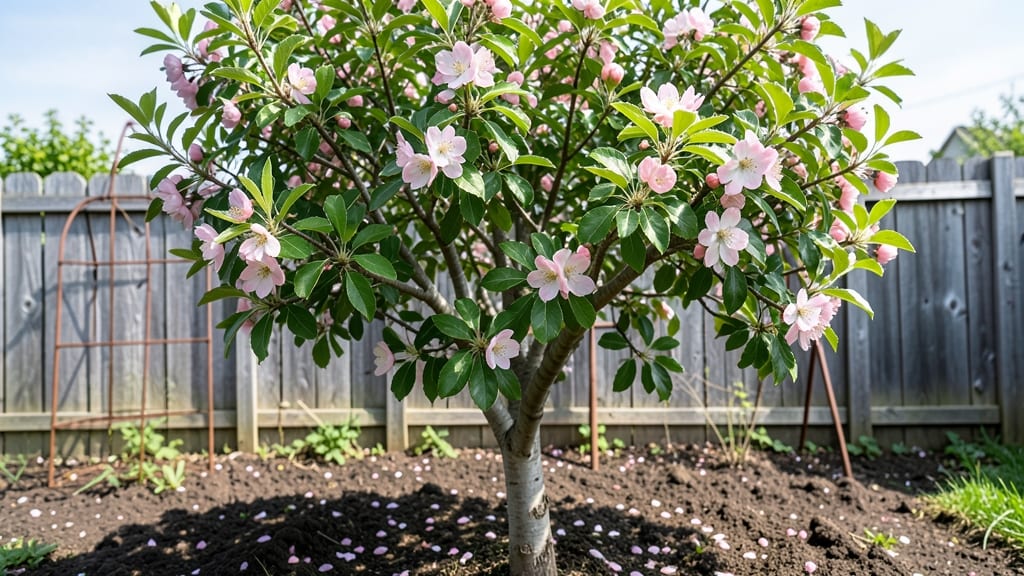
Your Southern crab apple tree could become the star of your yard—if you prune it right. 🌱 This resilient tree thrives in the South, offering fragrant spring blooms, glossy foliage, and tart little apples for wildlife (and you).
The key? Year-round pruning that keeps it healthy and productive, not just decorative.
Start with the basics: well-draining soil, full sun, and space to grow (15-20 feet wide). Plant in early spring or fall, and water deeply the first year to establish roots.
Pruning isn’t just about shaping—it’s about airflow, sunlight penetration, and fruit production. I’ve seen neglected trees turn around in just one season with the right cuts.
By summer, you’ll notice stronger branches and more blooms next spring. The tart fruit attracts birds while keeping deer away, and the honey-scented blossoms make your yard irresistible. Prune lightly in winter to remove deadwood, and you’ll have a tree that’s both beautiful and useful year after year.
Works in zones 6-9, from coastal gardens to inland landscapes. Whether you’re trimming for shape or fruit, this method keeps your Southern crab apple thriving—no green thumb required. Let’s get started!
📚 In This Guide
- What you need
- Instructions
- Tips and common mistakes
- Wrapping up and next steps
What you need
- ● Pruning Shears: Bypass pruners (sharp, clean, and sterilized with rubbing alcohol or bleach solution). Quantity: 1 pair (for small branches).
- ● Loppers: Heavy-duty bypass loppers (for branches ½–1½ inches thick). Quantity: 1 pair.
- ● Pruning Saw: Curved-tooth pruning saw (for branches 1½+ inches thick). Quantity: 1.
- ● Gloves: Heavy-duty gardening gloves (cut-resistant, waterproof). Quantity: 1 pair.
- ● Disinfectant: 1-part bleach to 9 parts water (for sterilizing tools between cuts).
- ● Rubbing Alcohol: 70% isopropyl alcohol (for quick tool cleaning).
- ○ Pruning Sealant: Optional but recommended (e.g., Tanglefoot Tree Wound Pruning Seal for large cuts).
- ○ Extension Pole: Optional (for high branches, 10–12 feet long).
- ● Bucket or Bag: For collecting debris (5+ gallon capacity).
- ○ Marking Twine or Paint: For tagging branches to remove (optional but helpful for planning).
- ● Weather Check: Prune on a dry, calm day (avoid rainy or windy conditions).
- ● Safety Gear: Safety glasses (to protect from debris) and long sleeves/pants.
- ● Tree Assessment: Inspect the tree for dead, diseased, or crossing branches before starting.
- ● First Aid Kit: Basic kit (for minor cuts or scrapes).
- ● Water & Snacks: Hydration breaks are a must—pruning is hard work! 💦
Instructions for pruning your Southern crab apple tree
Here's the proven seasonal approach I use to keep my trees healthy, productive, and beautiful.
🌿 Step 1: Late Winter Pruning for Structure and Airflow
Start your pruning in late winter (just before buds swell) when the tree is still dormant. This is when you'll see the tree's natural structure most clearly. Remove any dead, diseased, or crossing branches first—these are easy to spot because they're brown, brittle, or growing toward other branches.
Next, look for water sprouts (fast-growing, vertical shoots) and suckers (shoots growing from the base). Cut these back to their point of origin with clean, sharp pruners. Southern crab apples respond well to open-center pruning, so aim to create an airy canopy that lets sunlight reach the center of the tree. This prevents fungal diseases that thrive in damp, shaded conditions.
Here's the thing—don't remove more than 25% of the tree's foliage in one season. I usually limit myself to 3-4 main branches per year to avoid stressing the tree. After pruning, apply a thin layer of dormant oil spray (if using) to protect against overwintering pests.
☀️ Step 2: Post-Bloom Summer Pruning for Fruit Development
After the tree finishes blooming (typically late May to early June), it's time for your second pruning session. This is when you'll shape the tree for better fruit production and healthier growth. Look for branches that are growing inward or rubbing against others—these need to go first to prevent bark damage.
Next, focus on thinning out crowded branches to improve air circulation. Southern crab apples produce fruit on both old and new wood, so you want to maintain a balance. Cut back some of the longest, most vigorous shoots by about one-third to encourage bushier growth. You'll see new side branches forming within a few weeks—that's your signal you're doing it right.
Real talk: If you notice any fruit clusters that are too large, thin them out by removing some of the smaller fruits. This might seem counterintuitive, but it ensures the remaining fruits grow bigger and healthier. Aim to leave 6-8 inches of space between clusters.
✂️ Step 3: Light Fall Pruning for Winter Preparation
In early fall (around September), do a final light pruning to prepare the tree for winter. This is mostly about cleaning up—remove any dead wood, diseased branches, or weak, spindly growth that appeared during the summer. Southern crab apples are susceptible to fire blight, so any branches with blackened, oozing cankers must be cut back 6-12 inches below the affected area and destroyed (don't compost them).
This is also the time to prune any suckers that may have appeared at the base of the tree. Use a sharp spade or pruners to cut them off at ground level. If you see any mushroom-like growths at the base, this could indicate root rot—address this immediately by improving drainage around the tree.
Don't skip this step (I learned the hard way). A well-pruned tree in fall will enter dormancy stronger and be less susceptible to winter damage. After pruning, apply a 2-3 inch layer of mulch around the base (but keep it 6 inches away from the trunk) to insulate the roots.
Tips & tricks for perfect Southern crab apple tree pruning
Your crab apple tree's health and fruit production depend on these seasonal pruning secrets I've learned through years of trial and error.
Timing is Everything: Late winter pruning (just before buds swell) is critical because the tree's natural structure becomes most visible when it's dormant. I always check for buds starting to swell—if you see them, you've waited too long. This timing prevents stress on the tree and gives it time to heal before summer heat arrives. Remember, you're working with a living organism, not a static object.
Tool Precision Matters: Using clean, sharp pruners is non-negotiable. Dull blades tear the bark and leave jagged edges that invite disease. I keep a small bottle of rubbing alcohol handy to wipe down my pruners between cuts—this prevents cross-contamination of any potential pathogens. For larger branches, use a pruning saw with a fine-tooth blade to make clean cuts without splintering.
Seasonal Focus Strategy: Each pruning season has a specific goal. In summer (late May to early June), focus on creating space between fruit clusters—aim for that 6-8 inch spacing mentioned in the instructions. In fall, prioritize removing any branches with blackened cankers (cut 6-12 inches below the affected area) to prevent fire blight from spreading. The key is working with the tree's natural growth patterns rather than forcing changes.
Visual Cues for Perfect Pruning: When thinning branches in summer, look for where new side branches naturally form—this is your guide for where to make cuts. The "one-third reduction" of vigorous shoots creates the perfect balance between encouraging bushier growth and maintaining the tree's natural shape. After pruning, step back and visualize sunlight reaching all parts of the canopy—this is your success indicator for improved airflow and fruit production.
Pro Tips for Southern Crab Apple Tree
- Your crab apple tree's health and fruit production depend on these seasonal pruning secrets I've learned through years of trial and error.
- Timing is Everything: Late winter pruning (just before buds swell) is critical because the tree's natural structure becomes most visible when it's dormant.
- Tool Precision Matters: Using clean, sharp pruners is non-negotiable.
Frequently asked questions
about the Southern Crab Apple Tree—your go-to guide for pruning, care, and troubleshooting!When is the best time to prune a Southern Crab Apple Tree?
The ideal time is late winter or early spring (before buds swell) to encourage vigorous growth and fruit production. Light pruning can also happen in summer after harvest to shape the tree and remove deadwood. Avoid heavy pruning in fall, as it may stimulate tender growth vulnerable to frost damage.
How much can I prune without harming the tree?
Remove no more than 25% of the canopy in a single session to avoid stress. Focus on dead, diseased, or crossing branches first, then thin out crowded areas to improve airflow. Young trees (under 5 years) can handle slightly more aggressive pruning to establish structure.
Why aren’t my Southern Crab Apples producing fruit?
Common culprits include over-pruning (removing too many fruiting spurs), poor pollination (plant a second variety nearby), or nutrient deficiencies (test soil and amend with compost). Ensure the tree gets full sun (6+ hours/day) and water deeply during dry spells.
Can I prune Southern Crab Apple Trees in hot/humid climates like the Southeast?
Yes! Prune early morning or late afternoon to reduce stress on the tree. Sterilize tools with 70% isopropyl alcohol to prevent fungal diseases (common in humidity). Avoid pruning during peak heat (10 AM–4 PM) to minimize shock.
Are there disease-resistant alternatives to Southern Crab Apple?
Consider Dolgo Crabapple (resistant to fire blight) or Adirondack Crabapple (tolerates heat/humidity). For similar fruit, try Eastern Red Cedar (evergreen) or Hawthorn (thorny but hardy). Always check local nursery stocks for region-specific recommendations!
Wrapping up and next steps
The Southern crab apple tree is a year-round pruning powerhouse—balancing beauty, fruit, and health with just a little effort! By mastering seasonal trims, you’ll enjoy stunning blooms, bountiful harvests, and a tree that thrives for decades. Whether you’re a pruning pro or newbie, these techniques make it simple.
Ready to transform your yard? Grab your tools, pick a sunny day, and start pruning! Your tree—and future harvests—will thank you. 🌳✨