
Size
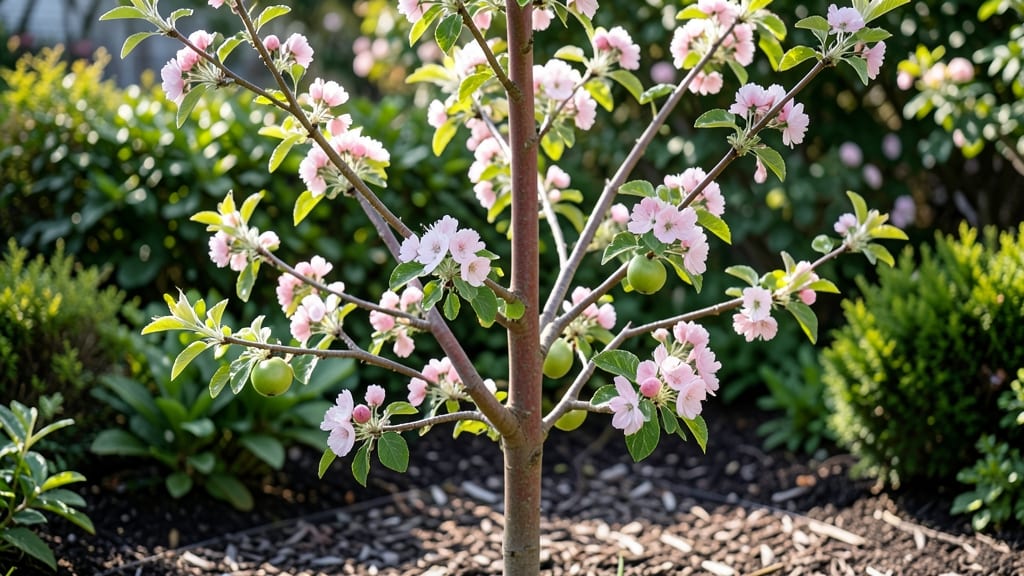
Growing a garden apple tree from seed or sapling means fresh fruit for years—though I nearly gave up after my first tree took three years to produce anything edible. The key is choosing the right variety for your climate and giving it consistent care without overcomplicating things.
Most people assume apple trees need constant pruning, but the right approach keeps them healthy with minimal effort while still yielding bushels of fruit.
You’ll need a sunny spot with well-draining soil, a sturdy sapling or seedling, and basic tools like pruners and mulch. The real secret isn’t fancy equipment—it’s understanding when to water, how to fertilize lightly, and which varieties thrive in your area.
My first tree was a ‘Liberty’ apple, which handles pests better than most and produces fruit even with less-than-perfect care. That’s the kind of reliability you want.
By year three, you’ll be harvesting crisp, sweet apples that taste nothing like store-bought varieties. The tree itself becomes a focal point in your yard, with glossy leaves and a sturdy structure that only improves with age.
Best of all, once established, these trees need far less attention than most gardeners expect—just a little pruning in late winter and occasional watering during dry spells.
Whether you’re starting from seed or planting a young tree, the process scales to any yard size. The biggest challenge is patience—apple trees take time—but the payoff is worth every season of waiting. Here’s how to set yours up for success from day one.
📚 In This Guide
- What you need
- Instructions
- Tips and common mistakes
- Wrapping up and next steps
What you need
- ● Apple Tree: 1 dwarf (4–6 ft at maturity) or semi-dwarf (10–15 ft) variety (e.g., 'Honeycrisp,' 'Fuji,' or 'Gala')—check local climate suitability!
- ○ Optional: Pollination partner (if your chosen variety isn’t self-pollinating).
- ● Planting Site: Sunny spot (6+ hours of direct sunlight daily).
- ● Well-draining soil (pH 6.0–7.0). Test your soil or amend with compost if needed.
- ● Space: 8–12 ft apart (dwarf) or 15–20 ft (standard).
- ● Tools: Shovel or trowel (for digging).
- ● Pruning shears (sterilized with rubbing alcohol).
- ● Garden gloves (to protect your hands!).
- ● Mulch (2–4 inches of wood chips or straw).
- ○ Optional: Tree stake + ties (for young trees in windy areas).
- ● Hose or watering can (deep watering 1–2x/week for established trees; more for new plantings).
- ○ Drip irrigation kit (optional for efficiency).
- ● Organic fertilizer (balanced 10-10-10 or fruit-specific formula).
- ● Pest control: Neem oil or insecticidal soap (only if needed).
- ● Know your USDA Hardiness Zone (apple trees thrive in Zones 4–8).
- ● Check local frost dates—spring planting should avoid late frosts!
- ● Pro tip: Research disease-resistant varieties if your area has common apple pests (e.g., fire blight).
Step-by-step instructions for planting and maintaining an apple tree
Here's how to establish a thriving apple tree with minimal fuss and maximum fruit production.
🌱 Step 1: Choose and Prepare the Planting Site
Select a sunny location receiving at least 6-8 hours of direct sunlight daily. Apple trees need space—plant 15-20 feet from structures, fences, or other trees to allow proper airflow and sunlight penetration. Avoid low spots where cold air settles, as frost can damage blossoms and fruit.
Test your soil's pH—apple trees thrive in slightly acidic soil (6.0-6.5). If your soil is too alkaline, amend it with sulfur or peat moss before planting. Dig a hole twice as wide and just as deep as the root ball to encourage root spread. Loosen the sides of the hole with a shovel to prevent soil compaction.
🪴 Step 2: Plant the Tree Properly for Strong Growth
Remove the tree from its container and gently loosen the roots if they're circling. Position the tree so the top of the root ball sits 2-3 inches above ground level—this prevents waterlogging and allows for settling. Place the tree in the hole and backfill with native soil, tamping lightly as you go to remove air pockets.
Water deeply after planting to settle the soil and eliminate air gaps. Create a 4-inch-high berm of soil around the outer edge of the planting hole to direct water toward the roots. Mulch with 3-4 inches of organic mulch (like wood chips or straw) and keep it 6 inches away from the trunk to prevent rot. Water again until the soil is evenly moist to a depth of 12 inches.
☀️ Step 3: Water and Fertilize for Healthy Development
Water your apple tree deeply once a week during the first growing season, providing 1-2 gallons of water per inch of trunk diameter. Check soil moisture by digging 6 inches down—if it's dry, water again. Avoid overhead watering, which can spread disease. Instead, use a soaker hose or drip irrigation to deliver water at the base.
Apply a balanced, slow-release fertilizer (like 10-10-10) in early spring when new growth begins. Follow the package instructions, but reduce the recommended dose by half for the first year to avoid overstimulating the tree. In subsequent years, fertilize twice a year—once in early spring and again in mid-summer—to support fruit production.
✂️ Step 4: Prune Strategically for Minimal Effort
Prune your apple tree only in late winter or early spring before buds swell. Remove dead, diseased, or crossing branches first to improve airflow. Then, cut back any branches growing inward or rubbing against others. Aim to open the center of the tree so sunlight reaches the inner branches—this encourages fruit production on the lower limbs.
Limit pruning to no more than 25% of the tree’s foliage in a single session. Use clean, sharp pruning shears and make cuts just outside the branch collar (the swollen area where the branch meets the trunk). Seal larger cuts (over ½ inch in diameter) with pruning sealant to prevent disease entry. Avoid heavy pruning in the first year—focus on shaping the tree for future growth.
🍎 Step 5: Monitor for Pests and Harvest with Care
Inspect your tree weekly in spring and summer for signs of pests like aphids, codling moths, or apple scab. Treat infestations early with neem oil or horticultural oil for organic control. Avoid chemical sprays if possible, as they can harm pollinators and reduce fruit quality. Encourage beneficial insects like ladybugs and lacewings by planting companion flowers nearby.
Harvest apples when they easily detach from the tree with a gentle twist. Most varieties ripen in late summer to fall, but timing varies by cultivar. Store ripe apples in a cool (32-40°F), humid environment to extend their shelf life. Thin out excess fruit in early summer to leave 6-8 inches between apples—this ensures larger, higher-quality fruit and reduces disease risk from overcrowding.
Tips & tricks for perfect apple tree growth
Planting an apple tree is a long-term investment, and these practical tips will help you avoid common pitfalls while maximizing your harvest.
Sunlight Strategy: While the instructions call for at least 6-8 hours of sunlight daily, I've found that positioning your tree to capture morning sun (which is less intense) and afternoon shade during hot summer months actually extends fruit quality. If your yard has afternoon shade, consider planting on the north side of structures to catch those cooler morning rays instead.
Soil Preparation Insight: The recommended slightly acidic soil (6.0-6.5 pH) is critical, but don't stop at sulfur or peat moss if your soil is severely alkaline. I've had success adding composted pine needles (which naturally acidify soil) to the planting hole—it creates the perfect environment while also improving drainage. Test your soil again after 6 months to confirm the pH is where it should be.
Watering Technique: The instructions mention watering until soil is moist to 12 inches deep, but I've learned this is easier said than done. Use a soil moisture meter to verify—it's more accurate than guessing. For young trees, I create a watering well by pressing a 12-inch diameter ring into the soil around the tree, then pour water into that ring rather than just at the base. This encourages deeper root growth.
Pruning Timing: Late winter or early spring pruning is essential, but I've found that waiting until just before buds begin to swell (when you can see tiny green tips forming) gives you the best results. This timing ensures you're not removing potential fruit-bearing branches too early. Also, mark your pruning schedule on your calendar—apple trees respond best when pruning coincides with their natural dormancy period.
Pro Tips for Grow A Garden Apple Tree
- Planting an apple tree is a long-term investment, and these practical tips will help you avoid common pitfalls while maximizing your harvest.
- If your yard has afternoon shade, consider planting on the north side of structures to catch those cooler morning rays instead.
- Soil Preparation Insight: The recommended slightly acidic soil (6.0-6.5 pH) is critical, but don't stop at sulfur or peat moss if your soil is severely alkaline.
Frequently asked questions
about growing your own apple tree—because every gardener deserves a little clarity!How long does it take for an apple tree to bear fruit?
Most dwarf apple trees (like those perfect for small gardens) start producing fruit in 3–5 years, while standard-sized trees may take 5–7 years. Patience is key—choose disease-resistant varieties (e.g., ‘Liberty’ or ‘Honeycrisp’) to speed up the process!
Can I grow an apple tree from a store-bought apple?
Technically yes, but it’s not recommended for fruit-bearing trees. Store-bought apples are often grafted hybrids, so seeds may grow into wild apples (or none at all). For reliable results, buy a certified grafted sapling from a nursery. Pro tip: Try growing a crabapple from seed for ornamental fun!
Do apple trees need two varieties to produce fruit?
Yes! Most apple trees are self-unfruitful and need a pollinator (another apple tree of a compatible variety within 50–100 feet). Check your tree’s tag for pollination partners—common pairings include ‘Gala’ + ‘Granny Smith’ or ‘Fuji’ + ‘Honeycrisp.’ Bee-friendly plants (like lavender) can also help!
How much pruning is really needed for minimal effort?
Just 3–4 light pruning sessions per year (spring, summer, fall, and winter) keep trees healthy with minimal work. Focus on:
- Removing dead/diseased branches ()
- Thinning crossing branches for airflow
- Trimming suckers (shoots at the base)
What’s the fastest way to fix common apple tree pests?
Start with prevention:
- Coddling moths: Use pheromone traps or row covers in spring.
- Aphids: Spray with soapy water or introduce ladybugs.
- Apple scab: Apply copper fungicide at bud break.
Can I grow apple trees in containers?
Dwarf varieties (like ‘Columnar’ or ‘Patio’) thrive in 15–25 gallon pots with well-draining soil. Place them in full sun and water deeply 2–3 times per week in summer. Move containers indoors (or to a garage) if temps drop below 20°F.
Wrapping up and next steps
Growing your own apple tree is a rewarding journey that blends patience, care, and a touch of magic—literally! With the right variety, minimal pruning, and a little seasonal attention, you’ll enjoy year-round harvests and the pride of savoring homegrown fruit.
Whether you’re a beginner or a seasoned gardener, every bite of that crisp, sun-ripened apple will remind you of the effort and love you poured into it.
Ready to take the next step? Start small! Plant a dwarf variety in a sunny spot, grab your pruning shears, and dive into the process. Before you know it, you’ll be sharing apples with neighbors—or even selling them at a local market. 🍏✨ Your orchard awaits!