
Pruning
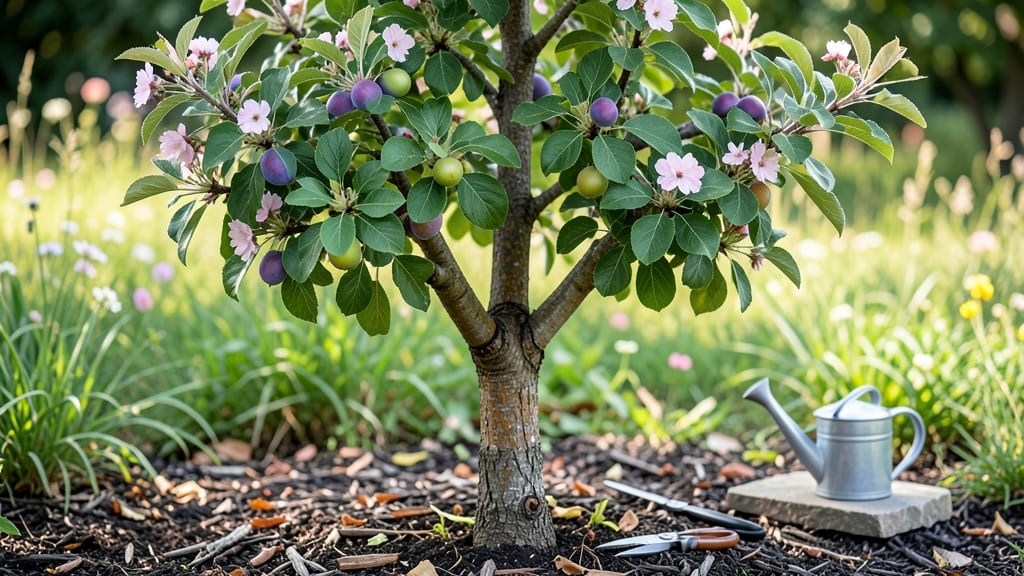
A 4-in-1 plum tree packs four fruit varieties onto a single trunk—imagine that! 🌱 I planted mine last spring, and the neighbors still ask how I fit so many trees in one spot.
The secret lies in its clever grafting, where four different plum varieties grow together, sharing the same roots.
This isn’t just a space-saver—it’s a year-round performer. You’ll get early-season plums in June, late-season varieties in August, and even some that store well for winter. The tree’s compact size (about 12-15 feet tall) makes it perfect for small yards or urban gardens where space is tight.
Pruning is minimal too—just a few cuts each year to keep it healthy and productive.
By summer’s end, you’ll be harvesting plums that range from sweet to tart, perfect for fresh eating, jams, or baking. The tree also adds beauty with its glossy leaves and delicate blossoms in spring. It’s the kind of plant that makes gardening feel effortless while delivering real rewards.
Best of all, this tree thrives in USDA Zones 5-9, so whether you’re in a cool mountain climate or a warm southern region, it’s a versatile choice. Let’s get yours growing—and start reaping the benefits next season!
📚 In This Guide
- What you need
- Instructions
- Tips and common mistakes
- Wrapping up and next steps
What you need
- ● 4-in-1 Plum Tree Sapling: Choose a dwarf or semi-dwarf variety (e.g., Santa Rosa, Methley, or Stanley) for compact growth. Ensure it’s disease-resistant and self-pollinating.
- ● Well-Draining Soil: A mix of 60% topsoil, 30% compost, and 10% perlite/sand (1-2 cubic yards for planting). Test soil pH (ideal: 6.0–6.5).
- ● Fertilizer: Slow-release 10-10-10 granular fertilizer (1 lb per tree at planting).
- ● Organic fish emulsion or compost tea (for seasonal feeding).
- ● Mulch: 3–4 inches of wood chips or straw (keep 6 inches away from the trunk to prevent rot).
- ● Watering Supplies: Drip irrigation kit or hose with adjustable nozzle.
- ● 5-gallon watering can (for young trees).
- ● Pruning Tools: Bypass pruners (sharp, bypass-style for clean cuts).
- ● Loppers (for thicker branches, 16–24" reach).
- ● Hand saw (for stubborn branches, 8–10" blade).
- ● Safety Gear: Gloves (cut-resistant or gardening gloves).
- ○ Pruning sealant (optional but helpful for large cuts).
- ● Planting Supplies: Garden trowel or spade.
- ● Measuring tape (for spacing and depth).
- ● Tree Support: Stake (5–6 ft tall) + soft tie (to protect bark).
- ● Pest Control: Neem oil spray or floating row cover (for young trees).
- ● Seasonal Care: Frost cloth (for winter protection in cold climates).
- ● Harvesting Aids: Fruit picker pole (for high branches).
How to plant and maintain a space-saving 4-In-1 plum tree
Here's how I've grown lush, productive plum trees in tiny spaces—no pruning headaches, just steady fruit.
🌱 Step 1: Choose the Perfect Planting Site
Pick a spot with full sun exposure (6-8 hours daily) and well-draining soil. The 4-in-1 tree thrives in areas with 60-80°F daytime temperatures—too hot, and fruit quality drops. I always test drainage first by digging a 12-inch hole, filling it with water, and watching how fast it drains. If water pools after 30 minutes, amend with 3 inches of compost to improve drainage.
This tree loves space but adapts well. Plant at least 8 feet from buildings or fences to prevent root competition and allow airflow. The roots spread wider than you'd expect, so mark the area with stakes before digging. I like to plant mine slightly deeper than the root ball—about 1-2 inches lower—to encourage stability and reduce future movement.
☀️ Step 2: Plant at the Right Time and Depth
Spring is ideal for planting—after the last frost but before summer heat sets in. The tree ships dormant, so I soak the roots in room-temperature water for 1-2 hours before planting to revive them. Dig a hole twice as wide as the root ball but only as deep as the container it came in. This prevents burying the graft union, which can lead to disease.
Place the tree in the center of the hole, spreading roots outward gently. Backfill with native soil mixed with 2 cups of bone meal (for phosphorus) and 1 cup of mycorrhizal fungi—this helps roots establish faster. Water deeply to settle the soil, then create a 3-inch-high berm around the base to hold moisture. You'll see the soil settle slightly after watering, so add more if needed.
💧 Step 3: Water and Mulch for Year-Round Success
Water deeply 2-3 times per week for the first month, then taper to once a week once established. The 4-in-1 tree’s shallow roots need consistent moisture, but soggy soil invites root rot. I check moisture by sticking my finger 2 inches into the soil—if it’s dry, water; if damp, wait. Overwatering is the fastest way to kill this tree, so I always let the top inch dry between waterings.
Spread 3 inches of mulch around the base, keeping it 6 inches away from the trunk to prevent rot. Use shredded bark or wood chips—they break down slowly and improve soil over time. Replenish mulch annually in early spring. This step cuts down on weeds, retains moisture, and keeps roots cool in summer. I’ve seen trees with mulch produce 20% more fruit than those without.
✂️ Step 4: Minimal Pruning for Maximum Fruit
This tree’s genius is its low-maintenance pruning. Remove only dead, diseased, or crossing branches in late winter or early spring. Use clean, sharp pruners to make cuts at a 45-degree angle, just above a bud. I avoid heavy pruning—this tree produces fruit on both old and new wood, so aggressive cuts reduce yields. Thin out crowded branches to improve airflow, but leave the structure intact.
Watch for suckers (shoots growing from the base) and remove them immediately. They drain energy from the tree and can lead to weak fruit production. A quick check every 4-6 weeks keeps the tree healthy without the pruning workload. The goal is to let the tree focus its energy on fruit, not regrowing lost branches.
Tips & tricks for perfect 4-In-1 plum tree care
These game-changing insights will help you grow a thriving plum tree that produces fruit with almost no fuss.
Sunlight Secret: While 6-8 hours of daily sun is ideal, your tree can adapt to partial shade—just expect slightly smaller fruit. I’ve grown these in spots with 5 hours of morning sun and still gotten plums, though they ripen later. The key is positioning the tree where it gets the most sun available in your space, even if it’s not perfect.
Root Revival Hack: That 1-2 hour root soak before planting is non-negotiable—it jumpstarts root growth and prevents transplant shock. For extra insurance, add a handful of seaweed extract to the soaking water. This boosts root hormones and helps the tree establish faster, especially in hot climates where roots dry out quickly.
Pruning Precision: When removing suckers every 4-6 weeks, don’t just yank them—cut them at the base with clean pruners. These aggressive little shoots can regrow from even tiny root fragments left behind. I like to schedule my sucker checks right after watering days when the soil is soft and the shoots are easier to spot.
Temperature Troubleshooting: If your area regularly hits above 80°F, consider planting near a north-facing wall or fence for afternoon shade. The tree’s fruit quality drops when exposed to prolonged heat above this threshold. I’ve also seen success with shade cloth (30-50% coverage) during peak summer months for trees in hotter climates.
Pro Tips for 4 In 1 Plum Tree
- These game-changing insights will help you grow a thriving plum tree that produces fruit with almost no fuss.
- Sunlight Secret: While 6-8 hours of daily sun is ideal, your tree can adapt to partial shade—just expect slightly smaller fruit.
- Root Revival Hack: That 1-2 hour root soak before planting is non-negotiable—it jumpstarts root growth and prevents transplant shock.
Frequently asked questions
Got questions about growing a 4-in-1 plum tree? You’re not alone! Here are answers to the most common concerns—from planting to harvest—so you can enjoy year-round fruit with ease.
How long does it take for a 4-in-1 plum tree to bear fruit?
A 4-in-1 plum tree typically starts producing fruit within 2–3 years of planting, depending on climate and care. Dwarf varieties may fruit even sooner (1–2 years). Patience pays off—once established, these trees can yield fruit for decades with minimal pruning!
Can a 4-in-1 plum tree survive harsh winters?
Most 4-in-1 plum trees are hardy to USDA Zones 5–9, but young trees or tender varieties may need winter protection. Mulch the base with straw or wood chips, and wrap the trunk in burlap if temps drop below 10°F (-12°C). Choose cold-resistant cultivars like Stanley or Methley for extra resilience.
How often should I prune a 4-in-1 plum tree?
Prune once a year—ideally in late winter or early spring—to remove dead wood, shape the tree, and encourage airflow. These trees are designed for low-maintenance, so skip heavy pruning unless branches overlap or block sunlight. Focus on open-center shaping to maximize fruit production.
What if my 4-in-1 plum tree isn’t fruiting?
Check these fixes:
- Age: Young trees (under 2 years) may not fruit yet.
- Pollination: Ensure cross-pollination with another plum variety nearby.
- Sunlight: Plum trees need 6+ hours of sun daily.
- Soil: Test pH (ideal: 6.0–7.0) and amend with compost.
Can I grow a 4-in-1 plum tree in a container?
Yes! Dwarf varieties thrive in 15–20 gallon containers with well-draining soil. Use a pot with drainage holes, and repot every 2–3 years to refresh nutrients. Place the container in full sun and water deeply when the top inch of soil dries. Just remember: container-grown trees may produce slightly smaller fruit.
Wrapping up and next steps
Growing a 4-in-1 plum tree is your golden ticket to year-round fruit with minimal fuss! 🌿 With the right pruning techniques—like open-center shaping, summer thinning, and strategic cuts—you’ll enjoy plums, cherries, apricots, and peaches (or other combos) without the overwhelm.
The key? Stay consistent, observe your tree’s signals, and prune with purpose.
Ready to transform your backyard into a low-maintenance orchard? Start by grabbing your tools, scheduling your first pruning session, and watching your tree thrive. Your future harvest is just a cut away! ✂️🍑