
Pruning
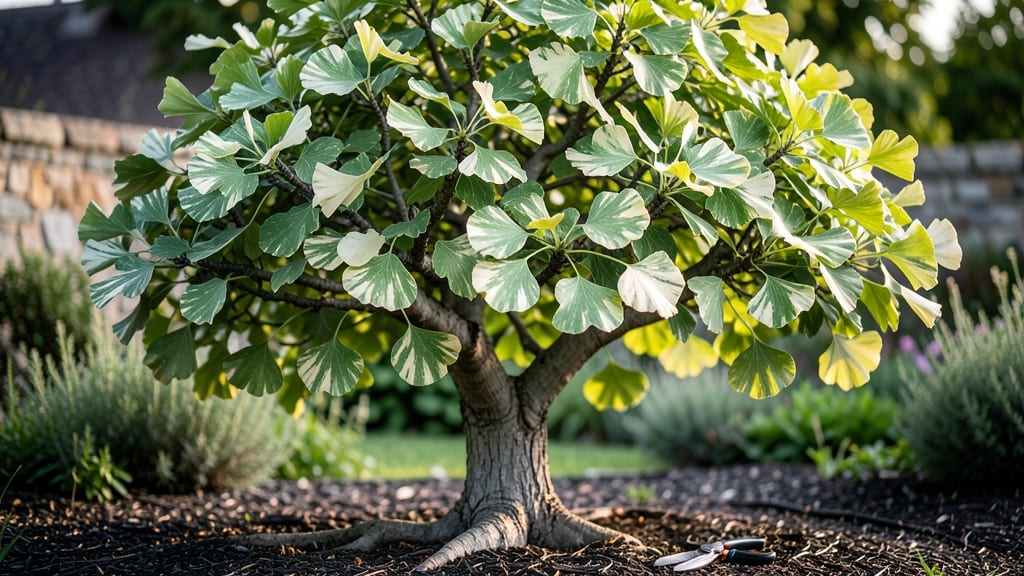
The variegated ginkgo tree (Ginkgo biloba variegata) transforms any landscape into a living work of art with its striking silver-and-green foliage. ✨ Unlike the standard ginkgo, this cultivar keeps its ornamental display year-round, even after the leaves fall—its golden-yellow fan-shaped leaves in autumn are just as breathtaking as its summer variegation.
I planted mine last spring, and the contrast against the dark evergreens in my yard has been nothing short of dramatic.
Pruning isn’t just about shaping—it’s about preserving that bold coloration and encouraging dense growth. The key is timing: light pruning in late winter (before new growth) and minimal shaping in early summer to avoid stressing the tree.
Most gardeners overlook the fact that variegated ginkgos need slightly more care than their green counterparts to maintain their striking patterns—think of it as coaxing the tree to "show off" its best features.
With proper care, your variegated ginkgo will develop a sturdy, upright form while keeping its foliage vibrant from spring through fall. The golden hues of autumn add a final flourish, making it a standout even when other trees have shed their leaves.
Whether you’re a beginner or a seasoned gardener, these techniques will help you cultivate a tree that turns heads all year.
This tree thrives in full sun to partial shade and tolerates a range of soils, though it prefers well-draining conditions. The trade-off? It’s slightly more susceptible to pests like ginkgo psyllids, so regular inspections are a must. But the payoff—those eye-catching variegated leaves—makes it worth the extra attention.
📚 In This Guide
- What you need
- Instructions
- Tips and common mistakes
- Wrapping up and next steps
What you need
- ● Pruning shears: Bypass pruners (for small branches, ¼"–¾" diameter). Tip: Choose sharp, stainless-steel blades to avoid crushing stems.
- ● Loppers: 1 pair (for medium branches, ¾"–2" diameter). Look for ratcheting or bypass styles for cleaner cuts.
- ● Pruning saw: 1 handheld saw (for thick branches, 2"+ diameter). A curved-tooth design prevents tear-out.
- ● Gloves: 1 pair of heavy-duty gardening gloves (to protect against thorns and sap). Opt for breathable, reinforced palms.
- ● Disinfectant: 70% isopropyl alcohol or a pruning sealant (to sterilize tools and prevent disease spread).
- ○ Extension pole: 1 (optional but helpful for tall trees). Attach loppers or a pruning saw for hard-to-reach branches.
- ● Bucket or bag: 1 (for collecting pruned branches). A mesh bag works best to avoid crushing delicate foliage.
- ● Safety glasses (to shield eyes from debris).
- ● Pole saw (for high branches if no extension pole is available).
- ● Hand pruners with a bypass or anvil option (for fine-tuning small cuts).
- ● Garden kneeler or stool (if pruning near the base of the tree).
- ● Notebook and pen (to sketch a quick pruning plan or jot down notes on branch placement).
Step-by-Step pruning guide for variegated ginkgo trees
Here's how to maintain that stunning variegated pattern year-round while keeping your tree healthy.
🌿 Step 1: Assess Growth Patterns in Early Spring
Start your pruning routine in early spring when new growth begins but before leaves fully unfurl. This timing ensures you're working with fresh, pliable wood rather than hardened branches. Look for areas where the variegation appears uneven or where green foliage dominates—these are your priority zones.
Use sharp, clean pruning shears to make cuts just above a leaf bud or lateral branch. Avoid cutting into old wood unless absolutely necessary, as ginkgo trees respond poorly to severe pruning of mature branches. I always make a small notch on the underside of larger branches to guide my cuts—this prevents tearing the bark.
✂️ Step 2: Shape and Thin for Airflow in Late Spring
By late spring, your tree should have established new growth. This is when you'll focus on selective thinning to improve airflow and maintain that dramatic variegated pattern. Remove any branches that grow inward or cross over others—these compete for sunlight and can reduce the intensity of the variegation.
I target branches that are thicker than a pencil for removal, as these create dense canopies. Make your cuts at a 45-degree angle just outside the branch collar. For larger branches, I use loppers and seal the cuts with pruning sealant to prevent disease entry. Watch for branches with predominantly green leaves—these often indicate areas where the variegation is struggling.
☀️ Step 3: Light Maintenance Through Summer
Summer pruning for variegated ginkgos is about light maintenance rather than heavy shaping. Remove any dead or diseased branches immediately as they appear, using sterilized tools to prevent spreading pathogens. I also trim back any overly vigorous green shoots that threaten to overwhelm the variegated pattern.
Here's the thing—variegated ginkgos often produce more green growth in shady areas. If you notice sections with reduced variegation, consider thinning the canopy above those areas to allow more light penetration. Water deeply after pruning to help the tree recover, especially during hot, dry periods. You'll see the variegation intensify in these newly opened areas within a few weeks.
⏰ Step 4: Cleanup and Structural Pruning in Fall
As temperatures drop and leaves begin to change color in fall, focus on structural pruning to prepare your tree for winter. Remove any weak, dying, or structurally unsound branches first. Then, thin out about 10-15% of the canopy to reduce wind resistance and prevent storm damage.
I always make my final cuts before the first hard frost to allow wounds time to heal. For larger branches, I use the three-cut method to prevent bark tearing. After pruning, apply a fresh layer of mulch around the base (but keep it 3-4 inches away from the trunk) to protect roots. This is also the perfect time to sterilize your tools with rubbing alcohol before storing them for winter.
🌱 Step 5: Winter Inspection and Light Pruning
Even in winter, variegated ginkgos benefit from light inspection pruning. On mild days, remove any dead wood that became apparent during the colder months. Look for branches that have lost their variegation entirely—these may need complete removal to encourage new, patterned growth in spring.
I avoid heavy pruning in winter, but I do make note of areas that need attention in the coming season. If you notice any suckers at the base of the tree, remove them immediately—they divert energy from the main canopy. This is also when I evaluate the overall structure and plan my spring pruning strategy based on how the tree responded to the previous year's cuts.
Tips & tricks for perfect variegated ginkgo tree pruning
These seasoned strategies will help you preserve that stunning variegated display while keeping your ginkgo thriving year-round.
Timing is Everything: The early spring window in Step 1 is critical because that's when the tree's energy is focused on new growth rather than healing from cuts. I've seen variegation fade dramatically when pruning is done too late in spring—wait until you see those first tender shoots but before leaves fully unfurl. In Step 4, that fall pruning deadline before the first hard frost isn't just about timing—it's about giving your tree's wounds time to callus over before winter dormancy begins.
Tool Technique Matters: For the pencil-thick branches mentioned in Step 2, I recommend using bypass pruners rather than anvil types—they make cleaner cuts that heal faster. When making those 45-degree cuts, visualize where the branch collar meets the trunk and angle your cut just outside that junction. This precision prevents the classic "stub" that can invite disease. For larger branches, I've found that sealing cuts with pruning sealant isn't always necessary if you're using sharp tools and making clean cuts, but it's worth having on hand for those less-than-perfect cuts.
Light Penetration Strategy: The summer maintenance in Step 3 deserves extra attention because this is when you can really see the variegation respond. When thinning the canopy above shaded areas, aim to create openings that allow sunlight to reach the lower branches. Think of it like opening windows in a stuffy room—what was struggling in the shade suddenly gets the light it needs to show off that beautiful pattern. I've noticed the most dramatic color improvement in these newly opened areas within just 3-4 weeks after pruning.
Seasonal Transition Tips: Moving from summer to fall pruning requires a mindset shift. In summer, we're focused on light maintenance and immediate visual impact, but fall is about long-term health. That 10-15% canopy thinning isn't arbitrary—it's about creating a balanced structure that can withstand winter winds. I mark my calendar for the first hard frost date and schedule pruning at least 2 weeks before that, giving the tree time to prepare for dormancy while still allowing wounds to begin healing.
Pro Tips for Variegated Ginkgo Tree
- These seasoned strategies will help you preserve that stunning variegated display while keeping your ginkgo thriving year-round.
- Timing is Everything: The early spring window in Step 1 is critical because that's when the tree's energy is focused on new growth rather than healing from cuts.
- Tool Technique Matters: For the pencil-thick branches mentioned in Step 2, I recommend using bypass pruners rather than anvil types—they make cleaner cuts that heal faster.
Frequently asked questions
When is the best time to prune a variegated ginkgo tree for variegated foliage?
Prune your variegated ginkgo in late winter or early spring (before new growth starts) to encourage vibrant variegation. Avoid heavy pruning in fall or winter, as cold stress can harm the tree. Light shaping in summer is fine, but focus on removing only dead or overcrowded branches to preserve its striking gold-and-green leaves.
Can I prune my variegated ginkgo in winter? What if it’s cold?
While late winter pruning is ideal, avoid pruning during hard freezes (<32°F). If you must prune in winter, wait for a mild day (above 40°F) and prune in the morning. Cold temperatures can stress the tree, slowing recovery. Use sharp tools and make clean cuts to minimize damage—variegated ginkgos are tough but not frost-proof while healing!
What if my variegated ginkgo’s variegation is fading? Can pruning help?
Fading variegation often signals too much shade or over-pruning. To revive it:
- Prune to thin out dense branches for better light penetration.
- Avoid heavy cuts that remove variegated growth.
- Move the tree to a sunnier spot if possible.
How much can I prune a young variegated ginkgo tree?
For young trees (<5 years old), limit pruning to 10–15% of the canopy per year. Focus on:
- Removing dead, crossing, or rubbing branches first.
- Avoiding cuts that disrupt the tree’s natural shape.
- Encouraging an open, airy structure for future variegation.
Are there alternatives to variegated ginkgo for bold foliage?
If you love variegated trees but want options, consider:
- Golden Rainbow Ginkgo – Similar variegation with golden-yellow leaves.
- Variegated Japanese Maple – Stunning pink/white/cream foliage (but needs more shade).
- Emerald Sentinel Ginkgo – Deep green with a columnar shape (less variegation but low-maintenance).
What should I do if my variegated ginkgo’s branches are dying after pruning?
If branches die back after pruning, it’s likely due to:
- Improper cuts (ragged edges or leaving stubs).
- Pruning too late in the season (fall/winter stress).
- Over-pruning (removing too much foliage at once).
Wrapping up and next steps
The variegated ginkgo tree is a stunning addition to any landscape, offering year-round beauty with its striking foliage and unique variegation. By mastering the art of pruning—whether for shape, health, or seasonal renewal—you’ll keep your tree thriving while showcasing its bold charm.
Now that you’re equipped with the right tools, timing, and techniques, go ahead and give your tree the care it deserves!
Ready to take the next step? Schedule a pruning session this season and watch your variegated ginkgo shine brighter than ever. 🌿✨