
Pruning
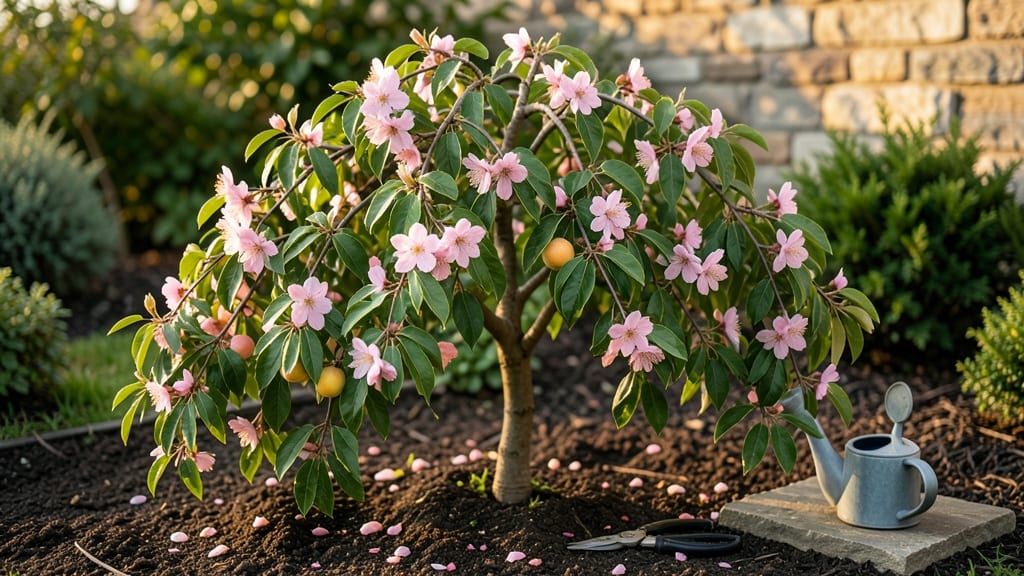
The crimson cascade weeping peach tree transforms any yard into a living waterfall of pink blossoms and ruby-red fruit. 🌸 I planted mine last spring, and already neighbors stop to ask how I got such a dramatic focal point—it’s all in the right spot, soil, and a little strategic pruning.
This isn’t your average peach tree; its cascading branches create a dramatic, year-round display that outshines most ornamental trees.
Here’s the thing—this tree thrives in full sun with well-draining soil, but it’s surprisingly low-maintenance once established. You’ll water deeply 2-3 times per week in summer, then taper off in cooler months. The real magic happens when you prune just enough to encourage that graceful weeping shape—no heavy-handed cuts needed.
Even in winter, the bare branches have an elegant structure that adds texture to the landscape.
By late spring, you’ll be rewarded with hundreds of fragrant pink blooms, followed by sweet, juicy peaches that ripen in midsummer. The fruit might not last long on the tree (birds love them), but the visual spectacle alone makes it worth growing.
Plus, the tree’s compact size means it fits in smaller yards where traditional peach trees would sprawl.
Watch out for late frosts—young trees can be sensitive, so consider wrapping the trunk in burlap if your spring is chilly. With the right care, your Crimson Cascade will become the star of your garden, offering beauty in every season without the fuss of high-maintenance varieties.
📚 In This Guide
- What you need
- Instructions
- Tips and common mistakes
- Wrapping up and next steps
What you need
- ● Crimson Cascade weeping peach tree (bare-root or container-grown, 3–5 years old for best results).
- ● High-quality potting mix or well-draining garden soil (amend with compost for nutrient-rich growth).
- ● Organic mulch (wood chips, straw, or pine bark—2–3 inches depth to retain moisture).
- ● Balanced fertilizer (10-10-10 or organic options like fish emulsion—apply in early spring).
- ● Drip irrigation system or soaker hose (for consistent watering, especially during dry spells).
- ● Pruning shears (bypass pruners for clean cuts—sterilize with rubbing alcohol between cuts!).
- ● Loppers (for thicker branches, 1.5–2 inches in diameter).
- ● Hand pruners (for delicate trimming of weeping branches).
- ● Gloves (gardening gloves to protect from thorns and sap).
- ● Shovel & spade (for planting or transplanting).
- ● Wheelbarrow or bucket (for hauling soil, mulch, or tools).
- ● Tree support stake (if planting in windy areas—avoid over-tightening to prevent girdling).
- ● Tree wrap (for young trees in cold climates to protect from winter damage).
- ● Fruit thinning shears (if you plan to harvest peaches—encourages larger fruit).
- ● Pest control spray (neem oil or horticultural oil for aphids or scale—use sparingly).
- ○ Pruning sealant (optional for large cuts, but not always necessary for peach trees).
Step-by-step guide to planting and maintaining a Crimson Cascade weeping peach tree
Here's how to establish this stunning tree with dramatic year-round interest.
🪴 Step 1: Select and Prepare the Planting Site
Choose a location with full sun exposure (6-8 hours daily) and well-draining soil. Crimson Cascade weeping peaches thrive in slightly acidic to neutral soil with a pH between 6.0-7.0. Avoid low spots where water pools—this tree hates soggy roots.
Dig a hole twice as wide as the root ball but only as deep. The top of the root ball should sit 2-3 inches above ground level to prevent waterlogging. Loosen the native soil at the bottom of the hole with a shovel to encourage root spread. Here's the thing—this tree's weeping habit means its branches will cascade dramatically, so leave 8-10 feet of clearance behind it for full visual impact.
☀️ Step 2: Plant with Proper Spacing and Initial Care
Gently remove the tree from its container and tease the roots outward if they're circling. Position it in the hole so the graft union (visible bump near the base) remains above soil level. Backfill with native soil mixed with 2 inches of compost to improve fertility without altering drainage.
Water deeply immediately after planting to settle the soil around roots. The top 1-2 inches of soil should feel moist but not saturated. Apply 3-4 inches of mulch (organic materials like wood chips) around the base, keeping it 6 inches away from the trunk. This preserves soil moisture while protecting roots from temperature fluctuations—a critical balance for this delicate weeping cultivar.
✂️ Step 3: First-Year Pruning for Structure and Health
Wait until spring before pruning new growth. Remove any dead, crossing, or inward-growing branches first using clean, sharp pruners. The goal is to maintain an open center that allows light to penetrate to lower branches—this prevents disease and encourages fruit production.
For the weeping habit, select 2-3 strong scaffold branches to form the primary structure. Make cuts just outside the branch collar (the swollen area where the branch meets the trunk). Avoid heavy pruning in the first year—this tree establishes slowly and needs all its energy for root development. Real talk: If you see water sprouts (fast-growing vertical shoots), remove them immediately—they drain energy from fruit production.
💧 Step 4: Watering and Fertilizing for Year-Round Beauty
Water deeply 2-3 times per week during the first growing season until the tree establishes. Check moisture by pushing your finger 2-3 inches into soil—it should feel slightly damp. Once established, water once weekly during dry spells, aiming for 1-1.5 gallons per week depending on container size or ground planting.
Apply a balanced 10-10-10 fertilizer in early spring and again after harvest. For container-grown trees, use half-strength fertilizer every 4-6 weeks during the growing season. The Crimson Cascade's dramatic foliage and fruit require consistent nutrients—don't skip this step if you want that showstopping cascade effect year-round.
⏰ Step 5: Seasonal Maintenance for Long-Term Health
In late winter, prune out any dead wood or weak branches before new growth begins. The tree's weeping branches may need occasional support with lightweight stakes during windy seasons. Avoid heavy pruning in late summer—this encourages new growth that won't harden off before winter.
For container-grown specimens, repot every 2-3 years using a slightly larger container with fresh potting mix. The tree's roots are sensitive to root-bound conditions, which can stress the plant and reduce flowering. Watch for signs of stress like yellowing leaves or leaf drop—these usually indicate either overwatering or nutrient deficiency.
Tips & tricks for perfect Crimson Cascade weeping peach tree care
This stunning tree thrives with just a few strategic adjustments that make all the difference in its dramatic growth.
Soil Preparation Secret: Before planting, mix in 2 inches of compost directly into the bottom of the hole as instructed, but take it a step further by adding a handful of slow-release organic fertilizer to give your tree an extra nutrient boost during its critical first year. The weeping branches demand rich soil, so don't skimp on this step—it's what fuels those cascading growth patterns. The 6.0-7.0 pH range is non-negotiable, so test your soil if you're unsure; you can adjust with lime (to raise pH) or sulfur (to lower it) before planting.
Mulching Mastery: That 3-4 inches of mulch around your tree's base isn't just decoration—it's a moisture regulator and temperature insulator. Use organic mulch like wood chips or shredded bark, but keep it 6 inches away from the trunk to prevent rot. I've seen too many trees suffer from mulch piled against the trunk, causing moisture to pool and harm the bark. For container-grown trees, use a mulch-free mix with good drainage to prevent compaction.
Pruning Precision: When selecting those 2-3 scaffold branches in Step 3, look for branches that emerge at a wide angle (45 degrees or more) from the main trunk. These will provide the best structural support for the weeping habit. Make your cuts just outside the branch collar—this is critical for proper healing. And here's what nobody tells you: those water sprouts might look harmless, but they're energy vampires. Remove them immediately at the base, not just the top, to prevent regrowth.
Watering Wisdom: The 2-3 inches deep soil moisture check is your best friend during the first year. I've found that using a moisture meter near the roots gives more accurate readings than the finger test, especially in heavier soils. For container-grown trees, water until you see drainage from the bottom—this ensures the entire root ball gets hydrated. And remember: 1-1.5 gallons weekly is a guideline, not a rule. Adjust based on your climate and container size—your tree will tell you what it needs through its leaves.
Pro Tips for Crimson Cascade Weeping Peach Tree
- This stunning tree thrives with just a few strategic adjustments that make all the difference in its dramatic growth.
- The weeping branches demand rich soil, so don't skimp on this step—it's what fuels those cascading growth patterns.
- Mulching Mastery: That 3-4 inches of mulch around your tree's base isn't just decoration—it's a moisture regulator and temperature insulator.
Frequently asked questions
Got questions about caring for your Crimson Cascade Weeping Peach Tree? You’re not alone! Here are some of the most common queries—plus straightforward answers to help you keep this stunning tree thriving with minimal fuss.
How often should I prune my Crimson Cascade Weeping Peach Tree?
Prune your Crimson Cascade once a year, ideally in late winter or early spring (before buds swell). Light shaping can happen in summer, but avoid heavy cuts then. This tree’s weeping habit means it naturally stays compact—just remove dead wood, crossing branches, and any growth that disrupts its graceful form. Pro tip: Use sharp bypass pruners for clean cuts to prevent disease.
Can a Crimson Cascade survive harsh winters?
This tree is hardy to USDA Zones 5-9, but young trees or extreme cold (<10°F) may need protection. Wrap the trunk with burlap or tree guard and mulch around the base (3-4 inches deep). If heavy snow bends branches, gently support them with stakes to avoid breakage. Older trees usually handle winter well!
Will my Crimson Cascade produce edible peaches?
While it’s a decorative cultivar, some Crimson Cascade trees yield small, tart peaches—though they’re not as sweet or large as commercial varieties. If fruit production isn’t your goal, focus on pruning to enhance its dramatic cascading blooms (spring) and fiery fall foliage. For better fruit, consider grafting a peach variety onto its roots!
What pests or diseases should I watch for?
Common issues include:
- Peach leaf curl (fuzzy buds in spring): Treat with copper fungicide before buds swell.
- Aphids or scale insects: Blast off with water or use neem oil.
- Cankers (sunken, dead spots): Prune infected branches 6 inches below the damage and sterilize tools.
Keep the area clean of fallen leaves and ensure good airflow to prevent problems.
Are there alternatives to Crimson Cascade with similar weeping habits?
If you love the dramatic weeping shape but want variety, try:
- ‘Chanticleer’ Peach Tree: Upright growth with stunning spring blooms.
- Weeping Cherry (Prunus subhirtella): Cold-hardy and disease-resistant.
- Dwarf Flowering Almond: Fragrant blooms and low-maintenance.
For edible fruit + weeping form, look into ‘Bonanza’ or ‘Redhaven’ peach grafts on a weeping rootstock.
Wrapping up and next steps
The Crimson Cascade Weeping Peach Tree is a stunning addition to any garden, offering year-round beauty with minimal effort—whether through its delicate blossoms, lush foliage, or cascading branches. With the right tools, timing, and techniques, you can keep it thriving without the hassle of heavy pruning.
Now that you’re armed with expert tips, the next step? Grab your shears and give your tree the care it deserves—your future blooms will thank you!
🌸 Pro tip: Mark your calendar for late winter to early spring—it’s the perfect time to start shaping and nurturing your tree’s next masterpiece!